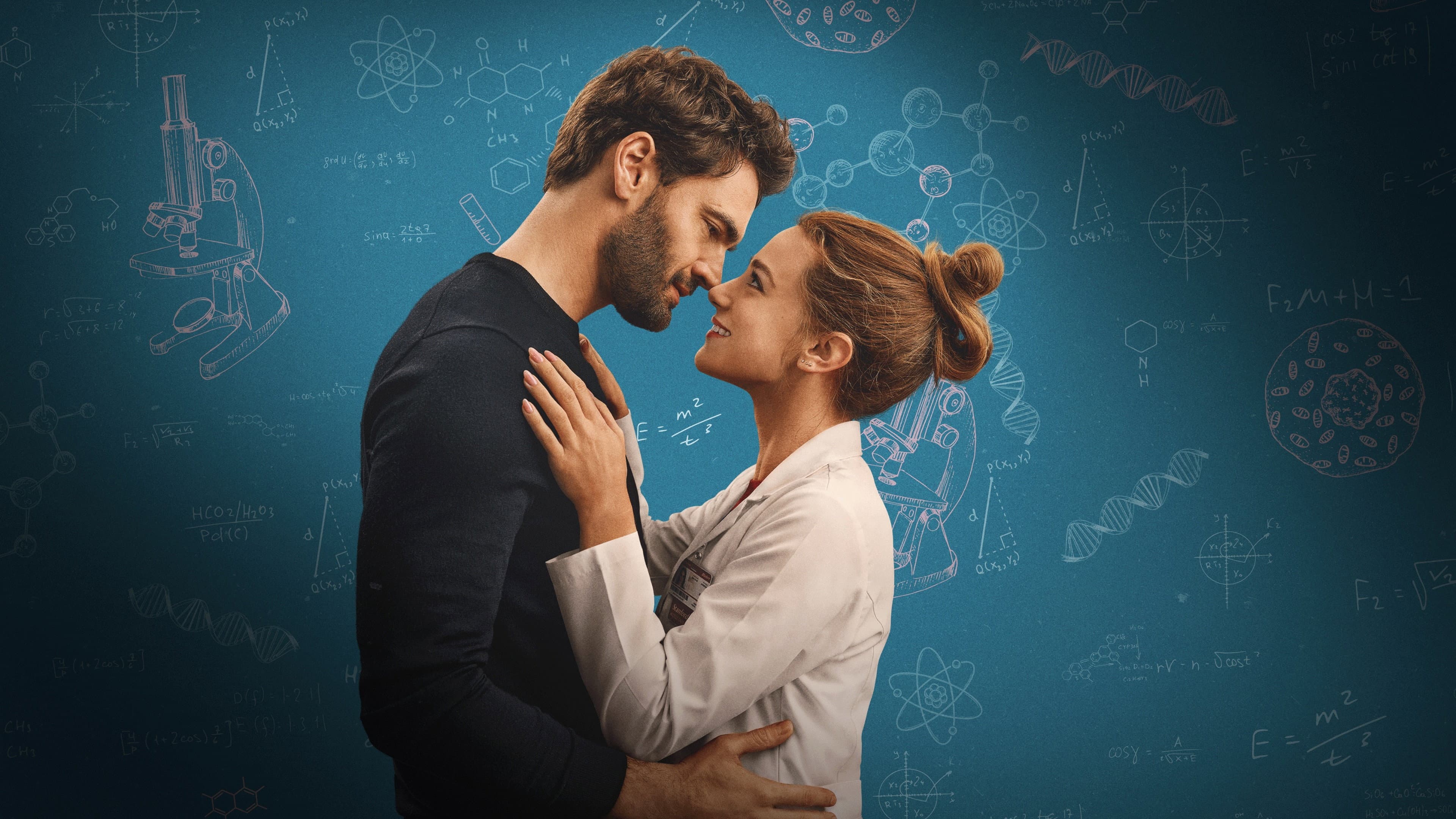
Ali Hazelwood is returning to the world that made her a household name in romance publishing. The author is set to release a sequel to "The Love Hypothesis," the 2021 novel that became a word-of-mouth sensation and turned her from a pseudonymous academic into one of the genre's most bankable names. In a parallel development, MRC is developing a film adaptation of the property for Amazon MGM, signaling that the studio sees franchise potential in the material rather than a one-off romantic comedy.
The original novel followed Olive Smith, a third-year Ph.D. candidate in biology, who convinces a young professor named Adam Carlsen to fake a relationship with her in order to persuade her best friend that she has moved on from an unrequited crush. The premise - a fake-dating arrangement between a graduate student and a notoriously exacting faculty member - struck a chord with readers who recognized the pressures of academic life. What separated the book from countless other romances was its specificity: the lab politics, the grant anxieties, the departmental gossip, the particular loneliness of being a woman in a male-dominated scientific field. Hazelwood wrote what she knew, and readers responded.
Part of the novel's mystique was its origin. Hazelwood initially published fan fiction under a pen name before releasing "The Love Hypothesis," and she has been candid about how that community helped shape her voice. When the book arrived, it benefited from a wave of enthusiasm on BookTok, where readers championed it with the kind of intensity usually reserved for established franchises. The title spent months on bestseller lists and established Hazelwood as a reliable commercial force in contemporary romance.
Since then, she has expanded her output considerably. "Love on the Brain," "Love, Theoretically," and "Not in Love" followed, each blending romantic comedy tropes with the jargon and culture of STEM careers. She has also written for a younger audience with "Check & Mate," a chess-themed romance, and branched into paranormal territory with "Bride," a novel about a vampire and a werewolf whose arranged marriage carries political stakes. That range suggests an author unwilling to be confined to a single formula, even as she returns to the book that started it all.
The sequel announcement is notable because Hazelwood had not, until now, written a direct follow-up to any of her novels. Her books share thematic DNA but feature different protagonists and settings. A true sequel to "The Love Hypothesis" means revisiting characters readers already feel possessive about - a risk as much as an opportunity. Fans of the original will scrutinize how Olive and Adam have evolved, and whether the chemistry that animated their fake romance translates into a new narrative. Hazelwood has built a career on satisfying reader expectations while slightly subverting them, so the return carries both commercial logic and creative pressure.
On the film side, MRC's involvement gives the adaptation a certain pedigree. The studio has backed a range of projects across comedy, drama, and prestige television, and its partnership with Amazon MGM places the film within a streaming-and-theatrical ecosystem that has become increasingly important for book adaptations. Amazon MGM has shown appetite for romance-driven titles with built-in audiences, and a property with the name recognition of "The Love Hypothesis" fits that strategy neatly.
No casting has been announced, and no release window has been confirmed. That absence of detail is typical at this stage, but it also means the most pressing question - who will play Olive and Adam - remains open. The original novel's fans have spent years debating hypothetical casts on social media, and any announcement will be met with both enthusiasm and second-guessing. That is the double-edged sword of adapting a beloved book: the audience arrives pre-assembled, but so does the scrutiny.
It is also worth noting how much the industry has changed since the novel's release. Romance has become one of the most active corners of the adaptation market, with publishers and studios racing to option titles that already have passionate readerships. Hazelwood's work sits at the center of that boom. She writes books that are easy to describe and hard to resist: smart women, emotionally reserved men, slow-burn tension, and happy endings that feel earned. That combination translates well to screen, which explains why MRC and Amazon MGM are moving on it.
For now, the sequel and the adaptation represent two halves of the same bet - that a story about two scientists pretending to love each other can keep expanding into something larger. Readers will get the next chapter in print. Audiences will eventually get a version on screen. Hazelwood, meanwhile, continues to do what she has done from the beginning: write about people who think too much and feel even more, and trust that an audience will follow.
Source: The Hollywood Reporter