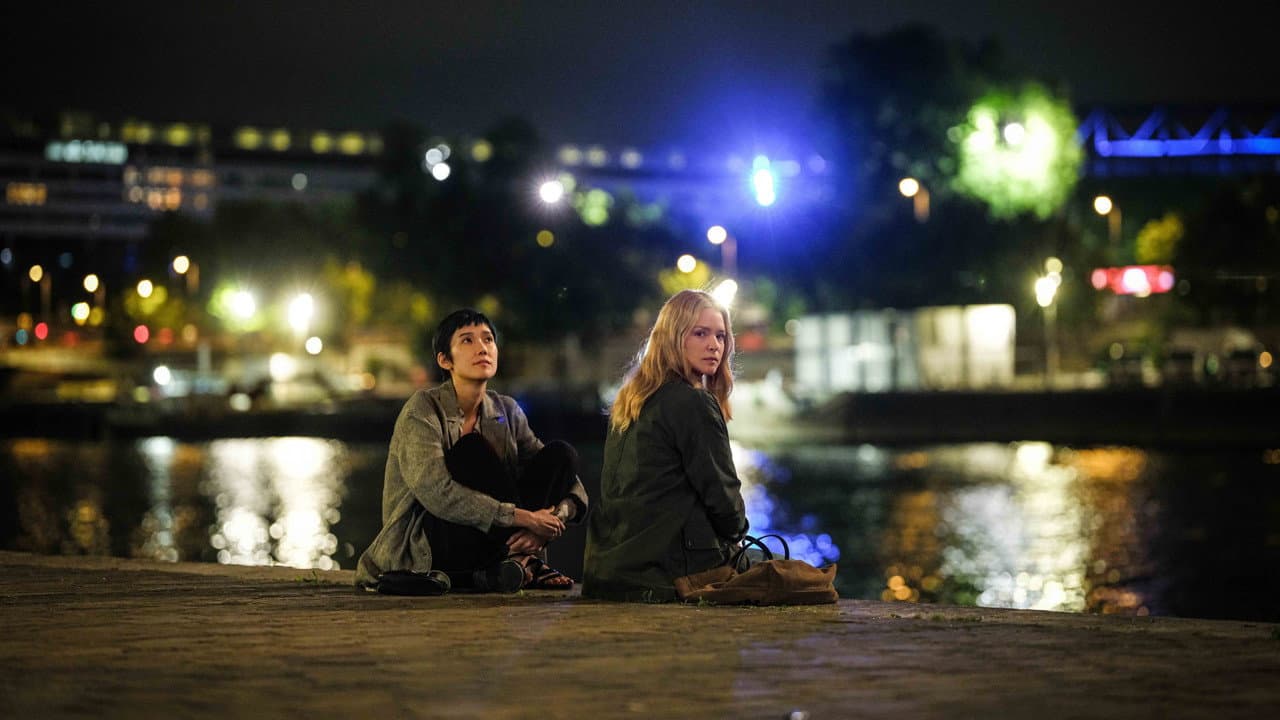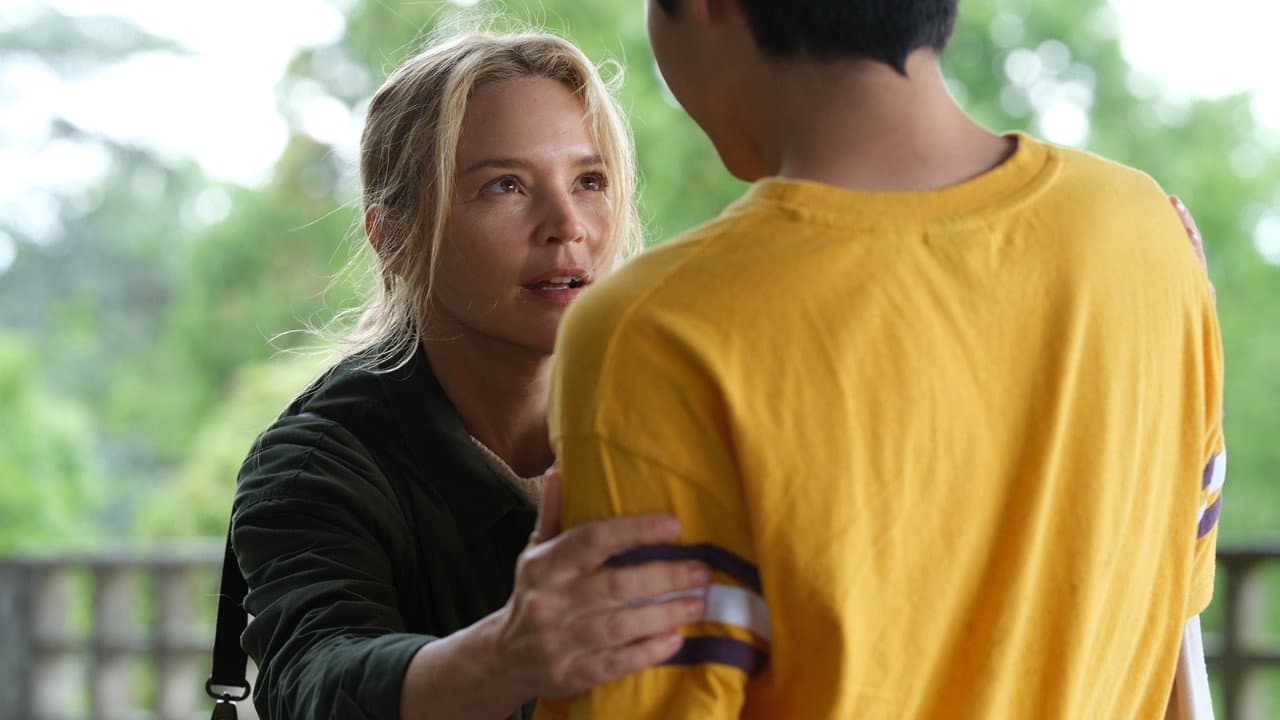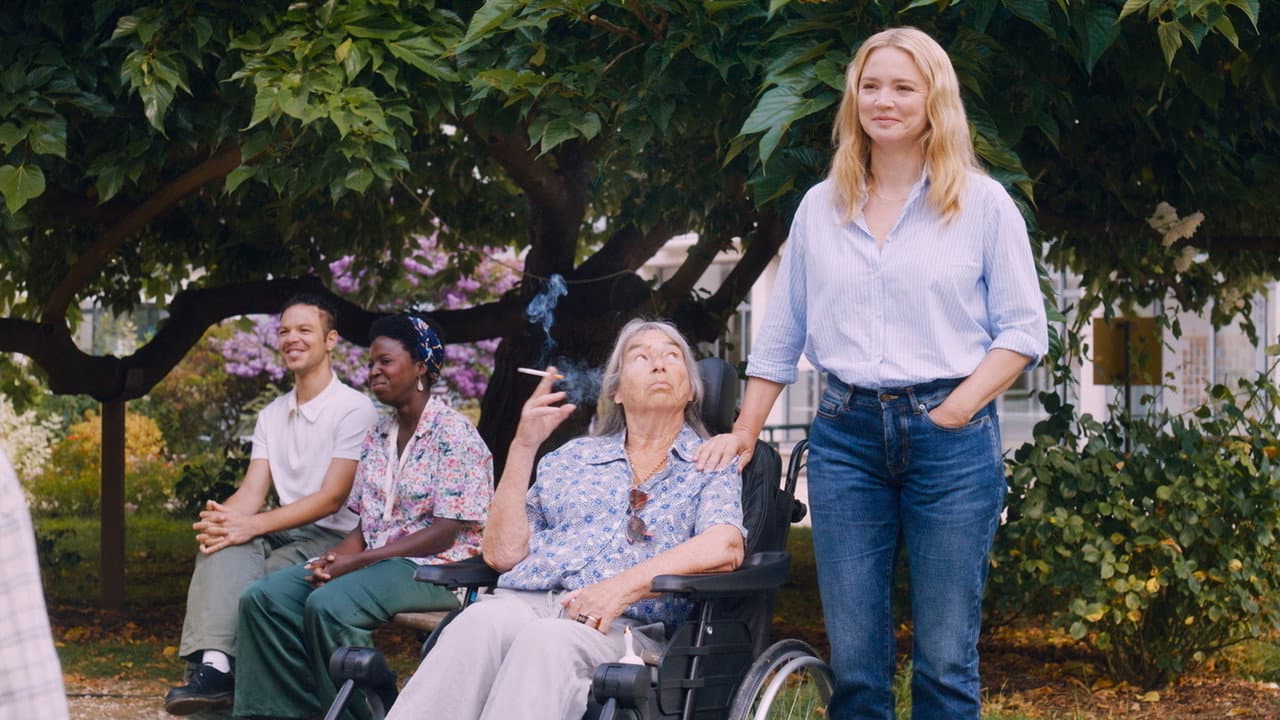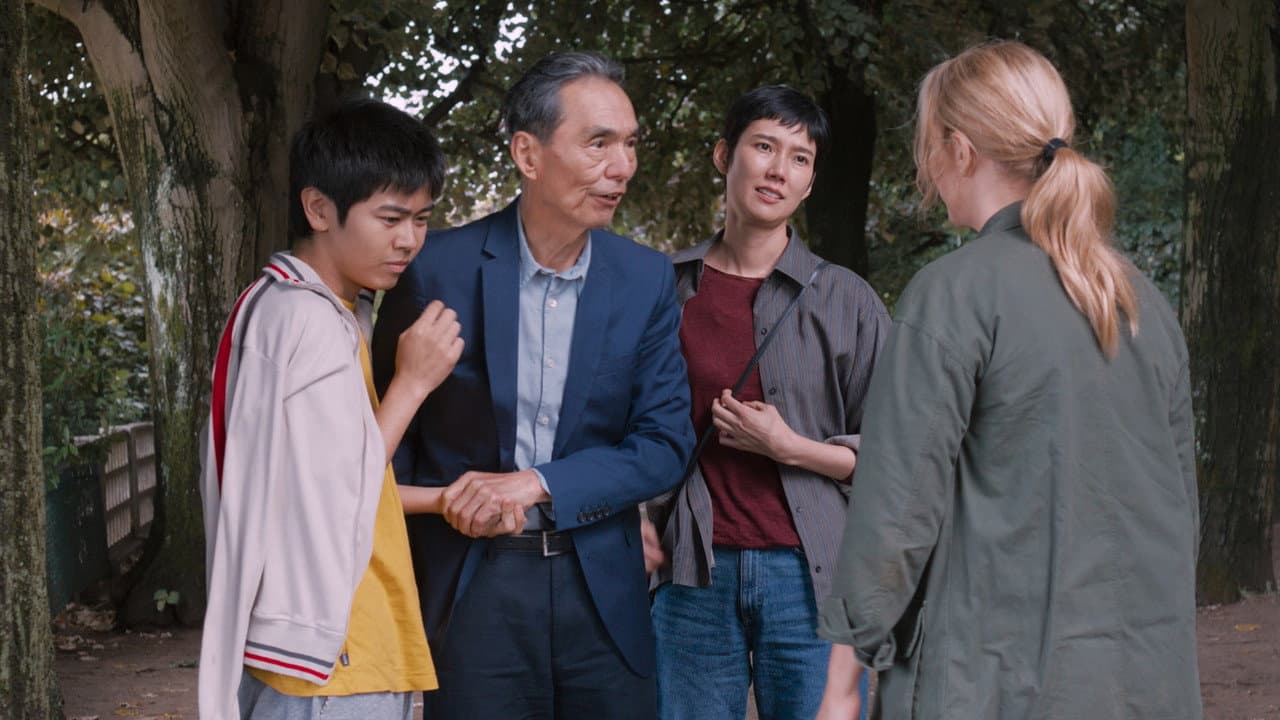
The official awards categories for the 2026 Cannes Film Festival winner All of a Sudden have been finalized, with lead actresses Virginie Efira and Tao Okamoto now formally eligible for consideration in their respective performance races. The announcement, confirmed exclusively to USA Film News, clarifies how the two stars will be positioned within the competitive landscape ahead of the upcoming awards season.
Efira, who portrays nursing home director Marie-Lou Fontaine, will compete in the Best Actress category, while Okamoto - playing the terminally ill Japanese playwright Mari Morisaki - has been submitted in the Best Supporting Actress field. The designation follows intense industry speculation, as both roles share substantial screen time and narrative weight, prompting debate over whether either performer should be classified as a lead. Ultimately, the decision reflects the film’s evolving structure, with Okamoto’s character serving as a catalytic presence whose arc, though pivotal, complements rather than anchors the central storyline.
A Cannes triumph with a complex narrative
Directed by Ryusuke Hamaguchi (Drive My Car), All of a Sudden premiered at the festival this past May, where it captured the Palme d’Or and drew unanimous critical praise. The film, which runs 196 minutes, has earned a remarkable 8.341 rating on TMDb, signaling strong audience reception alongside its critical accolades. Its release is scheduled for June 19, 2026, positioning it as a late-spring theatrical event with sustained awards momentum.
The story centers on Fontaine, who upends the rigid protocols of her Paris-suburb nursing home by adopting the "Humanitude" method - a compassionate care philosophy emphasizing eye contact, touch, and verbal affirmation. Her staff resists the new approach, but Fontaine persists, driven by a belief that institutional efficiency should never override human dignity. Her life shifts unexpectedly when Morisaki, a celebrated playwright facing a terminal diagnosis, is admitted to the facility. The two women form an unlikely bond, and their collaboration transforms the nursing home into a defiant symbol of resistance against a bureaucratic system that prioritizes compliance over care.
Dual performances, distinct challenges
Efira’s portrayal of Fontaine requires a delicate balance of steely determination and quiet vulnerability. The actress, known for her work in Benedetta and Sibyl, reportedly immersed herself in the daily operations of real care facilities to capture the physical and emotional toll of the role. Her performance anchors the film’s moral conflict, as Fontaine confronts both external institutional pressure and internal doubts about whether her methods can truly survive within a broken framework.
Okamoto, a model-turned-actress with credits including Wolverine and Manhunt, delivers what critics have called a career-defining turn as Morisaki. The character’s arc is deceptively quiet - she arrives with little fanfare, yet her presence gradually reshapes the emotional geography of the entire institution. Okamoto’s submission in supporting categories acknowledges the role’s function as a mirror and catalyst for Fontaine’s transformation, rather than a competing protagonist. This positioning also avoids the awkward scenario of two leads from the same film splitting votes in a single category.
Supporting cast deepens the ensemble
The film’s strength extends beyond its two leads. Kyōzō Nagatsuka appears as Goro Kiyomiya, while Kodai Kurosaki plays Tomoki Kubodera, both recurring figures in Hamaguchi’s cinematic universe. French actors Jean-Charles Clichet (Olivier), Marie Bunel (Sophie), Romain Cottard (Damien), and Marie Denarnaud (Laurence) round out the ensemble, representing the nursing home’s skeptical staff and the bureaucratic hurdles Fontaine faces. Their collective resistance - and eventual, grudging conversion - provides the film’s dramatic tension, as Hamaguchi methodically dismantles their objections one by one.
Awards strategy takes shape
With the category submission now locked, the focus shifts to the film’s broader awards campaign. Hamaguchi, who won the Academy Award for Best International Feature Film in 2022, is widely expected to be a frontrunner in the directing race, though the film’s 196-minute runtime could present distribution challenges for some voters. The producers have not yet announced the film’s submission for Best International Feature, though its French-Japanese co-production status leaves that decision open for debate.
Industry insiders suggest that Efira’s Best Actress candidacy will be her most competitive yet, following her previous César nominations. Okamoto’s supporting run is similarly seen as a strong play, given the Academy’s recent preference for transformative, understated performances in international films. The duo’s on-screen chemistry has already been singled out in early reviews as the film’s emotional core, with one critic describing their interactions as "a masterclass in non-verbal storytelling."
As the awards circuit prepares to ramp up in the coming months, All of a Sudden now has a clearly defined strategy: Efira leads, Okamoto supports, and Hamaguchi’s intricate direction speaks for itself. Whether the strategy translates to statues remains to be seen, but the clarity of the submission ensures that neither performance will be lost in the shuffle. The film’s theatrical release next June will give audiences the chance to judge for themselves - and perhaps, like Fontaine’s staff, to resist at first, then be won over.
Source: The Hollywood Reporter