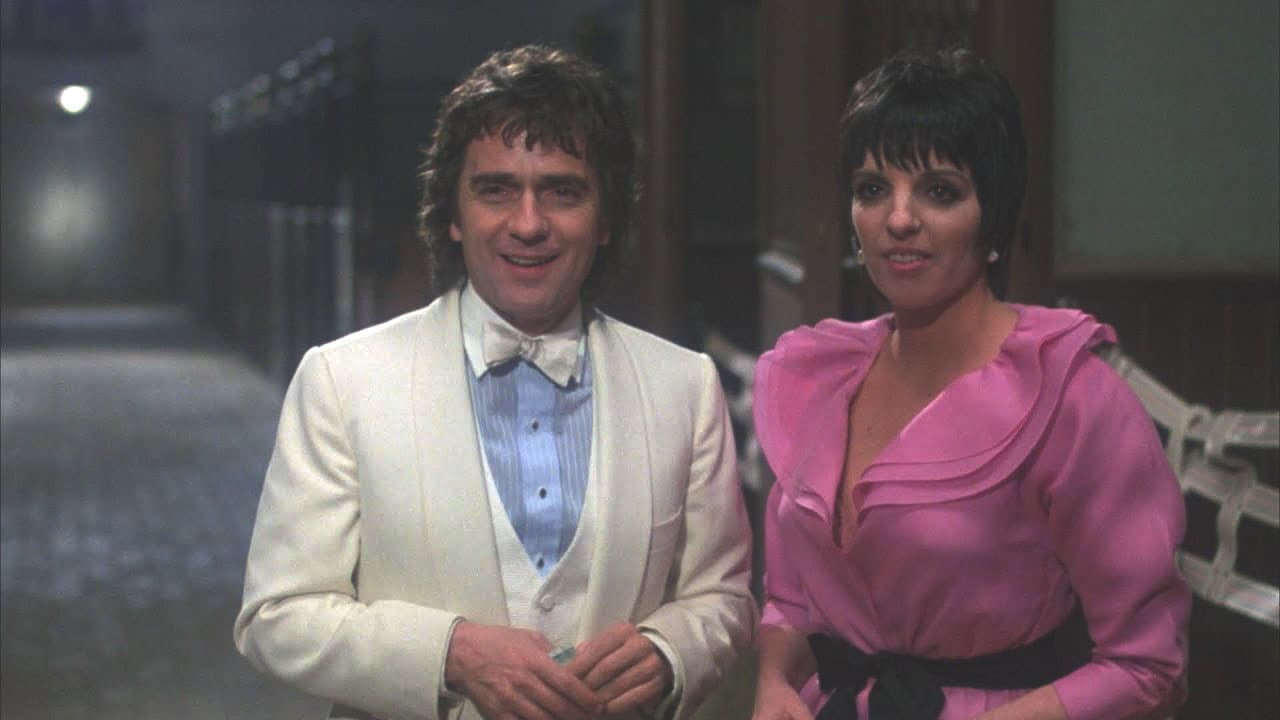
The summer of 1981 offered moviegoers a peculiar, unforgettable hero: a fabulously wealthy, perpetually inebriated man-child named Arthur Bach. This week, as the film celebrates its 45th anniversary, audiences are remembering the comedic alchemy that turned a simple premise into a beloved classic. With only a 97-minute runtime and a premise that could have easily devolved into a one-joke farce, Arthur instead became a defining moment for its star, Dudley Moore, and a bittersweet farewell for its director, Steve Gordon.
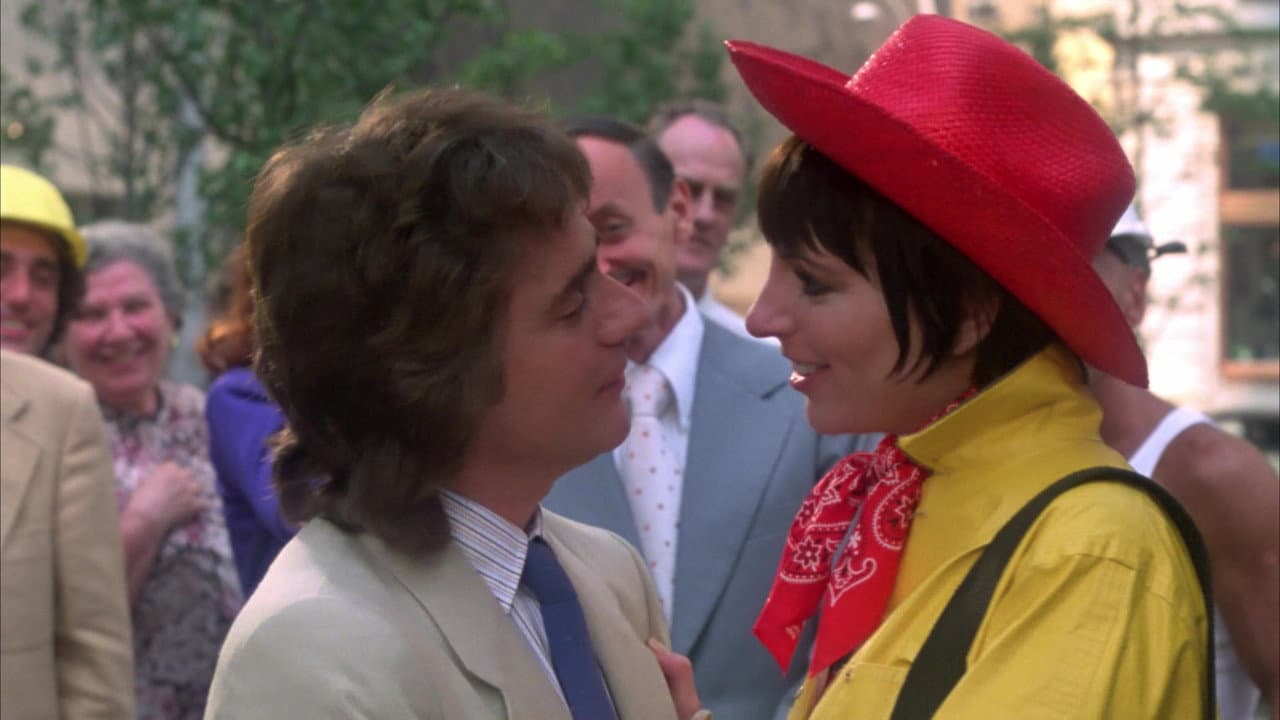
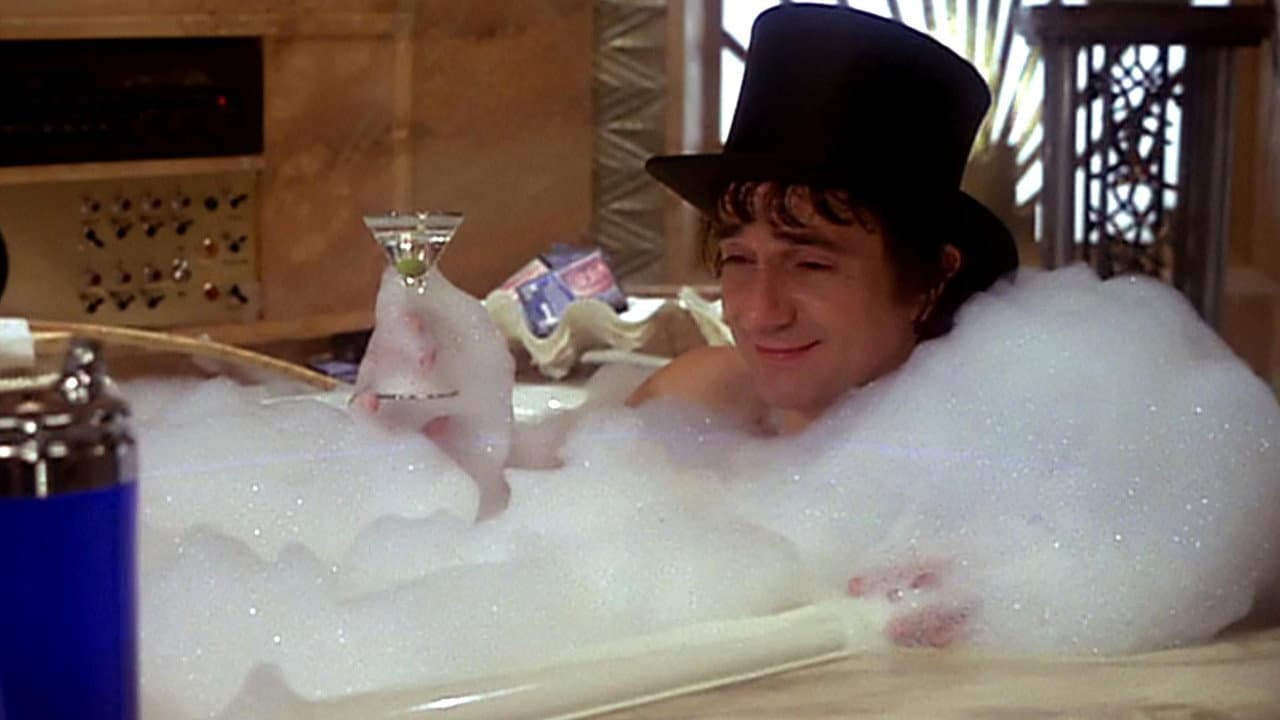
The film presents a delightfully absurd central conflict. Arthur is a 30-year-old who has never truly grown up, a man whose life is a hazy blur of cocktails, chauffeur-driven luxury, and childish whims. His enormous inheritance - a staggering $750 million - hangs in the balance, but only if he agrees to marry Susan Johnson, the woman his formidable mother, Martha Bach, has chosen for him. Arthur's world, however, is turned upside down when he falls for Linda Marolla, a working-class woman from Queens with no interest in his money. This sets the stage for a classic romantic dilemma: choose the fortune and a loveless marriage, or lose everything for a chance at genuine happiness.
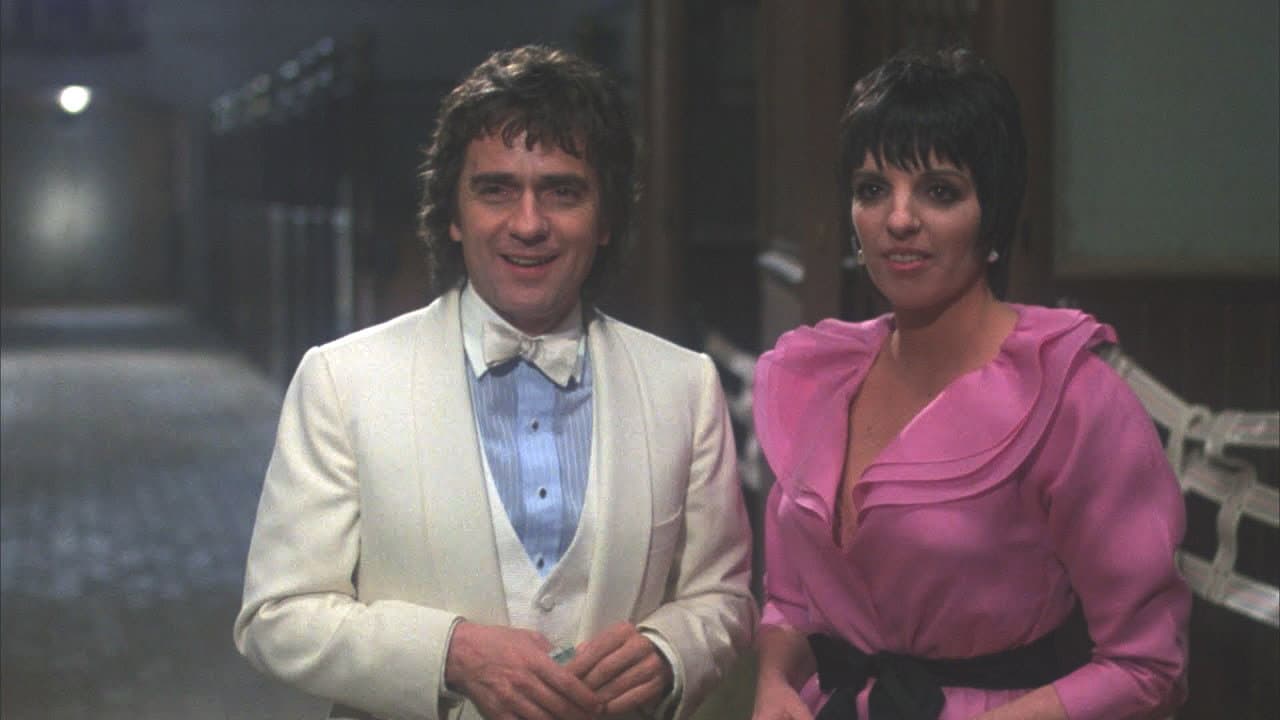
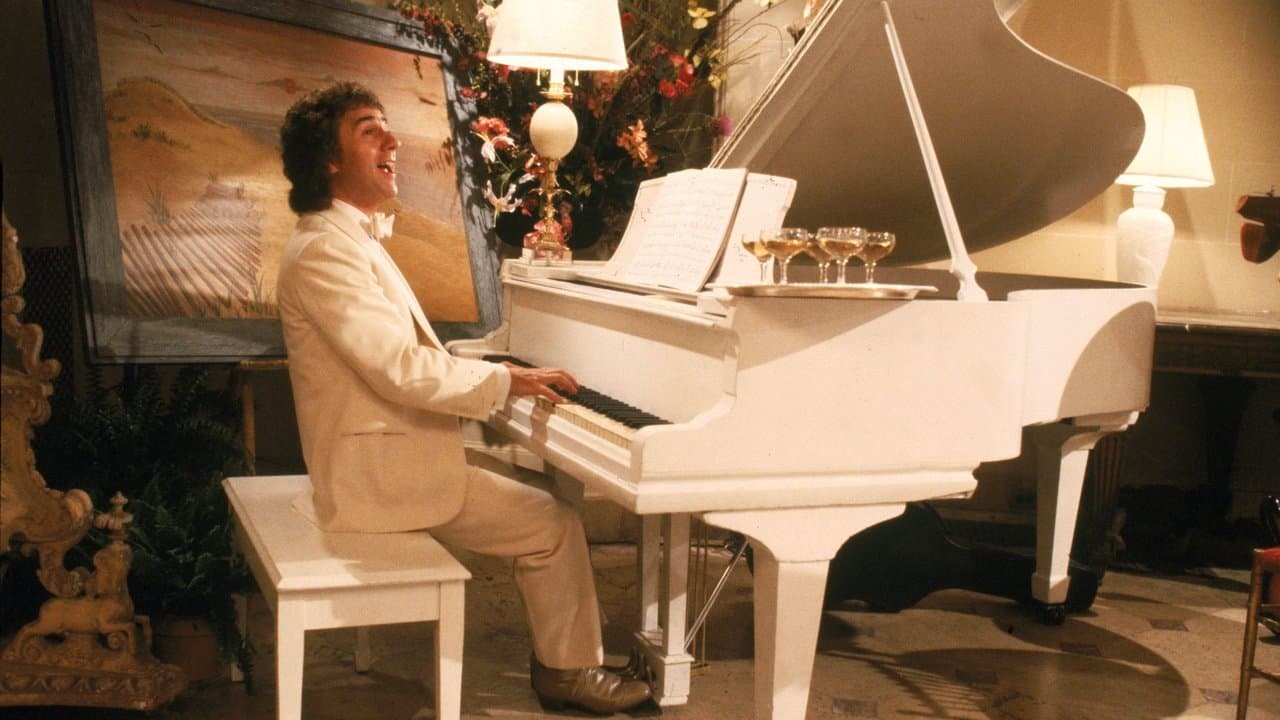
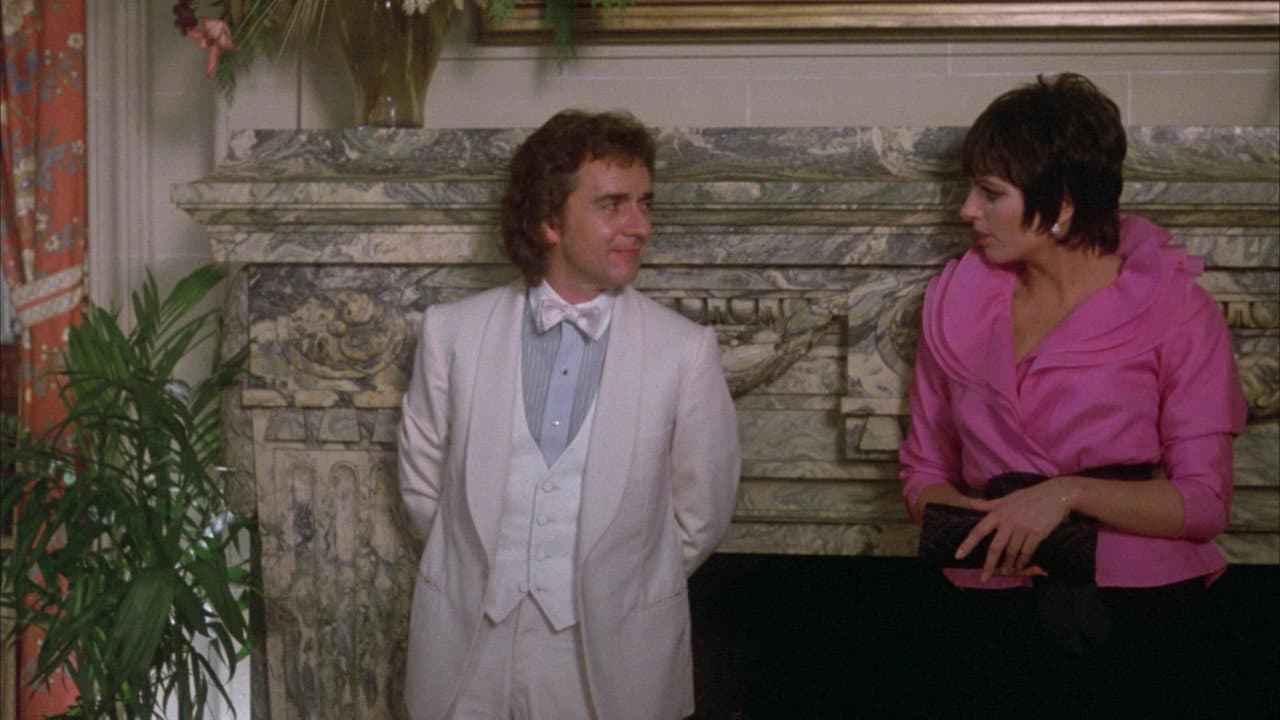
At its core, the movie succeeds because of its impeccable casting. Moore delivers a career-best performance as Arthur, making him simultaneously exasperating and utterly endearing. He imbues the character with a childlike innocence that makes his constant intoxication seem less like a vice and more like a shield against the cold expectations of his family. Opposite him, Liza Minnelli brings a vibrant, earthy energy to Linda, serving as the perfect grounded counterpoint to Arthur’s chaotic existence. Yet, the film’s true secret weapon is John Gielgud as Hobson, Arthur’s sarcastic, impeccably mannered butler. Gielgud’s deadpan wit and weary disapproval of his employer’s antics provide some of the film's sharpest, most memorable moments, earning him an Academy Award for Best Supporting Actor.
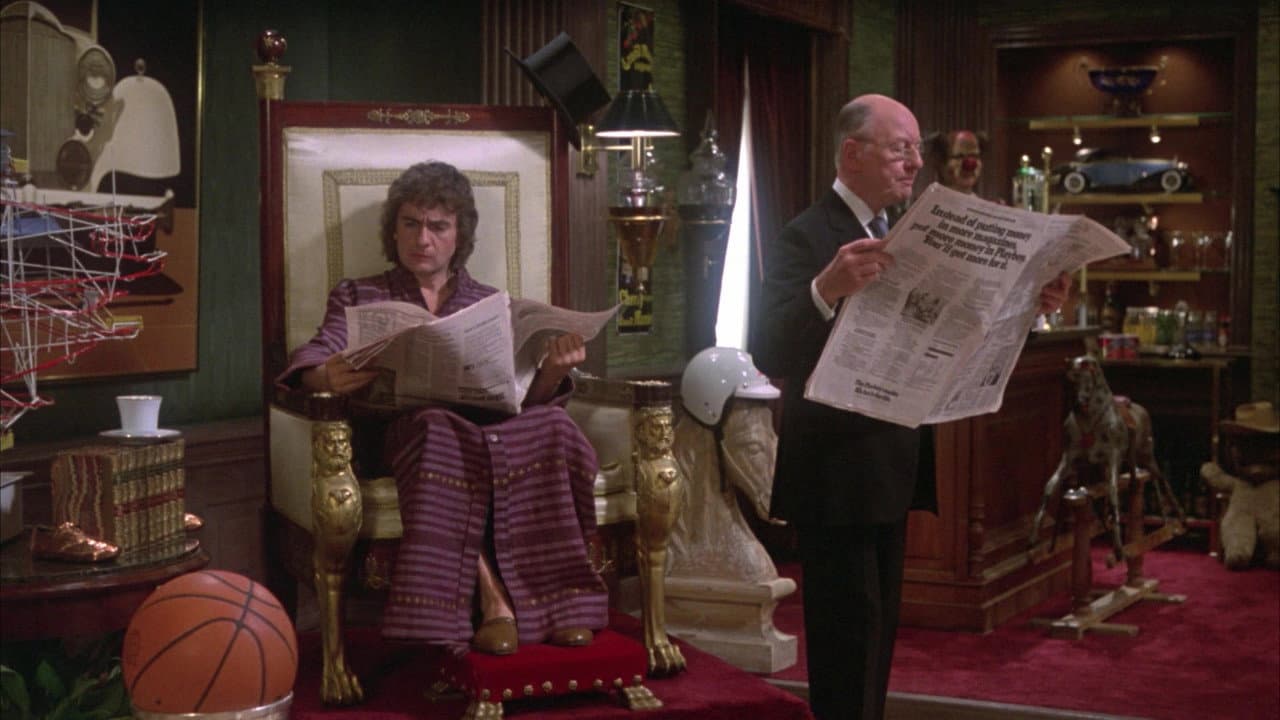
While the romance between Arthur and Linda is the narrative engine, the film's enduring heart lies in the relationship between Arthur and Hobson. Their dynamic transcends the typical master-servant trope, revealing a deep, unspoken affection beneath the layers of insults and drunken banter. When Hobson falls ill, the film takes a surprisingly poignant turn, forcing Arthur to confront his own immaturity and the fragile nature of his world. This dramatic undercurrent elevates Arthur from a simple comedy into a touching story about love, loyalty, and the courage to define one's own life. The film’s supporting cast, including Geraldine Fitzgerald as the domineering matriarch and Jill Eikenberry as the scorned fiancée Susan, adds further depth to the titular character's gilded cage.
Tragically, director Steve Gordon did not live to see his film become the phenomenon it did. He passed away shortly after its release, leaving behind only this single directorial credit. Yet, Arthur stands as a powerful testament to his vision, a film that balanced laugh-out-loud humor with a genuine, tender spirit. It remains a staple of the comedy genre, a story that resonates because it is ultimately about a man who chooses love and personal freedom over immense wealth. This timeless theme, combined with Moore's iconic performance and the film's quotable dialogue, has secured its legacy in Hollywood history. For many, Arthur Bach remains the definitive screen drunk - a character so charming and vulnerable in his flaws that audiences could not help but root for him.
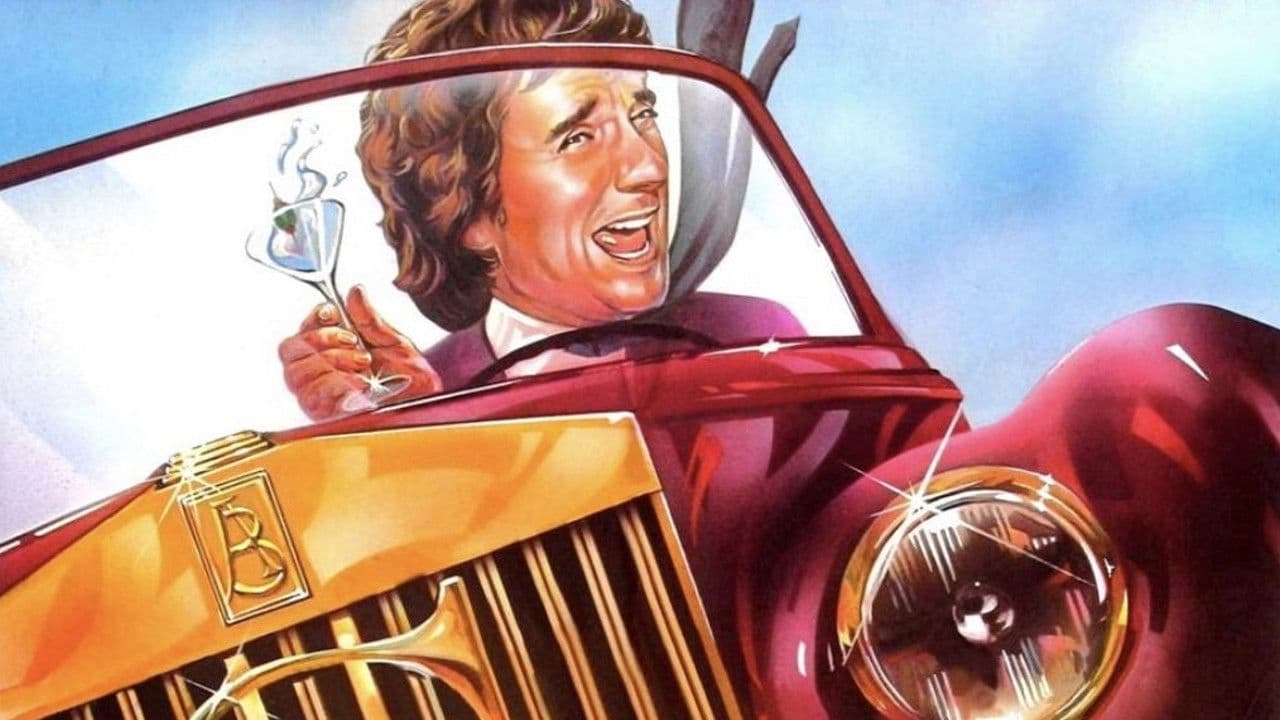
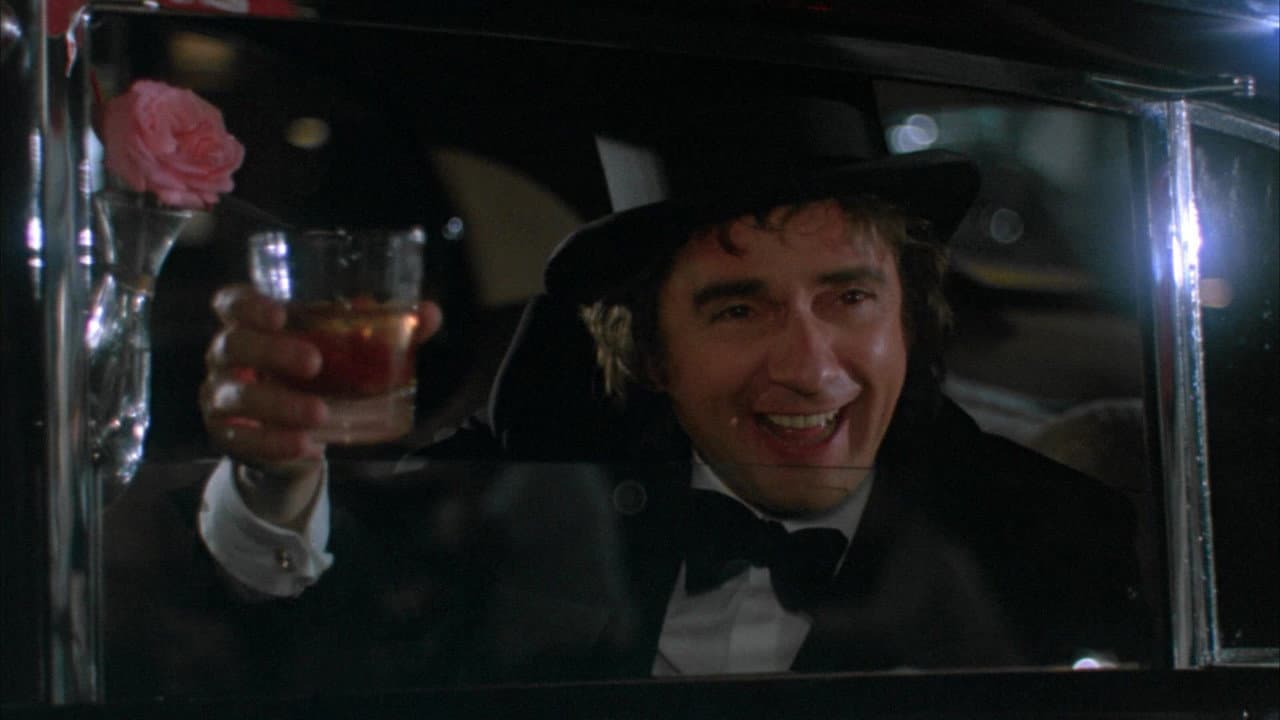
The film's influence is also visible in its cultural footprint. The theme song, "Arthur's Theme (Best That You Can Do)," performed by Christopher Cross, became a massive hit and won the Academy Award for Best Original Song, capturing the film’s wistful and hopeful mood. The image of Moore in his top hat and tails, clutching a bottle of scotch, is now an indelible part of cinema iconography. Though the film holds a respectable TMDb rating of 6.511/10, its true value to audiences has always been more personal than critical, often cited as one of the greatest romantic comedies ever made.
As we look back forty-five years later, Arthur serves as a reminder of a certain era of filmmaking where character quirks and sharp dialogue were the main draw. It did not rely on massive special effects or complex plots, but on the simple, winning combination of a brilliant cast and a well-told story. The movie invites audiences into a world of absurd wealth, only to suggest that the real treasure is finding someone who loves you for who you are, even when that someone is an irresponsible, perpetually tipsy heir. It is a message that, much like a fine vintage, only gets better with age.
Source: The Hollywood Reporter