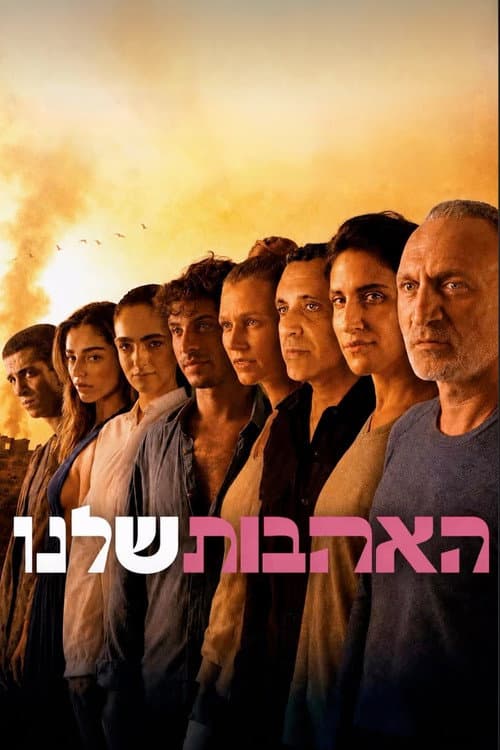
Veteran Israeli filmmaker Avi Nesher is returning to the big screen with a deeply personal and politically charged project, "Our Loves," a war drama set against the harrowing backdrop of the Hamas attack on Israel. The film, which is scheduled to premiere in theaters on September 3, 2026, marks a significant departure for the director, blending his signature narrative style with the raw, unvarnished reality of a national tragedy.
The film, with a runtime of 117 minutes, is based on true events and centers on a tapestry of seven distinct characters whose lives are unknowingly bound to intersect. According to the film's official synopsis, each protagonist finds themselves trapped in a failing relationship, undone by a mix of tragic and comedic circumstances. This shared misery leads them to a grim, collective conclusion: that October 6th, the day their love died, was the worst day of their lives. The cruel irony, of course, is that October 7th - the day of the surprise assault - would redefine their understanding of hardship entirely.
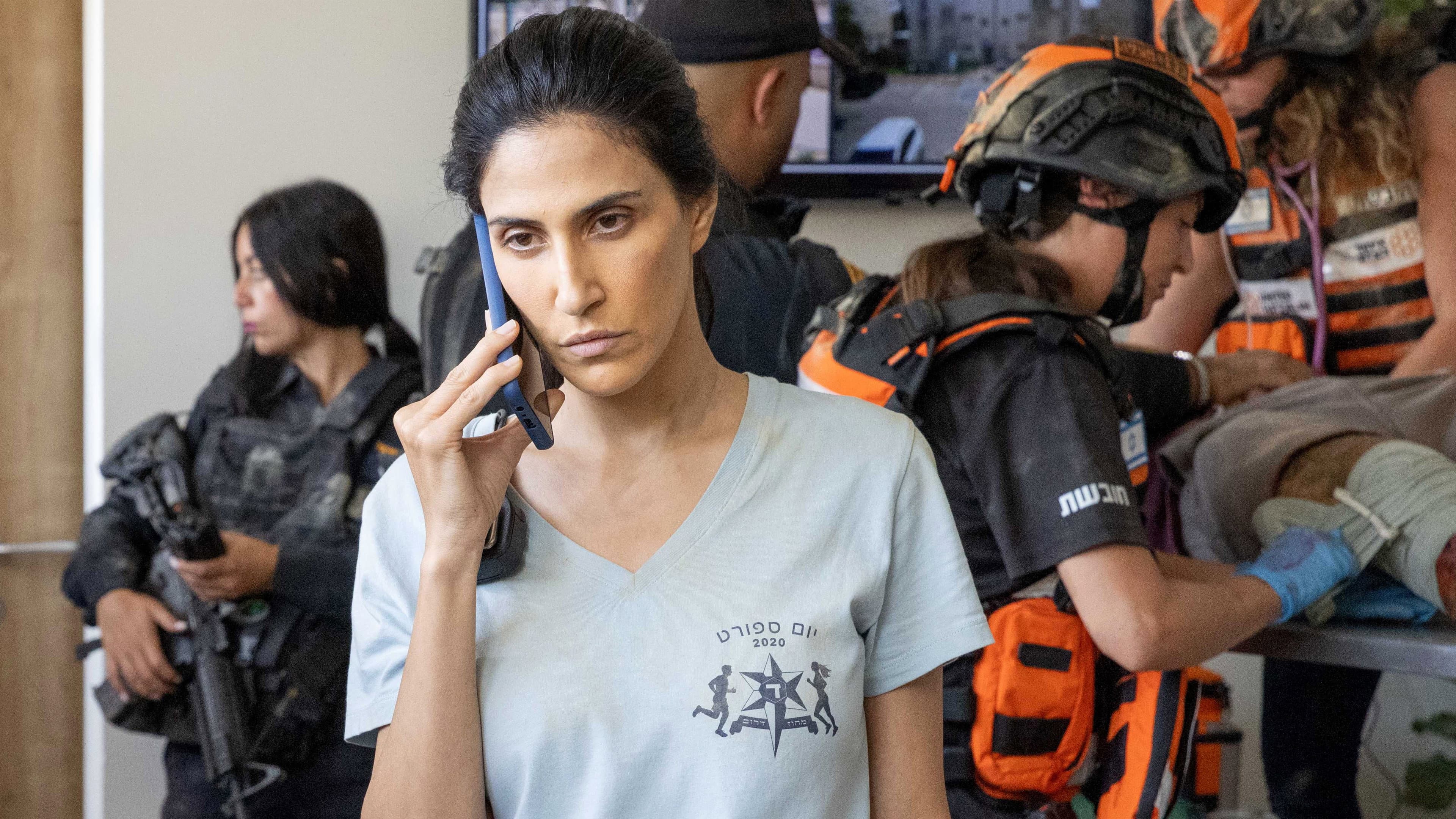
In the midst of the sudden violence, these individuals are thrust into a desperate struggle for survival. The film’s core narrative thrust is to explore how this existential crisis forces them to reevaluate their priorities, confront the true meaning of their lives, and consider what fundamental changes are necessary. The ensemble cast features a roster of prominent Israeli talent, including Shalom Michaelshvili, Magi Azarzar, Yaniv Biton, Lena Fraifeld, Evelin Hagoel, Hadas Yaron, דניאל גימפל, and Noa Cohen.
While the film's premise is rooted in the specific events of October 7, its release arrives amid a fiercely contentious international climate regarding Israeli art. Nesher, a director known for his outspoken views, has addressed the increasing calls for boycotts against Israeli cultural exports. He frames the film as an essential human story, one that transcends the political battlefield to focus on the individual experiences of those caught in the crossfire. For Nesher, telling this story is not merely an act of documentation but a necessary exploration of the emotional wreckage left in the wake of the attack.
The director’s commentary extends to the political leadership of his country. Nesher has been vocal in his criticism of Prime Minister Benjamin Netanyahu, and he weaves this perspective into the broader conversation surrounding the film. He suggests that the film’s narrative is not just about the external enemy but also about the internal failures and societal fractures that existed before the attack. This dual-front examination - of both the external threat and the domestic malaise - adds a layer of complexity that Nerther intends to provoke thought rather than offer simple answers.
The question of boycotts is a particularly thorny issue for Nesher. He sees the international pressure on Israeli artists as a double-edged sword. On one hand, he understands the moral outrage that fuels such movements. On the other, he argues, silencing artists does not contribute to peace or understanding; it merely removes the nuanced, humanizing stories from the global discourse. He posits that narratives like "Our Loves" are crucial precisely because they complicate the black-and-white portrayals often seen in media coverage.
The production of the film itself has been a journey. Nesher has described the challenge of balancing the film's tragic subject matter with the moments of dark comedy that arise from the characters' pre-attack relationship woes. This tonal tightrope walk is intended to mirror the absurdity of everyday life being violently interrupted by history. The shift from petty personal grievances to a collective fight for existence is the engine that drives the film’s emotional arc, aiming to show how perspective is violently recalibrated in a crisis.
Set for its theatrical debut in just under two weeks, "Our Loves" is poised to be one of the most talked-about Israeli films of the year. With an early TMDb rating of 0/10, the film has yet to be subjected to critical consensus, but the anticipation is palpable. The movie promises to be a stark, unflinching look at a day that changed everything, told through the intimate lens of individual lives.
While the future of the film in international markets remains uncertain given the boycott calls, Nesher remains committed to the universality of his story. He believes that the themes of love, loss, and the struggle for redemption are not exclusive to any one nation. By grounding the narrative in the specific, painful reality of October 7, he hopes to create a work that resonates on a profoundly human level. "Our Loves" therefore stands as both a specific eulogy for a lost era and a broader meditation on how people find the strength to carry on when their world is torn apart.
Source: Variety