Kane Parsons has spent the better part of three years explaining how he turned a corner of the internet into a feature film. Now, with Backrooms having opened in theaters on May 27, the 20-year-old filmmaker is confronting a different kind of question - one he seems to have been bracing for since the first teaser dropped.
In a new interview reflecting on the marketing campaign that preceded the film's release, Parsons described the debut trailer as the moment the project's fate was sealed. "It activated a desire to see," he said of the early footage, which leaned heavily on the liminal dread that made his original short a viral sensation. But that enthusiasm, he suggested, was followed by a familiar Hollywood pattern: the slow, steady erosion of mystery in favor of explaining everything.
Parsons has been careful not to bite the hand that financed his first studio feature. But his frustration is audible when he describes watching the rollout of subsequent spots, which he felt gave away too much of the film's central visual grammar. "How did Hollywood mess this up?" he asked, framing the question less as an accusation than as a genuine bewilderment about an industry that recognizes originality and then reflexively sands it down.
A Feature Built From a Web Phenomenon
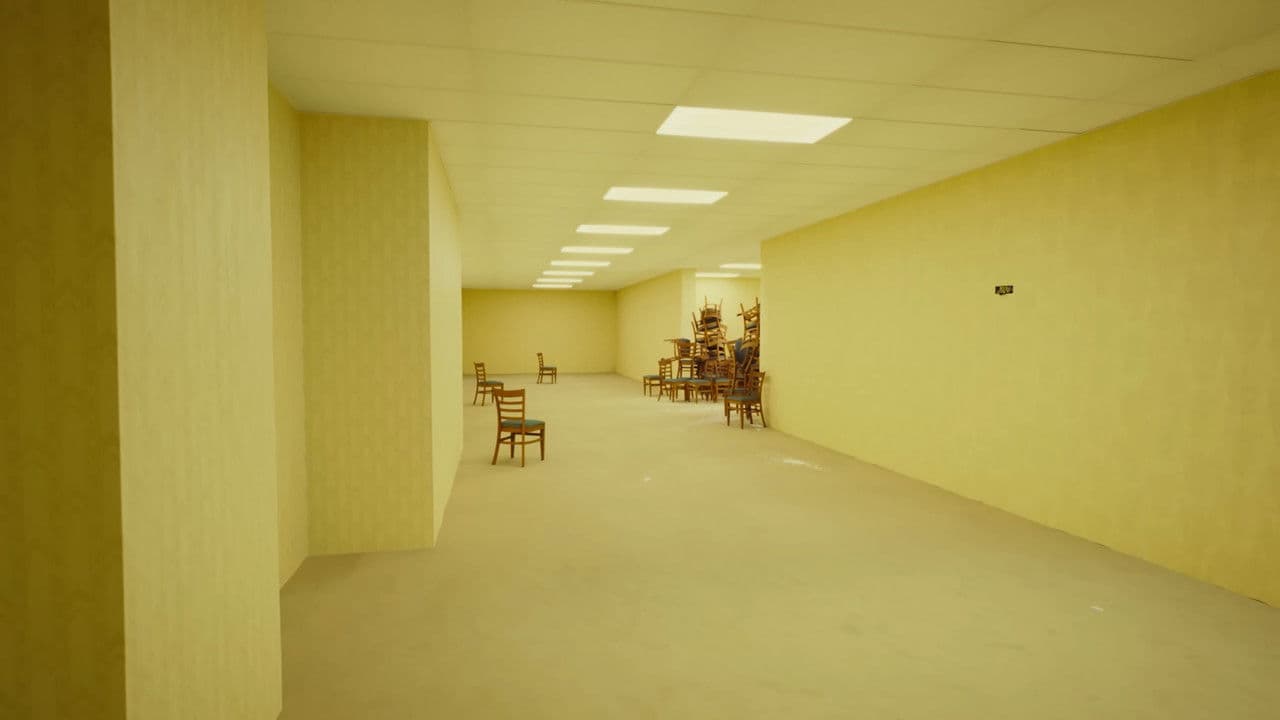
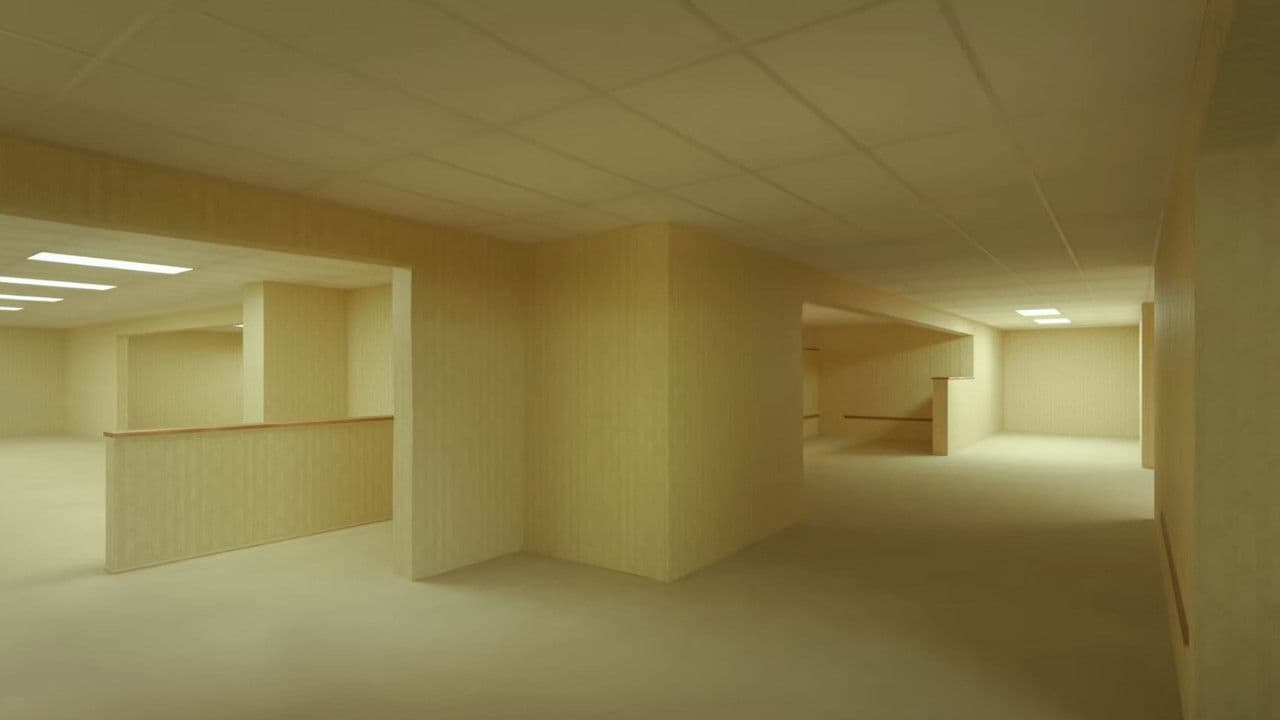
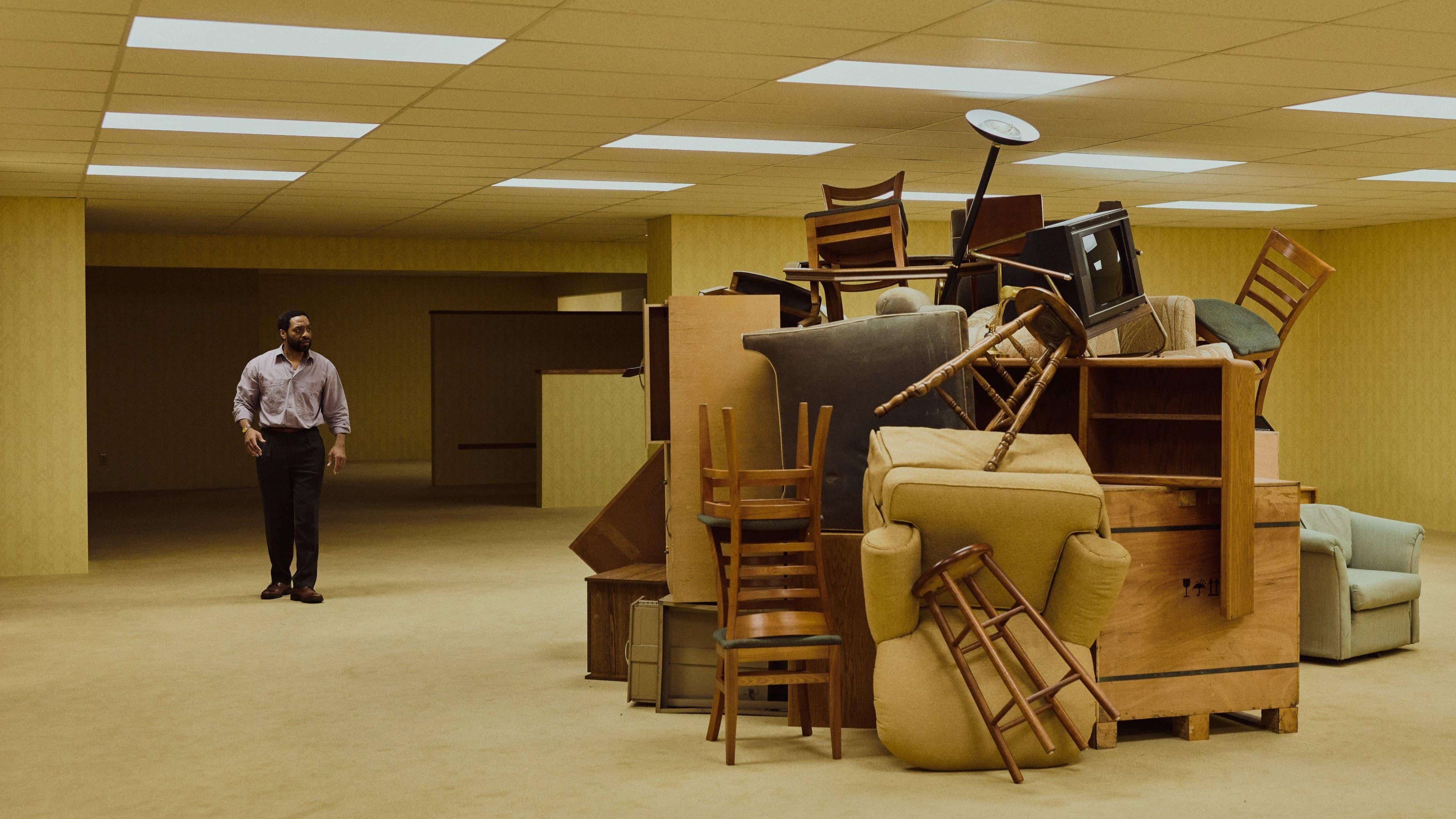
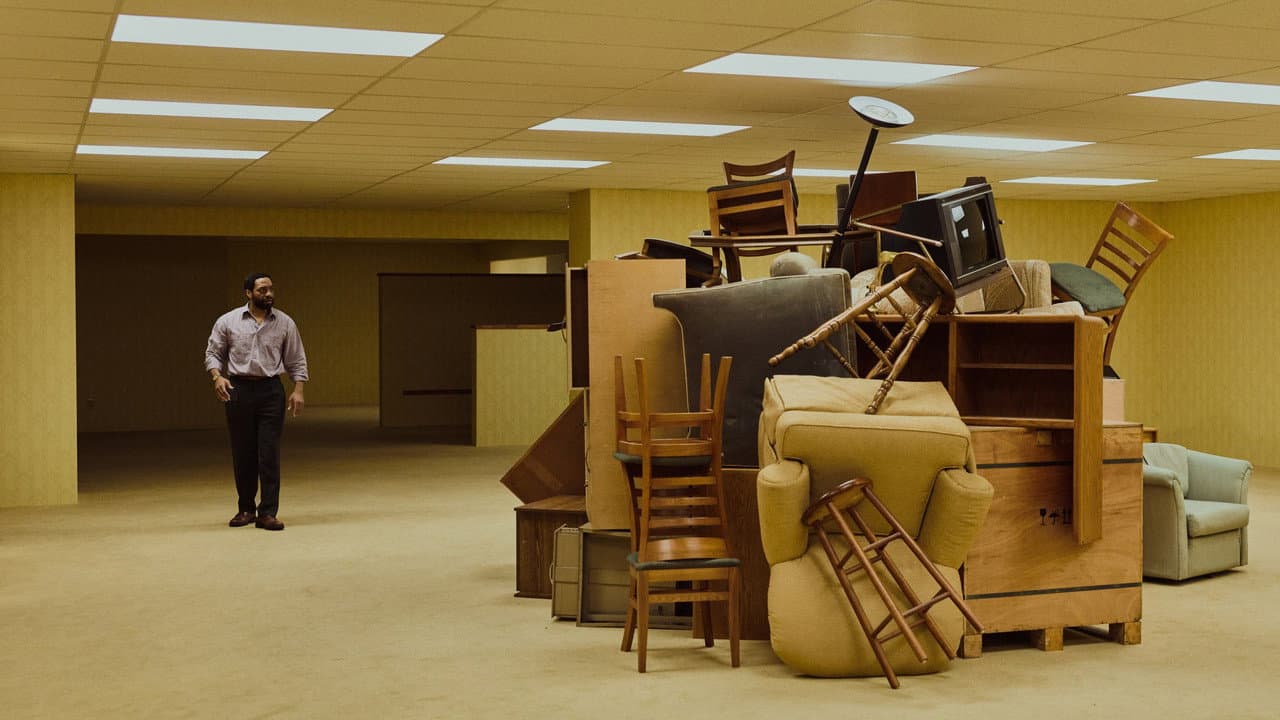
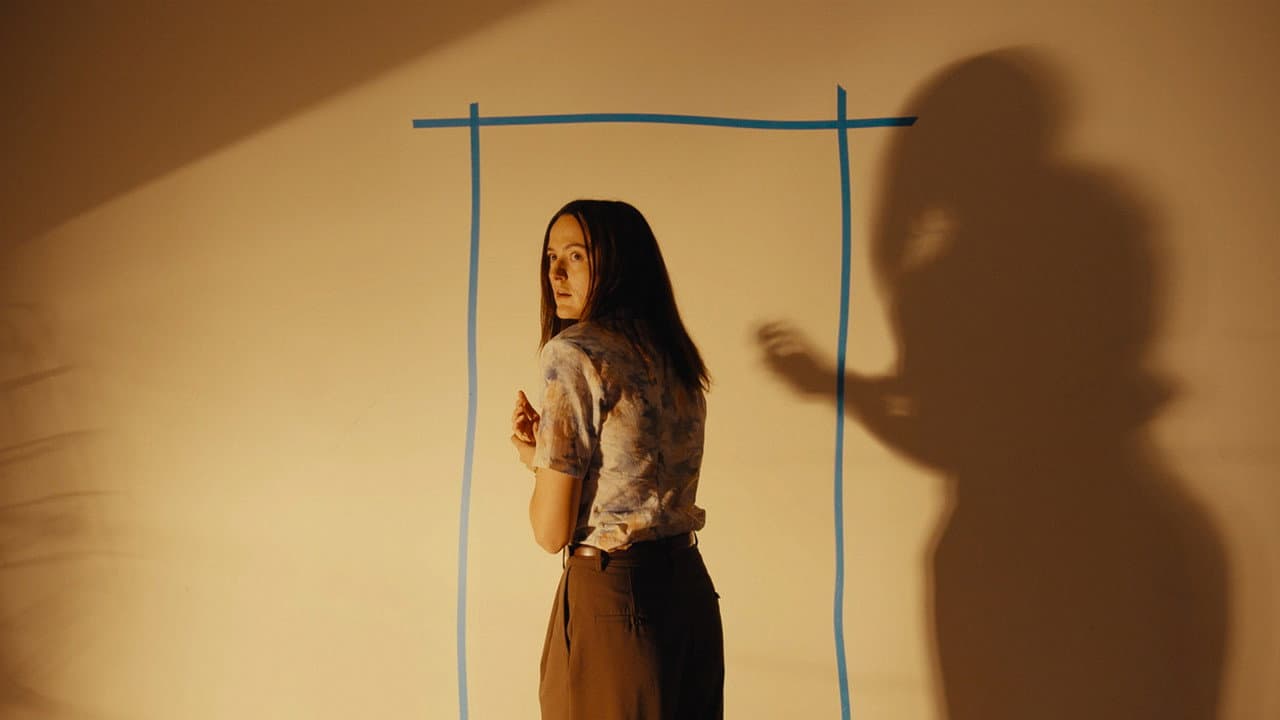
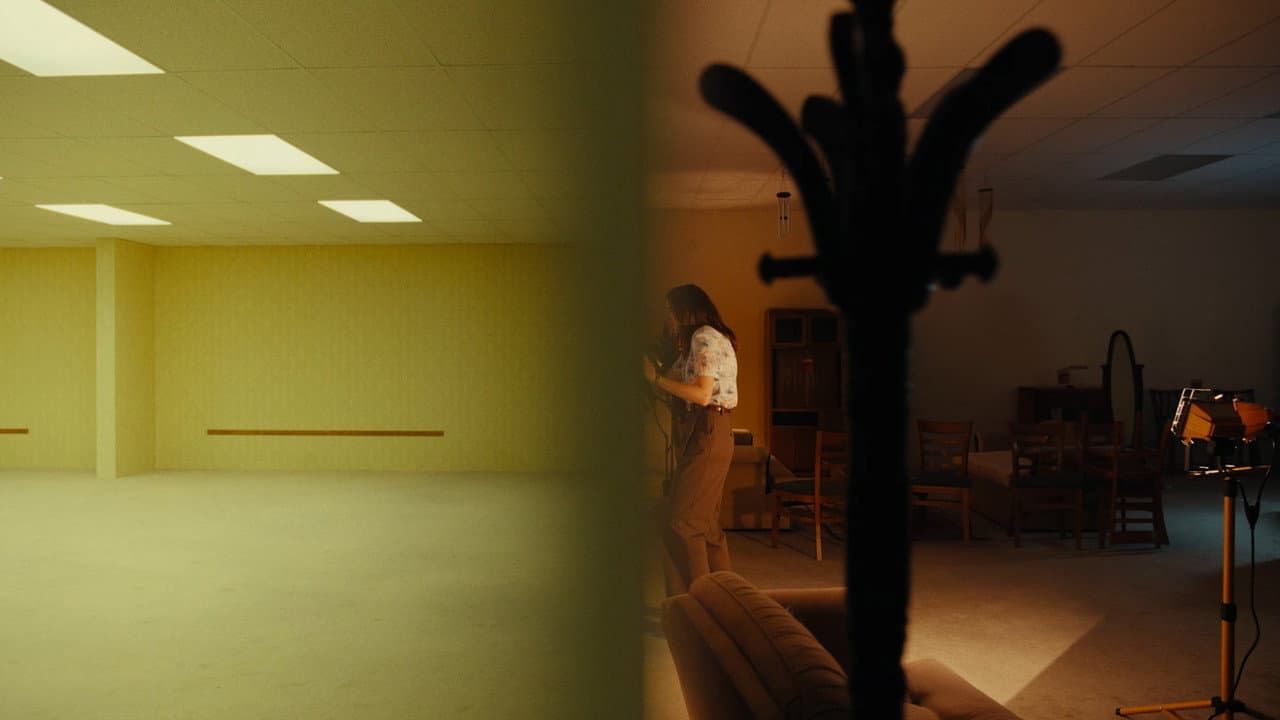
Backrooms began as a series of found-footage shorts Parsons posted online as a teenager, depicting an endless maze of yellow-walled rooms accessible through glitches in reality. The feature expands that premise in a more contained direction: a strange doorway appears in the basement of a furniture showroom, pulling its characters into a space that operates on rules no one fully understands.
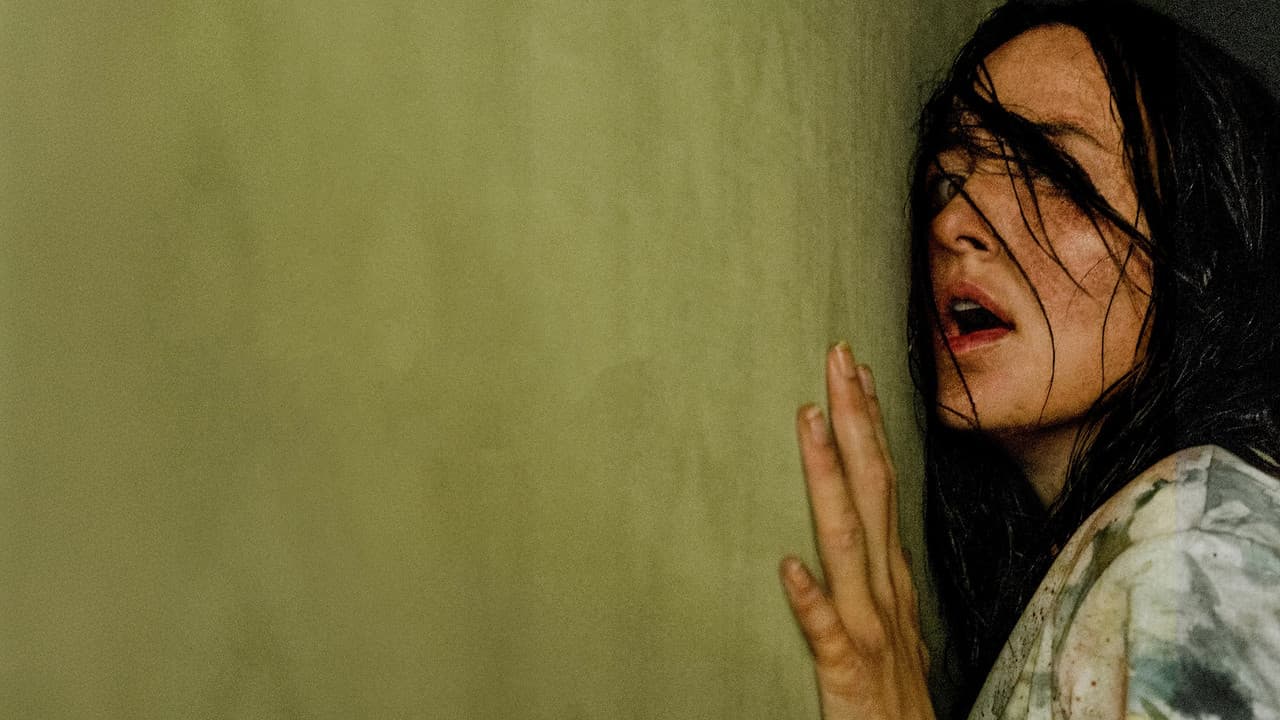
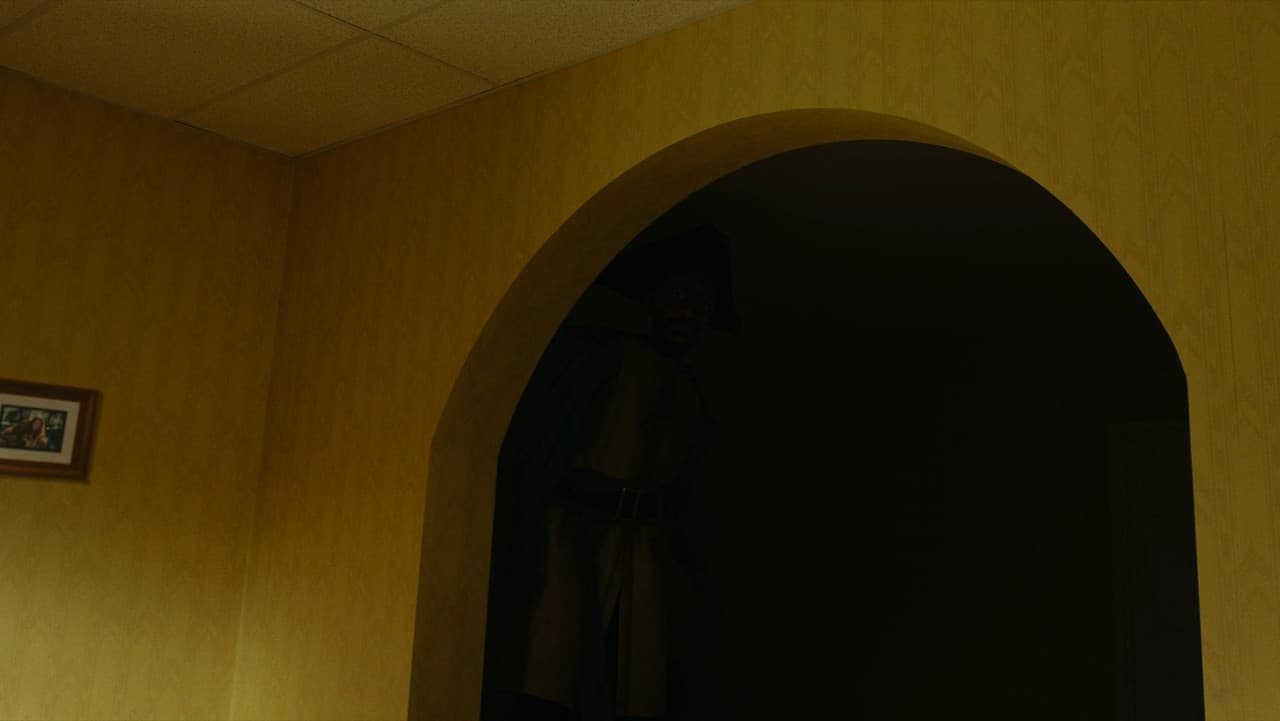
Parsons directs from his own screenplay, and the cast reflects a deliberate mix of prestige and fresh faces. Chiwetel Ejiofor leads as Clark, with Renate Reinsve as Mary, Finn Bennett as Bobby, and Lukita Maxwell as Kat. Mark Duplass appears as Phil, Avan Jogia as Naren Warne, and Robert Bobroczkyi as a figure listed in the credits as Pirate Clark. Ember Ambrose plays a younger version of Mary, suggesting the film's timeline folds back on itself in ways the marketing flirted with but never fully spelled out.
At 111 minutes, the film is a substantial expansion of the short-form material, and it carries a TMDb rating of 7.032 - solid, if not ecstatic, for a horror release trading on a very specific kind of online nostalgia. The genres attached to the project - horror, mystery, and science fiction - hint at the tonal balancing act Parsons attempted, one that critics have noted is more interested in atmosphere than in conventional scares.
The Tension Between Mystery and Marketing
Parsons' comments touch on a well-worn complaint among genre filmmakers: that trailers increasingly function as condensed versions of the film rather than invitations to it. In the case of Backrooms, the material presents a particular challenge. The entire appeal of the original shorts lies in what isn't shown - the disorientation, the emptiness, the sense that the space itself is hostile in ways that defy explanation.
Once a studio commits to a wide release, however, the machinery of promotion tends to favor clarity over ambiguity. Parsons seems to understand this intellectually even as he chafes against it. His remarks suggest a filmmaker caught between gratitude for the platform he's been given and frustration at what he sees as a misreading of why audiences gravitated to his work in the first place.
That tension may have shaped the film itself. Backrooms is not a straightforward adaptation of the shorts; it's a reimagining that introduces named characters and a clearer narrative spine. Whether that was Parsons' choice from the start or a result of studio notes is unclear, but his retrospective comments imply a negotiation between his instincts and the demands of a Hollywood release.
The film's performance and reception will ultimately determine how much latitude Parsons gets on his next project. For now, he remains one of the more intriguing young directors to emerge from internet-native filmmaking, and Backrooms stands as a test case for whether that sensibility can survive translation to the studio system - or whether, as Parsons himself seems to wonder, something essential gets lost along the way.
Source: The Hollywood Reporter