ROME - In a world where music itself has become an act of defiance, a new Italian-language drama asks what remains when art is silenced and home is no longer an option. Balcanica, directed by Nicola Sorcinelli, received its exclusive Venice trailer debut this week, offering a first look at an 81-minute journey that follows a father and son fleeing Afghanistan’s Taliban-imposed ban on music.
The film centers on Jalil, an orchestra conductor played by Babak Karimi, and his teenage son Nazar, a tuba player portrayed by Ivar Wafaei. With instruments confiscated and performances outlawed, the pair make a harrowing choice: leave everything behind and traverse the Balkan route toward an uncertain future in Europe. Their trek, described as seemingly endless in the film’s official synopsis, becomes a pilgrimage through checkpoints, borderlands, and emotional wreckage - a road where every mile further from home also distances them from the identity they once carried.
What complicates their flight is an unexpected crossroads. Along the way, Jalil and Nazar encounter Greta, an Italian doctor played by Matilda De Angelis. The meeting is not incidental; the synopsis stresses that this encounter “will change the two refugees’ lives and that of the young woman as well,” hinting at a reciprocal transformation rather than a simple rescue narrative. Greta, a physician, brings a clinical eye to wounds both visible and hidden, but she too finds herself altered by the pair’s resilience and grief. Giovanni Toscano rounds out the principal cast as Edoardo, though his role remains under wraps in the trailer’s brief glimpses.
A Conductor’s Silence, a Son’s Echo
Sorcinelli, whose previous work has often probed identity and displacement, appears to be crafting a chamber piece about inheritance under duress. Jalil’s baton has been rendered useless, yet his son’s tuba - bulky, impossible to hide, absurdly out of place on a refugee trail - serves as a symbol of stubborn cultural memory. The trailer reportedly opens on a rehearsal hall in Kabul, strings and brass swelling, before cutting to empty stands and a bonfire of sheet music. That visual language, from light to ash, frames the film’s central tension: how do artists mourn a vocation when the state has declared it criminal?
The Balkan corridor itself is treated almost as a character. Recent years have seen thousands of Afghans attempt this northern route, facing pushbacks, freezing winters, and shifting border policies across Serbia, Bosnia, and Croatia. Balcanica does not romanticize the geography; instead, the trailer suggests a limbo of crowded train stations, rain-soaked tents, and the perpetual question of who gets to cross and who gets turned away.
De Angelis Anchors a Dual Narrative
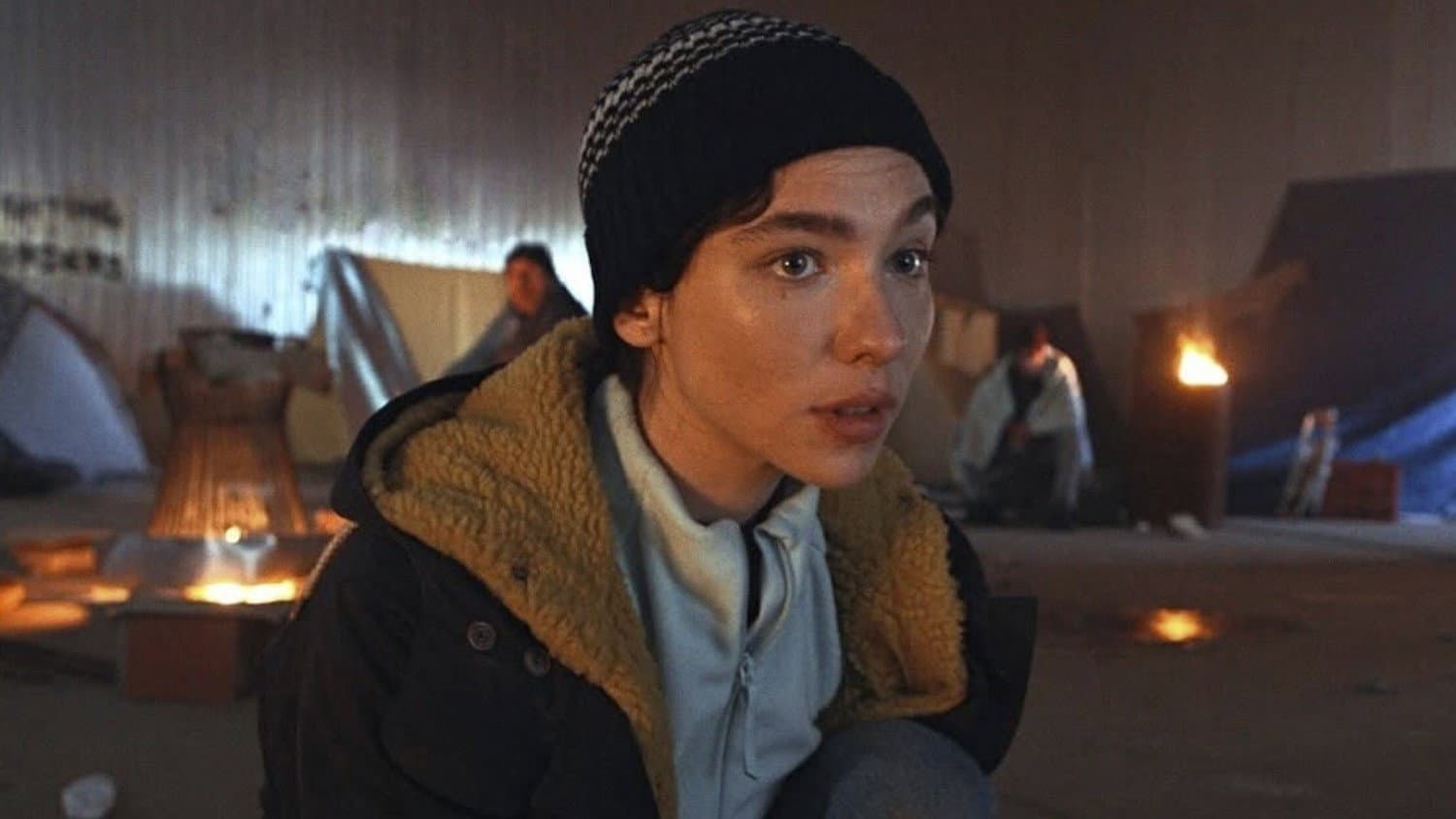
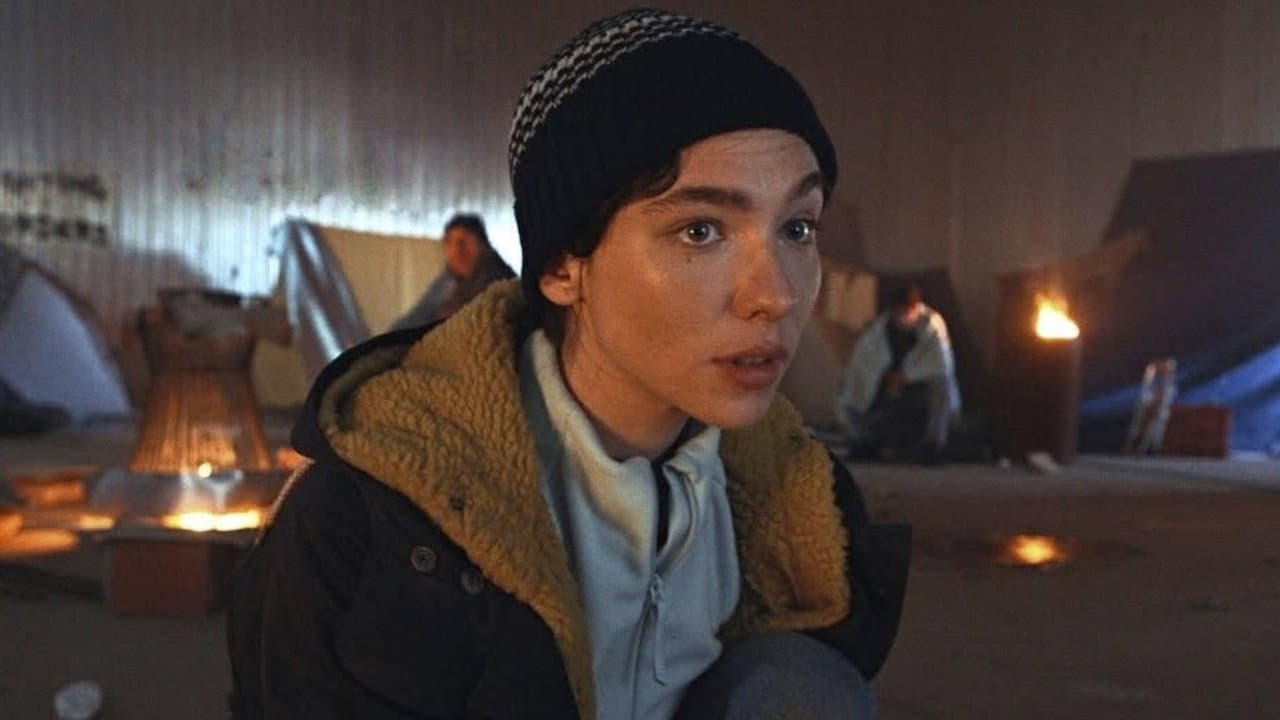
For De Angelis, best known to international audiences from The Undoing and Dampyr, Greta represents a departure from glamorous roles. The actress appears weathered here - unwashed hair, practical coat, a gaze that has seen too much. Her doctor character operates in refugee camps, where the ethical lines blur between medical neutrality and moral obligation. The Trailer shows her sharing tea with Jalil, their conversation conducted in halting English and Italian, a linguistic tightrope that mirrors the cultural gaps they must bridge.
Karimi, the veteran Iranian actor celebrated for his work in Abbas Kiarostami’s Certified Copy and Asghar Farhadi’s A Separation, brings a quiet gravity to Jalil. His performance, per early festival whispers, leans on restrained gestures - a hand hovering over a piano key, a throat clearing before a hummed melody - rather than melodramatic outbursts. Wafaei, a relative newcomer, matches him with youthful defiance; the trailer’s most arresting image reportedly shows Nazar cradling his tuba case like a sibling while border guards demand he open it.
Venice Premiere Sets the Stage
The exclusive trailer drop arrives as part of the Venice Film Festival’s ongoing programming, where Balcanica is generating word-of-mouth attention despite its modest runtime. The film’s release date remains unannounced, though industry analysts expect a festival circuit run before any theatrical or streaming pickup. TMDb’s early rating sits at zero - a placeholder that reflects no public screening data yet - but that will shift once Venice audiences file out of the Sala Web on the Lido.
What distinguishes Balcanica from the recent wave of migration-focused dramas is its refusal to reduce its protagonists to statistics. Sorcinelli’s script, reportedly developed over three years with refugee testimony woven into the dialogue, treats Jalil and Nazar as artists first and refugees second. The tuba is not a prop; it’s a livelihood, a companion, and, when the moment demands it, a weapon of quiet resistance. By setting the story in the fall of musical life rather than its triumph, the director asks a tougher question than most: when a nation outlaws beauty, what exactly are you fleeing - the regime, or the part of yourself that still believes in orchestras?
As the trailer closes on a shot of Nazar blowing a silent note into his instrument, mouthpiece against lips, no sound emerging, the film’s thesis crystallizes. Music cannot be banned from the mind. The question is whether father and son will find a land where they can release that breath again. For now, audiences in Venice are among the first to hold theirs.
Source: The Hollywood Reporter