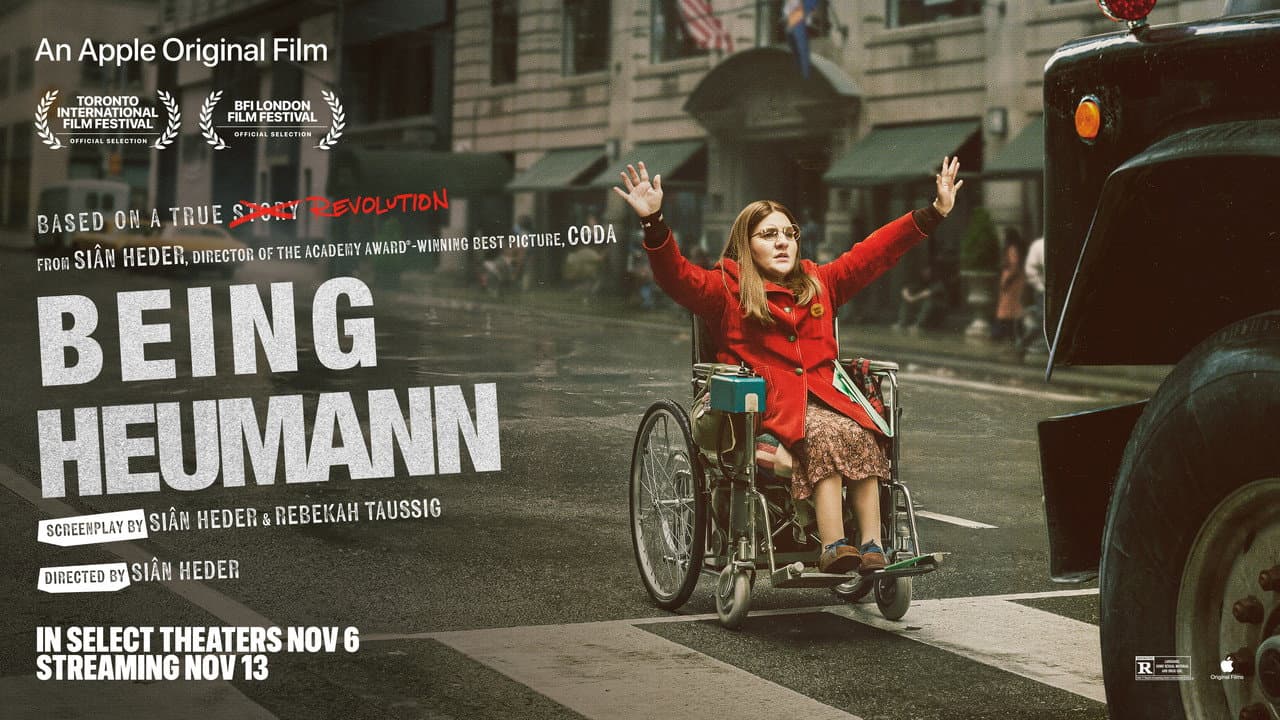
Sian Heder brought a message of shared purpose to the opening night of the Toronto International Film Festival on Thursday, telling a packed audience that her new drama Being Heumann is a reminder that change rarely arrives through individual effort alone.
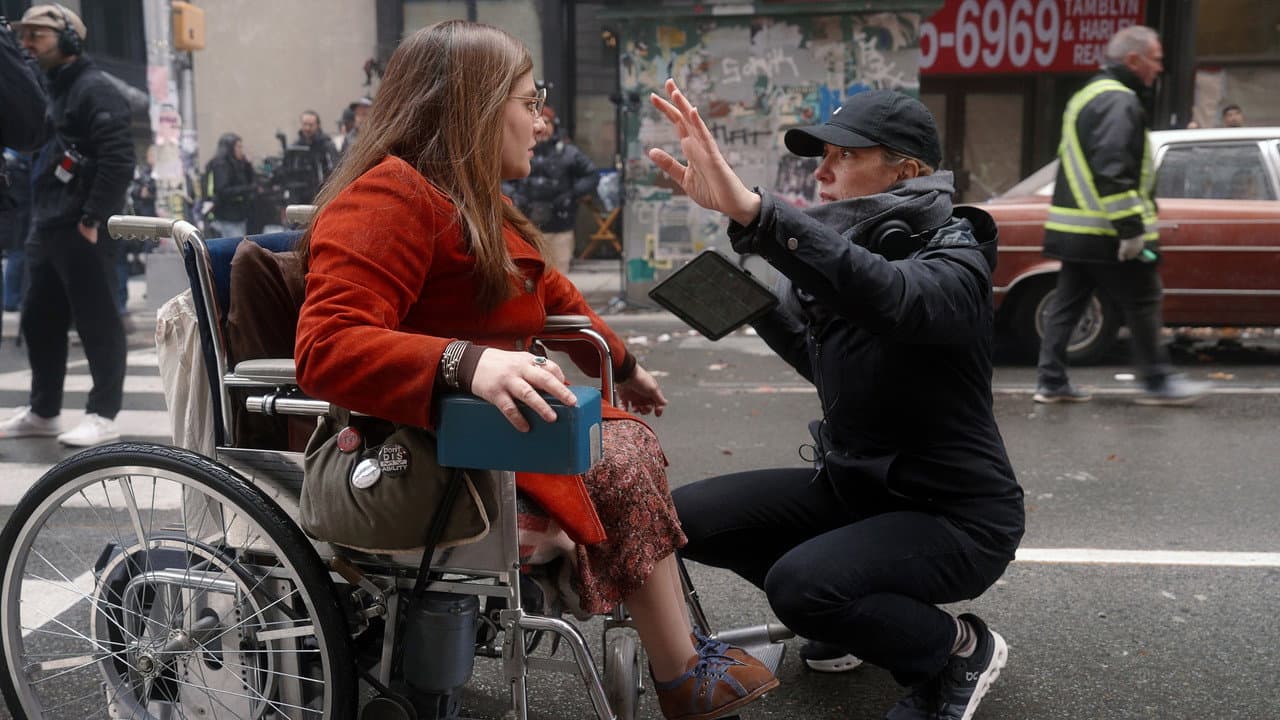
The film, which kicked off the festival's 2026 slate, stars Ruth Madeley as Judith "Judy" Heumann, the disability rights activist whose fight against institutional neglect helped reshape American law. Heder, speaking after the screening, said the story's resonance extends well beyond its 1977 setting.
"This is a film about what happens when people stop waiting to be rescued and start acting together," Heder said. "Collective action matters. It always has."
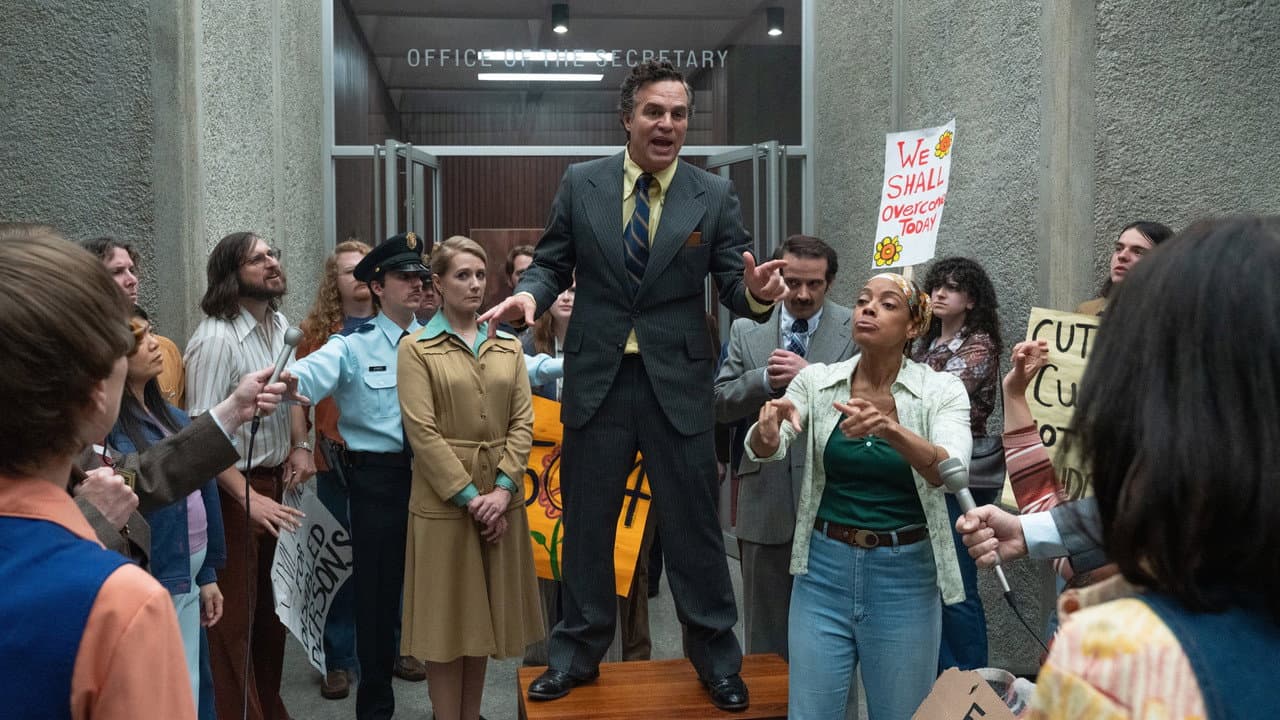
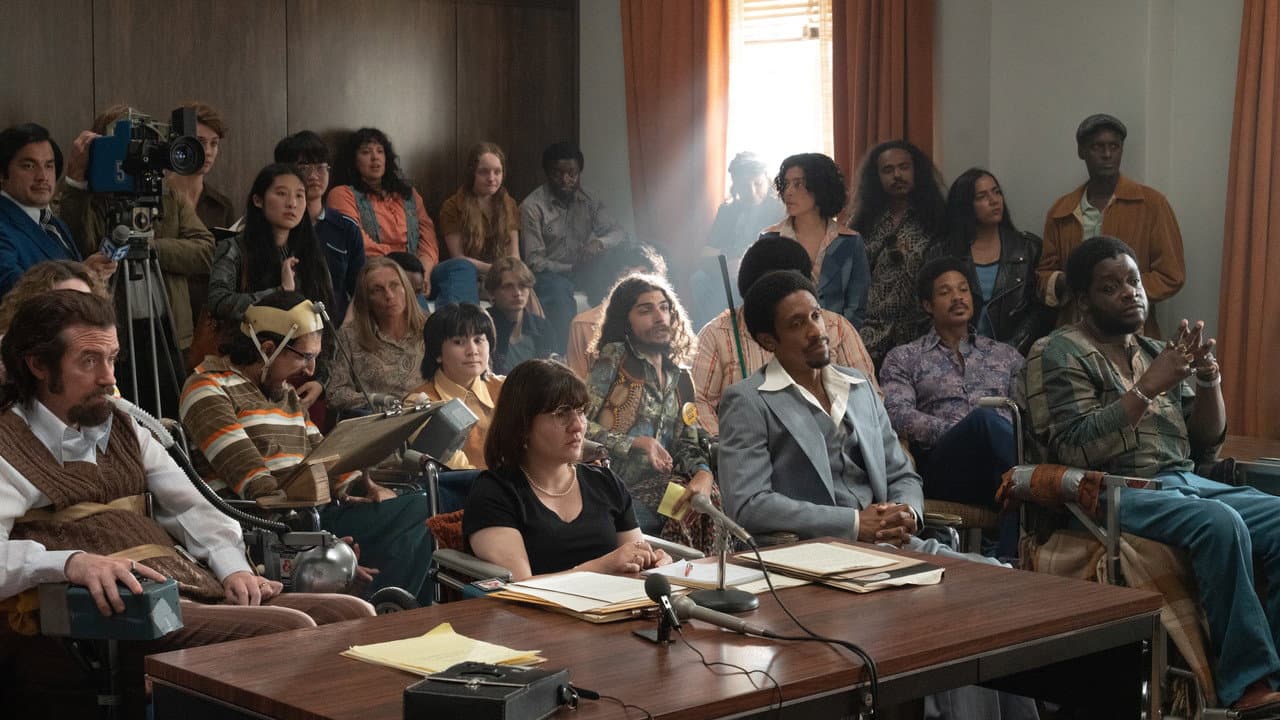
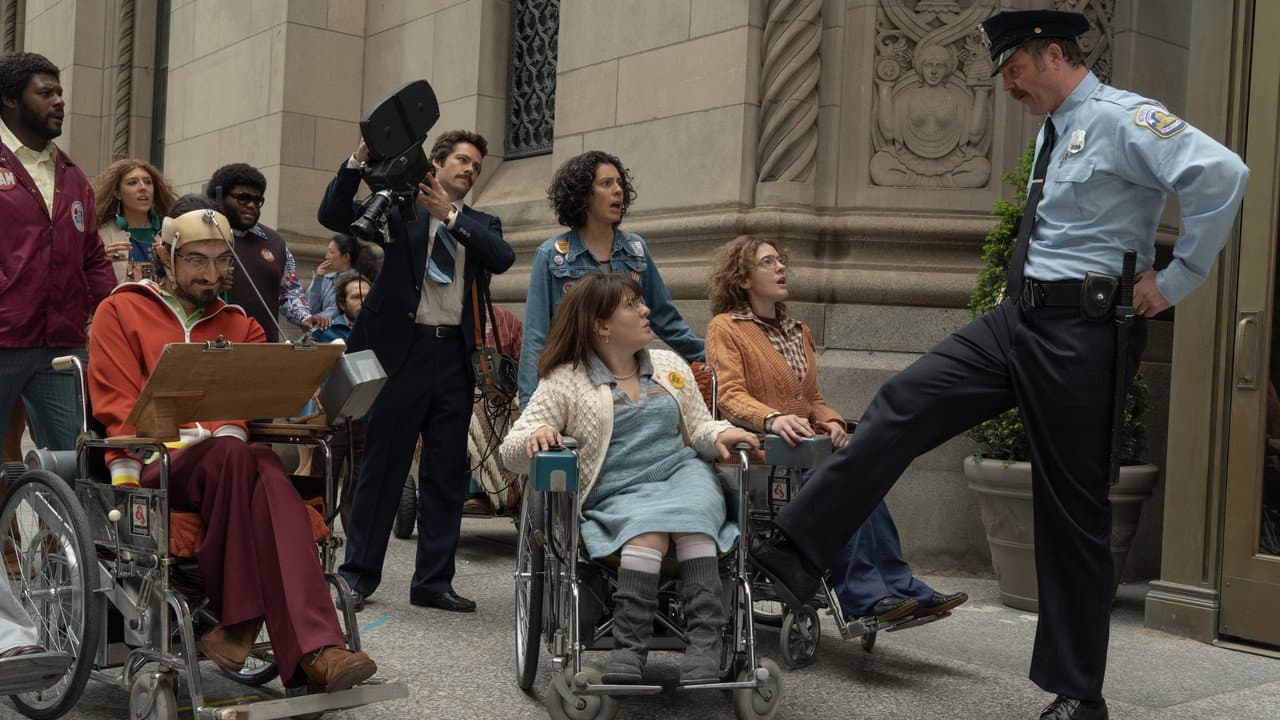
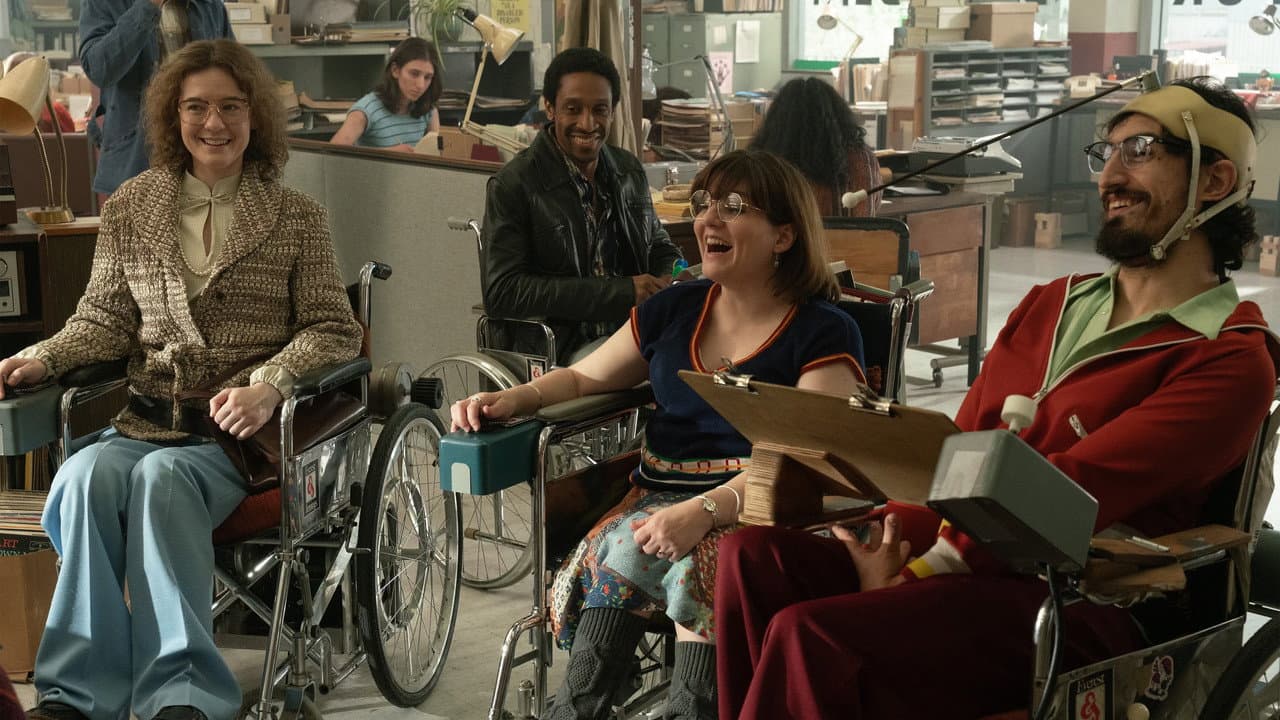
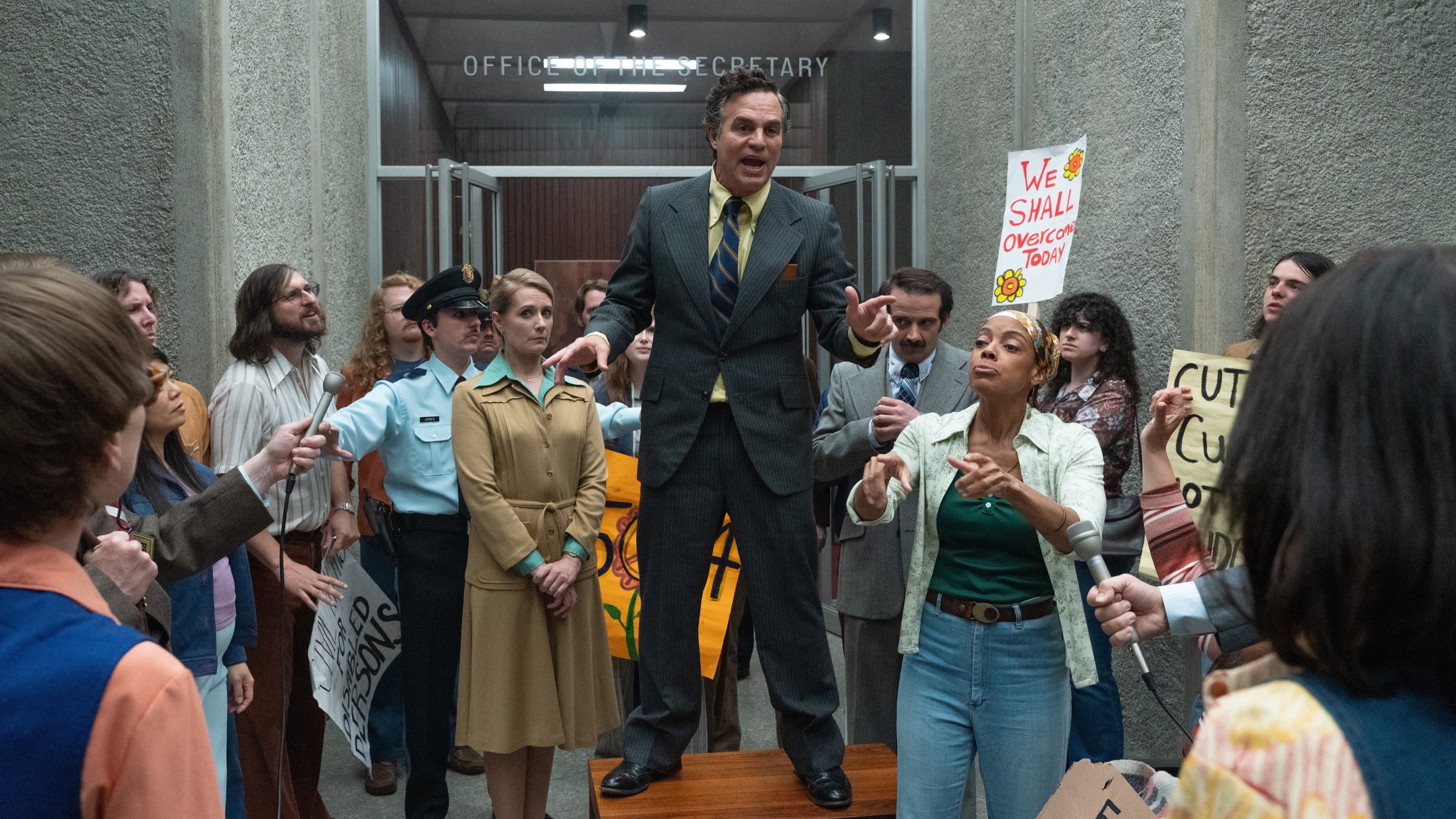
Being Heumann dramatizes the pivotal months when Heumann and more than 100 fellow protesters occupied federal buildings across the country to demand enforcement of Section 504 of the Rehabilitation Act. Their sit-ins, which lasted nearly a month in some locations, forced the hand of a government that had stalled on implementing protections for disabled Americans for years. The film frames the campaign as an uprising born of exhaustion - people who had been treated as burdens deciding they would no longer accept that label.
Madeley leads a cast that includes Mark Ruffalo as Joseph Califano, the Health, Education, and Welfare secretary who became the central target of the protesters' anger. Dylan O'Brien plays Evan White, Madeline Delp portrays Kitty Cone, and Rob Delaney appears as Congressman Miller. Ray Fisher, Michael Patrick Thornton, and Antwan Tolliver round out the ensemble as Chuck Jackson, Ed Roberts, and Brad Lomax respectively.
The 127-minute drama arrives in U.S. theaters on Nov. 6, positioning it squarely in the fall awards corridor. It is an English-language Hollywood production.
A Festival Opener With Political Bite
Toronto's decision to open with Being Heumann signals that the festival wants to lead with substance this year. Opening slots often go to star-driven crowd-pleasers, but Heder's film is a scrappy, defiant piece of history with protest at its core. That choice tracks with a broader appetite among festival programmers for work that speaks directly to present-day debates about access, civil rights, and who gets to participate fully in public life.
The historical backdrop is stark. In 1977, disabled Americans faced routine exclusion from employment, housing, and education. Section 504 was supposed to change that, but federal officials, including Califano, delayed its implementation for years. Protesters in San Francisco, Washington, and other cities responded by occupying government offices. The longest action, in San Francisco, stretched to 28 days and became a defining moment in the disability rights movement. Heumann was central to that effort, and her memoir serves as the film's source material.
Heder, who previously directed CODA, has built a reputation for stories about outsiders navigating systems that were not built for them. Being Heumann fits that mold, though the scale here is larger - a movement rather than a family. Early reactions from festival attendees suggest the film balances intimate character work with the logistics of a sprawling protest campaign.
Cast and Release
Madeley, a British actress who uses a wheelchair, has spoken in interviews about the importance of disabled performers playing disabled roles. Her casting as Heumann was confirmed early in production and drew praise from disability advocacy groups. Thornton, who also uses a wheelchair, plays Ed Roberts, a fellow movement leader.
The supporting cast mixes established names with character actors. Ruffalo's Califano is portrayed as a bureaucratic obstacle rather than a cartoon villain, according to those who attended the premiere. O'Brien and Delp bring younger energy to the activist ranks, while Delaney's congressman adds a legislative dimension to the story.
Being Heumann carries a runtime of 127 minutes and opens in theaters on Nov. 6, 2026. It arrives with no public audience rating yet on major platforms, a common state for films just beginning their festival run.
For Heder, the Toronto opening is less a victory lap than a starting point. She told the audience that the film's message about collective action is not nostalgia. "People are still fighting for the same things," she said. "The system is broken - not us. That line from Judy's story is still true today."
Being Heumann continues screening at TIFF through the coming week.
Source: The Hollywood Reporter