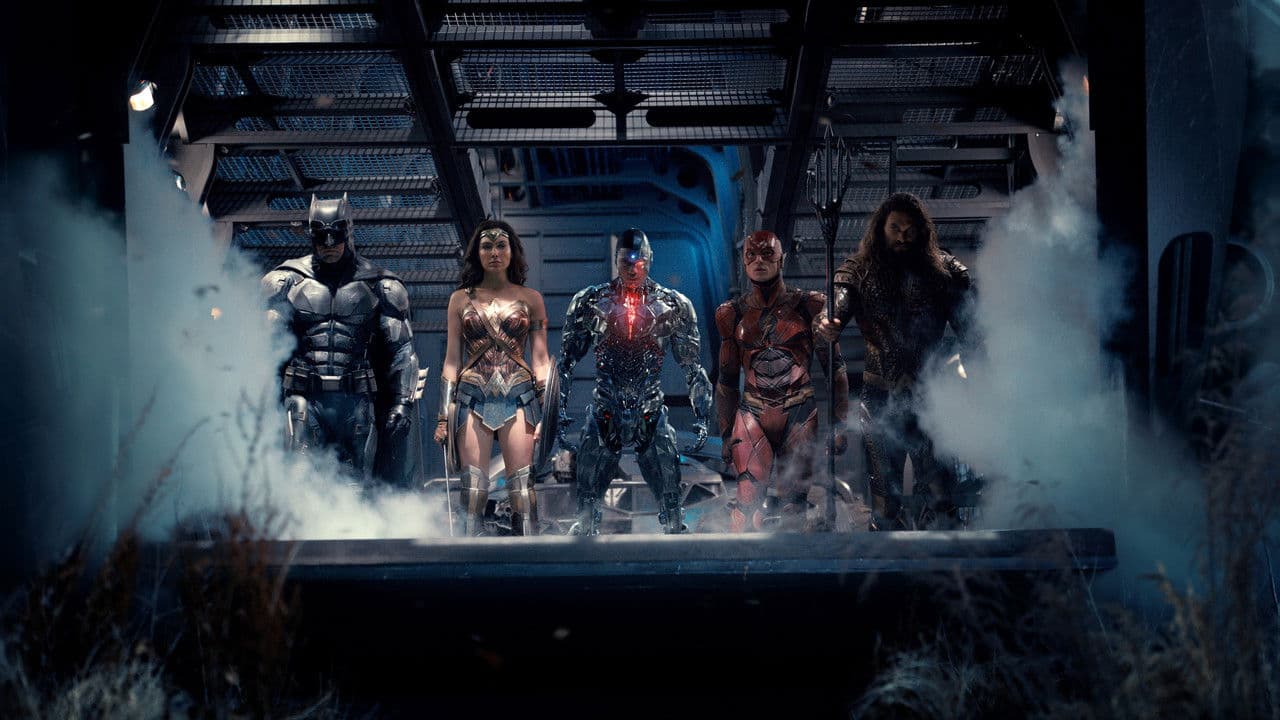
Ben Affleck has described his experience making 2017's Justice League as one of the worst periods of his professional life, telling an interviewer that the production was "about as gross as it gets." The actor, who played Bruce Wayne and his superhero alter ego Batman in the Zack Snyder-directed ensemble film, made the remarks while reflecting on a stretch of his career that also included a heavily scrutinized turn as the Dark Knight.
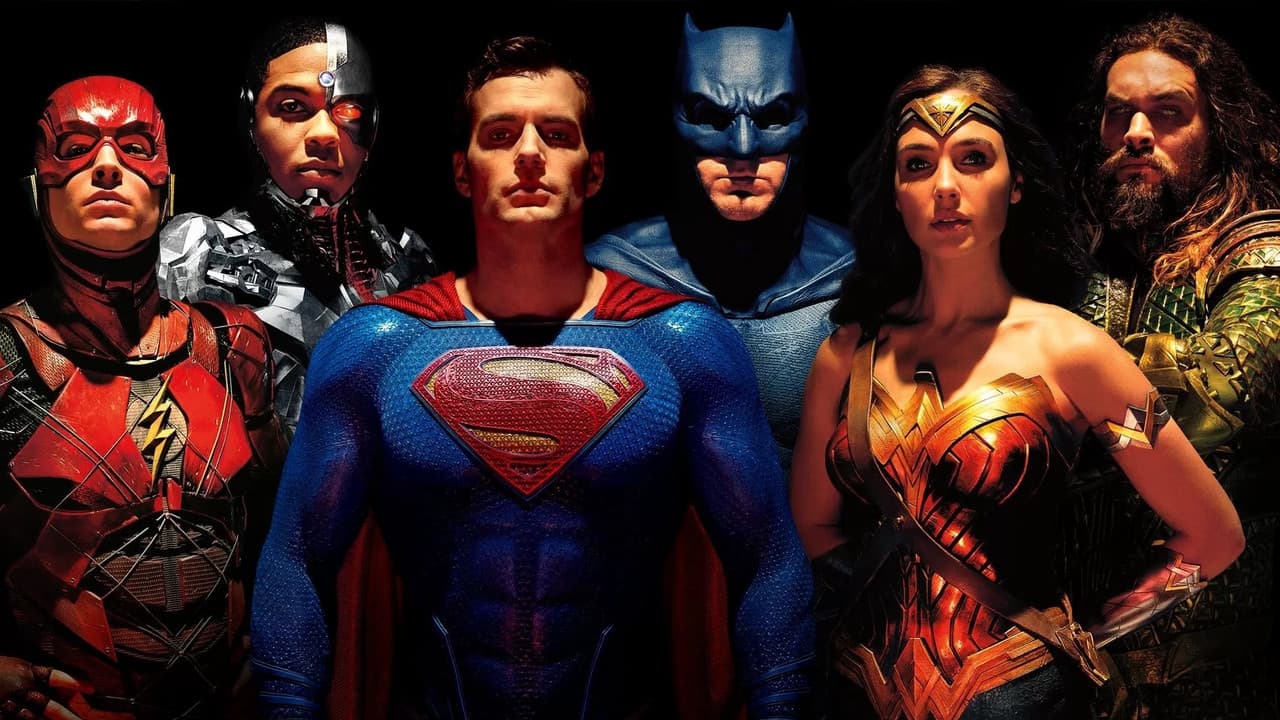
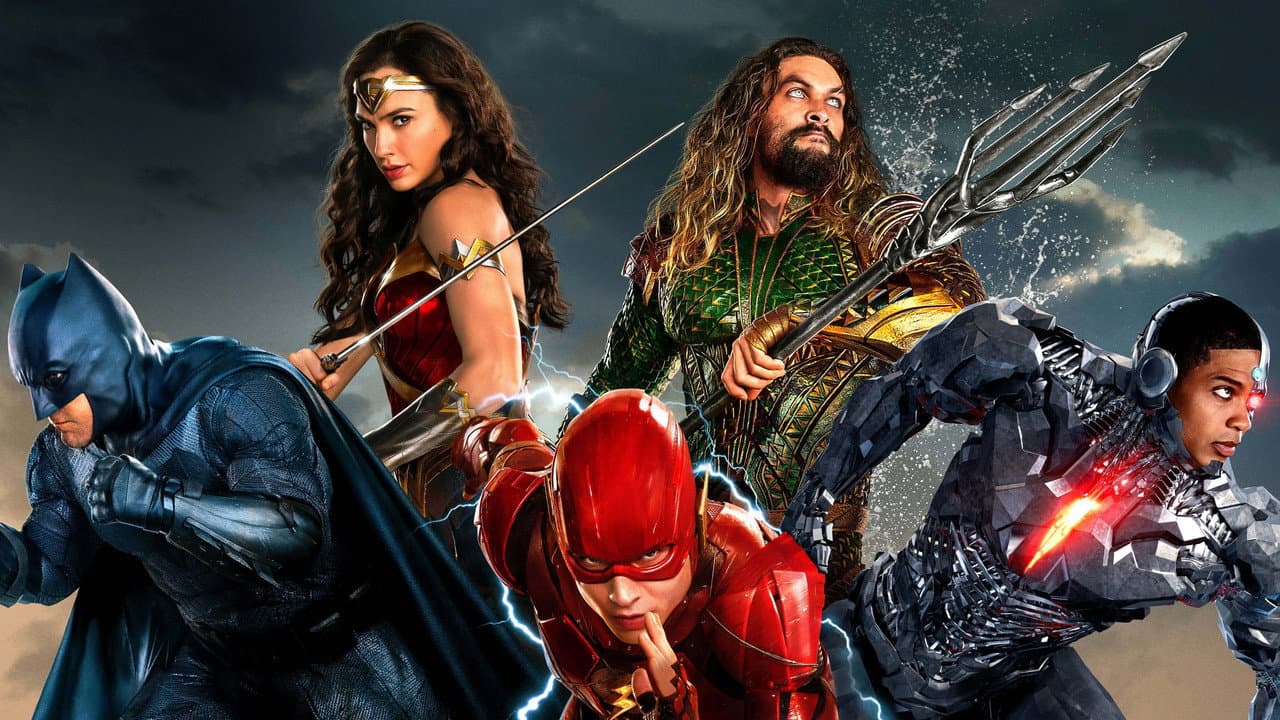
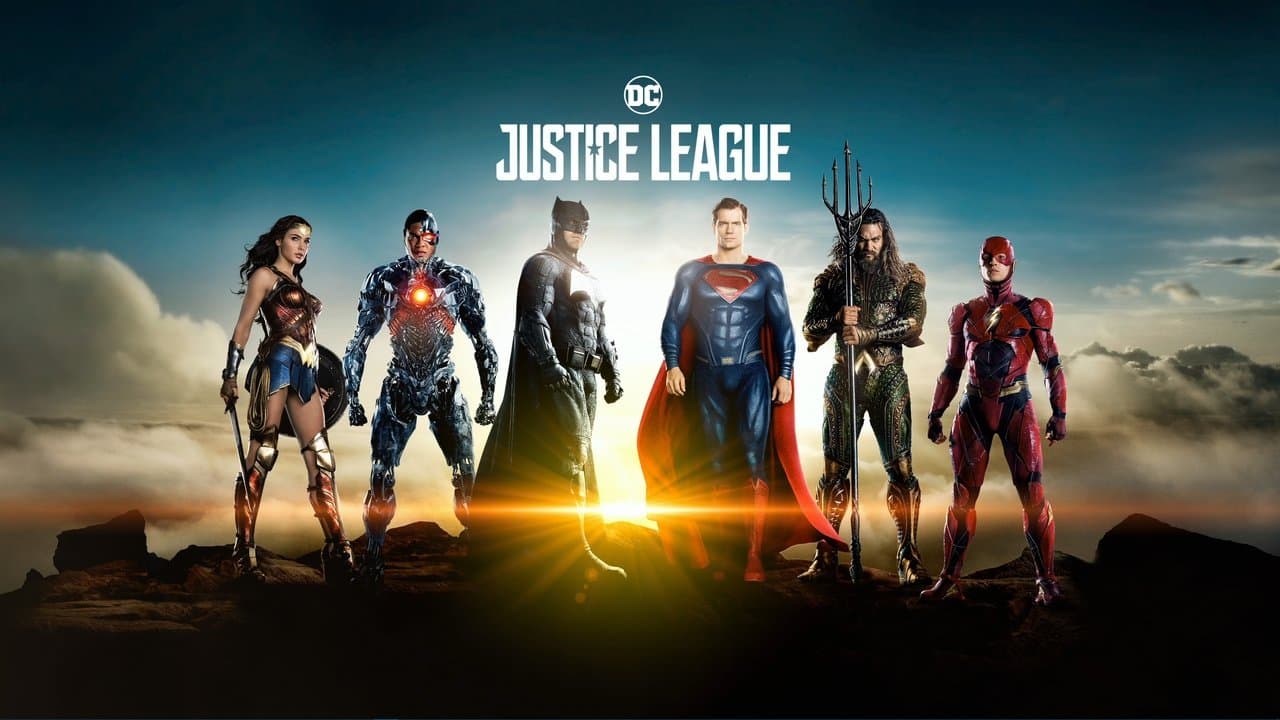
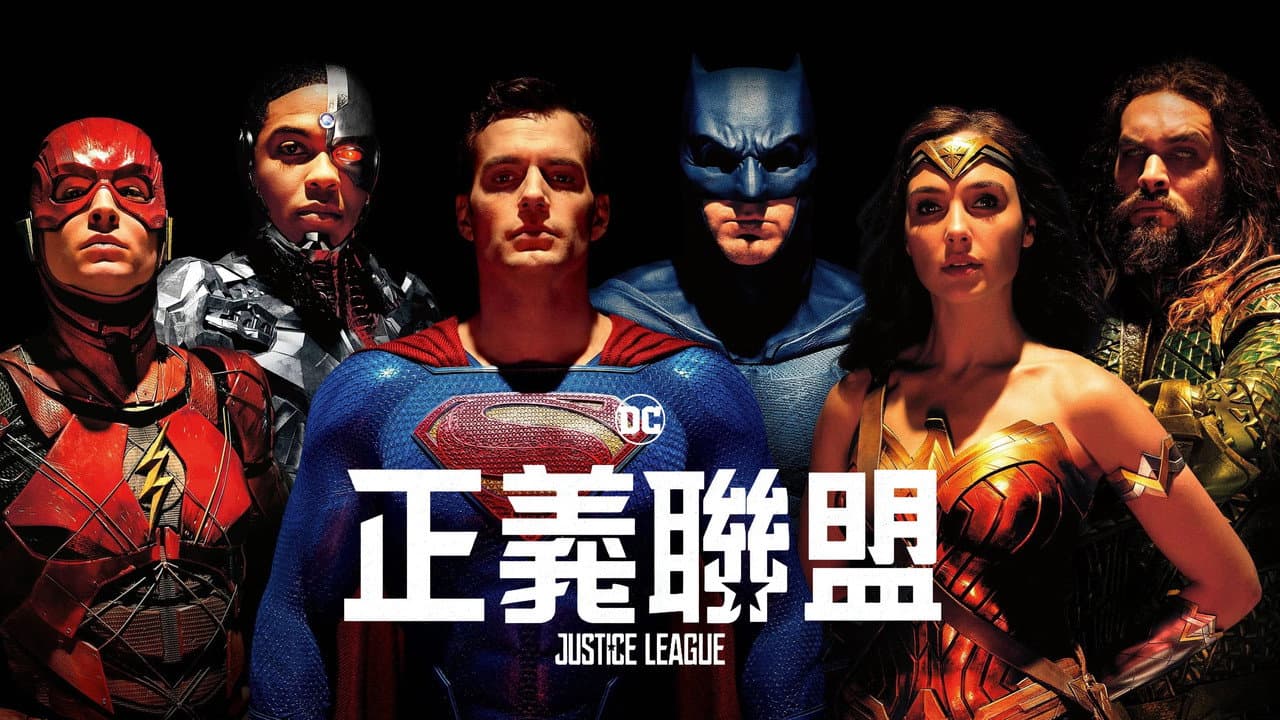
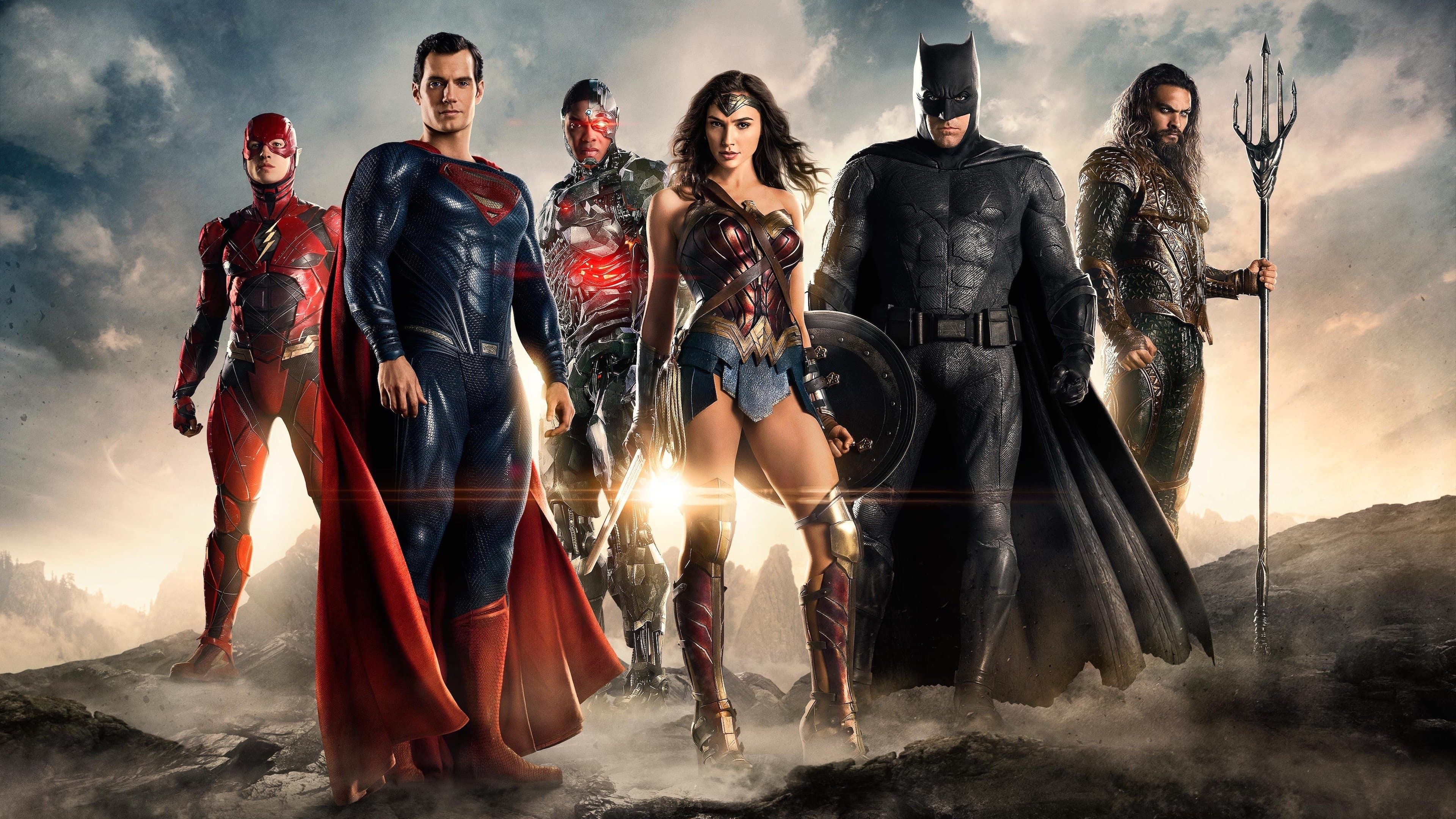
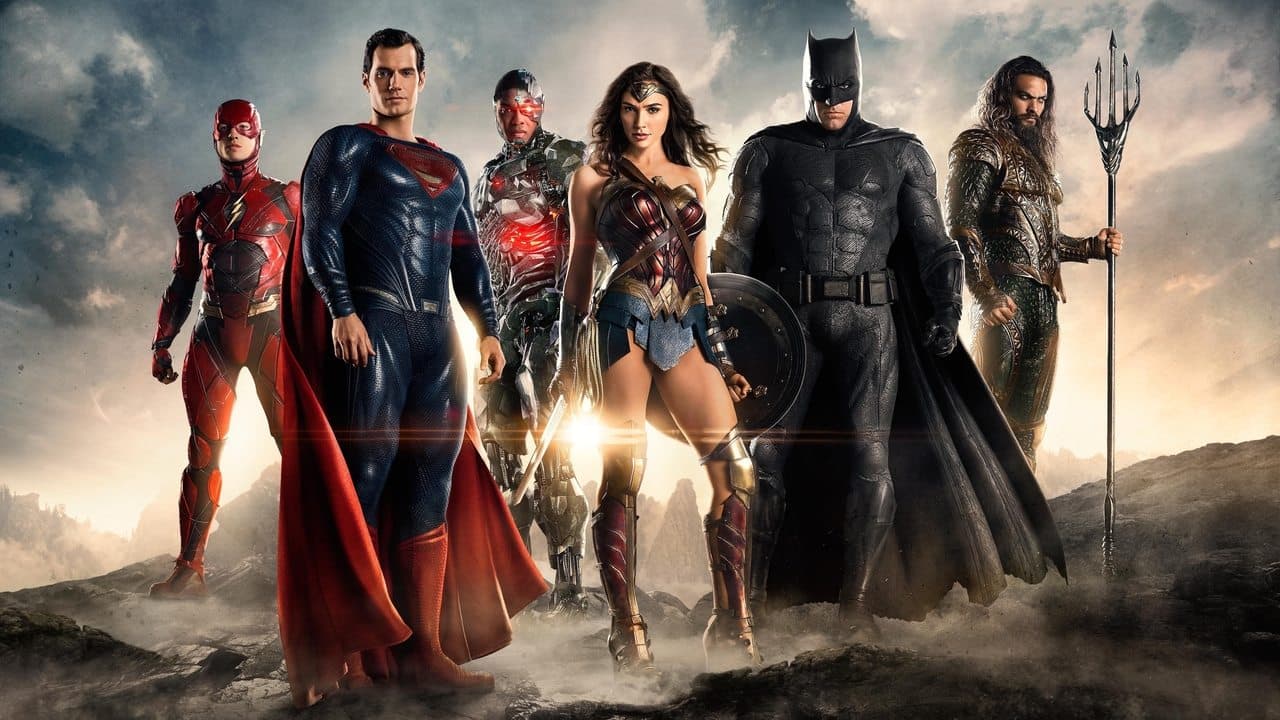
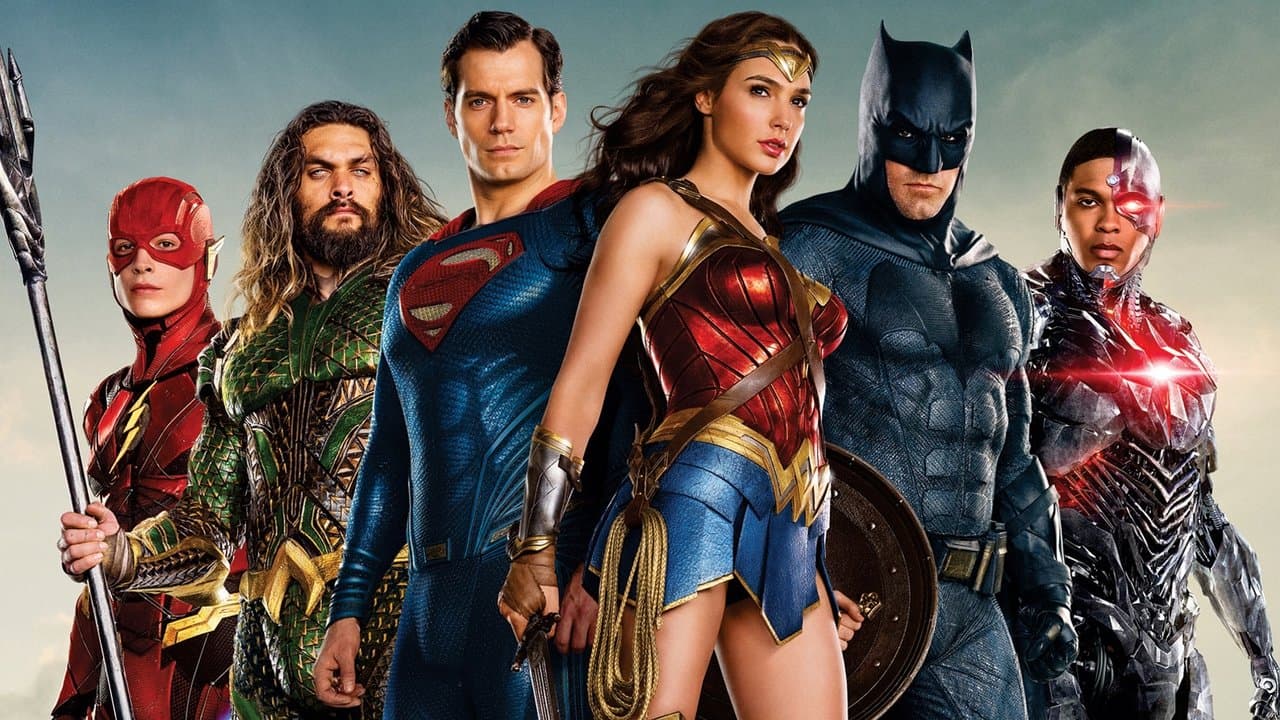
Affleck's comments add a candid footnote to one of the more turbulent big-budget productions of the past decade. Justice League, released on November 15, 2017, assembled a roster of DC Comics heroes: Gal Gadot's Diana Prince, Ezra Miller's Barry Allen, Jason Momoa's Arthur Curry and Ray Fisher's Victor Stone, alongside Henry Cavill's Superman, Amy Adams's Lois Lane and Jeremy Irons's Alfred.
The film's premise followed Bruce Wayne as he regained faith in humanity and, inspired by Superman's selfless sacrifice, worked with Diana to recruit a team of metahumans against Steppenwolf and his Parademons, who were scouring Earth for three Mother Boxes.
A Troubled Production and Its Aftermath
Justice League carried a substantial weight of expectation, arriving after the darker, divisive Batman v Superman: Dawn of Justice and the widely embraced Wonder Woman. The finished film runs 120 minutes and blends action, adventure and science fiction, but it drew a muted critical and audience response. Its TMDb rating sits at 6.065 out of 10, a middling figure for a tentpole that once anchored an entire cinematic universe's ambitions.
Snyder, who had overseen the franchise's previous installments, stepped away from the production before its completion, and Joss Whedon was brought in to finish the movie. The result was a film that many observers felt bore the marks of two competing sensibilities. A later, four-hour version assembled from Snyder's original footage was released in 2021, and many fans argued it was a more coherent and personal take on the material.
For Affleck, the shoot coincided with personal difficulties and a grueling promotional cycle, and it came at a moment when his casting as Batman had generated intense and sometimes hostile online reaction. His remarks place Justice League within a broader reappraisal of that era of his career, one in which he has been unusually open about the toll certain projects took.
What the Comments Mean for the DC Legacy
The actor's assessment is unlikely to change the film's standing among devotees, but it does offer a rare, unfiltered glimpse at how a marquee star regards a tentpole that did not go as planned. Hollywood has grown more willing in recent years to discuss the human cost of franchise filmmaking, from grueling reshoots to the pressure of servicing interconnected storylines. Affleck's characterization of the experience as a "low point" fits that conversation.
It also lands amid continued curiosity about the DC films of that period. The Snyder Cut's release demonstrated an enduring appetite for the alternate version, and the franchise has since moved through several creative reinventions. Affleck's Batman, meanwhile, has remained a subject of debate: some viewers praised his weary, physical interpretation of an older Bruce Wayne, while others never warmed to the casting.
Notably, the actor's comments do not appear to extend to his co-stars or to Snyder personally. Justice League remains a collaborative credit for a large ensemble, and Affleck has spoken warmly in other contexts about colleagues such as Gadot and Momoa.
For now, the takeaway is straightforward: one of the film's biggest names has said, in plain terms, that making it was an unpleasant experience. Whether audiences view Justice League as a missed opportunity, a studio-cobbled compromise or a guilty pleasure, its star's memory of the shoot is decidedly less fond. The movie, for better or worse, endures as a case study in the hazards of building a shared universe at speed - and as a chapter its lead would rather not revisit.
Source: The Hollywood Reporter