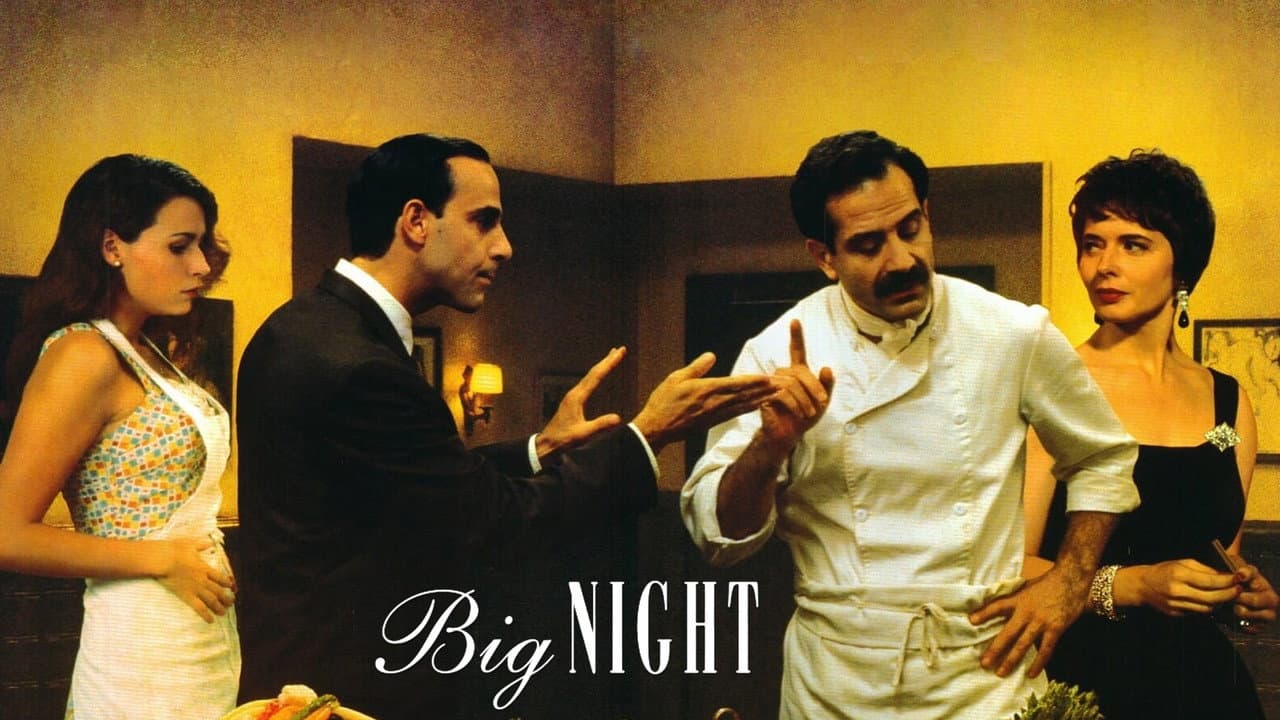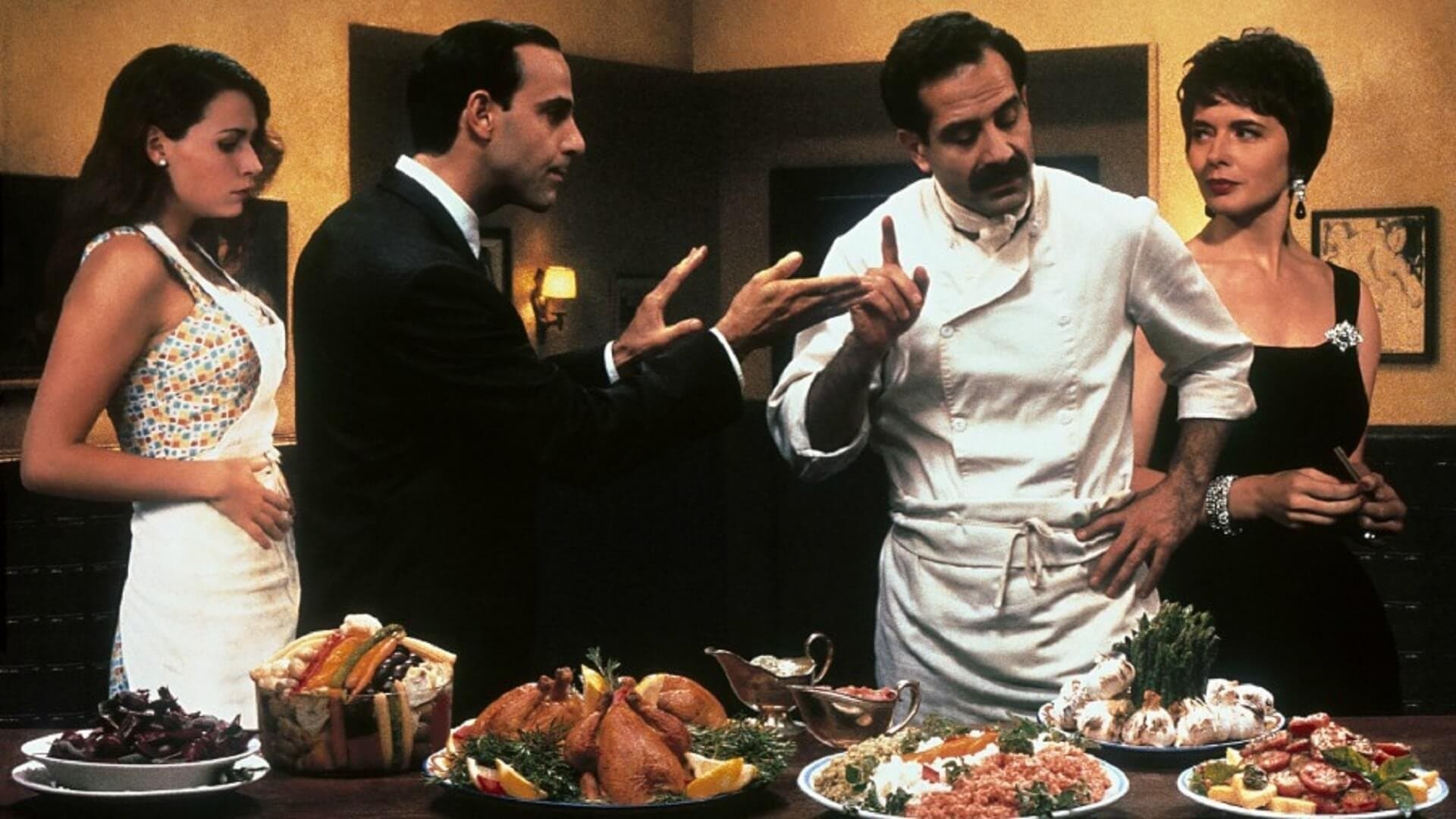
Thirty years ago today, on September 20, 1996, American moviegoers were introduced to two brothers whose entire future rested on a single dinner. Big Night, directed by Stanley Tucci, opened in theaters and handed audiences a comedy-drama about Primo and Secondo, immigrant siblings who gamble everything on a banquet staged in honor of the musician Louis Prima, hoping the event will pull their failing restaurant back from the brink. Three decades later, the film's reputation as one of the most quietly beloved independent releases of its era has only hardened.
A Story Built Around One Desperate Evening
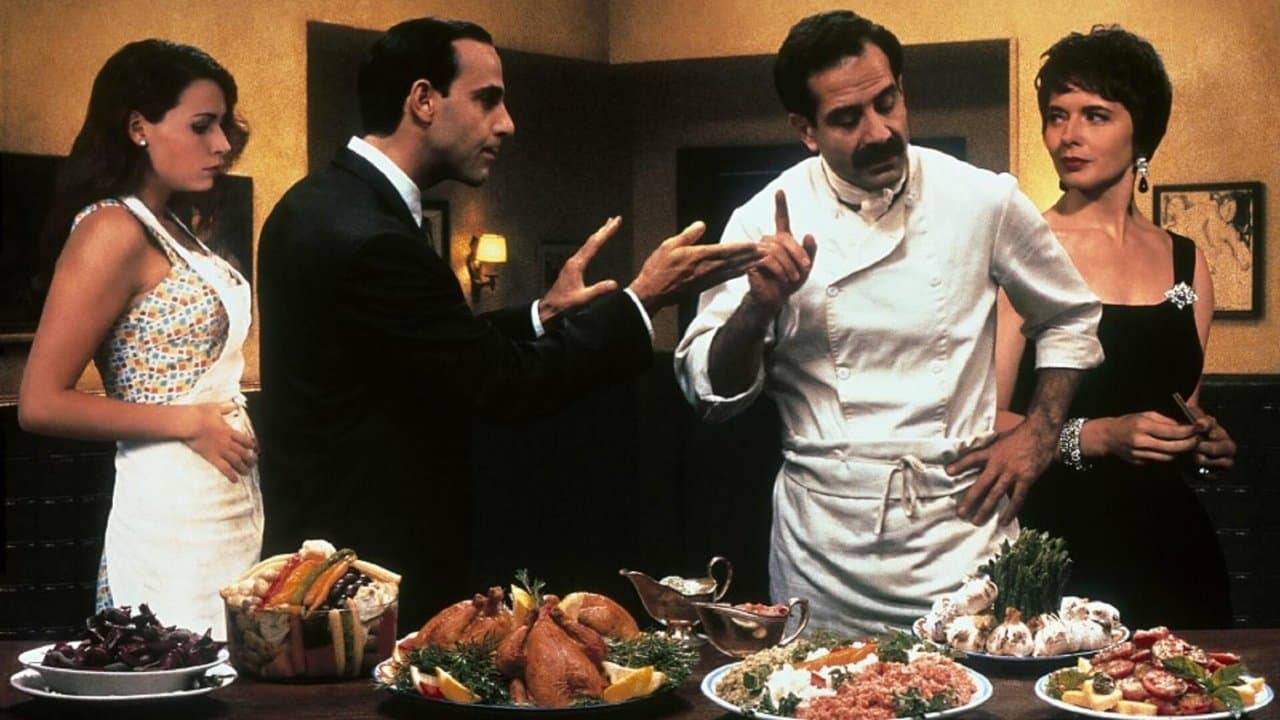
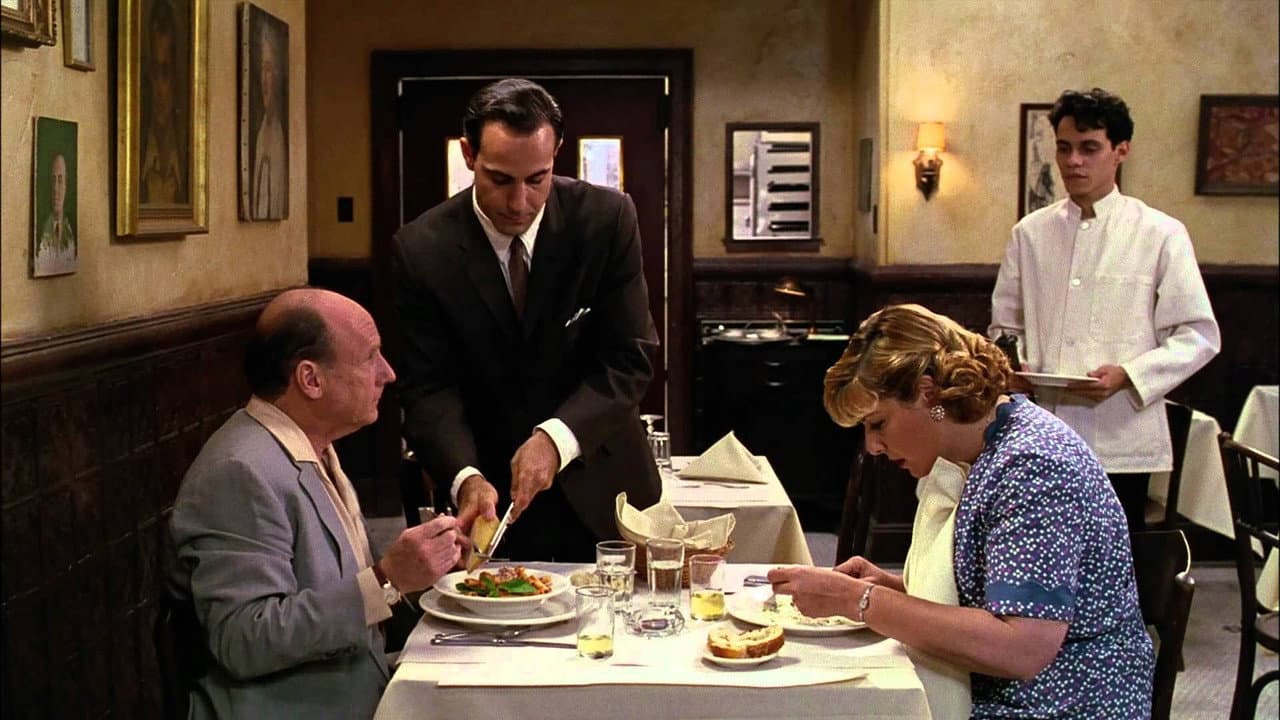
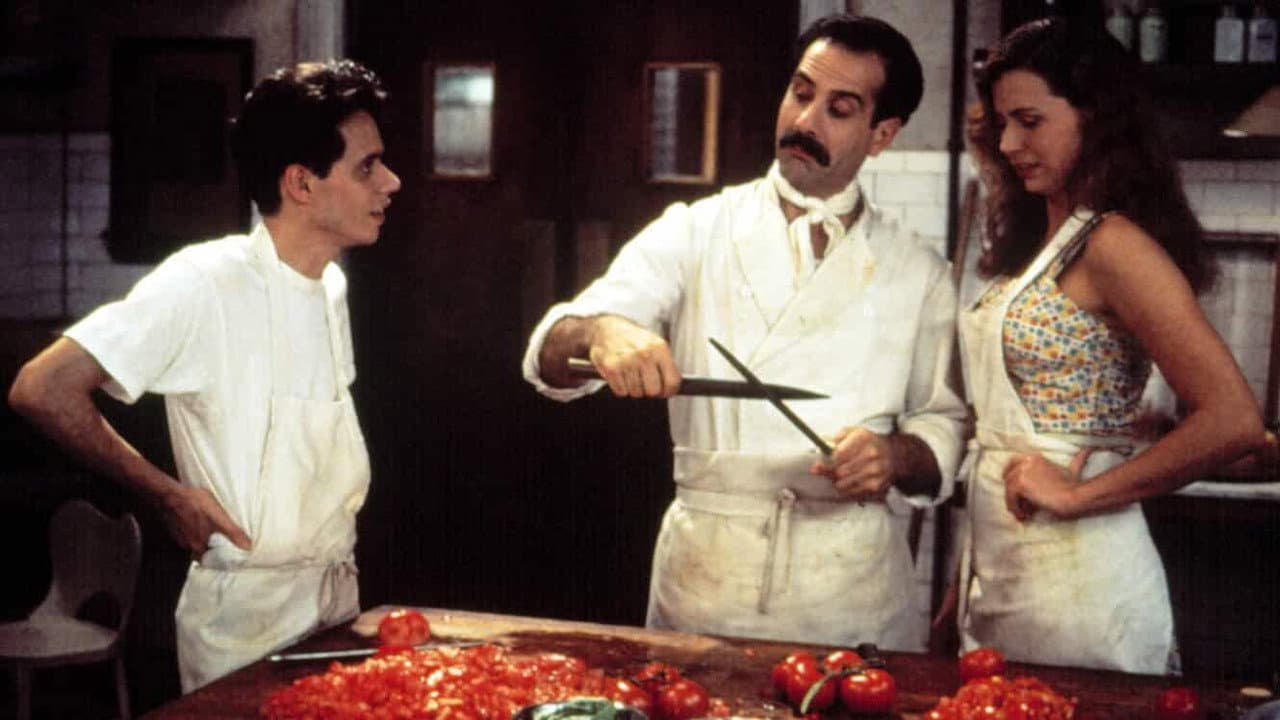
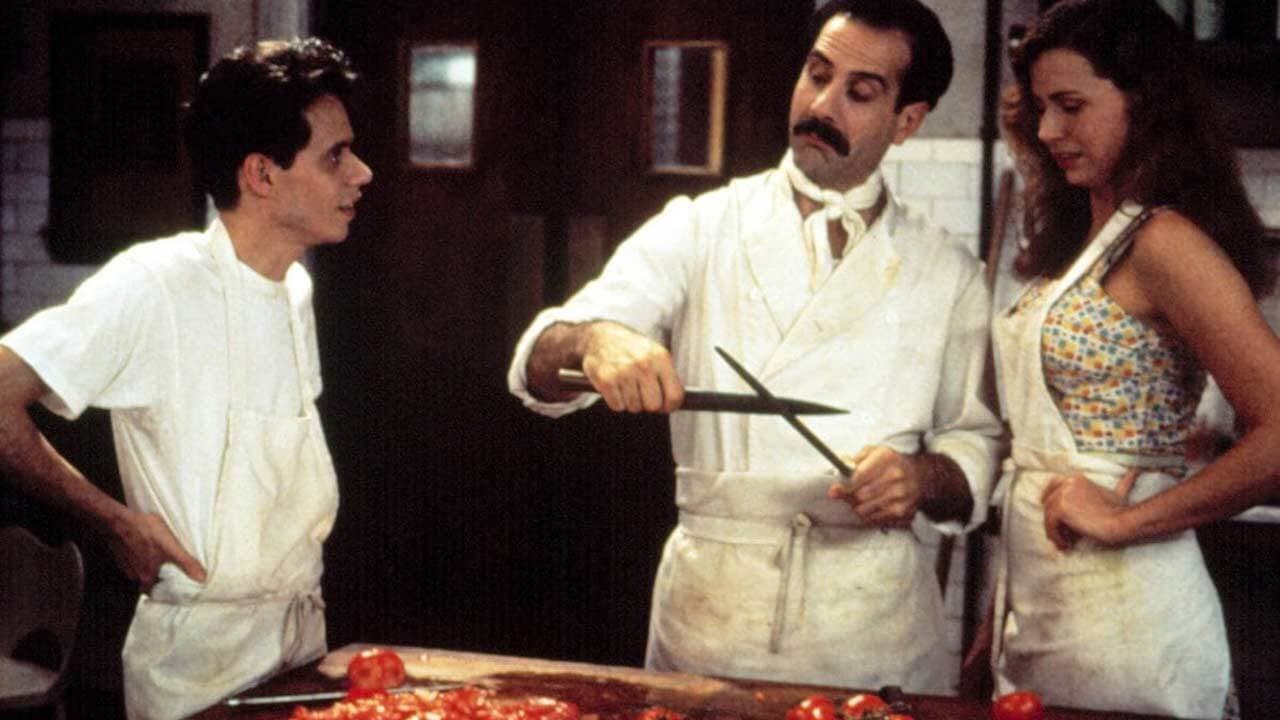
The premise is deceptively simple. Primo, played by Tony Shalhoub, is the craftsman, a chef whose commitment to genuine cooking puts him at odds with customers who expect something easier and more familiar. Secondo, played by Tucci himself, is the pragmatist, the brother who works the front of the house and carries the weight of keeping the business alive. Their restaurant is losing money, and the promised visit of Louis Prima - a booking that could fill every table and change their fortunes - becomes the axis on which the whole film turns. What follows is a portrait of ambition, pride and family obligation that unfolds largely in kitchens, dining rooms and the nervous hours before guests arrive.
Tucci co-wrote the screenplay with Joseph Tropiano, and the film marked his arrival as a director of real consequence. It runs 109 minutes and blends drama, romance and comedy without letting any single register dominate. The result is a movie that can be funny in one scene and quietly devastating in the next, often without signaling the shift.
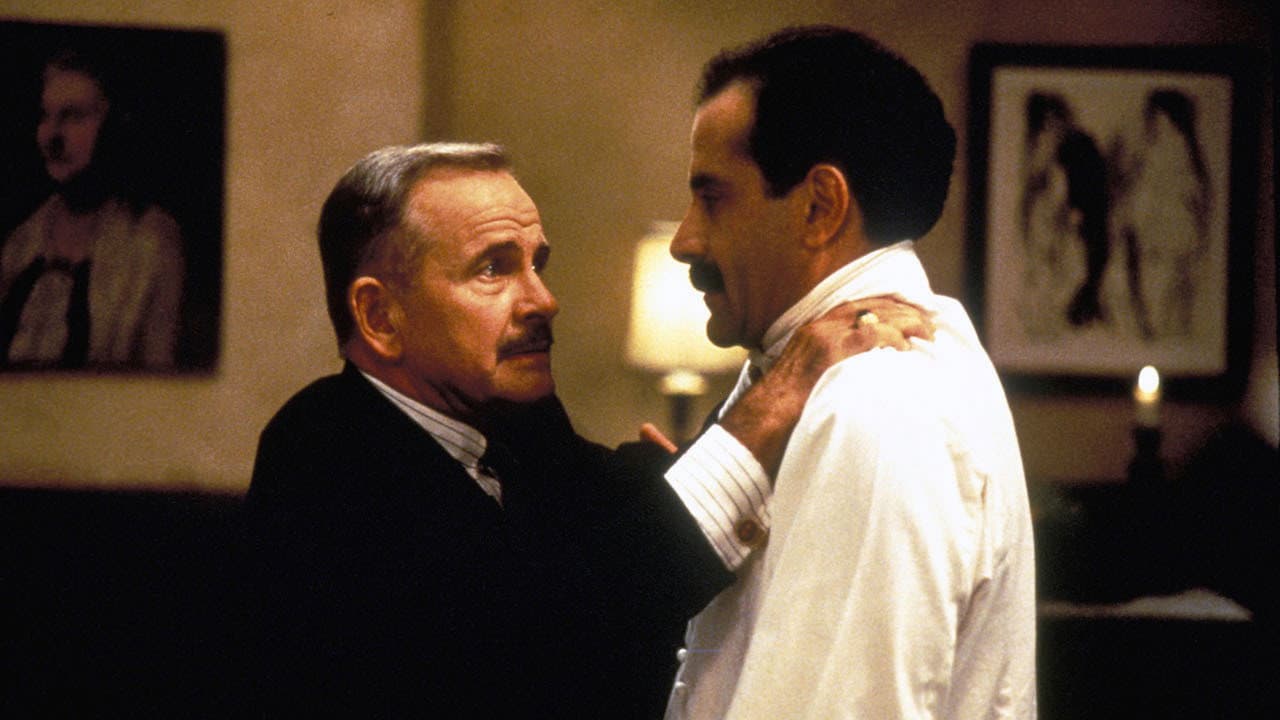
The ensemble cast is unusually deep for a production of its scale. Minnie Driver appears as Phyllis, Ian Holm as Pascal, and Isabella Rossellini as Gabriella. Caroline Aaron plays a woman in the restaurant, Marc Anthony plays Cristiano, and Allison Janney plays Ann. The combination of established performers and rising talents gave the film a texture that reviewers at the time singled out.
A Feast on Screen, and a Career Turning Point
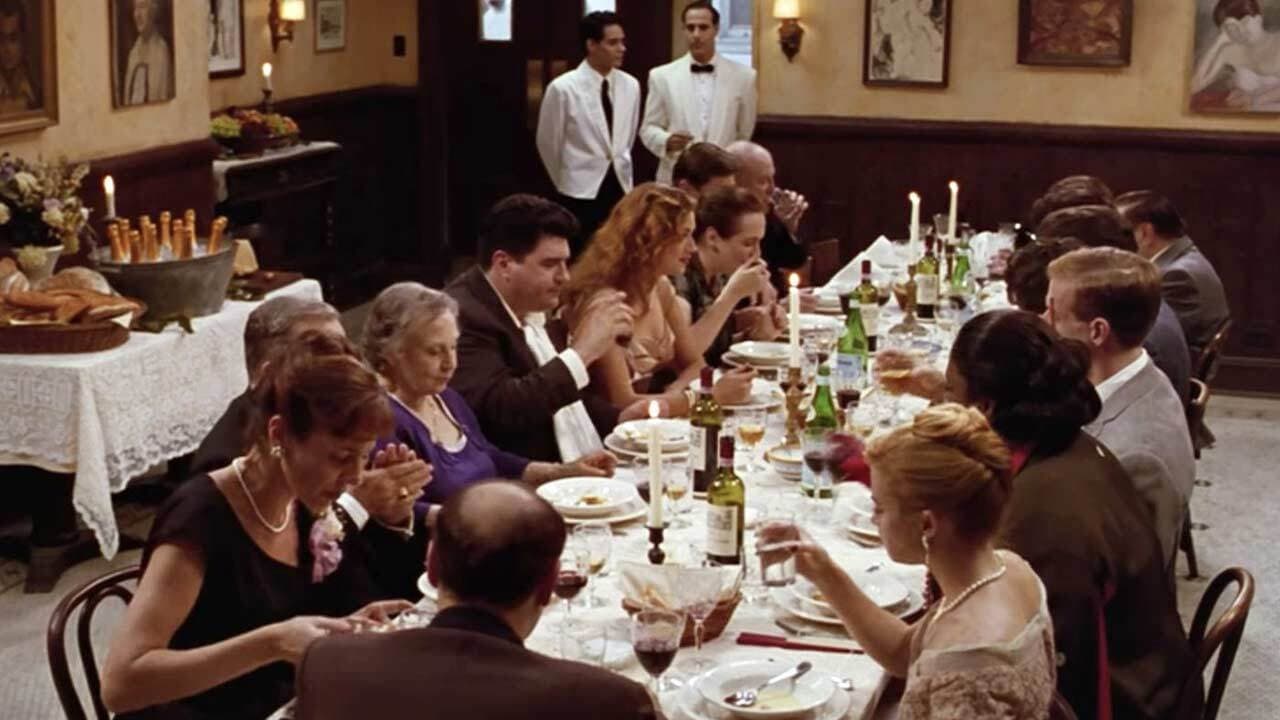
Much of the enduring conversation around Big Night centers on its food. The film treats cooking as a language of its own - a way for Primo to express devotion, stubbornness and identity all at once. The climactic banquet sequence, in which the two brothers finally prepare the meal they have always wanted to make, is regularly cited among the great food scenes in American cinema. It works because the stakes are emotional rather than merely culinary: every dish carries the brothers' history, and the audience understands that what is being served is as much a statement of self-worth as a menu.
For Tucci, the film opened doors on both sides of the camera. He had already been a familiar face as an actor, but Big Night established him as a filmmaker with a distinct sensibility, one drawn to intimate stories about food, family and the immigrant experience. Shalhoub, meanwhile, delivered a performance of coiled intensity that remains one of his most admired. Contemporary audiences now rate the film at 6.982 out of 10 on TMDb, a figure that reflects steady affection rather than the spike-and-fade pattern of a passing hit.
The film's release date, September 20, 1996, placed it in the thick of a fall season crowded with studio prestige pictures. That an independent drama about a struggling restaurant could hold its own in that environment speaks to how strongly it connected with viewers who recognized something of their own families in Primo and Secondo.
Why the Film Still Matters Three Decades On
The immigrant-brother dynamic at the heart of Big Night has aged remarkably well. Primo and Secondo are not simply opposites; they are two responses to the same pressure, and the film refuses to declare one of them right. That ambiguity is a large part of why the movie continues to be rediscovered by new audiences, and why it is still discussed alongside the best American independent films of the 1990s.
There is also something timely in the film's treatment of authenticity versus commerce. Primo's insistence on doing things the hard way costs the restaurant money; Secondo's compromises keep the lights on but erode something in both men. Thirty years after its debut, that tension feels no less relevant to anyone trying to make a living without abandoning what they care about.
Big Night remains a milestone for Tucci, a showcase for Shalhoub, and a rare film that treats a dinner as a dramatic event of the highest order. On its thirtieth anniversary, it stands as proof that a small story, told with precision and warmth, can outlast far bigger productions released alongside it.
Source: The Hollywood Reporter