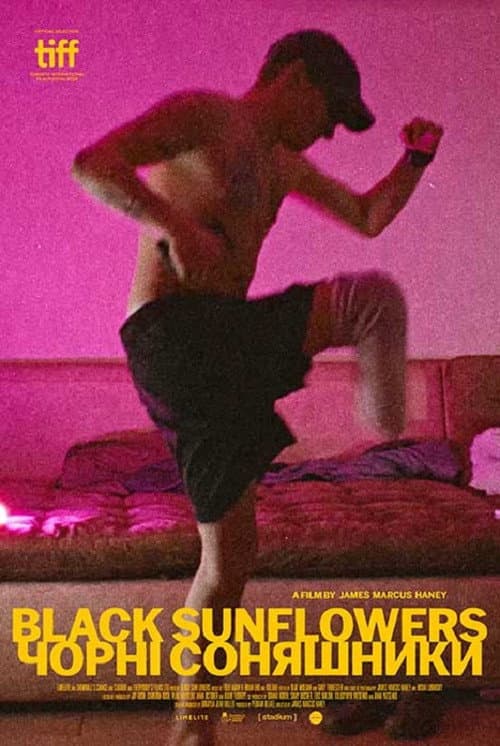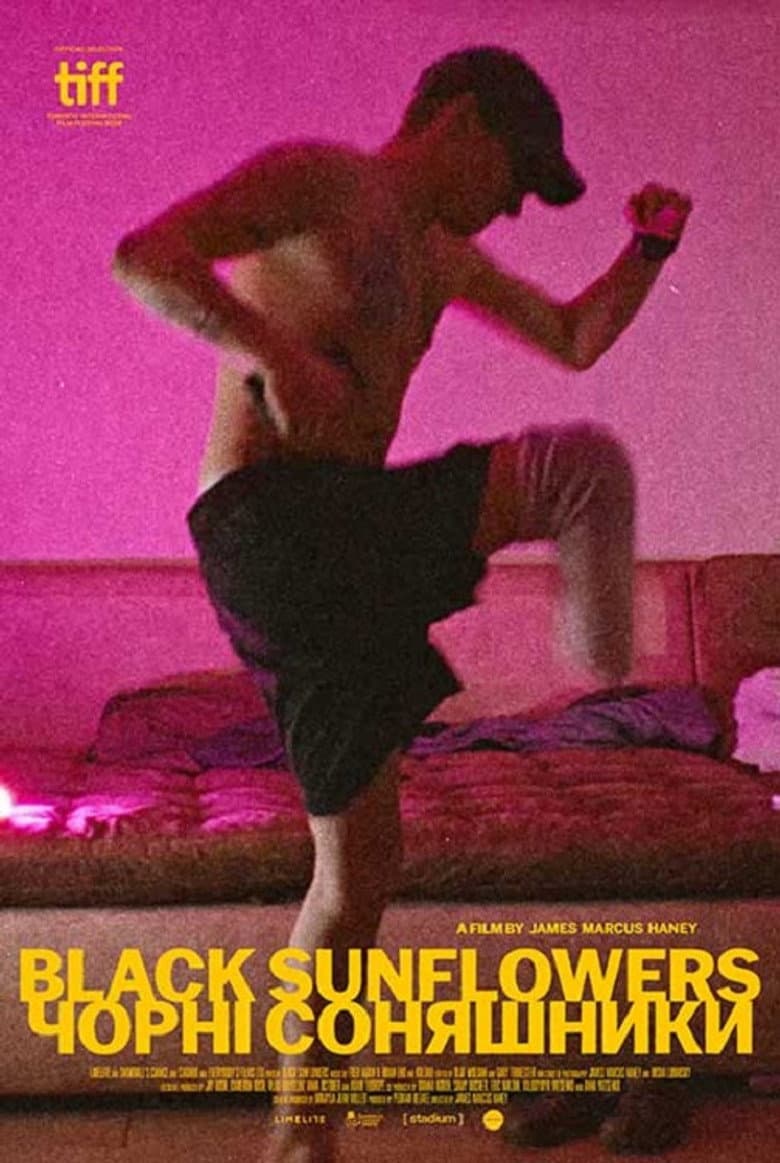
Canadian documentary filmmaker James Marcus Haney is turning his lens to the conflict in Ukraine with “Black Sunflowers,” a new feature that promises an intimate mosaic of youth navigating life between the frontlines and the fragile normalcy of home. Set for a September 11, 2026 release, the 94-minute documentary marks a significant departure for Haney, best known for his 2013 backstage music documentary “No Cameras Allowed,” and sees him collaborating closely with a seasoned Ukrainian production team.
The project, which unveiled its first exclusive images this week ahead of the Toronto International Film Festival, centers on a generation caught in the unrelenting grind of war. Rather than a sweeping military chronicle, the film weaves together the stories of young Ukrainians who must constantly shuttle between combat duty and the civilian world that still exists around them. Haney’s signature observational style - honed during years of embedding with touring musicians - appears to translate powerfully to a wartime setting, capturing fleeting moments of adolescence, friendship, and resilience against a backdrop of profound uncertainty.
The title itself carries a deliberate, layered symbolism. Black sunflowers evoke both the image of scorched fields and the enduring, sunken landscapes of Ukraine’s agricultural heartland, offering a poetic counterpoint to the more familiar iconography of conflict. For Haney, the film is less about documenting battles than about recording what it means to grow up when every decision - returning to the front or staying home - carries life-altering weight. The unique partnership with an all-Ukrainian crew is central to this approach, ensuring the film’s perspective is rooted in lived experience rather than external observation.
Haney’s filmography has always privileged access and authenticity. “No Cameras Allowed” succeeded because it abandoned the traditional rock-doc format, instead using guerrilla filmmaking to place viewers directly in the sweaty, chaotic orbit of artists like Mumford & Sons and Jack White. With “Black Sunflowers,” he applies that same instinct for proximity, but the stakes are exponentially higher. The filmmaker and his team have evidently spent considerable time alongside their subjects, forging the kind of trust that allows for unguarded moments - a quick laugh shared in a trench, a quiet phone call to a parent, a brief escape to a café that feels both mundane and miraculous.
Early images from the film, released exclusively to select outlets, hint at the visual language Haney and his cinematographers are employing. The stills reportedly show young soldiers in various states of rest and preparation, as well as civilians going about daily routines under the shadow of war. There is no glorification, no dramatic staging; instead, the frames convey a sense of lived reality, alternating between the muted tones of military life and the warmer, more desperate hues of civilian spaces. The film’s editing, which weaves these disparate threads into a cohesive narrative, will be crucial to its impact as a “mosaic” rather than a single linear story.
The Toronto International Film Festival has long been a launchpad for documentaries that challenge viewers’ understanding of global events, and “Black Sunflowers” arrives with considerable anticipation. Its release date, timed for mid-September, places it squarely in the fall festival and awards conversation, a slot that signals confidence from its distributors in its ability to resonate with both critics and general audiences. The film has already generated buzz for its approach - moving beyond news headlines to sit with individuals whose lives have been radically redefined since 2022.
While the cast is listed as unknown, which is standard for a documentary of this nature, the real protagonists are the young Ukrainians who agreed to share their stories. Their willingness to be filmed during such a precarious time speaks to both their bravery and their desire to have their experiences documented on their own terms. Haney’s role, as he has described in interviews about his process, is to be a faithful recorder, not an interpreter imposing a preconceived narrative.
As of this writing, the film holds a TMDb rating of zero from the single pre-release listing, which is merely a placeholder awaiting audience feedback. What matters more is the contextual weight the project carries. With each passing month, the toll of the war deepens, and documentaries like “Black Sunflowers” become vital records of human endurance. Haney’s background in music - a world driven by emotion and spontaneity - may prove an unexpected asset in capturing the rhythm of lives paused and resumed under duress.
The exclusive first-look images, which have begun circulating among industry insiders and press, are expected to generate significant conversation in Toronto. They offer a preview of a film that aims to be essential viewing, not just for its subject matter but for its formal ambition. By blending the intimacy of a personal diary with the scope of a collective portrait, “Black Sunflowers” positions itself as a poignant, urgent work about the cost of war on a generation - and the stubborn persistence of youth in the face of it. Audiences will have their chance to see the completed film when it lands in theaters and on streaming platforms this September.
Source: The Hollywood Reporter