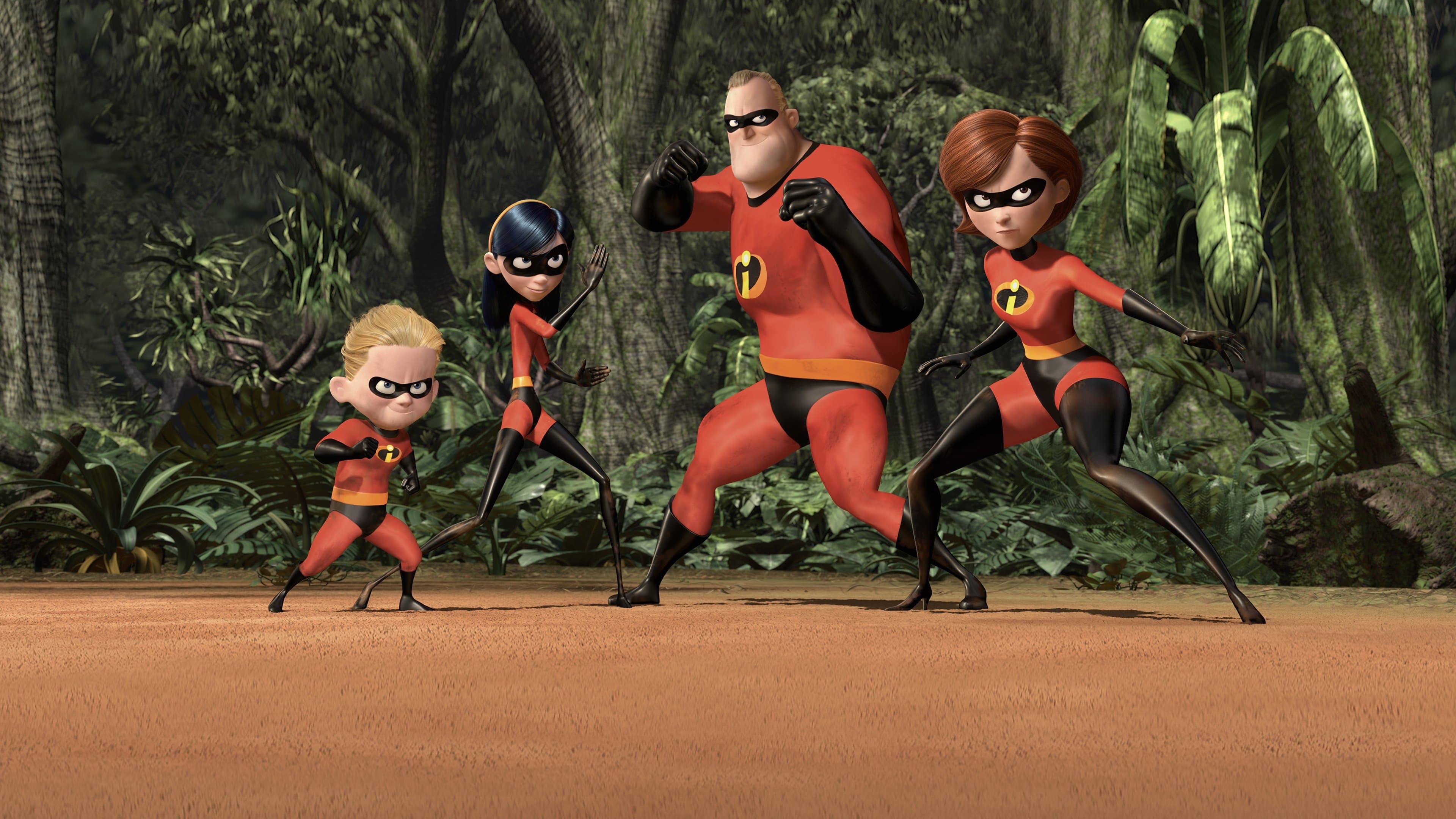
The Austin Film Festival has locked in its marquee honors for the 2026 edition, with three distinctive voices in modern cinema set to receive career recognition. Brad Bird, the animation visionary behind The Incredibles and Ratatouille, will share the spotlight with British filmmaker Andrew Haigh, known for intimate dramas like 45 Years and All of Us Strangers, as well as playwright-turned-screenwriter Aleshea Harris, whose work has pushed the boundaries of stage and screen storytelling.
The festival, which has long positioned itself as a haven for screenwriters and narrative craft, announced the trio of honorees this week. While specific award categories and ceremony details have not yet been disclosed, the selection signals a deliberate mix of big-studio pedigree, indie sensitivity, and bold new voice - a combination that reflects the festival's enduring mission to celebrate writing as the backbone of film.
Bird’s Legacy of Animation and Storytelling
Brad Bird needs little introduction to anyone who has followed American animation over the past three decades. After cutting his teeth on The Simpsons in its golden era, he jumped to feature work with Warner Bros.' The Iron Giant, a film that flopped commercially but has since become a touchstone of hand-drawn elegance. His move to Pixar produced back-to-back classics: The Incredibles and Ratatouille, both of which earned him Academy Awards and cemented his reputation for blending emotional weight with breakneck visual inventiveness.
What makes Bird's recognition particularly apt for Austin is his insistence on character over spectacle. His films don't just look great - they are built on rigorous, often witty scripts that treat audiences of all ages with intelligence. Even his live-action turn with Mission: Impossible - Ghost Protocol and the Disney sci-fi mystery Tomorrowland maintained his signature thematic concerns: the tension between individual brilliance and collective responsibility. For a festival that prizes the written word, Bird's body of work demonstrates how a director can also be a writer of rare clarity.
Andrew Haigh’s Quiet, Devastating Intimacy
Andrew Haigh occupies a very different lane. The British filmmaker first turned heads with Weekend, a two-hander romance shot for next to nothing that felt as real as a documentary. He followed with 45 Years, a marriage-in-crisis study that earned Charlotte Rampling an Oscar nomination, and then stunned audiences with All of Us Strangers, a ghost story about grief and queer identity that blended supernatural melancholy with raw emotional honesty.
Haigh’s scripts are spare, almost skeletal, yet they carry enormous subtext. He trusts silence and pause more than most, and his characters often say the wrong thing in moments that feel painfully authentic. That restraint has made him a critical favorite, though his work rarely aims for crowd-pleasing warmth. Instead, he finds beauty in awkwardness and truth in discomfort - qualities that Austin's screenwriting-focused attendees tend to admire deeply.
His recognition at the festival likely speaks to a broader trend: the celebration of mid-career auteurs who have built devoted followings without ever courting mainstream blockbuster status. Haigh represents a school of filmmaking where the screenplay is a blueprint for behavior, not a set of plot beats.
Aleshea Harris: A New Force in Screenwriting
Aleshea Harris brings a more unconventional résumé to the honoree list. Primarily known as a playwright - her Obie Award-winning Is God Is shook up the New York theater scene with its blend of revenge tragedy, Afrofuturism, and stylized violence - Harris has increasingly moved into film and television. Her adaptation work has drawn attention for its fearless dialogue and refusal to soften difficult subject matter.
Harris’s voice is unapologetically theatrical, yet she translates that energy to screen with a keen sense of visual rhythm. In an industry often criticized for safe choices, she stands out as a writer who trusts her instincts and challenges audiences to keep up. Her inclusion at Austin suggests the festival is looking beyond traditional Hollywood pipelines to honor artists who are reshaping narrative conventions from the margins.
Her recent projects have ranged from high-profile television adaptations to original scripts that have been praised in industry circles for their sharp, muscular language. For those unfamiliar with her work, the festival honor will likely be a gateway to discovering one of the most daring new voices in American storytelling.
A Festival Built on the Craft of Writing
The Austin Film Festival has carved out a distinct niche since its founding, positioning itself as the place where screenwriters get their due. Unlike Cannes or Toronto, which spotlight directors and stars, Austin’s programming has always leaned into panels, pitch sessions, and conversations about the craft itself. Honoring Bird, Haigh, and Harris together makes sense in that context: each represents a different path to mastery, but all share a fundamental belief in the power of a well-built script.
Past honorees have included a roll call of legendary writers and directors, and this year’s selection continues that tradition. The festival’s organizers have not yet announced whether the three will appear in conversation or simply receive awards, but events of this nature typically include moderated Q&As where the honorees discuss their processes. For aspiring writers in attendance, those sessions often prove just as valuable as the screenings themselves.
As the 2026 festival draws closer, more details will emerge about the specific events tied to these honors. For now, the announcement gives the Austin film community a reason to look forward to a celebration that bridges eras, genres, and approaches - united by a shared reverence for the written word on screen.
Source: Variety