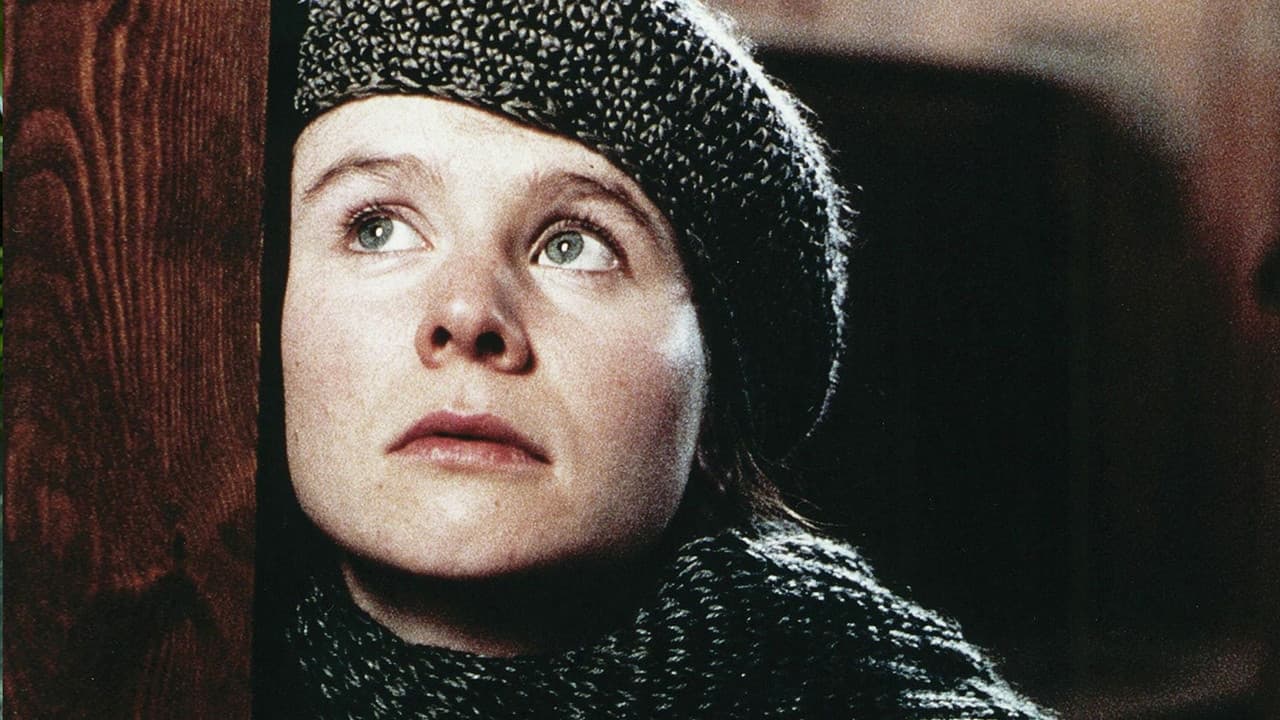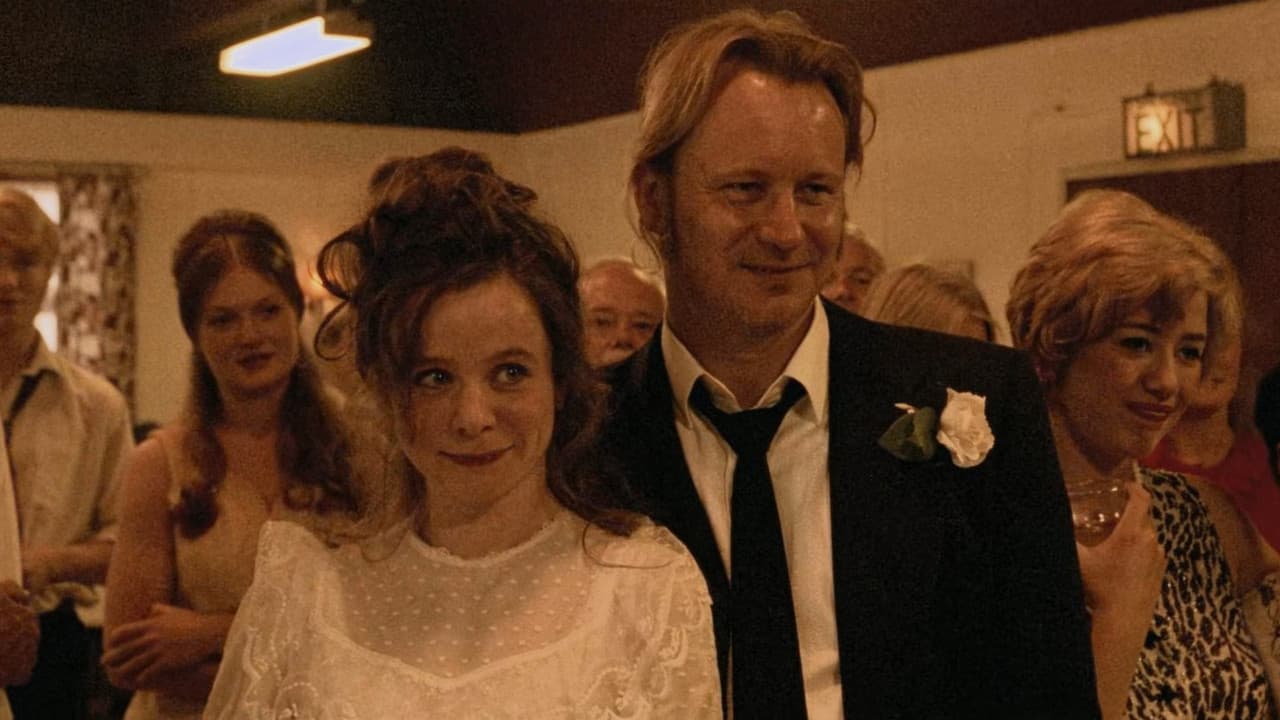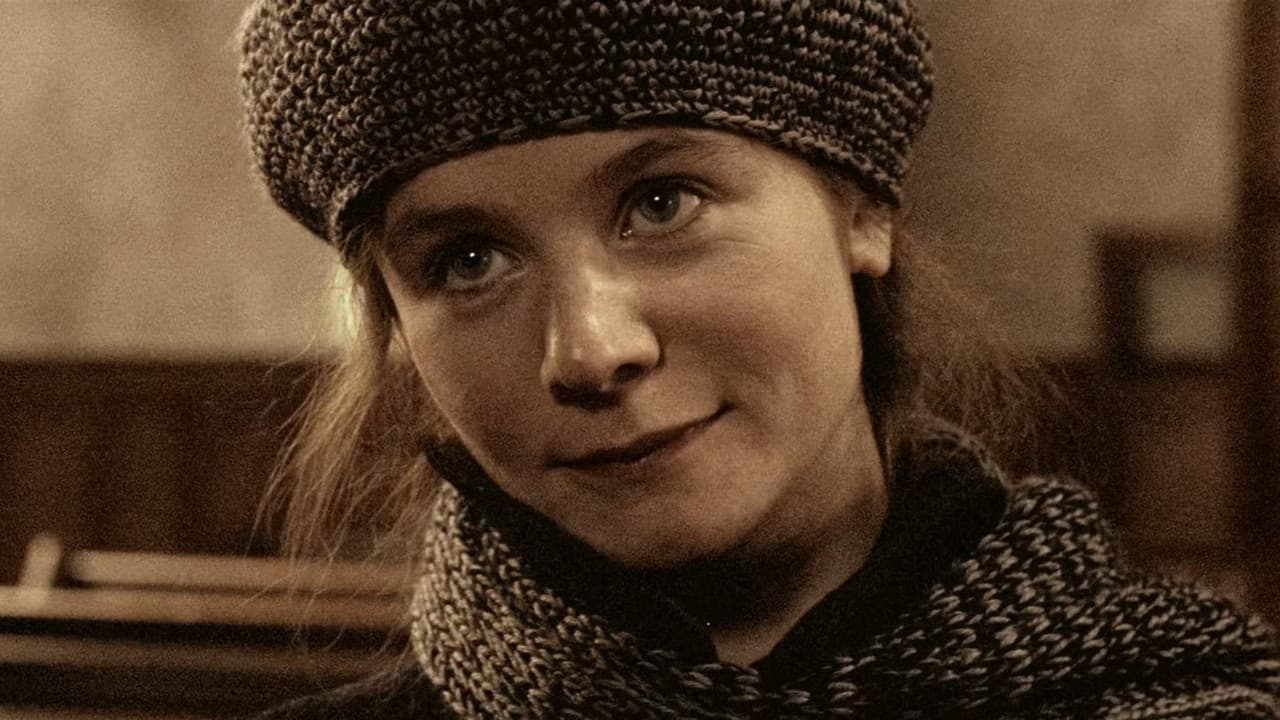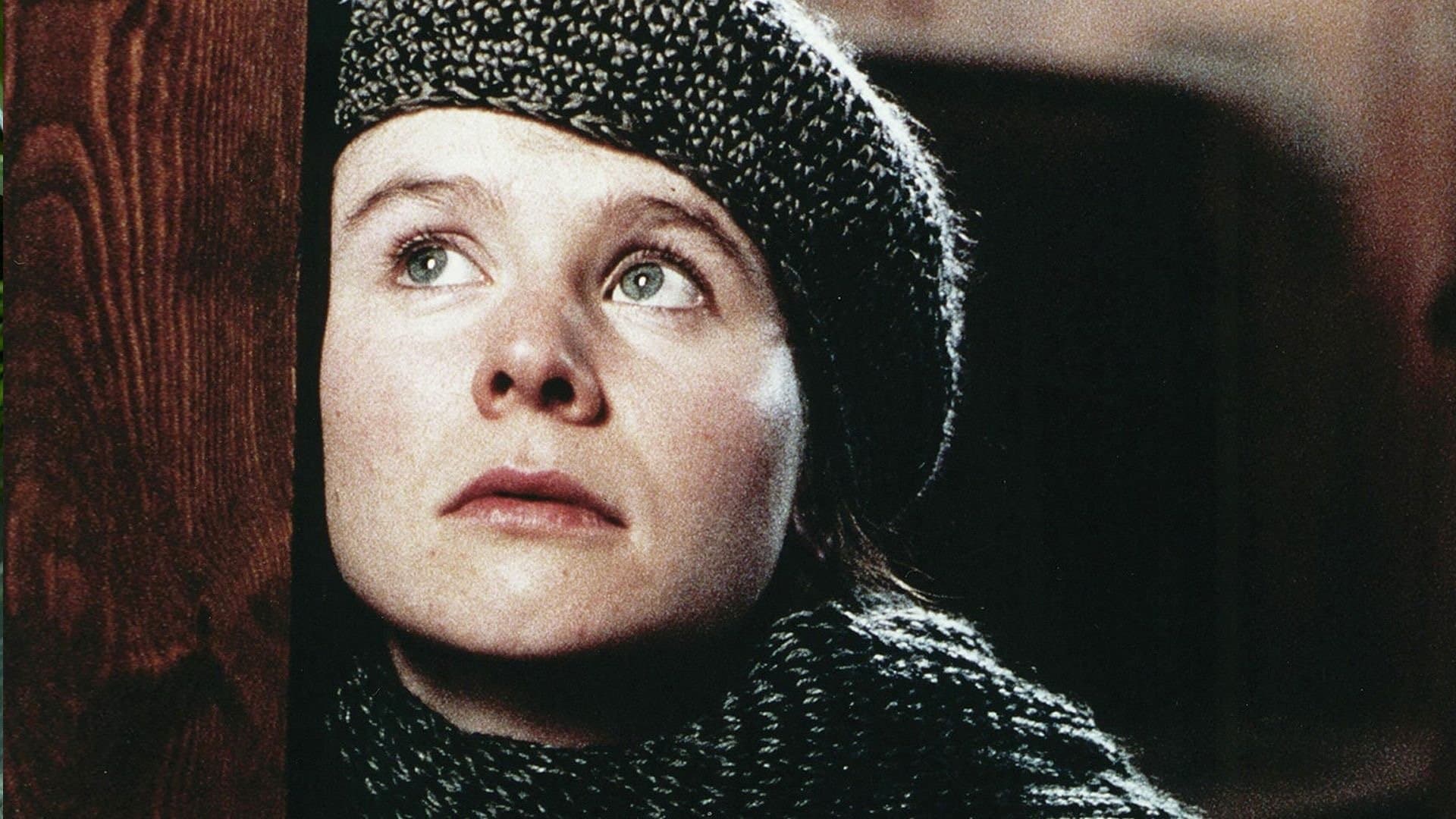
Emily Watson has revealed that her strict upbringing in a religious cult nearly prevented her from taking on the role that made her a star. The actress, who earned an Oscar nomination for her performance in the 1996 drama Breaking the Waves, spoke candidly about the internal conflict she faced before accepting the part.
Watson described herself at the time as "like a piece of wire that had been unplugged," explaining that her background left her emotionally and mentally unprepared for the demands of the film. The project, directed by Lars von Trier, required her to portray Bess McNeill, a devout young woman in a conservative Scottish village whose life unravels after her husband is paralyzed in an accident. The role involved explicit sexual content and emotional extremes, which stood in stark contrast to the sheltered environment in which Watson was raised.
The actress said that her initial reaction to the script was one of deep hesitation. Growing up in a cult had instilled in her a rigid sense of morality and a fear of judgment, and she worried that taking on such a provocative character would betray the values she had been taught. She admitted that she nearly walked away from the project altogether, convinced that she was not capable of handling the material or the scrutiny that would follow.
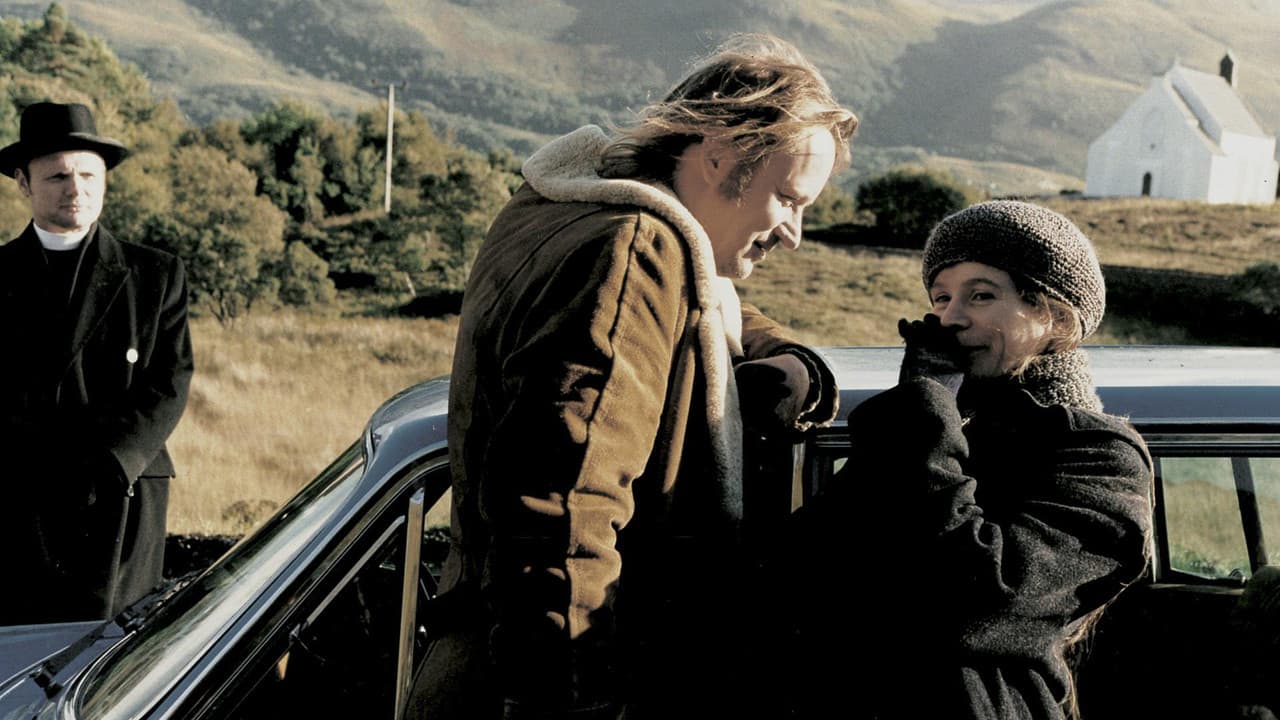
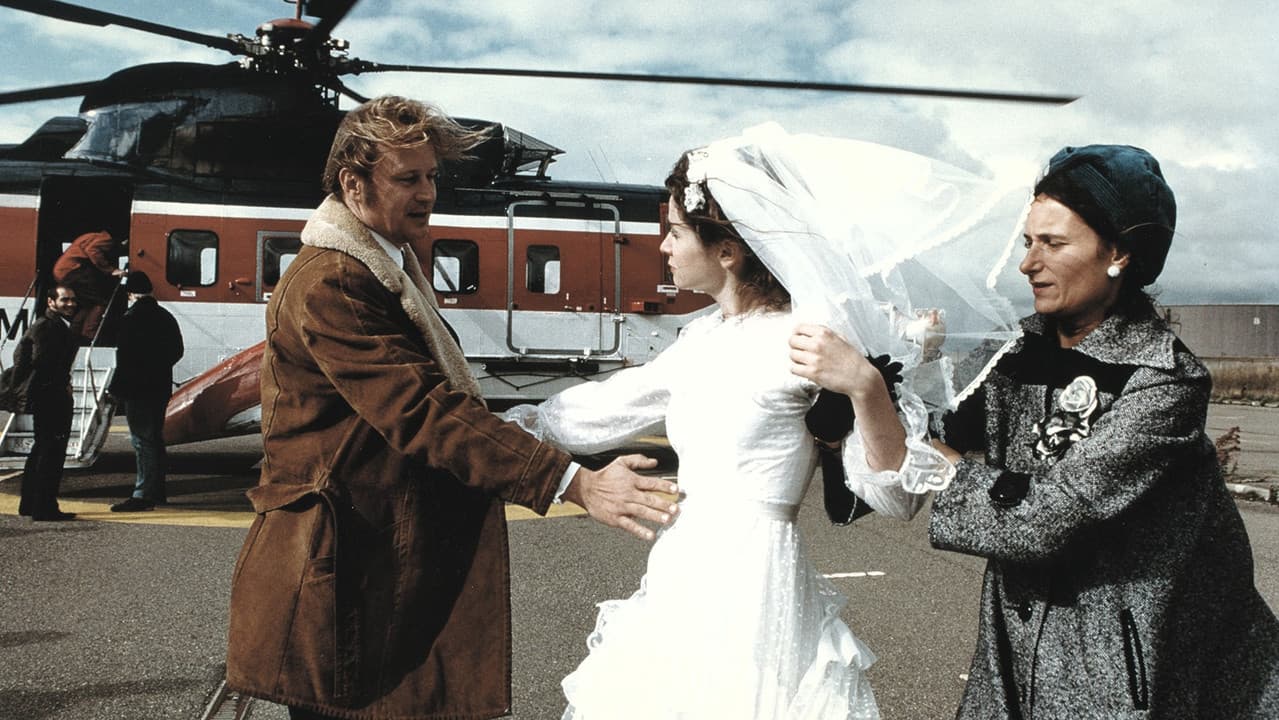
Breaking the Waves, which was released on July 5, 1996, tells the story of Bess, a woman living in a tight-knit, deeply religious community. When her husband Jan, played by Stellan Skarsgård, is left paralyzed after an accident, he urges her to have sexual encounters with other men as a way of keeping their connection alive. Bess, interpreting his request as a divine test of her love, reluctantly agrees, leading to a tragic sequence of events that challenges her faith and her sanity.
The film was a critical success and remains one of von Trier’s most celebrated works. It earned the Grand Prix at the Cannes Film Festival and was praised for its raw, handheld cinematography and Watson’s fearless central performance. Despite the acclaim, Watson’s journey to the screen was fraught with self-doubt. She recalled that the emotional weight of the character, combined with the unconventional shooting style, made her feel exposed in ways she had never experienced before.
Watson’s comments shed new light on the personal obstacles she overcame to deliver what many consider a landmark performance. She noted that the process of becoming Bess required her to confront not only the character’s vulnerabilities but also the lingering effects of her own past. The cult, she said, had taught her to suppress her instincts and to view her body and desires with suspicion. Unlearning those lessons while portraying a woman who acts on her husband’s unusual requests was a profound challenge.
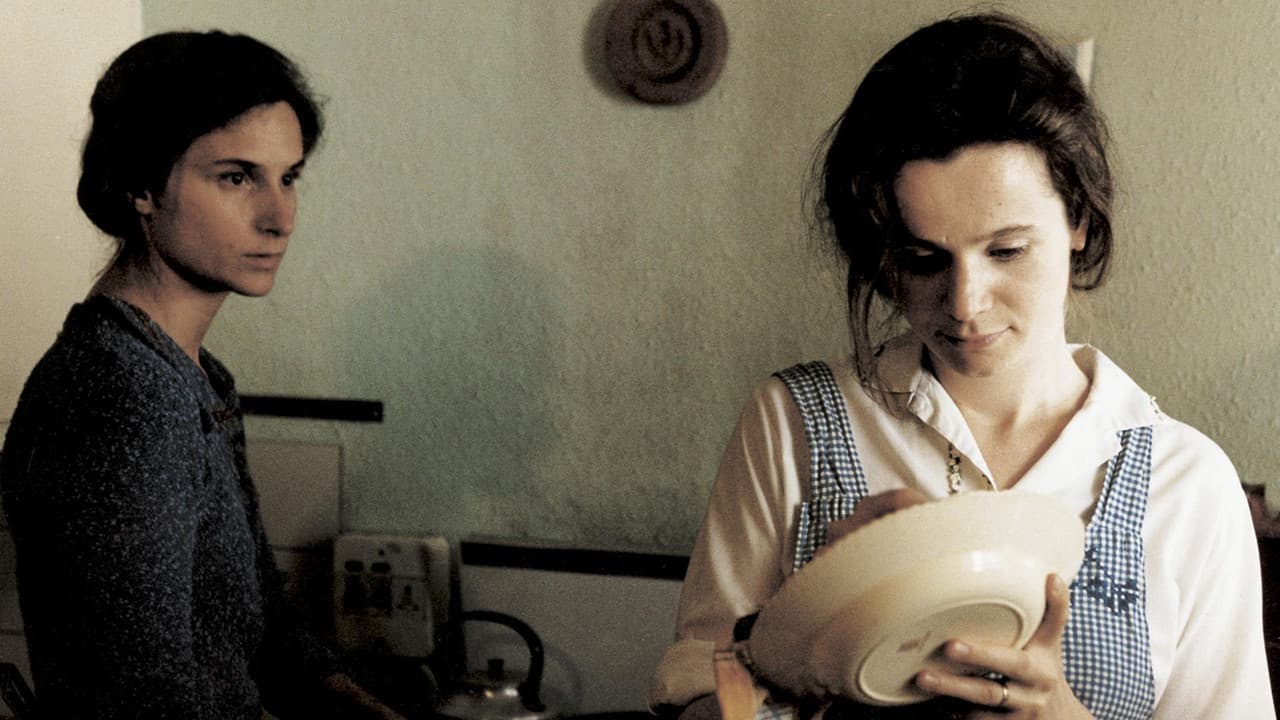
The supporting cast of Breaking the Waves includes Katrin Cartlidge as Dodo McNeill, Bess’s sister, and Jean-Marc Barr as Terry, as well as Adrian Rawlins, Sandra Voe, and Udo Kier in key roles. The film’s 159-minute runtime and its somber, often brutal narrative made it a demanding production for everyone involved, but Watson’s account suggests that the personal stakes were uniquely high for her.
Reflecting on the experience, Watson said that the role ultimately helped her break free from the constraints of her upbringing. She described the film as a turning point, not just in her career but in her understanding of herself. The process of playing Bess forced her to re-examine her beliefs and to accept parts of herself that she had long suppressed. In hindsight, she views the role as a form of liberation, even though it was born from a place of fear.
The film’s themes of guilt, devotion, and sacrifice resonate with Watson’s story in ways that feel almost serendipitous. Bess’s journey is one of a person wrestling with the dictates of her faith and the demands of love, and Watson has said she found unexpected parallels between Bess’s struggle and her own. The difference, she noted, is that Bess’s choices are external and visible, while Watson’s internal battle was largely hidden from view.
Since Breaking the Waves, Watson has built a distinguished career with roles in films like Hilary and Jackie, Punch-Drunk Love, and The Theory of Everything, as well as television work in Chernobyl and The Crown. But she has often cited her debut as the most formative experience of her professional life. Her latest remarks offer a rare glimpse into the psychological cost of that breakthrough and the resilience it required.
The film remains available for viewing and continues to be studied for its artistic ambition and its unflinching portrayal of human fragility. For Watson, the project was more than a career milestone; it was a test of her own courage. As she put it, stepping into Bess’s world meant confronting the very fears that had shaped her, and emerging on the other side with a new sense of purpose.
Source: Variety