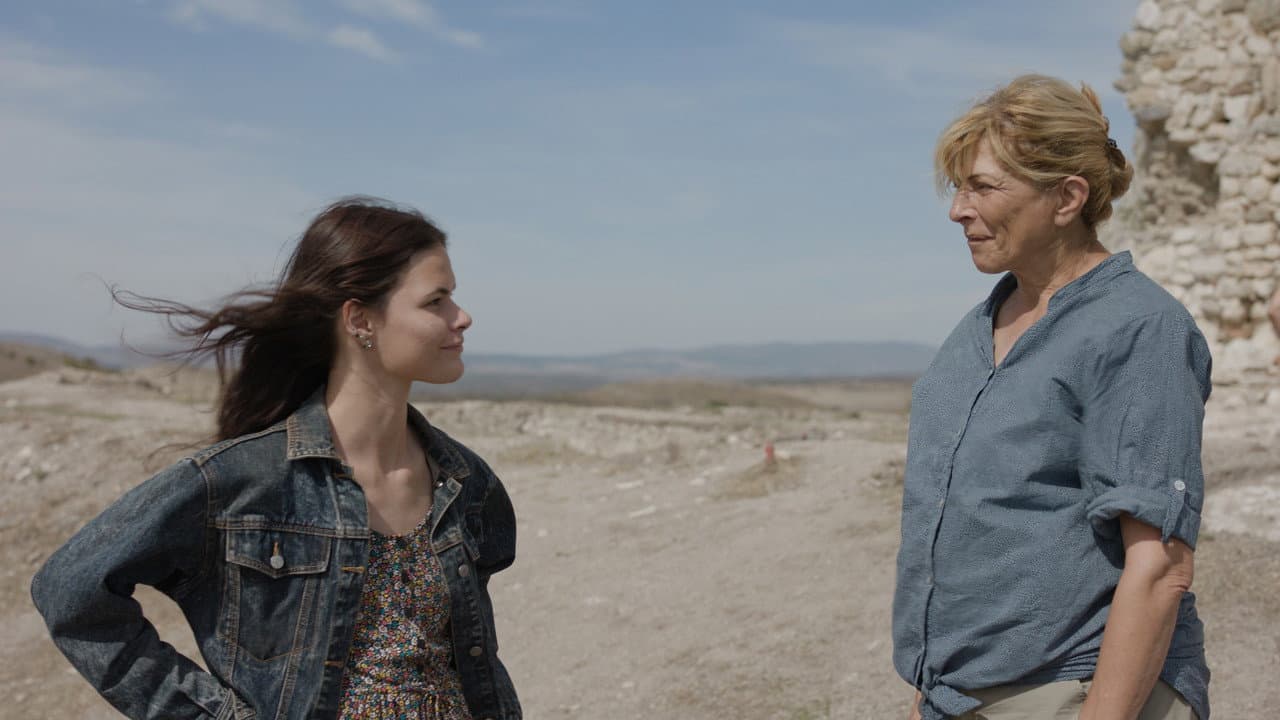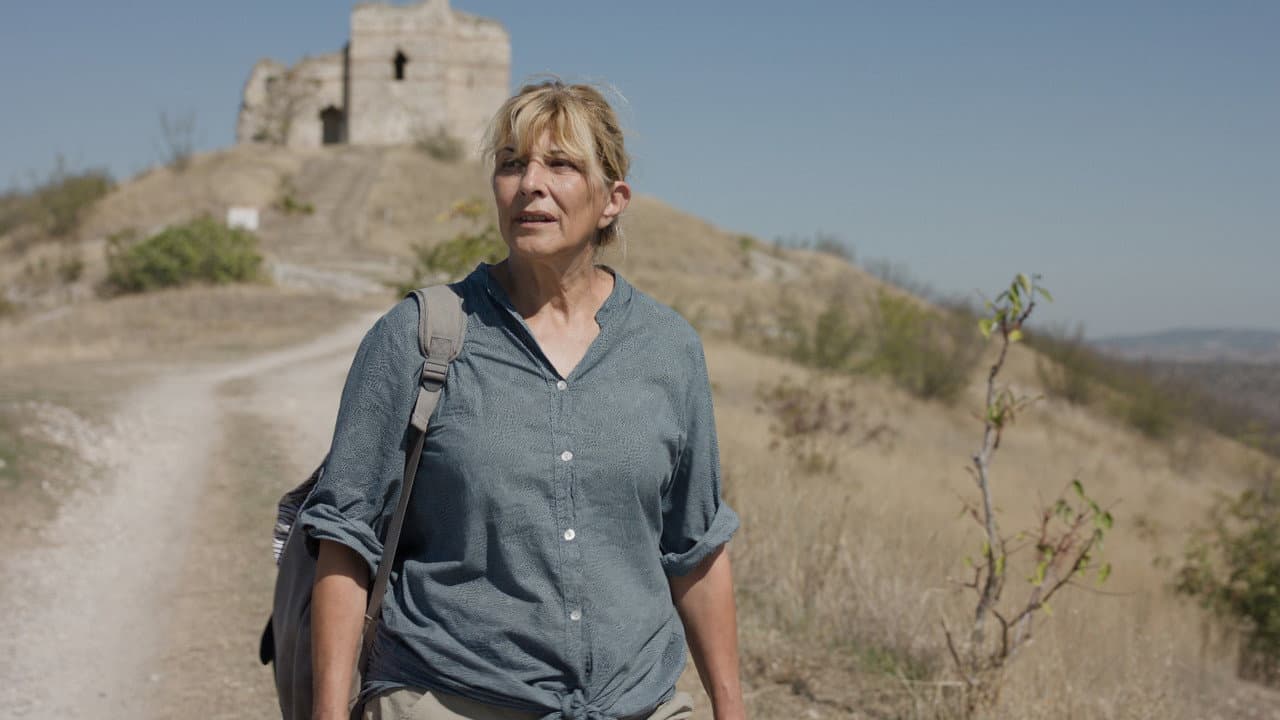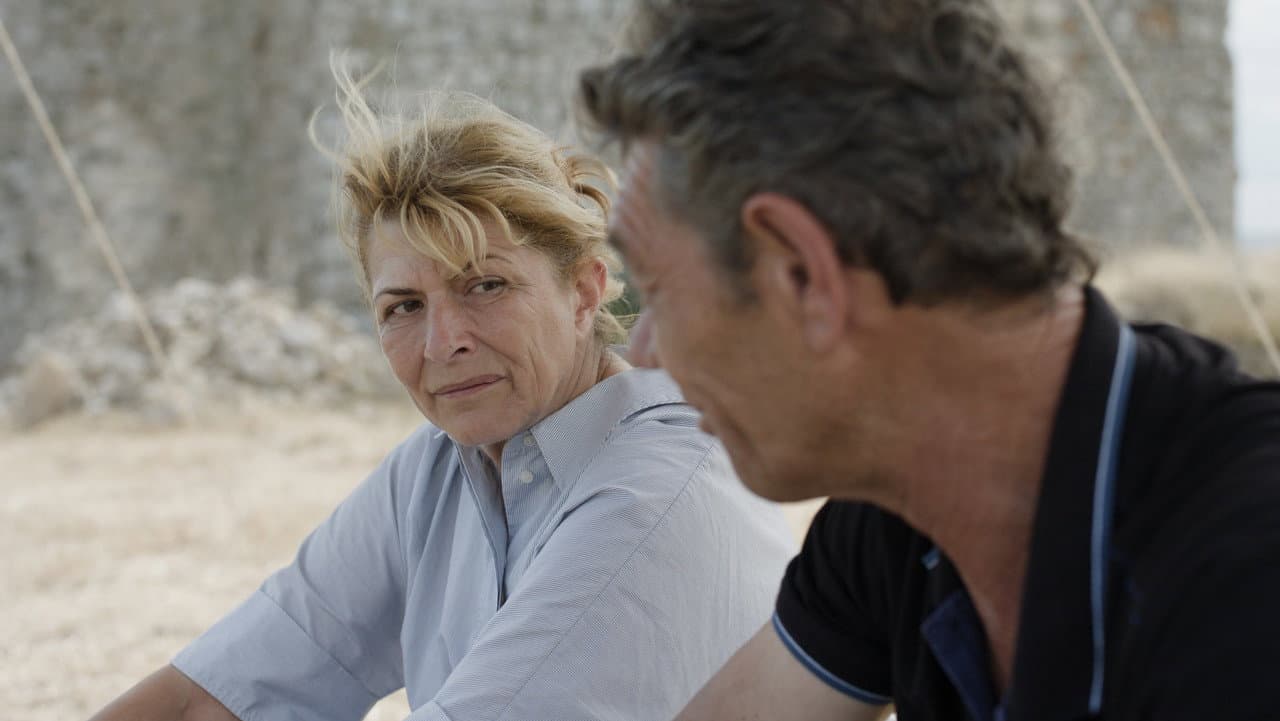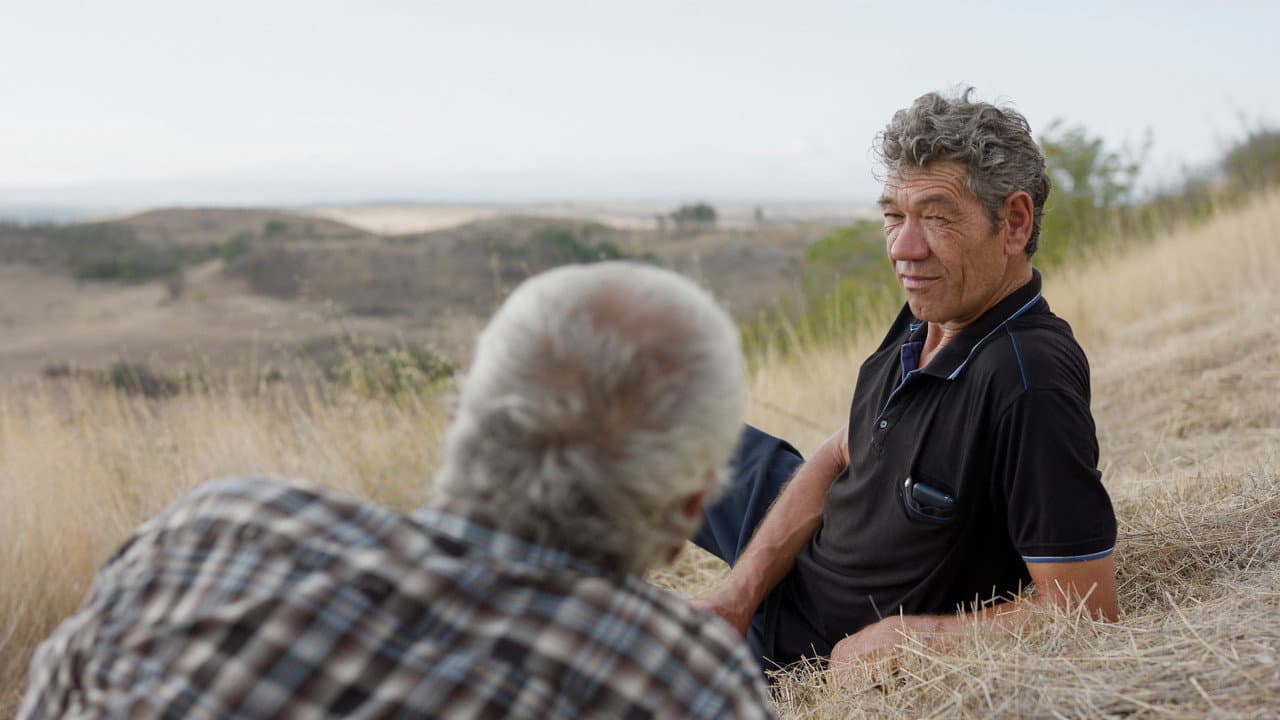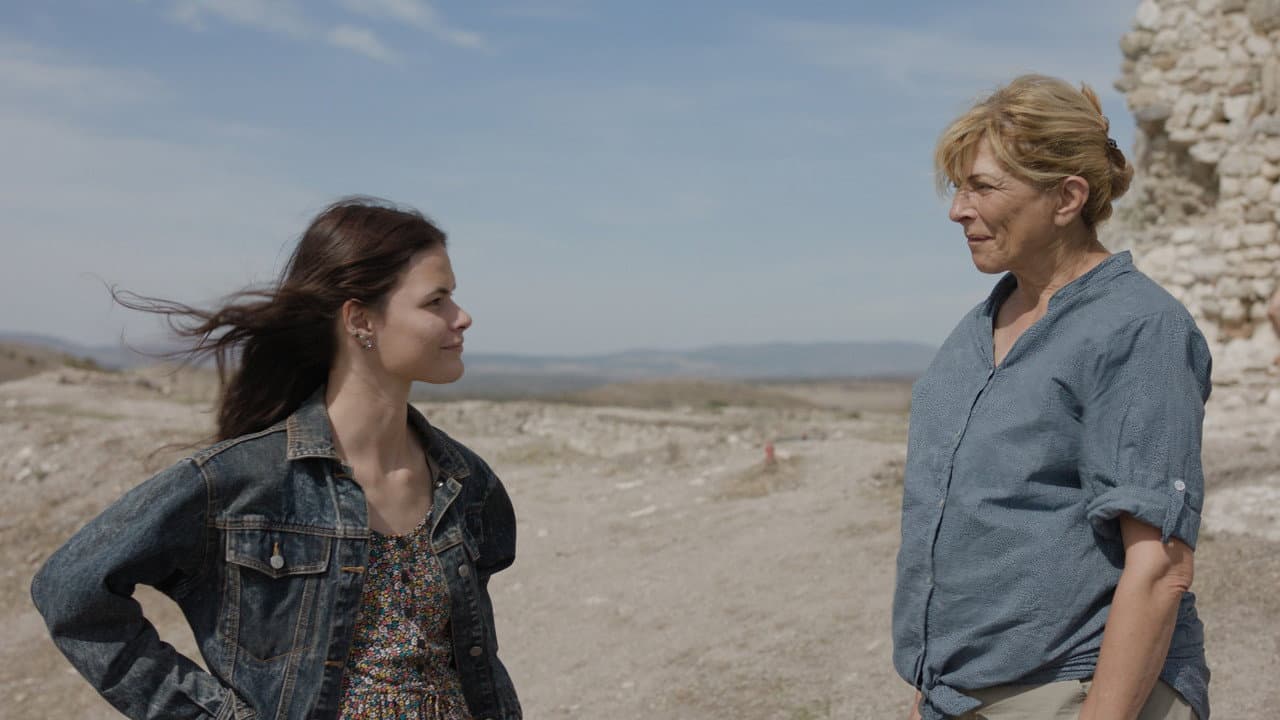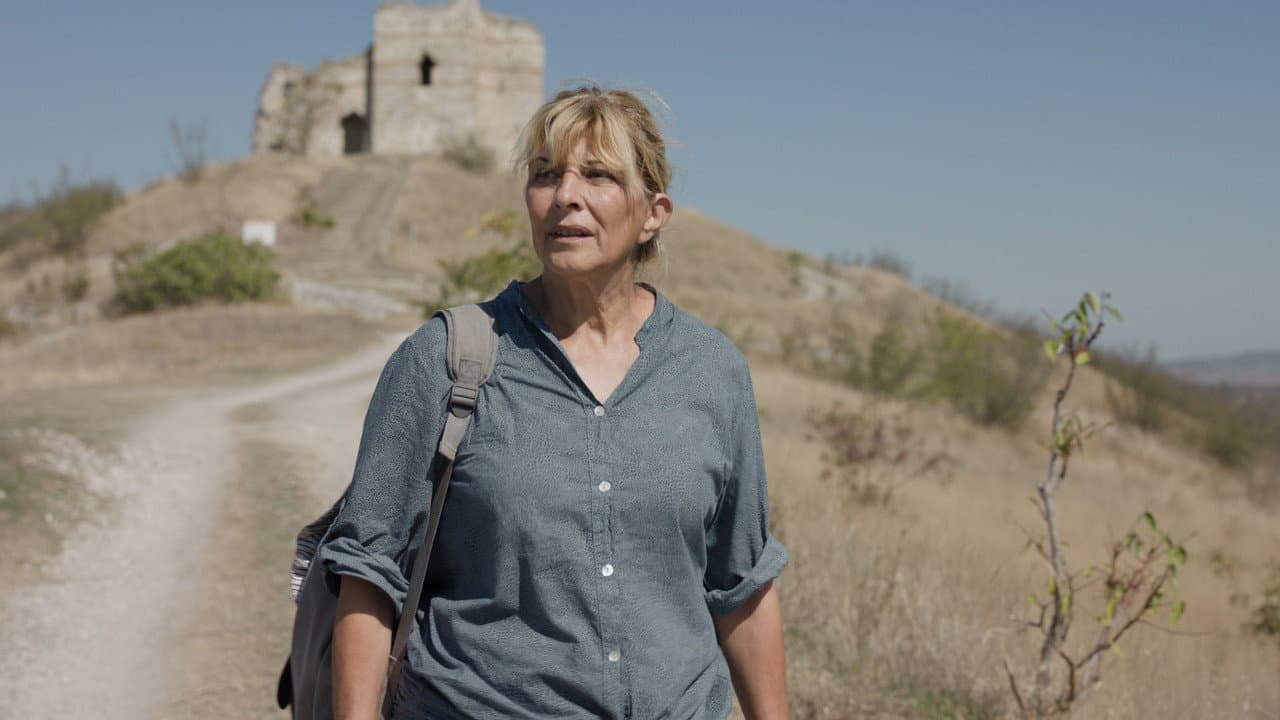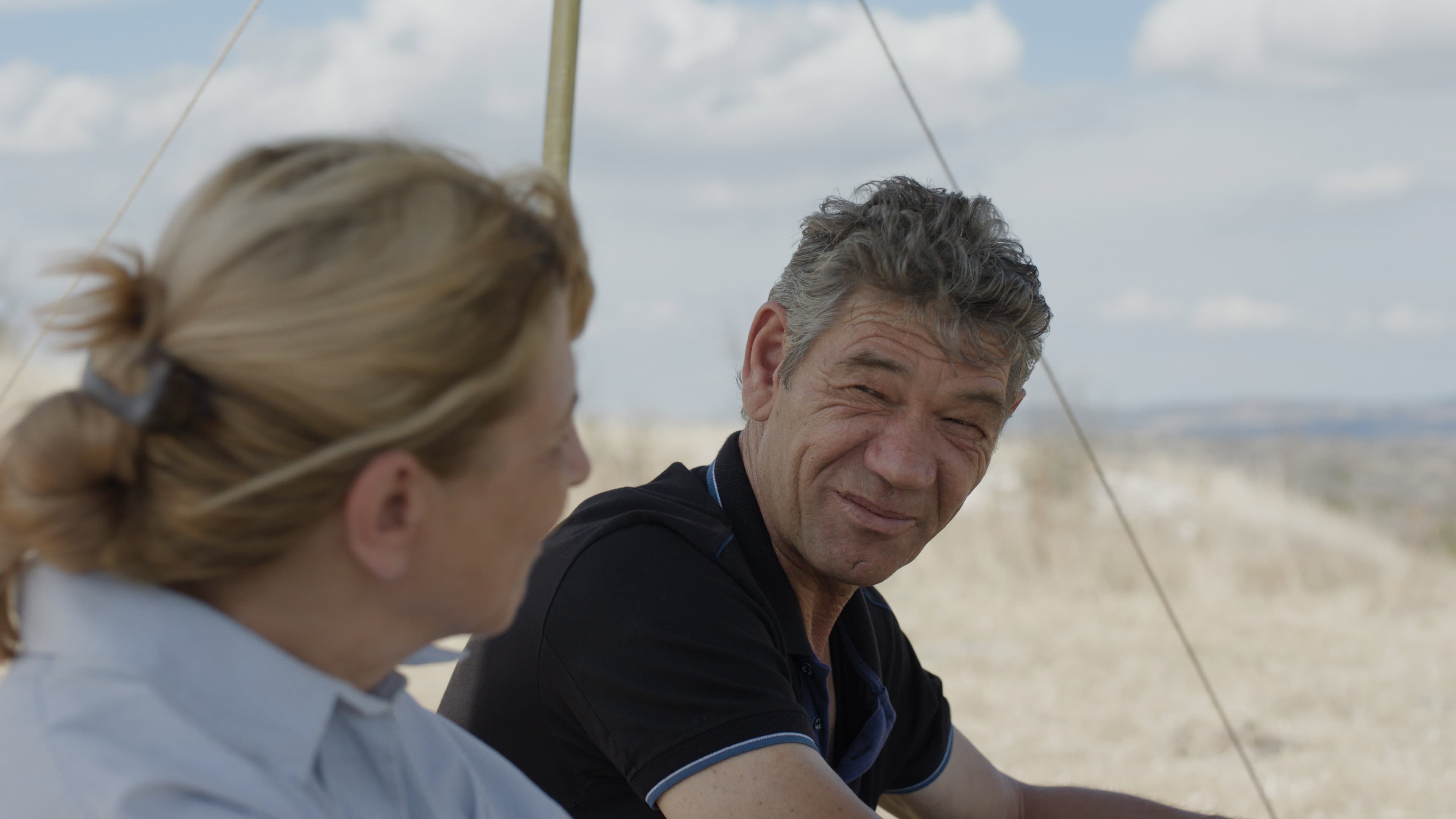
Bulgaria has selected Valeska Grisebach's "The Dreamed Adventure" as its submission for the Best International Feature Film category at the 2027 Academy Awards, positioning the Cannes-honored drama as the country's standard-bearer in one of the season's most closely watched races.
The film, which runs 167 minutes, centers on a woman living in the border region where Bulgaria, Greece and Turkey meet. She agrees to take part in a special arrangement to help a friend, a decision that pulls her into a dangerous situation and forces her to confront her own desires. The narrative blends drama, romance and mystery, and the picture had its wide release on July 15, 2026.
The selection was confirmed Tuesday by Bulgaria's national film body, which oversees the country's annual submission to the Academy of Motion Picture Arts and Sciences. The committee chose Grisebach's film from a shortlist of domestic contenders, according to people familiar with the deliberations, settling on a title that already carries significant international visibility after its festival run.
A Cannes Pedigree and an Unusual Language Profile
"The Dreamed Adventure" arrives in the Oscar race with a Cannes winner's pedigree, a factor that historically gives submissions a measurable boost in the early stages of the campaign. Festival awards do not guarantee an Academy nomination, but they tend to shape the narrative around a title before voters in the international branch begin their screenings.
What makes Bulgaria's pick distinctive is its linguistic profile. The film's original language is German, an unusual characteristic for a Bulgarian submission in a category where voters often assume a direct correlation between a country's selection and its dominant language. Academy rules allow submissions in any language provided the film meets the category's other eligibility requirements, and several countries in recent years have entered works whose primary dialogue is not the nation's official tongue.
Grisebach, a German director known for a patient, observational style, shot the film in the tri-border area, a region whose shifting political and cultural identities have long fascinated European filmmakers. The director assembled a cast led by Yana Radeva as Veska, alongside Syuleyman Alilov Letifo as Saïd, Stoicho Kostadinov as Iliya, Nikolay Shekerdjiev as Velko, Denislava Yordanova as Maria and Tiana Georgieva as Tiana.
The ensemble is largely composed of performers with deep ties to the region, a casting approach that Grisebach has favored throughout her career. The result, according to festival notes, is a film rooted in the textures of everyday life along a frontier that has been redrawn repeatedly over the past century.
A Competitive Season Takes Shape
Bulgaria's decision lands in the middle of a crowded international submission calendar. Dozens of national committees announce their picks between August and October, and the resulting list of contenders typically runs well past ninety titles before the Academy's shortlist narrows the field first to fifteen and then to five nominees.
For Bulgaria, the submission represents a bet on a filmmaker with a proven festival track record rather than a homegrown production designed to appeal directly to Academy voters. That strategy has worked for countries with smaller film industries before, particularly when the chosen title carries a major festival prize.
The film's 5.9 out of 10 rating on TMDb, a user-driven database, suggests a divided response from early audiences, though such aggregate scores rarely predict how the Academy's international voting members will receive a title. Voters in that branch are required to demonstrate they have seen each submitted film, a rule that tends to reward titles with strong distribution and visible campaign support.
The runtime of 167 minutes could present a logistical hurdle. Long films often struggle in a category where voters are asked to work through a substantial slate, and a nearly three-hour drama demands a significant commitment. Still, several lengthy submissions have overcome that obstacle in past cycles, particularly when a director's reputation precedes the film.
What Comes Next
Bulgaria now moves into the campaign phase, which typically involves screenings for Academy members, press outreach and efforts to secure additional distribution in the United States. The country has never won the international feature Oscar, and its nominations in the category have been sporadic.
The Academy will announce its shortlist in December, with the final five nominees revealed in January ahead of the ceremony. Whether "The Dreamed Adventure" advances will depend in part on how the film connects with voters who may be encountering Grisebach's work for the first time.
For now, Bulgaria's committee has made its choice: a Cannes winner, a German-language drama, and a story set in a borderland where the lines between countries, and between obligation and desire, are never entirely clear. The film's release earlier this summer means it is already in the marketplace, giving Academy members ample opportunity to see it before the voting window opens.
Source: The Hollywood Reporter