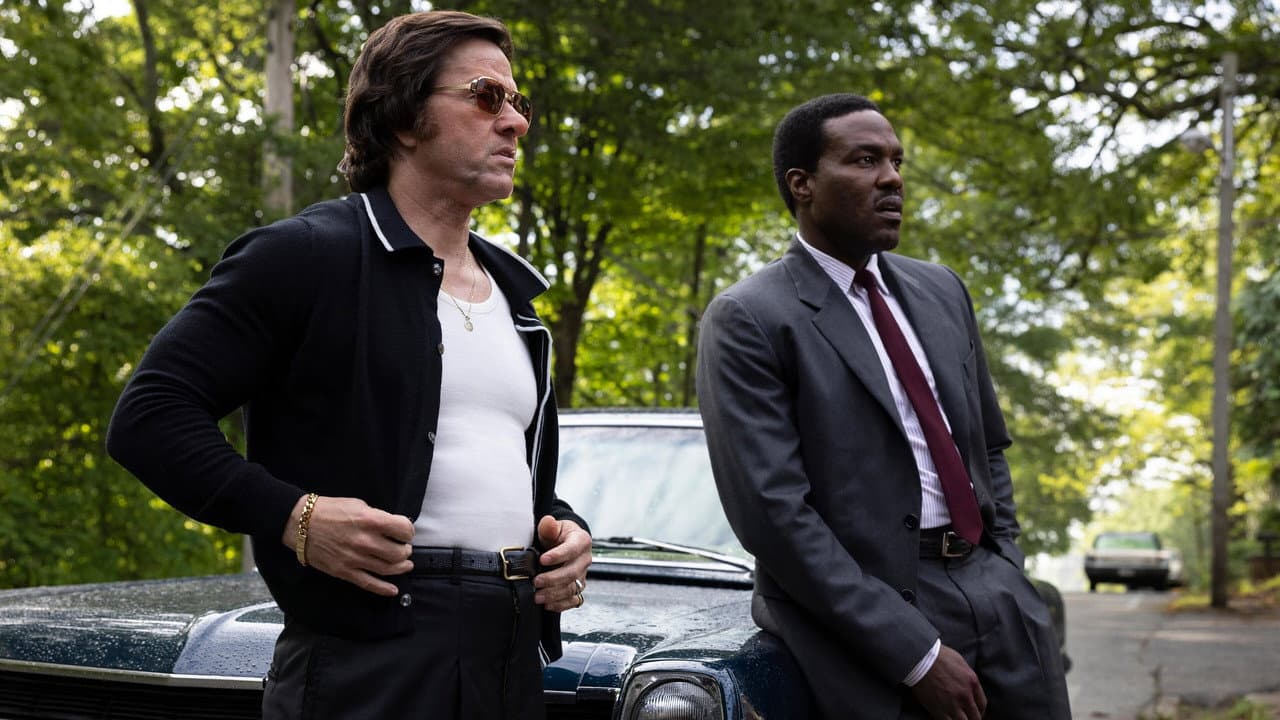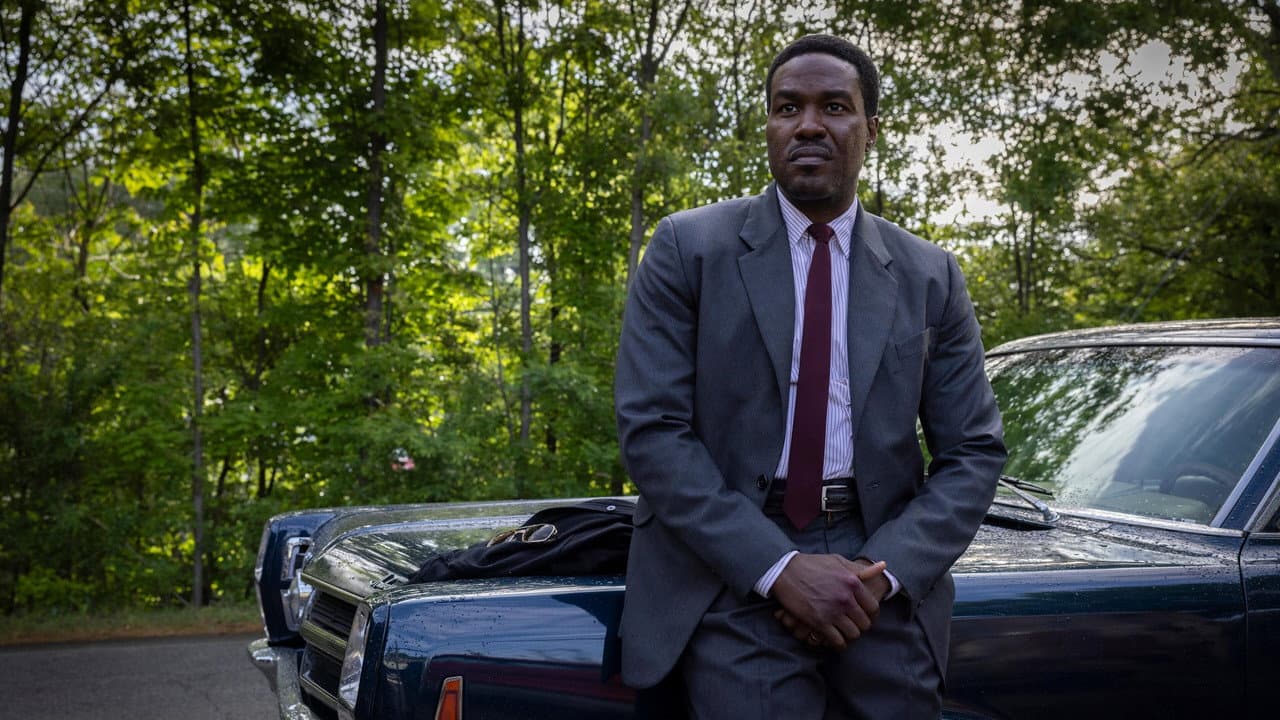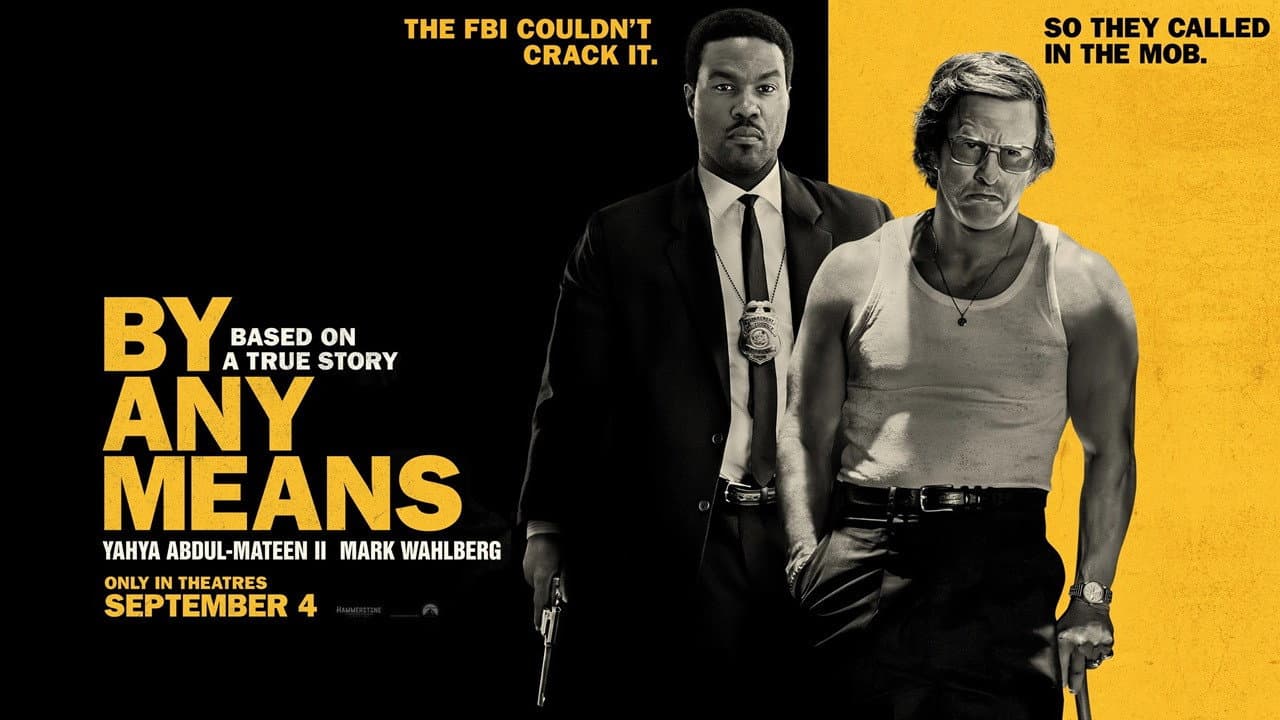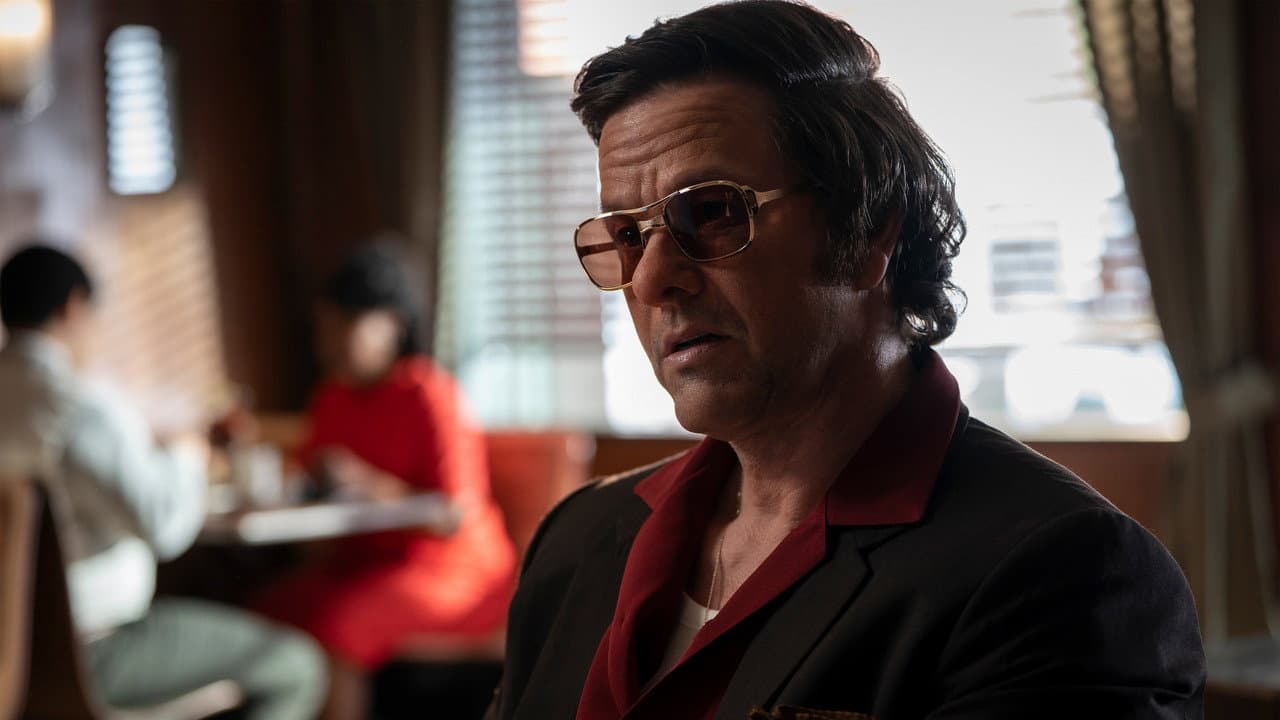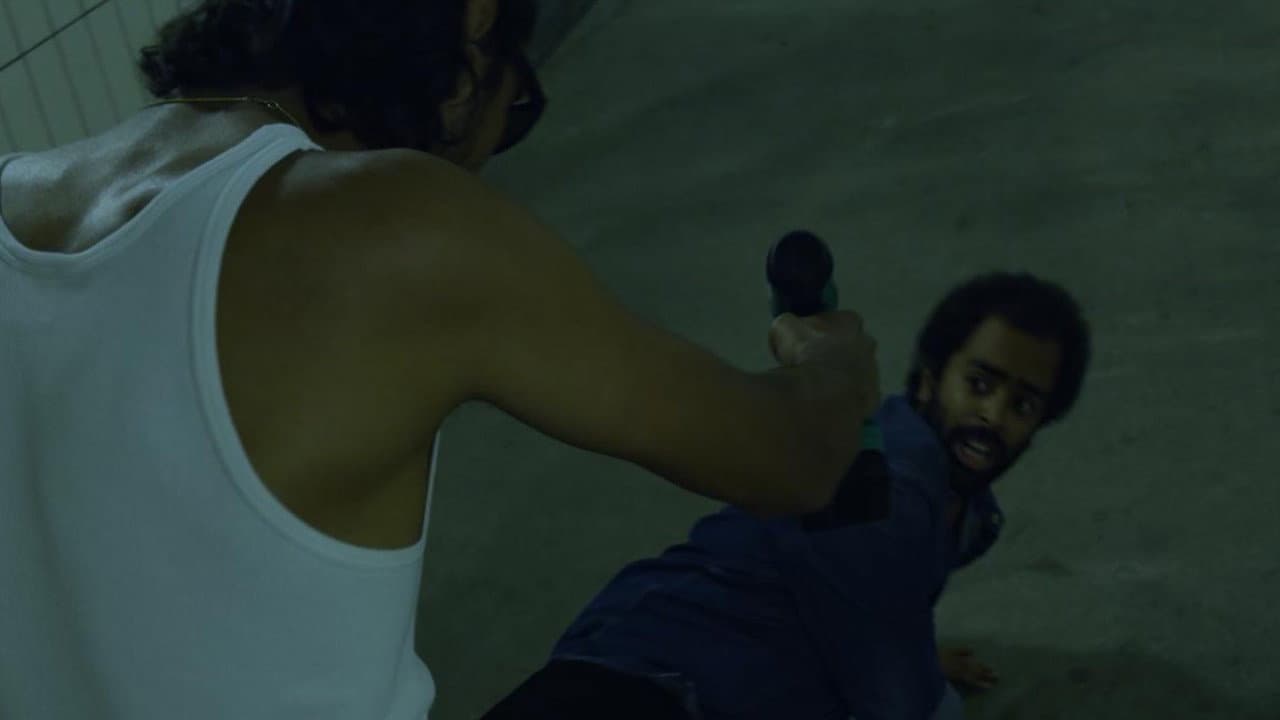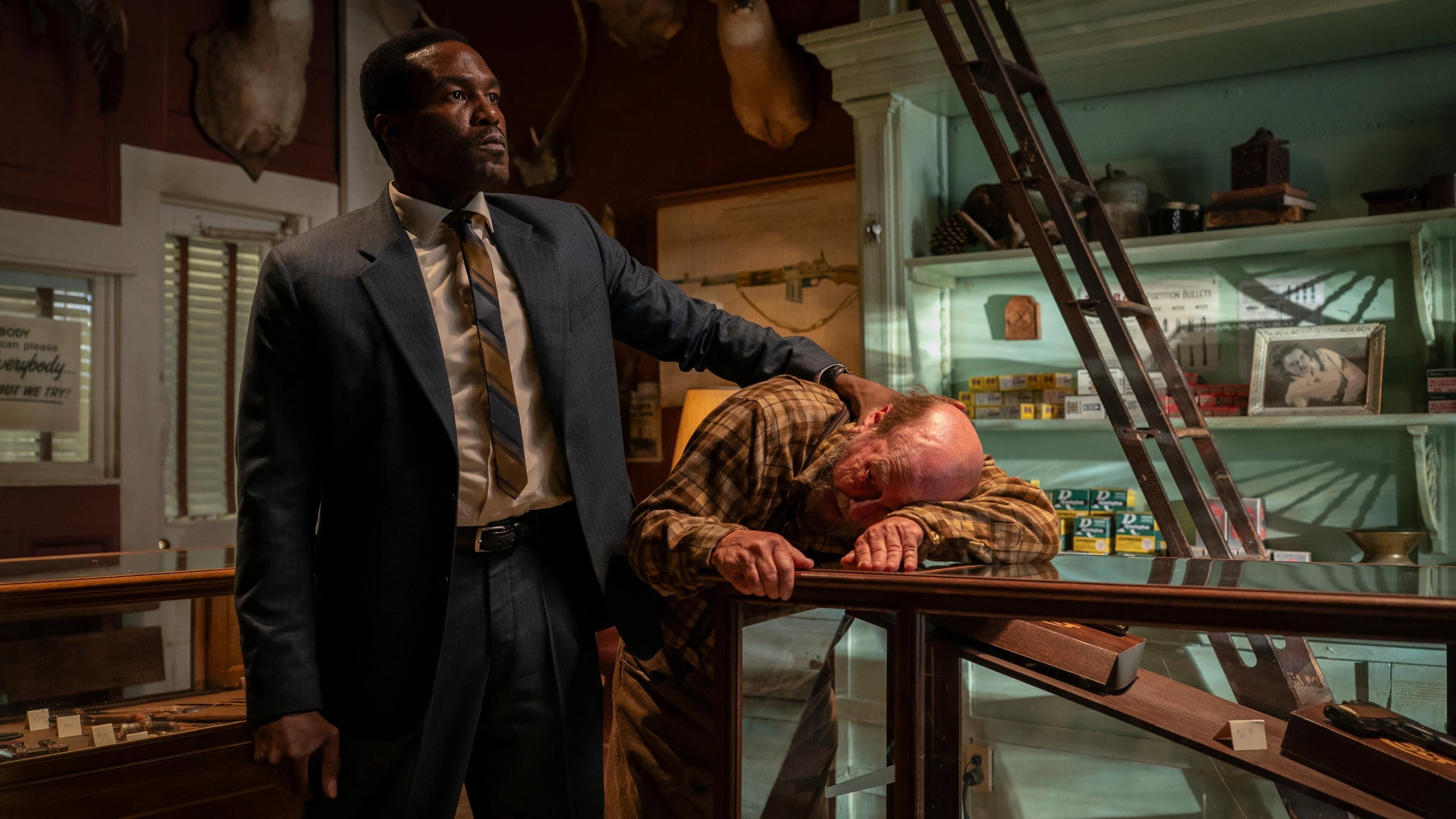
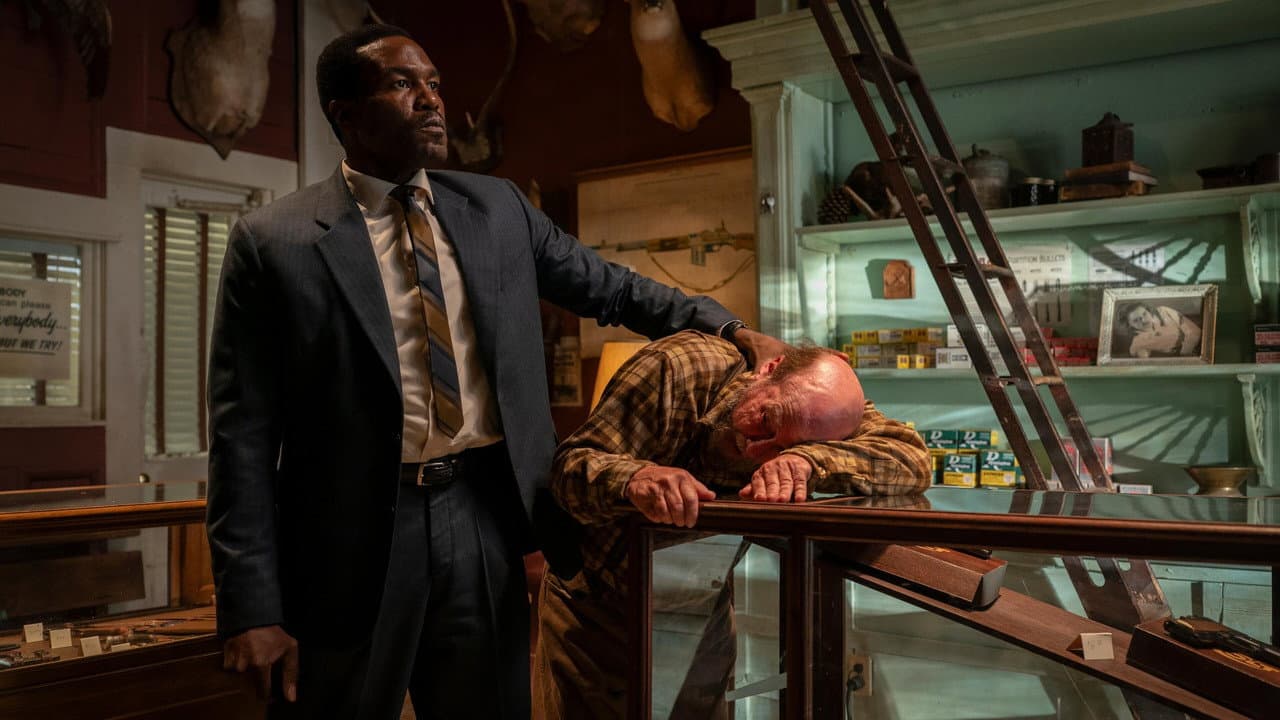
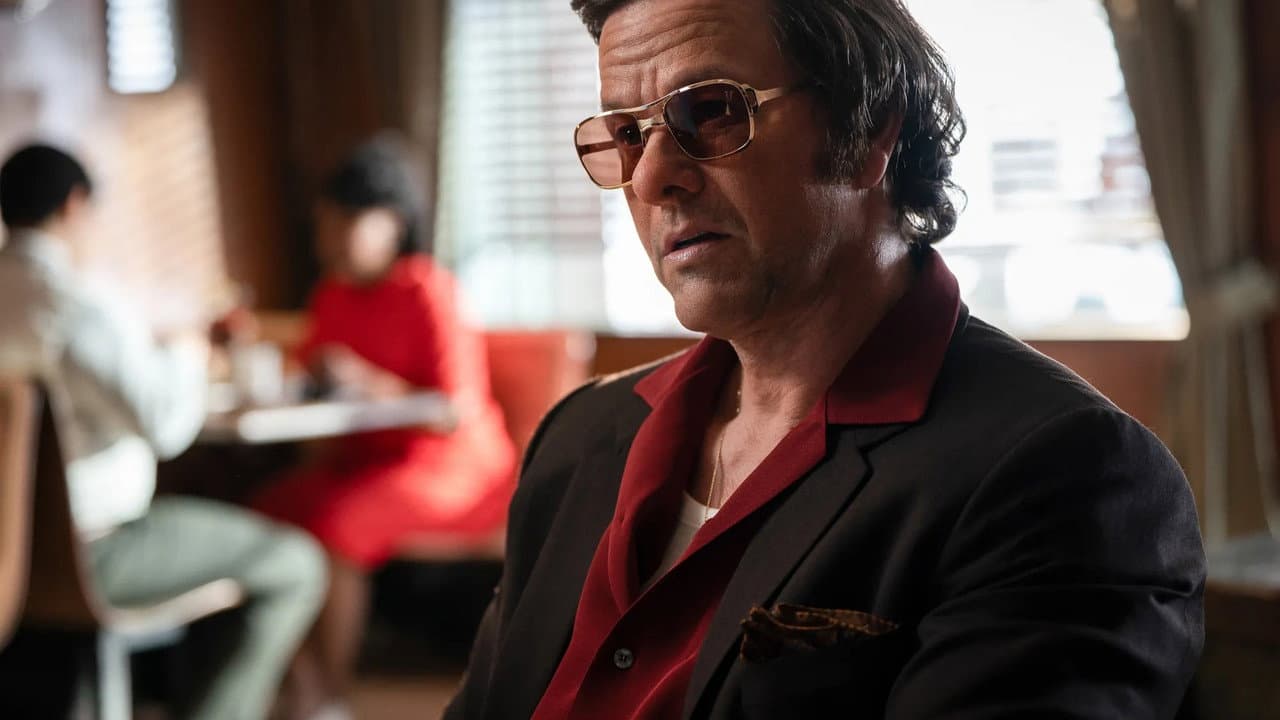
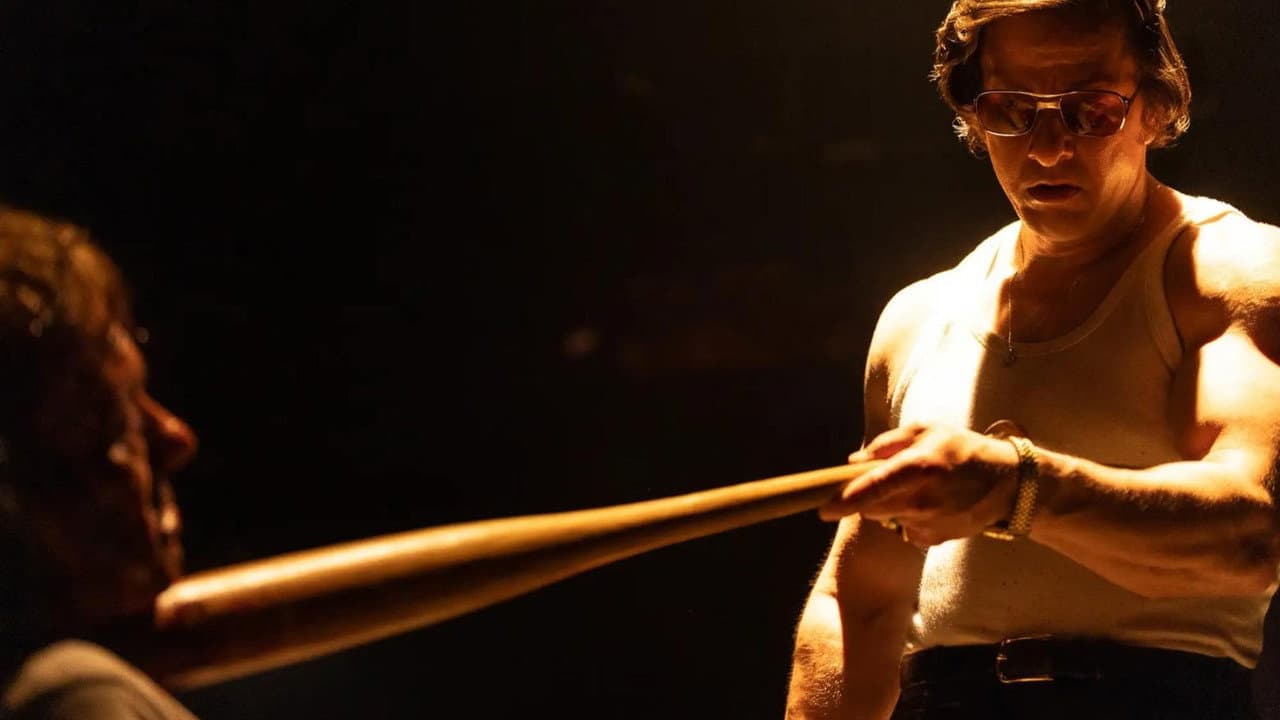
The premise is almost too impossible to believe, which is why it burns so bright on screen. It’s 1964. Wayne Strider (Abdul-Mateen II), a brilliant and upwardly mobile young Black FBI agent from the North, is handed an assignment no one else wants: infiltrate Mississippi’s Klan-adjacent networks after a wave of targeted murders of civil rights organizers. The Bureau, hamstrung by J. Edgar Hoover’s ambivalence and local corruption, has decided the cleanest instrument is dirty. Enter Gregory Scarpa (Wahlberg) - a Jewish-Italian mob captain from Brooklyn, known for his casual cruelty and a photographic memory for “favors.” Strider is ordered to serve as Scarpa’s handler and partner, using the gangster’s terrifying methods to extract information that legal channels can’t touch.
The two men are oil and vinegar, but as bodies pile up and the Klan’s reach extends into local law enforcement, Strider discovers that Scarpa’s brutal pragmatism isn’t just effective - it’s seductive. The investigation forces Strider to confront a question that gnaws at him: if the system you serve is rotten, is it betrayal to let a monster do your dirty work? Based loosely on the unsealed FBI files around Scarpa’s Mississippi operations, the screenplay (credited to three writers) doesn’t fictionalize the dark core. It dramatizes the psychological toll with unnerving precision, while a subplot involving Giancarlo Esposito’s dignified, doomed Vernon Dahmer provides the moral compass neither protagonist can hold steady.