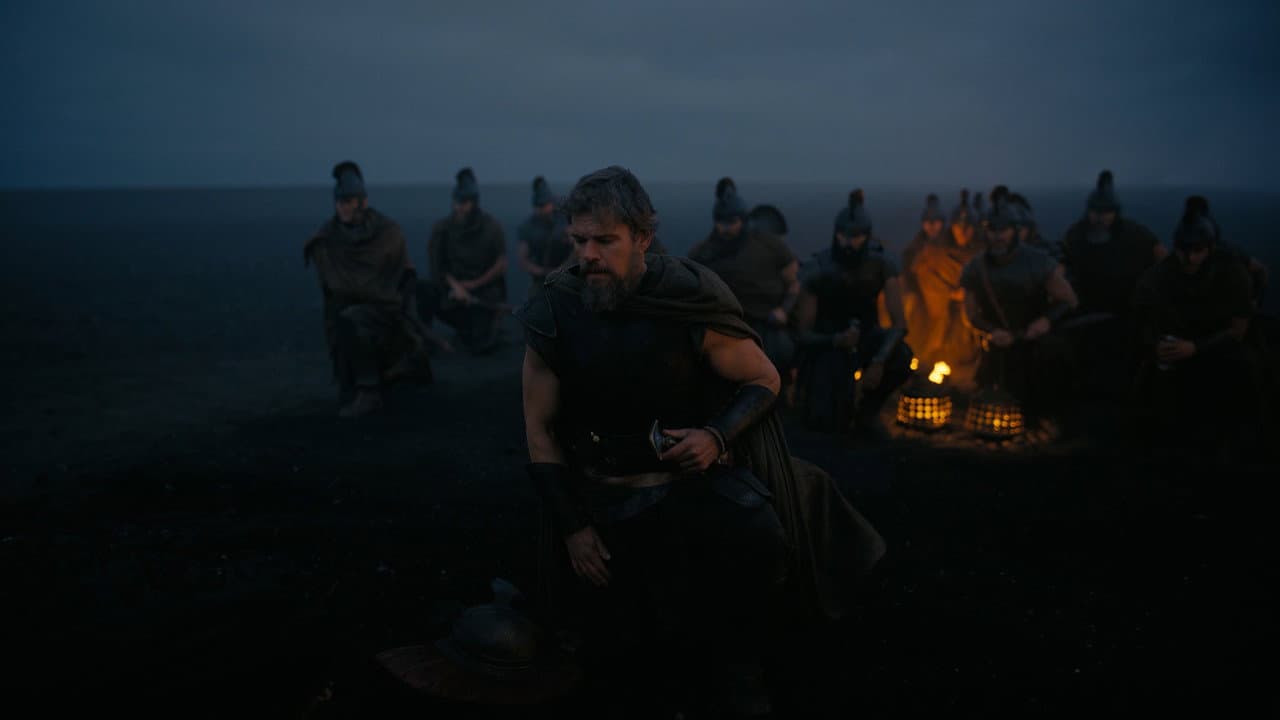


Charlize Theron believes that Hollywood has been handed a lesson it badly needed, and she credits Christopher Nolan's "The Odyssey" with delivering it. The Oscar-winning actress, who plays the goddess Calypso in the epic adaptation of Homer's poem, said the film's performance proves that audiences will turn out in force for ambitious, mythic storytelling when studios are willing to commit real resources to it. Her remarks arrive two months after the film opened on July 15, 2026, and as it continues to hold a rare 8.018 rating on TMDb, a figure that reflects both the scale of its viewership and the enthusiasm of its reception.
A 173-Minute Epic That Trusts Its Audience
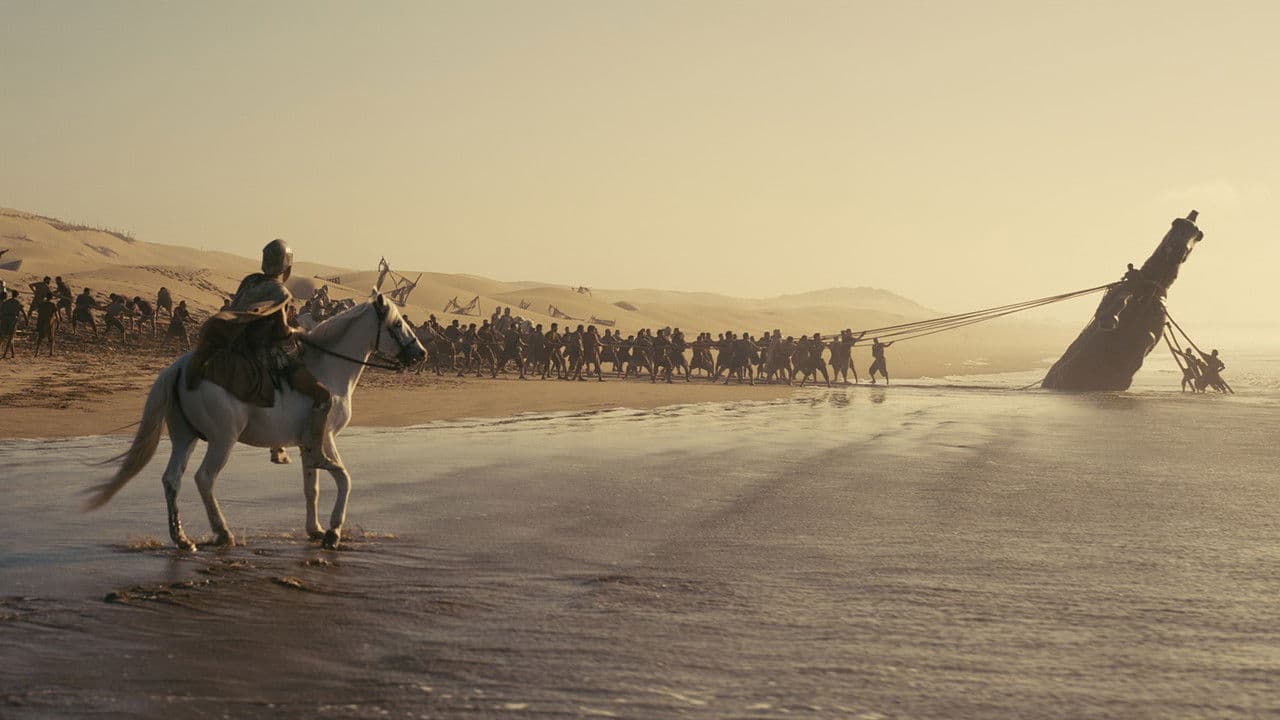
Theron's central argument is that "The Odyssey" succeeds precisely because it refuses to apologize for its size. The film runs 173 minutes and plunges viewers into the aftermath of the Trojan War, following Odysseus, the legendary King of Ithaca, as he struggles across a hostile world to reach home. Along the way he contends with the schemes of gods, mythological monsters, and ordeals that test his cunning and his humanity alike. For Theron, that combination of length, seriousness, and spectacle is not a liability but the entire point, and she suggested the industry had spent years talking itself out of exactly this kind of swing.
She framed the movie as a reminder rather than a revolution, noting that the tools for this sort of filmmaking never disappeared; what vanished was the confidence to use them. Watching audiences embrace a three-hour adventure drawn from ancient source material struck her as evidence that the presumed ceiling on ambitious films was always more fiction than fact.
An Ensemble Built for Scale
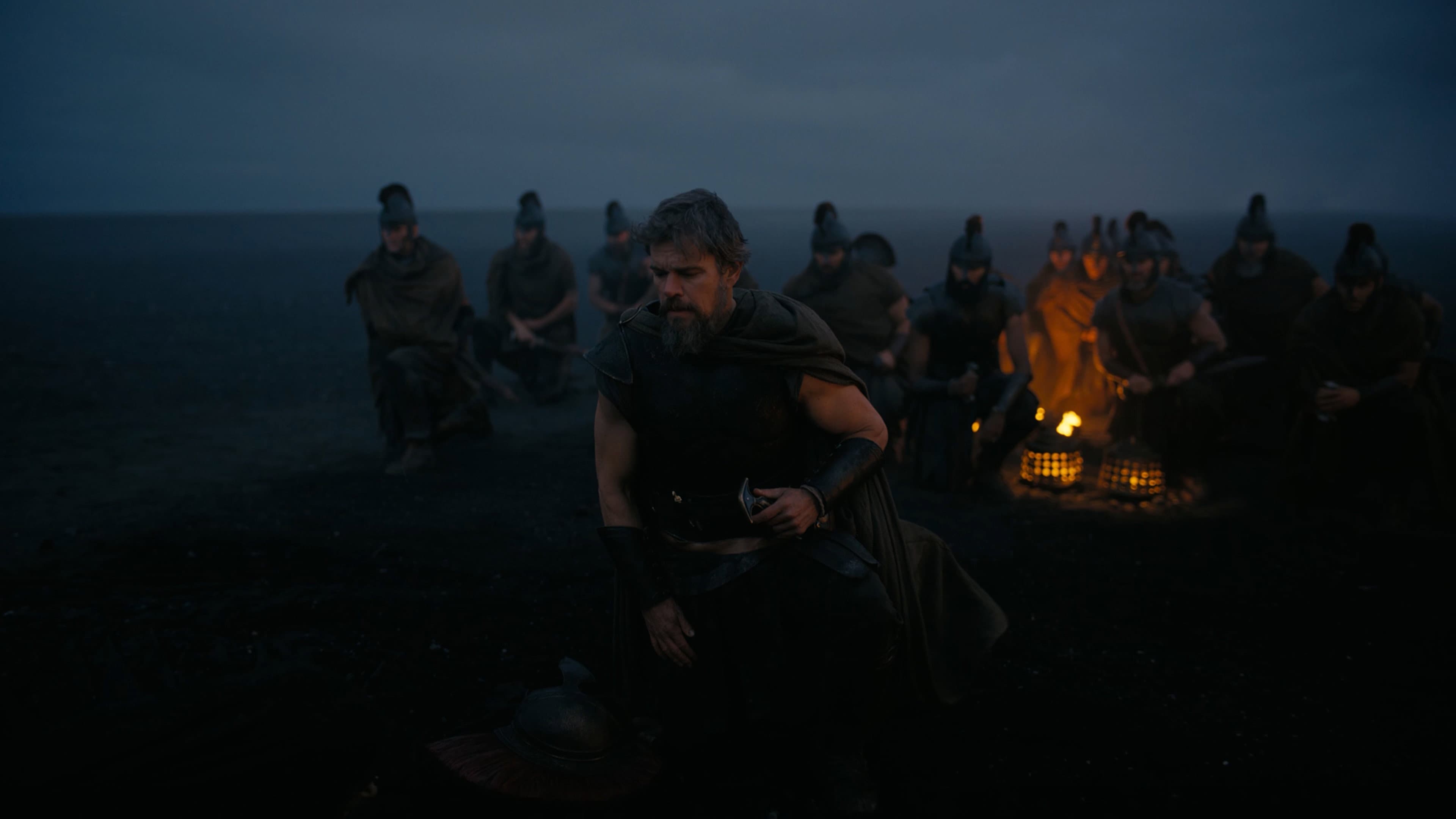
Much of the film's weight rests on Matt Damon, who leads as Odysseus and carries the narrative across its long voyage. Tom Holland plays Telemachus, the son left behind, while Anne Hathaway portrays Penelope, the queen enduring her own siege of patience at home. Robert Pattinson appears as Antinous, the suitor whose presence sharpens the tension in Ithaca, and Himesh Patel takes the role of Eurylochus, Odysseus's conflicted crewmate. John Leguizamo plays the loyal swineherd Eumaeus, and the musician Travis Scott rounds out the cast as a bard.
Theron's Calypso sits at one of the story's most emotionally complicated junctions, a figure whose power over Odysseus is matched by the loneliness that defines her. The actress described the part as the kind of role that only exists in films operating at this scale, where a single supporting character can carry mythological and psychological weight at once. She praised Nolan for treating even the smaller turns as essential architecture rather than decoration.
Nolan's Bet on Myth and Spectacle
Nolan directed the film, and its release on July 15, 2026 placed it squarely in the heart of the summer season, a slot typically reserved for franchise fare rather than classical adaptation. The director's decision to mount a straight-faced treatment of Homer's material, with English-language dialogue and a Hollywood production behind it, represented a notable gamble on the idea that ancient stories can still function as mass entertainment.
Theron argued that the gamble paid off in cultural terms as much as commercial ones, because it reopened a door that had been closing for years. She pointed out that the adventure, action, and fantasy elements of the film are not concessions to modern tastes but features native to the source, and that treating them with craft rather than condescension is what separates a genuine epic from a hollow one. In her view, the film's durability in the conversation weeks after release says more than any opening-weekend noise could.
What the Industry Should Take From It
The broader implication, according to Theron, is that studios have been underestimating what viewers want. She suggested that the appetite for long-form, mythologically grounded storytelling has been there all along, waiting for someone to serve it properly. The lesson she drew is not that every project should be a 173-minute epic, but that the reflexive retreat from ambition has cost Hollywood both audiences and prestige.
She also credited the ensemble for making the scale feel human, noting that spectacle without performance collapses under its own weight. Damon's Odysseus, she said, only works because the audience can see the cost of every delay and every loss on his face, and that intimacy is what allows the monsters and gods to matter. For Theron, that balance is the real takeaway, and the reminder she hopes the industry actually hears.
Source: The Hollywood Reporter