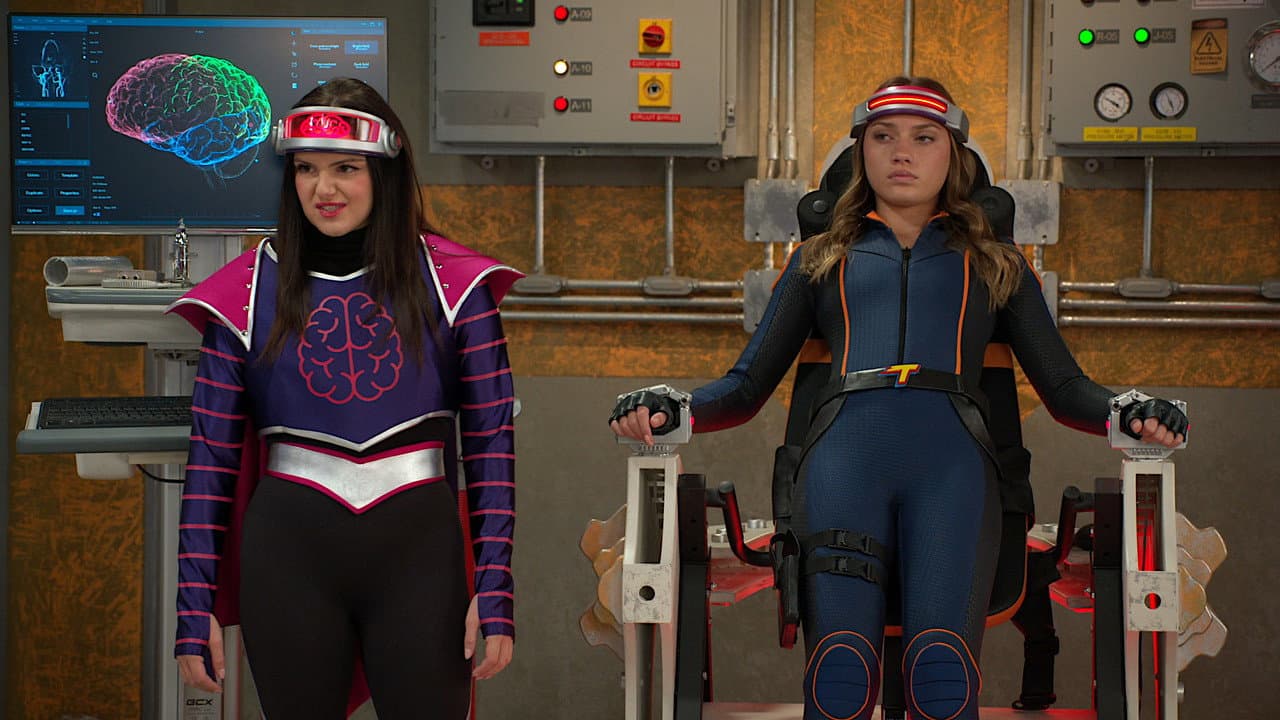
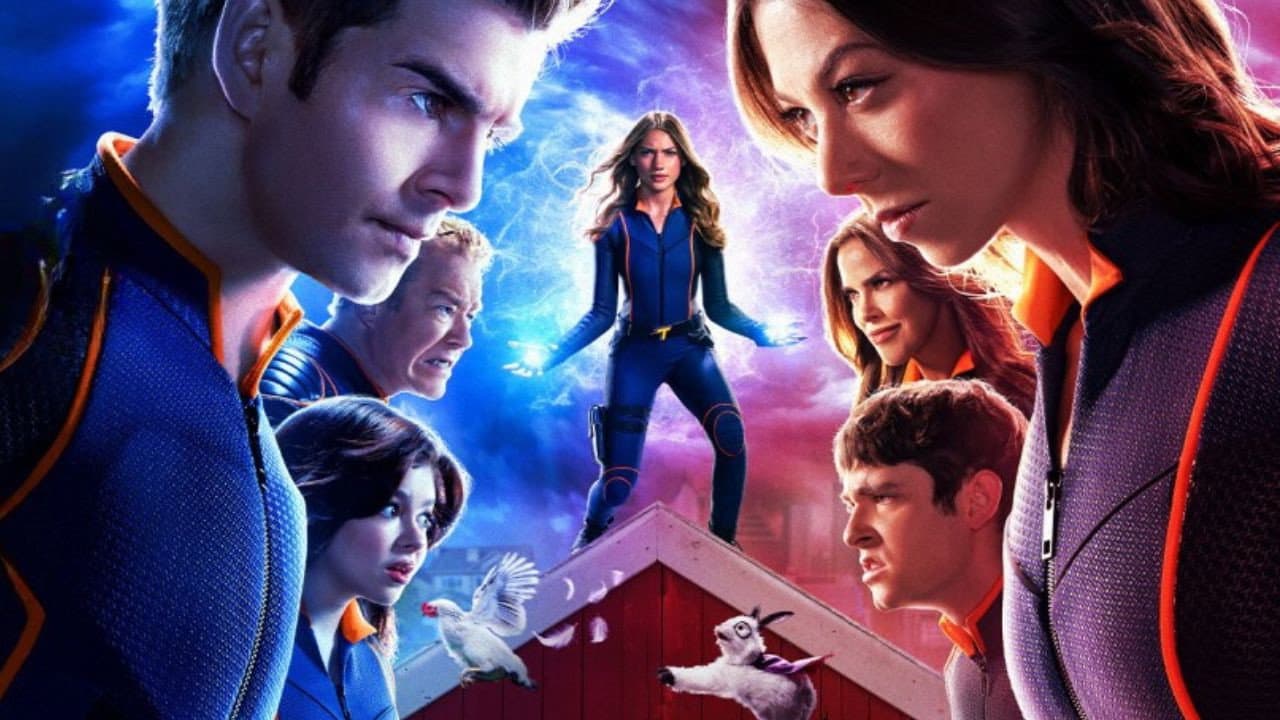
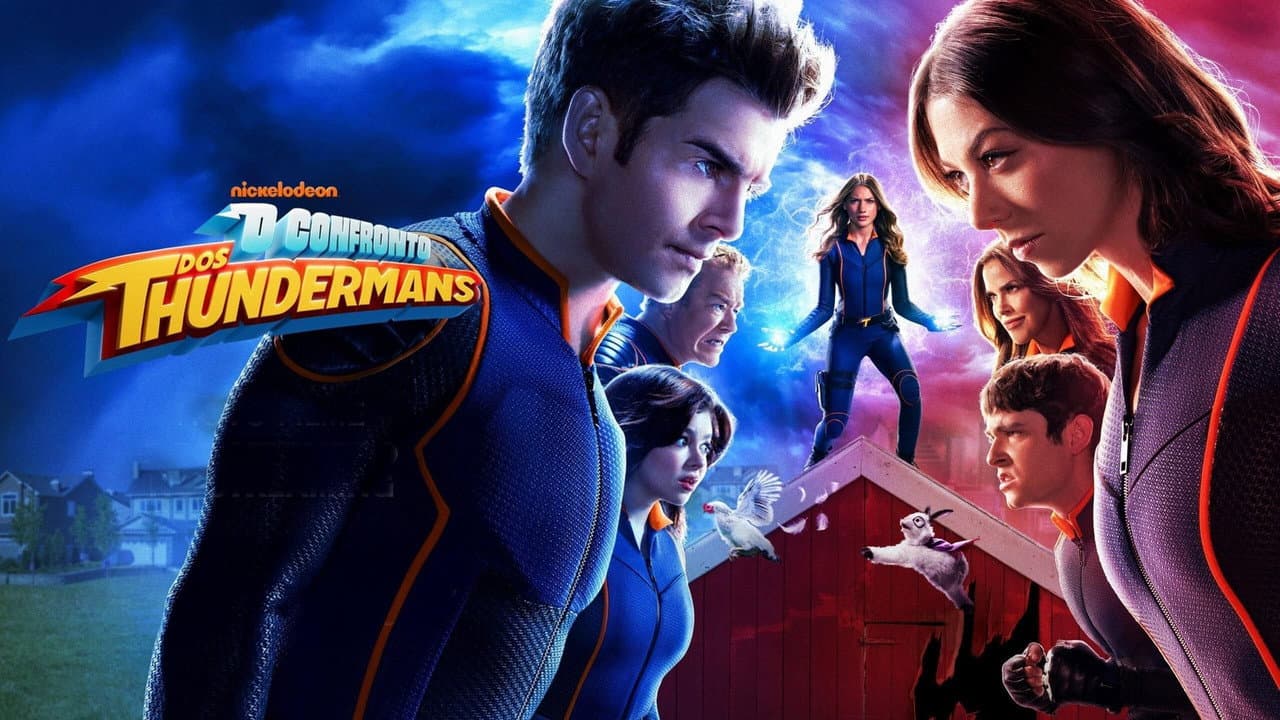
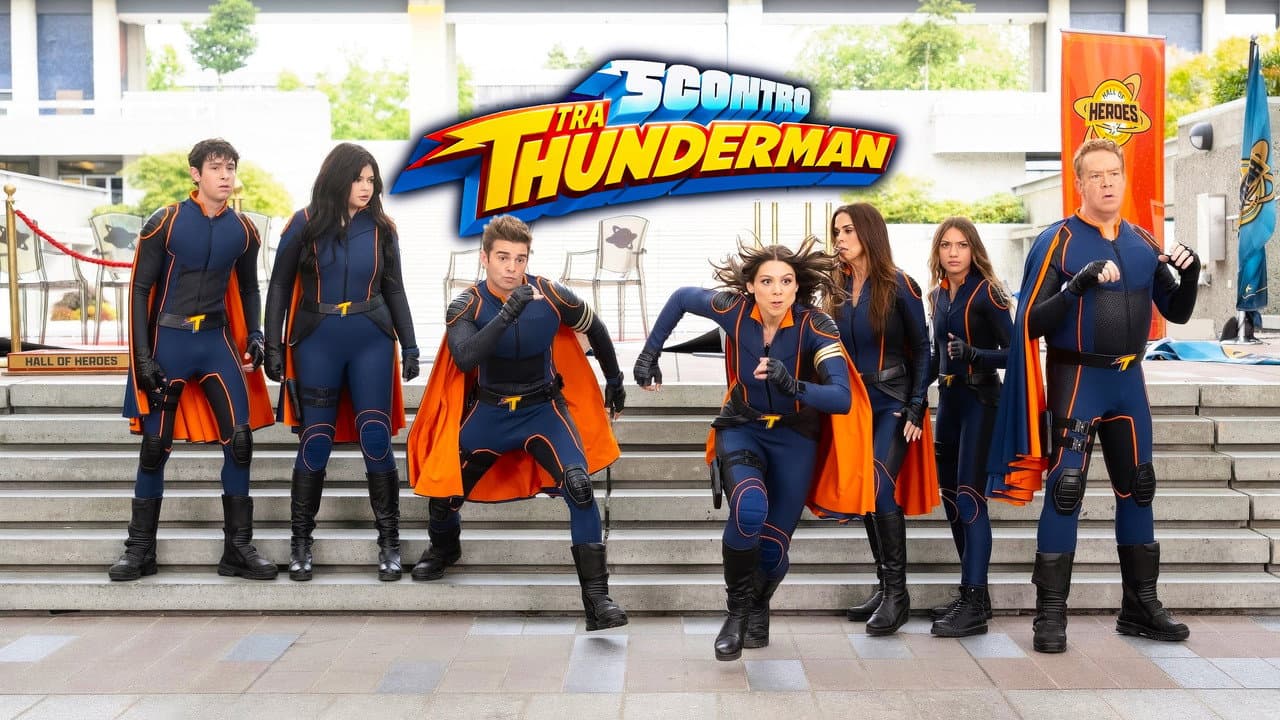
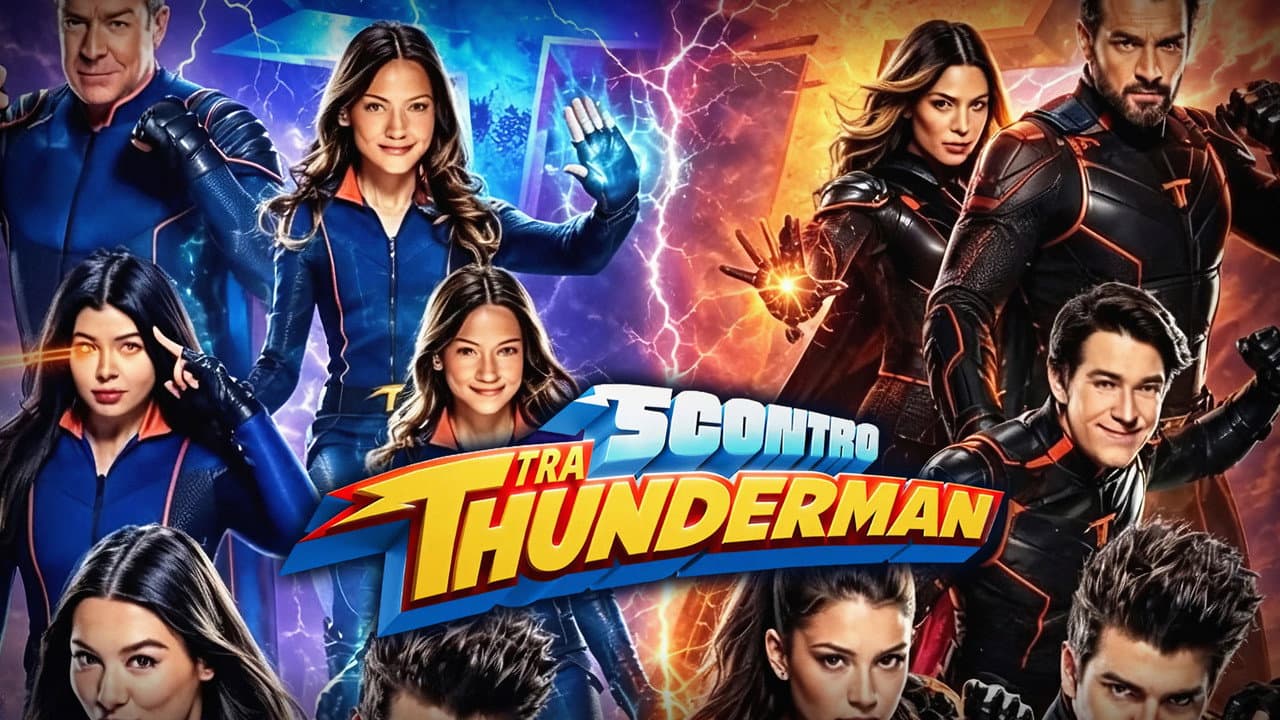
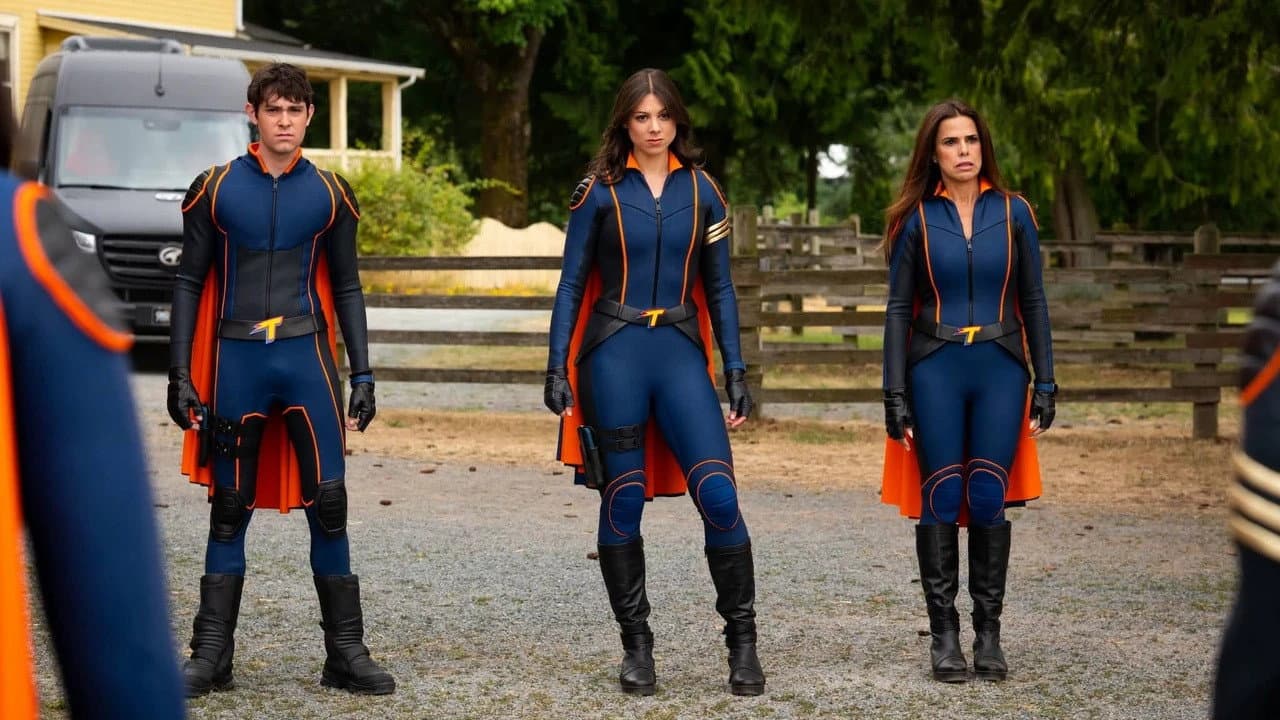
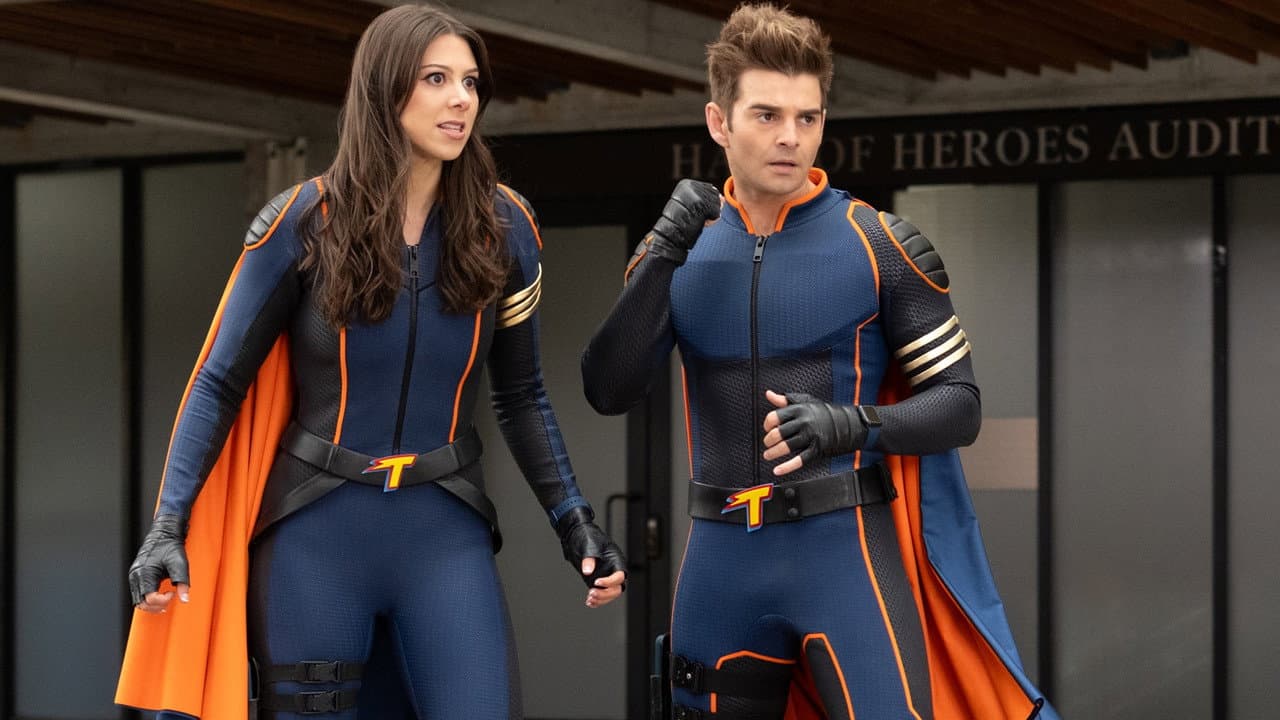
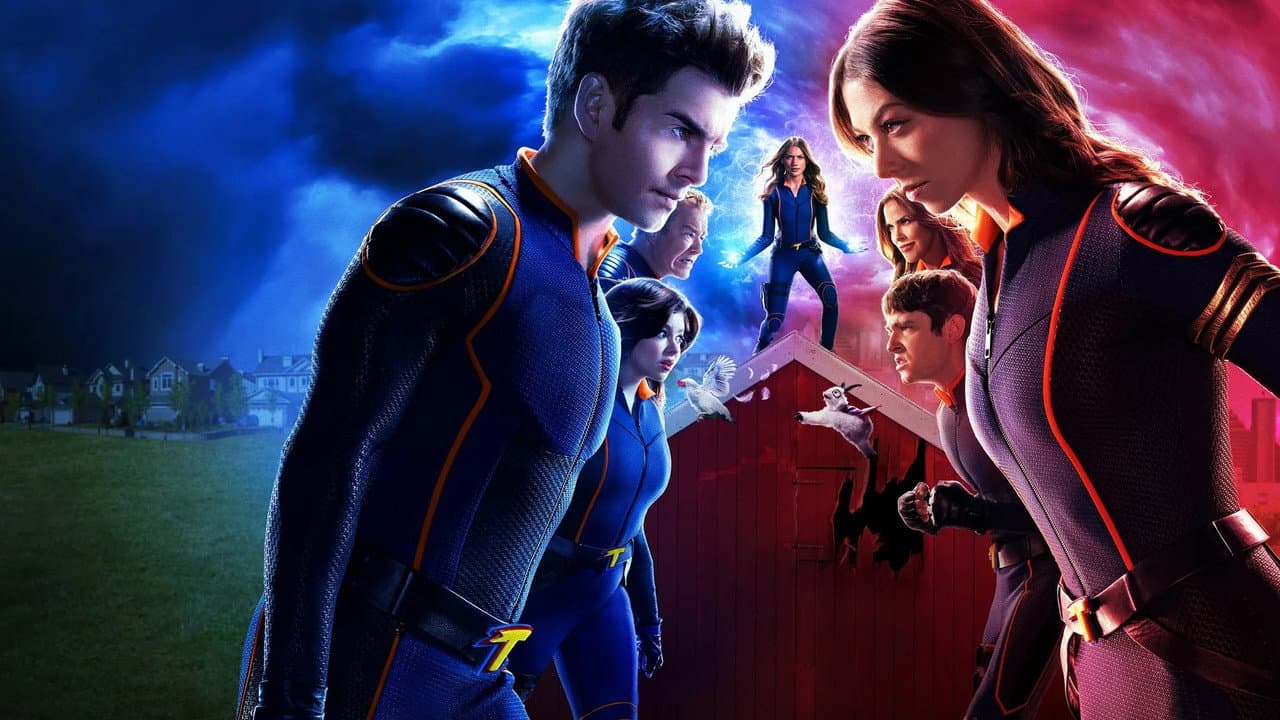
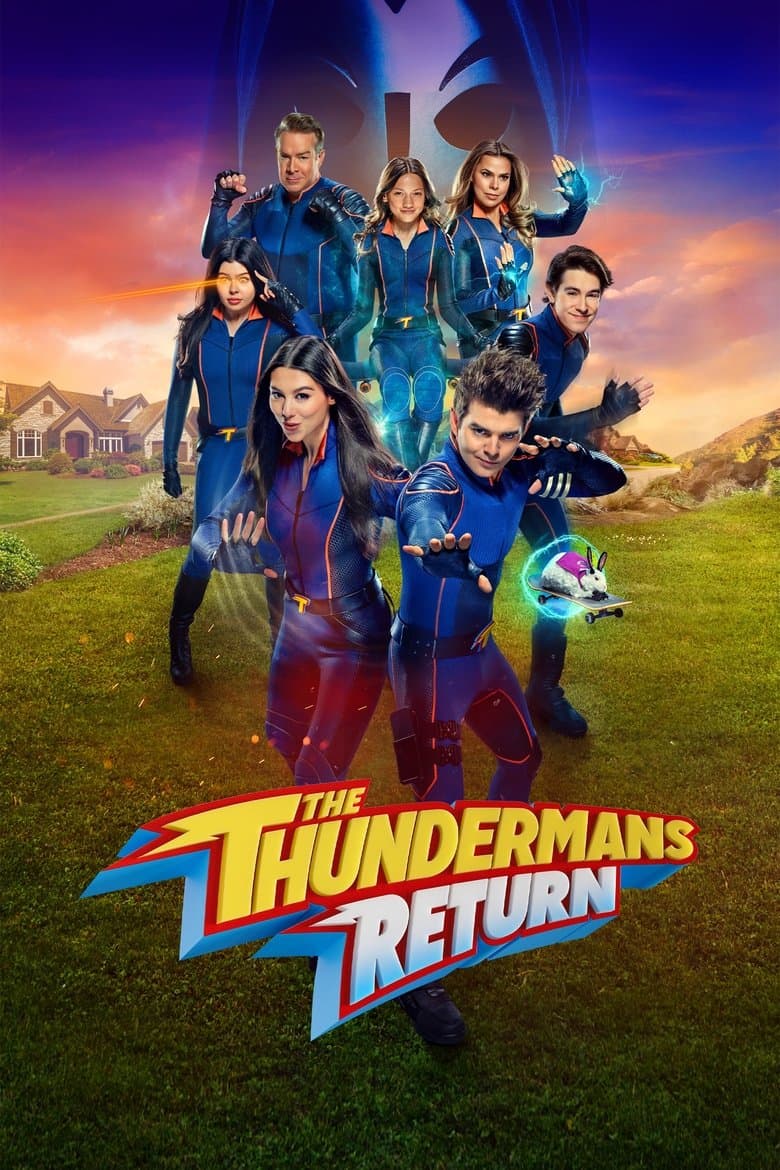
Director Trevor Kirschner, a veteran of the original series, knows these characters inside out. He wisely avoids the trap of making this a Phoebe-and-Max showcase. By throwing the six family members into opposing camps, he engineers a series of unexpected pairings that freshen the dynamic. Nora’s dry wit plays brilliantly off Hank’s bumbling physical comedy, and Billy’s high-pitched enthusiasm tempers Phoebe’s ultra-competent heroism with genuine chaos. For the first time in a while, these characters feel like they have distinct, conflicting motivations rather than just occupying the same living room.
The script’s dialogue crackles with the show’s signature rapid-fire joke style. A gag about Max’s credit score being a casualty of his villainous past lands better than it should, and a scene where the fugitive Thundermans attempt to hide in plain sight at a superhero-themed restaurant is a masterclass in escalating farce. Kosarin and Griffo, who have both matured as performers, anchor the conflict with a believable sibling rivalry. When they’re on opposite sides of the field, you feel the ideological rift between rule-following order and familial loyalty, even if their solutions are both equally violent.
But the film struggles with its tonal identity. The stakes are presented as dire - this is a family about to be broken apart - yet the "us vs. them" plot is frequently undercut by goofy chase sequences and comedic interludes that feel ripped from a lower-stakes sitcom episode. The emotional beats are earnest, particularly a quiet scene between Max and Hank about fatherhood, but they’re often suffocated by the relentless need to move to the next explosion. Chloe’s dangerous power, which should be a source of anxiety, feels more like a plot device that gets shoehorned in for the climax rather than a genuine threat throughout.
The bigger issue is the film’s villain-shaped vacuum. President Kickbutt is less a villain and more a stern HR manager with an army. With the Thundermans fighting each other, there’s no external pressure cooker to raise the stakes; the conflict boils down to a family refusing to talk through their issues. The final battle, while technically impressive for a TV movie budget, lacks the visceral punch you’d want from a "full-on war." It’s more acrobatic wrestling than actual conflict, with family members pulling punches both literally and narratively. As a result, it feels less like a fight to the death and more like a heated argument at Thanksgiving that happens to involve telekinesis.
Despite that, there’s a lot of charm to spare. Le Clark, now given the emotional weight of the story, carries the burden convincingly, and the film’s core message - that your greatest power is your family, flaws and all - resonates louder than any sonic boom. The movie is pure, unapologetic fan service, operating at a breakneck pace that will delight younger viewers while causing their parents to perhaps check their watch.