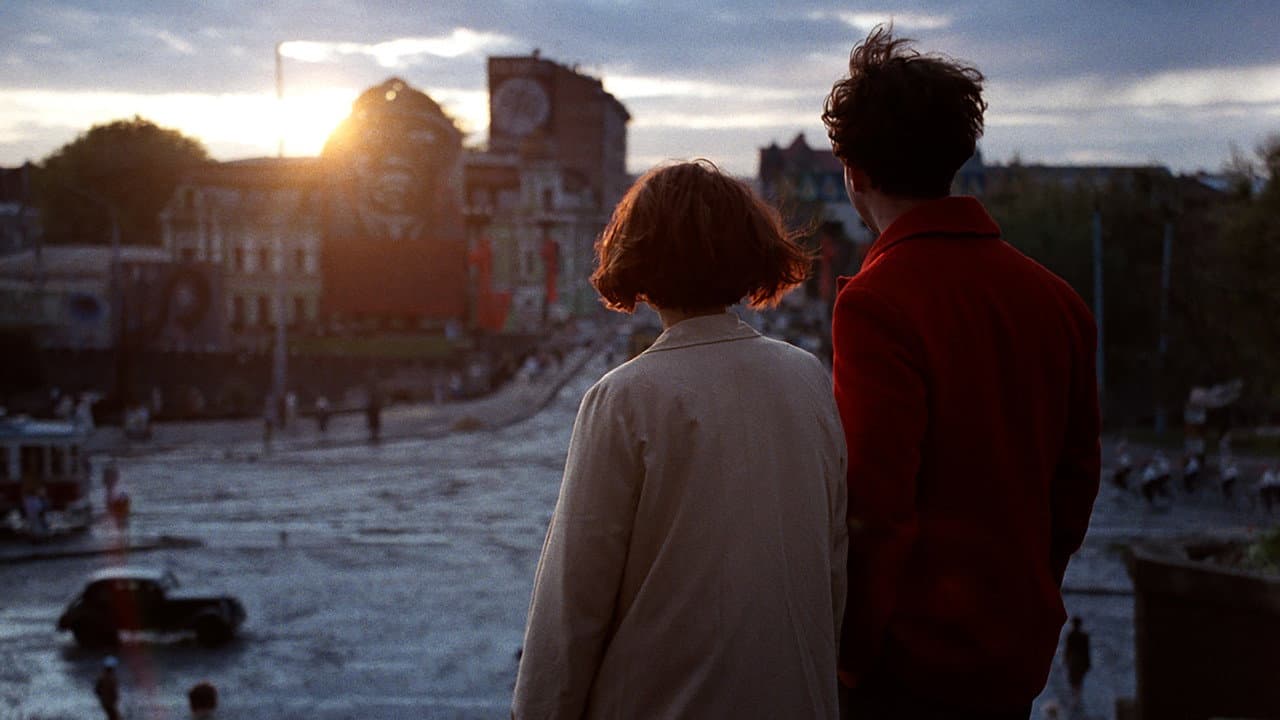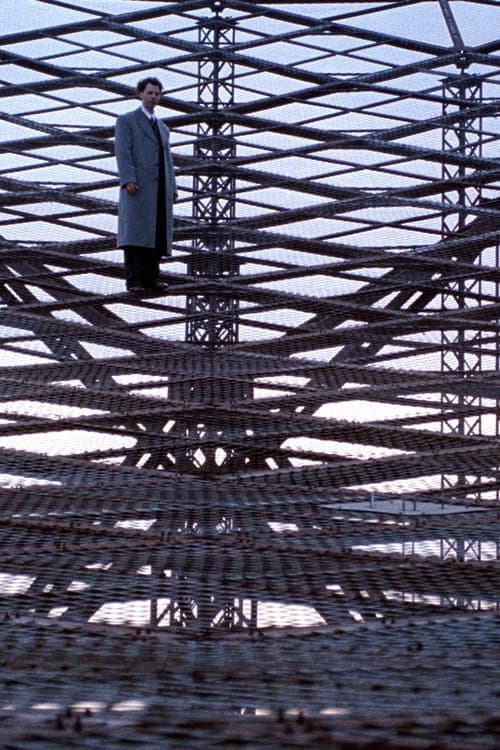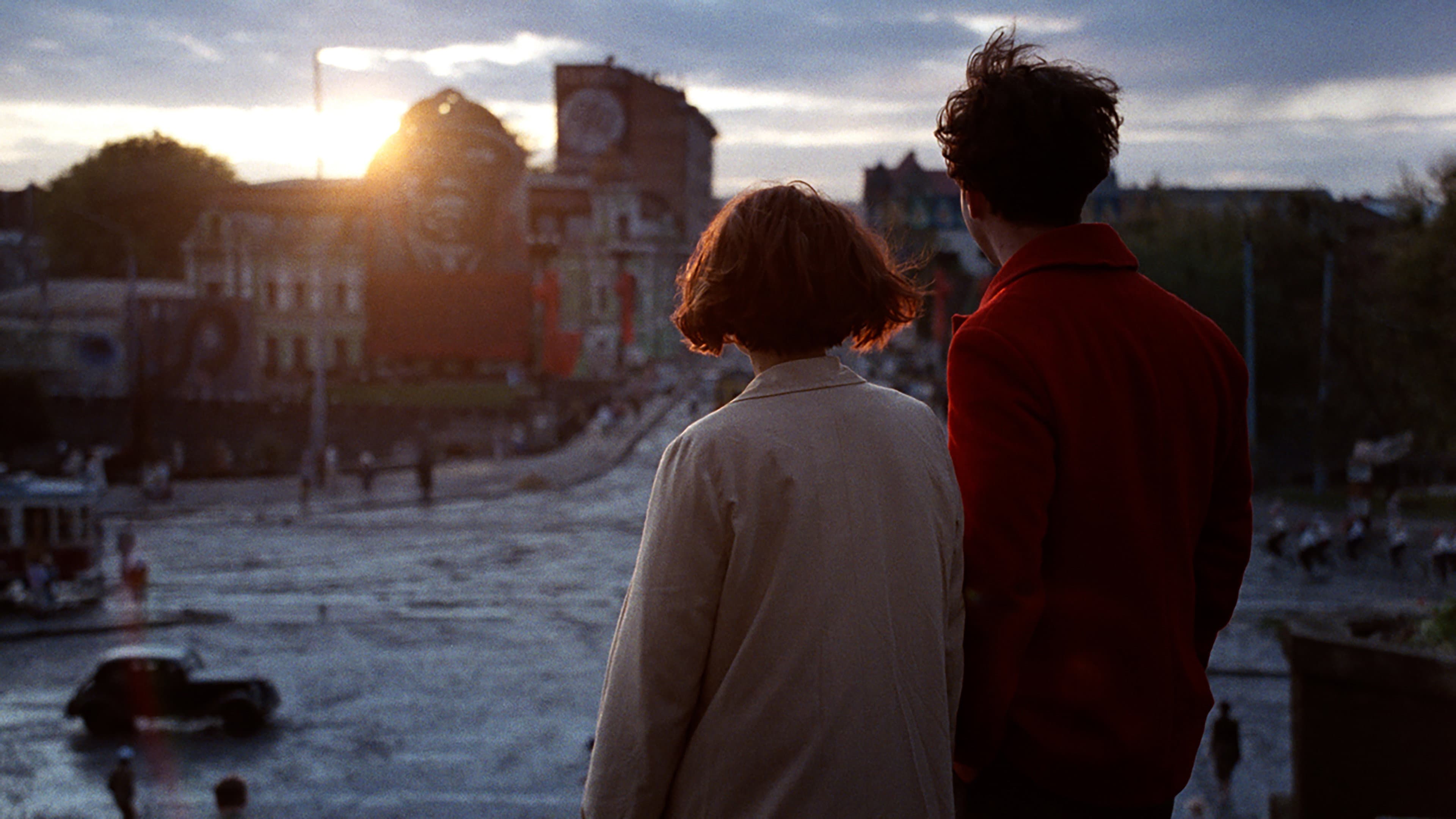
The sprawling, decade-in-the-making production of the epic drama Dau finally reaches audiences today, September 9, 2026, with a running time of 195 minutes that attempts to capture the full scope of its ambition. Directed by Ilya Khrzhanovsky, the film is a sweeping historical saga centered on a Greek-born physicist whose intellectual quest for universal truth collides with the brutal machinery of the Soviet state. The project, which has long been shrouded in mystery and myth due to its unusual production methods, is now officially on screens for the public to judge.
The narrative follows the life of its titular character, Dau, from 1928 to 1968, a period that sees him evolve from a pure scientist into a cog in the atomic bomb project. Set within the confines of a secret research institute, the story depicts an environment where scientific brilliance is weaponized, and where the daily rhythms of life are dictated by surveillance, hierarchy, and the constant pressure of state privilege. As Dau’s personal autonomy erodes, the film charts his desperate attempts to reclaim a sense of self through a series of extramarital affairs, a path that ultimately leads to his own spiritual and emotional disintegration. The official synopsis frames the work as both a character study of a single man and a monumental depiction of a society molded by ideology and violence, examining the quiet compromises that shape individual destiny against the backdrop of history.
A Production Built on Total Immersion
The film’s reputation precedes its release, largely due to the extraordinary nature of its creation. Rather than a conventional set, the production famously constructed a massive, fully functional Soviet-era research institute in Kharkiv, Ukraine, where the cast and crew lived and worked for years under strict, period-accurate rules. This immersive environment was reportedly designed to blur the lines between performance and reality, with actors adhering to their roles even when cameras were not rolling. The experiment, which became a subject of intense debate in the international film community, was intended to generate a level of authentic psychological tension that is difficult to achieve through traditional staging. News reports from the time described the project as a functioning state in itself, a laboratory of human behavior that pushed the boundaries of what constitutes a film shoot.
This unusual methodology inevitably shapes the final product. According to the producers, the film’s length and unhurried pacing reflect the years of footage that were captured, which documented the emergence of real relationships and conflicts among the participants. The director’s approach was to allow the environment to dictate the drama, creating scenes that feel less like scripted performances and more like observed behavior. The result, as described in pre-release materials, is a work of "fresco" proportions, expanding beyond the immediate story of the physicist to encompass the broader social dynamics of the institute, including the families, security personnel, and service workers who populated this closed world.
The Cast and Creative Team
The formidable challenge of portraying Dau falls to Teodor Currentzis, a conductor and composer known more for his work in classical music than for acting. Opposite him, Radmila Shegoleva plays Nora, a central figure in the physicist's personal turmoil. The cast also includes a roster of established creative figures, including Anatoly Vasiliev as Anatoly Krupitsa and Vladimir Azhippo, alongside Dimitri Tcherniakov, Dmitry Cheglakov, Demyan Kudryavstev, and Maria Nafpliotou. The ensemble was reportedly selected not only for their performance skills but also for their willingness to commit to the extreme living conditions and psychological demands of the shoot. The film is classified within the drama and thriller genres, and the dialogue is primarily in Russian, reflecting the story's setting and its focus on the cultural and political realities of the era.
A Cinematic Event Decades in the Making
Interest in Dau has been building for over a decade, with stories of its production often overshadowing the narrative itself. Reporters who visited the set during the filming period described a community living under strict regulations, with a closed economy, its own currency, and a complete ban on modern technology. This radical experiment in method filmmaking has drawn both praise for its uncompromising artistic vision and criticism for its demanding, and at times reportedly coercive, atmosphere. For audiences today, the release represents the culmination of a long and arduous journey, presenting a question: does the final film justify the extreme measures taken to produce it? With its 195-minute runtime, it is not a casual viewing experience, but rather a demanding immersion into a dark chapter of history, filtered through the lens of a director who sought to recreate it with unflinching realism.
Source: The Hollywood Reporter