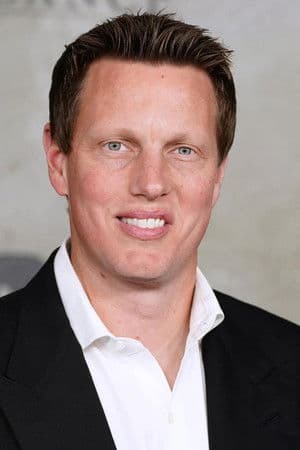
David Ellison, the Paramount chief executive whose family name has long been synonymous with Hollywood dealmaking, was among the guests at a White House state dinner hosted by President Donald Trump in honor of China's president, according to reports confirmed by USA Film News. The evening marked one of the most prominent intersections yet between the entertainment industry and the administration's foreign policy agenda, placing the head of one of Hollywood's legacy studios inside a room built for diplomatic theater. At the same time, reporters from CNN and MS NOW were excluded from covering the event, a decision that drew immediate scrutiny from press-freedom advocates and media observers.
The dinner itself was designed as a ceremonial high point of a bilateral visit, the kind of black-tie affair where seating charts carry as much meaning as menus. Ellison's presence, however, underscored a quieter reality: Paramount has substantial business interests in China, as do most major studios, and the Trump White House has shown a willingness to blur the line between corporate guest and diplomatic prop.
Ellison's Presence Signals Hollywood's Continued Stake in China
For Paramount, China remains a market of strategic importance despite years of fluctuating access for foreign films. The studio, like its peers, has navigated quota systems, censorship reviews and shifting release calendars that can make or break a tentpole's global total. Ellison's attendance at a state dinner honoring China's president is unlikely to be coincidental. It is the kind of soft-power gesture that can open doors in Beijing and signal to Washington that Paramount intends to remain a player in the world's second-largest film market.
Ellison, son of Oracle founder Larry Ellison, took the reins at Paramount after a tumultuous period of consolidation and cost-cutting. His tenure has been marked by an emphasis on franchise stability and international growth. A White House invitation of this magnitude would ordinarily be handled by a studio's government affairs team with deliberate discretion. That Ellison chose to attend personally suggests the stakes were judged to be high enough to warrant his physical presence.
Press Exclusion Draws Sharp Criticism
The decision to bar CNN and MS NOW reporters from the dinner broke with the tradition of allowing a pool of journalists to document such events. While state dinners are not open to full press access, a rotating pool typically covers arrivals, toasts and at least part of the evening's proceedings. Excluding two specific outlets, both of which have clashed with the current administration, turned a diplomatic ceremony into a flashpoint over media access.
Press advocates noted that the exclusion was selective rather than logistical. "When you start picking and choosing which outlets get to witness a president hosting a foreign leader, you are not protecting the event, you are punishing the coverage," said one media ethics scholar who asked not to be named because of the sensitivity of the topic. The White House did not immediately respond to questions about the criteria used for the press list.
MS NOW, which has positioned itself as a digital-first alternative to traditional cable news, called the exclusion "a troubling precedent" in a brief statement. CNN declined to comment on the record.
A Convergence of Hollywood and Diplomacy
State dinners have long been venues where entertainment figures mingle with policymakers. The Reagan and Obama administrations both leaned on Hollywood for cultural diplomacy, and Trump himself has hosted a range of celebrity guests at the White House. What makes this instance notable is the pairing: a studio chief with deep Chinese business interests, a president whose trade and cultural policies toward Beijing have swung between confrontation and accommodation, and a press corps that was partially locked out of the room.
For Paramount, the optics are complicated. Ellison's attendance signals engagement and access. But the simultaneous exclusion of two major news organizations may attach an unintended narrative to his evening: that the studio's diplomacy came at the cost of transparency.
What Comes Next
It remains unclear whether Ellison held private meetings with Chinese officials or administration figures beyond the dinner itself. Paramount has not issued a statement on the event, and Ellison's representatives did not respond to requests for comment by press time.
The larger question is whether this dinner represents a one-off ceremonial appearance or the beginning of a more visible role for Ellison in U.S.-China cultural and commercial relations. For now, the image is set: a Hollywood CEO in a White House ballroom, reporters from two outlets left outside, and a president toasting a foreign leader while the entertainment industry watches its own reflection in the diplomatic glass.
Source: Variety