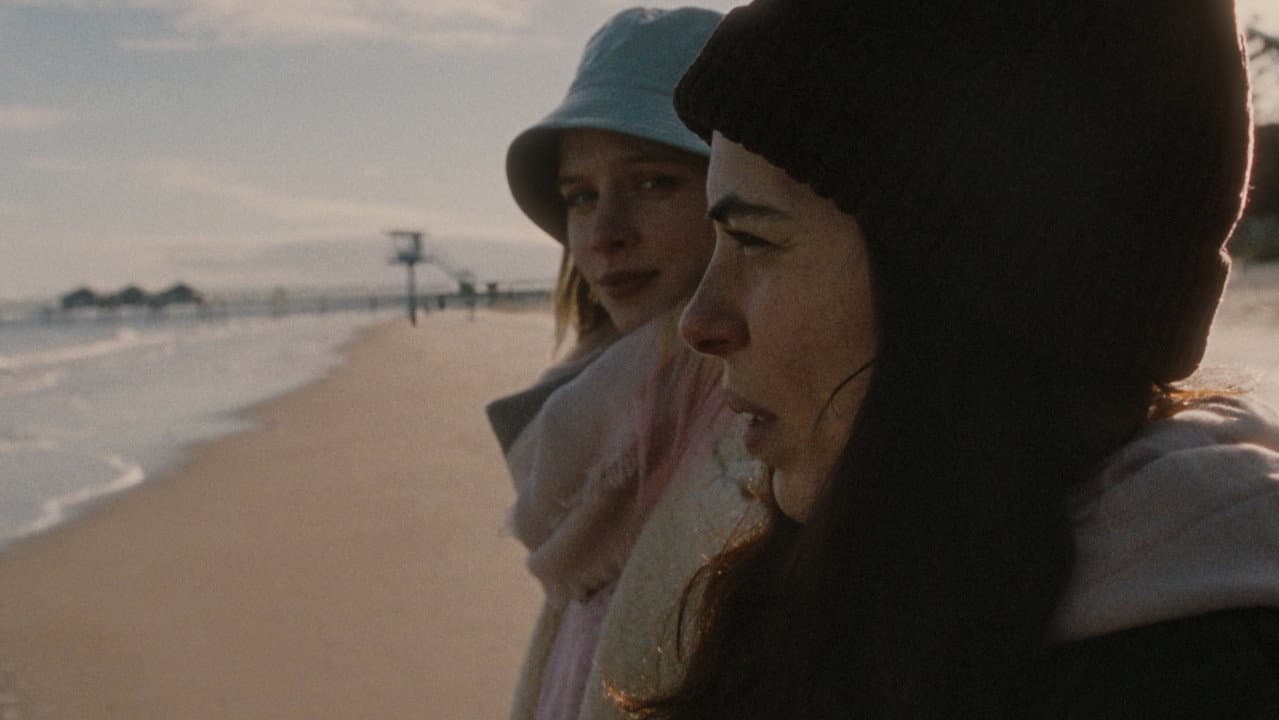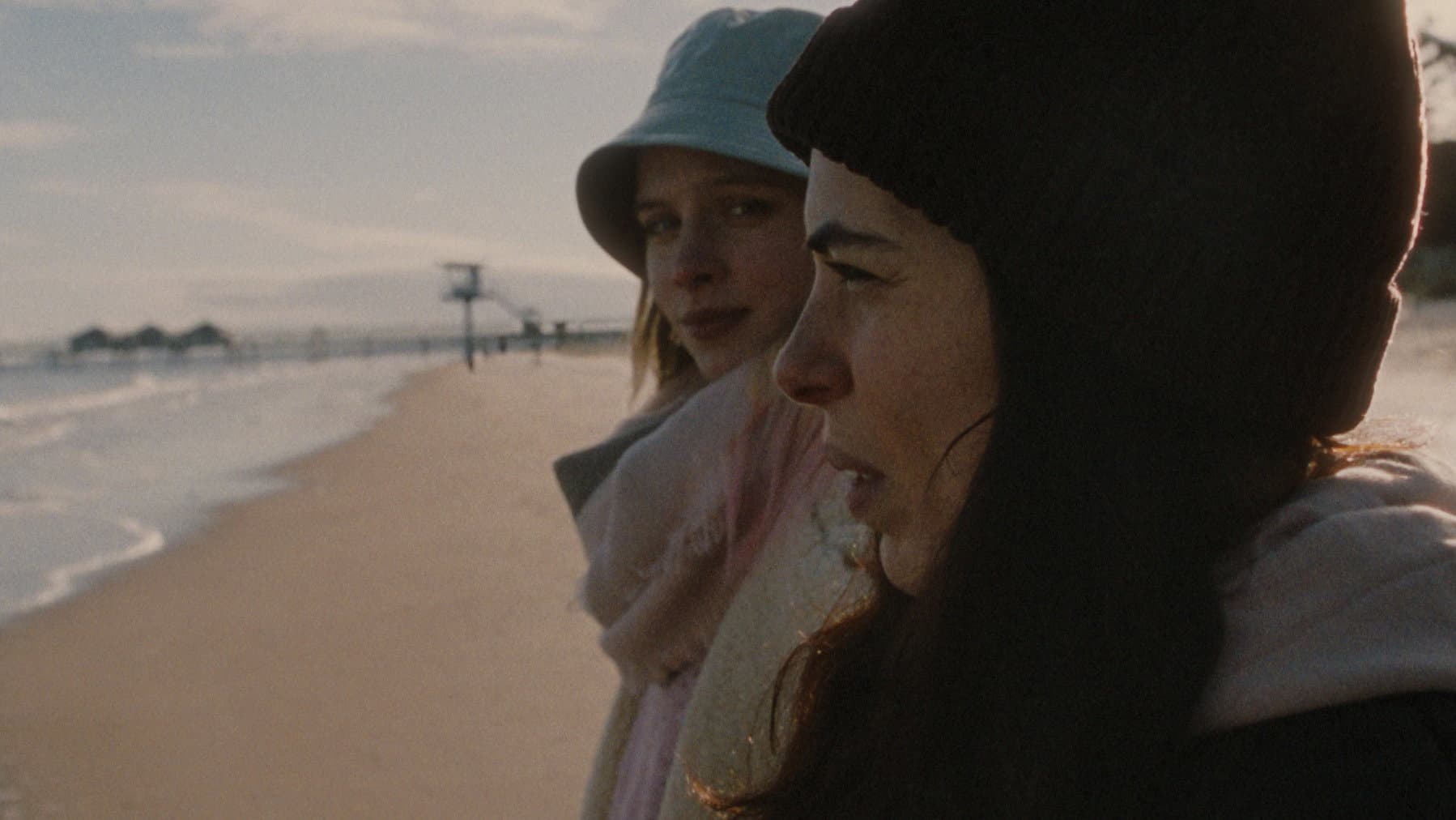
The Slovenian drama Everything That's Wrong With You had its limited release on August 16, 2026, and early reviews are pointing to a quietly powerful character study that hinges on the fragile transition from online intimacy to in-person connection. Directed by Urša Menart, the 96-minute film tells the story of Maruša (Anuša Kodelja), a woman reeling from the emotional devastation of her mother’s death, who finds solace in a virtual friendship with Alja (Klara Kuk), a nurse living in a small coastal German town. Their bond, built on shared humor and mutual recognition of pain, is thrown into sharp relief when the two finally meet face to face. The result, according to critics, is a luminous two-hander that explores the awkward, often heartbreaking gap between digital kinship and real-world presence.
A Delicate Balance of Tone and Performance
What sets Everything That's Wrong With You apart, reviewers note, is Menart's ability to navigate the tonal tightrope between comedy and melancholy without letting either dominate. The early scenes of Maruša and Alja’s online rapport are rendered with a naturalistic ease that captures the way people actually talk through screens - half-joking, half-confessional, carefully curated yet accidentally revealing. Kodelja and Kuk are credited with building a chemistry that feels lived-in, even before the characters share physical space. The film’s second half, where the pair finally meet, reportedly becomes an exercise in tension and vulnerability, as the unspoken rules of their digital friendship collide with the messier reality of shared silence, small talk, and unmet expectations.
The supporting cast, including Matija Vastl, Mojca Fatur, and Marjuta Slamič, provides grounding context for Maruša’s internal collapse, though the narrative remains squarely focused on the two leads. Menart, who previously drew attention for her short-form work, demonstrates a confident hand with pacing, allowing the camera to linger on subtle gestures and loaded pauses that speak louder than the characters’ carefully chosen words.
The Premise: Grief, Loneliness, and the Modern Connection
At its core, the film is a meditation on how grief can isolate a person even as it makes them desperate for understanding. Maruša’s breakdown after her mother’s death is not depicted as a dramatic spectacle but rather as a slow, quiet unspooling. Her online friendship with Alja offers a lifeline precisely because it is low-stakes - there’s no shared history, no familial baggage, only the comfort of a stranger who gets it. But the film’s central question, as articulated in its taut narrative, is whether that kind of bond can survive translation from the safety of a keyboard to the unpredictability of an in-person meeting.
The setting, too, plays a subtle role. Alja’s small coastal town in Germany provides a stark contrast to the internal chaos Maruša carries, and the film uses its environment to echo the characters’ emotional states. The sea, the quiet streets, the clinical neutrality of a nurse’s daily routine - all are rendered with a visual restraint that matches the film’s overall tone.
Critical Reception and Release Context
As of now, the film holds a TMDb rating of 0/10, reflecting its very early release window and limited number of ratings. However, the critical consensus emerging from early screenings is markedly more enthusiastic. Reviewers are praising the film for its willingness to sit with discomfort rather than resolve it neatly. One common thread in early commentary is that Everything That's Wrong With You does not offer easy answers about whether online friendships can or should become something more. Instead, it trusts its audience to sit with the ambiguity, much as the characters are forced to do.
The choice to release the film on August 16, a relatively quiet period in the cinematic calendar, suggests a strategy aimed at word-of-mouth and festival-adjacent attention rather than blockbuster numbers. With its modest runtime and focused narrative, it feels designed for small screens and intimate viewing, yet the quality of the performances and direction could make it a sleeper hit for audiences seeking substantive adult drama.
A Director to Watch
Menart’s direction is being singled out for its maturity and restraint. Rather than milking the scenario for melodrama, she lets the story unfold with a patience that mirrors the slow-burn nature of the characters’ bond. The film’s title, Everything That's Wrong With You, is a pointed irony - it gestures at the ways we critique ourselves and others through the filter of social media, where flaws are cataloged and shared as a form of intimacy. In Menart’s hands, that framing becomes less a joke and more a profound statement about how we reveal ourselves to the people we choose to let in.
For fans of character-driven European cinema, Everything That's Wrong With You is shaping up to be a quiet highlight of the 2026 release slate. It is a film that asks a simple, devastating question: what happens when the person who knows you best online doesn’t recognize you in person? The answer, as Menart and her leads deliver it, is worth the price of admission.
Source: Variety