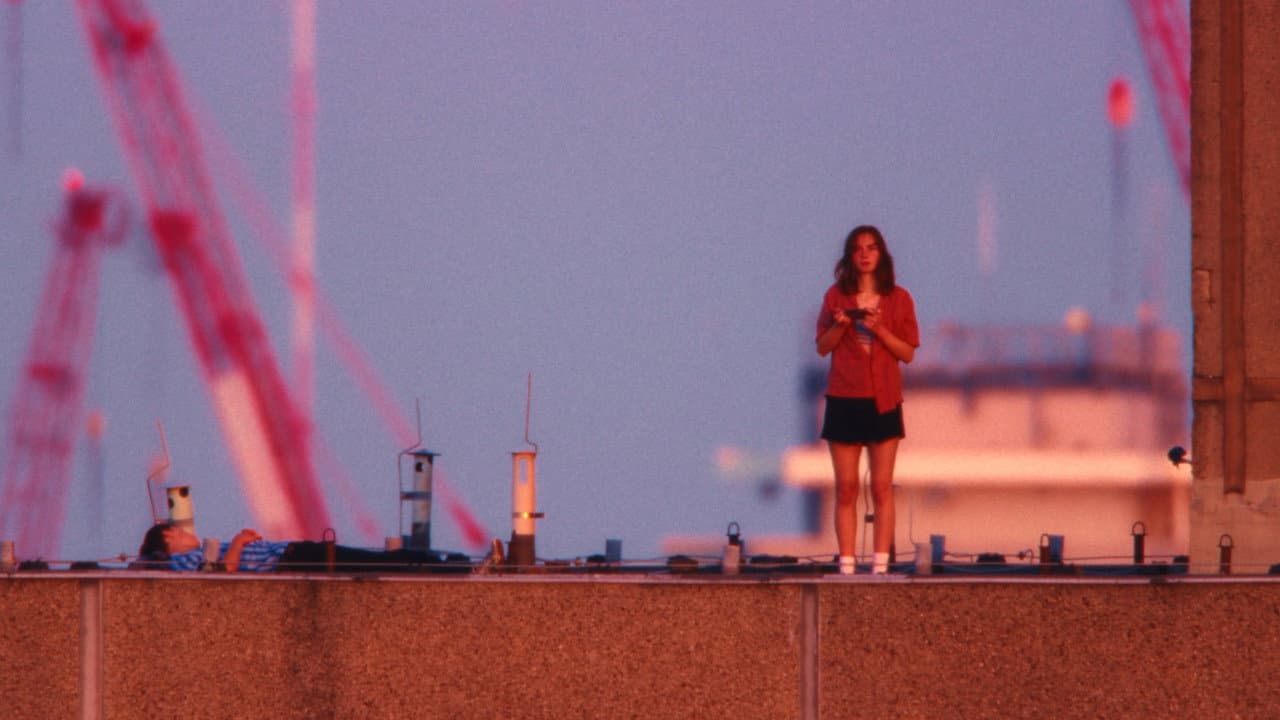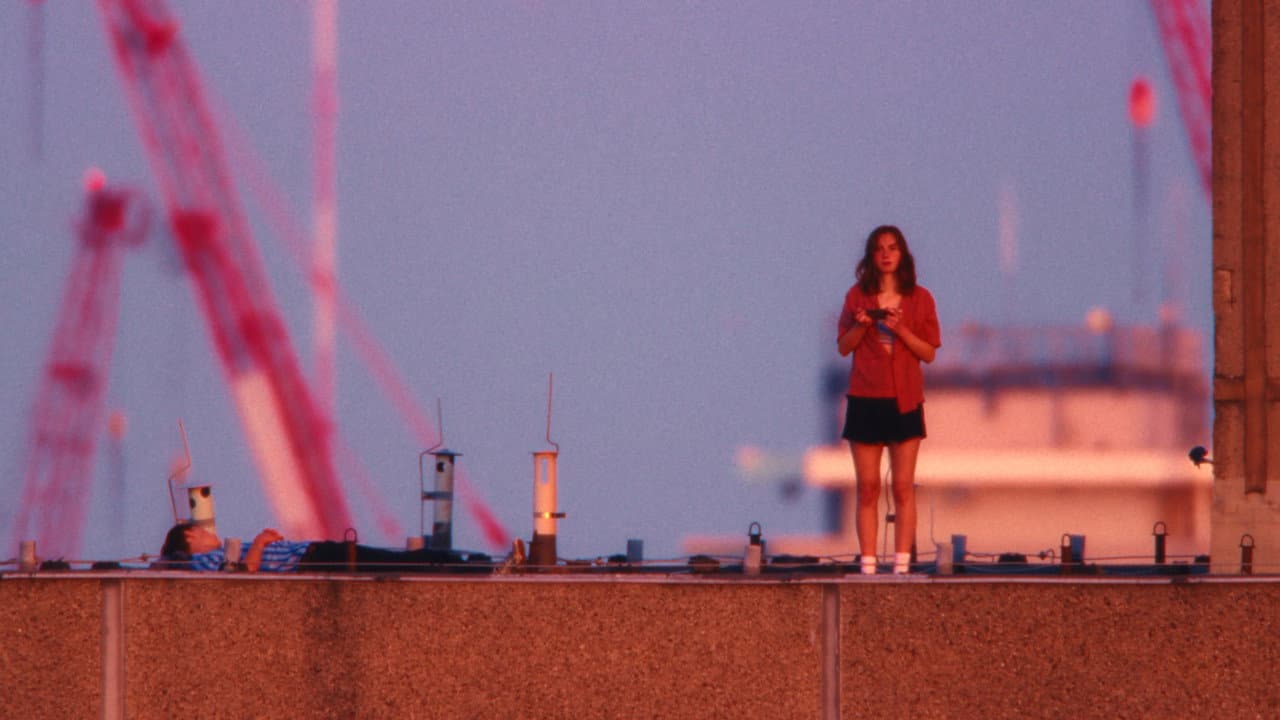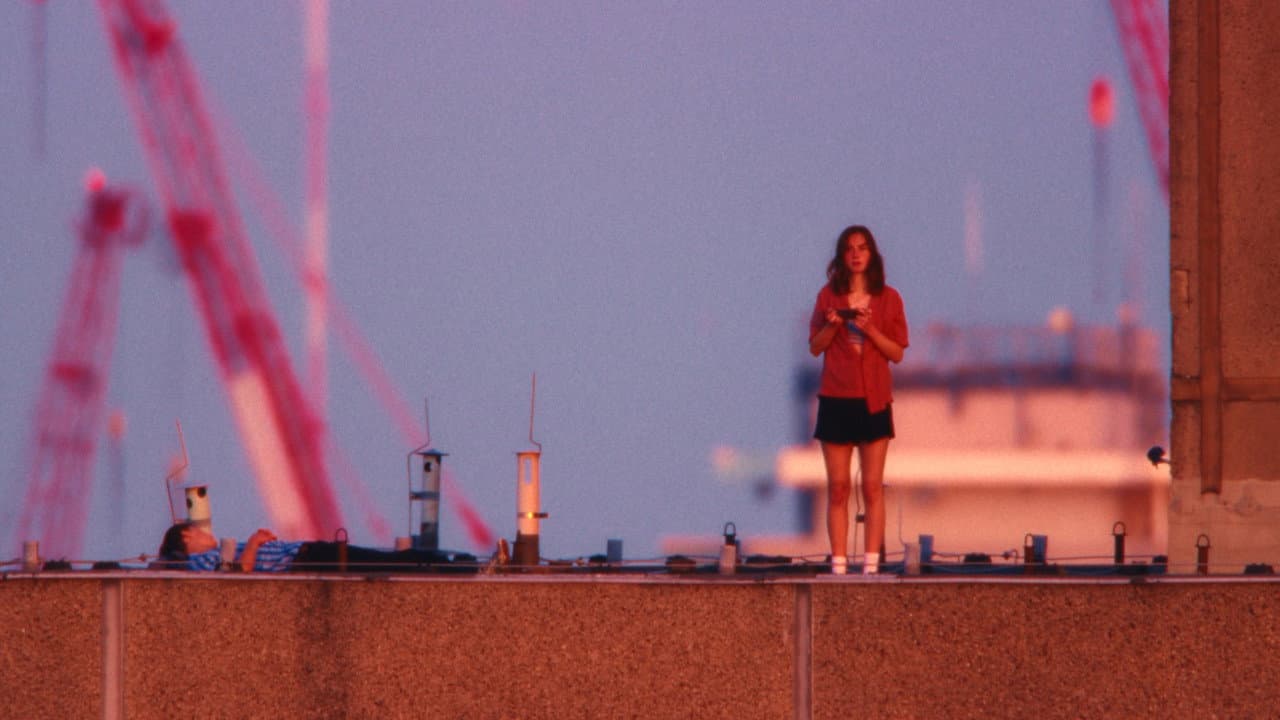
Sandra Wollner’s Everytime took home the top prize at the Sarajevo Film Festival, while Georgian filmmaker Ana Urushadze was named Best Director for her latest work. The awards were announced Saturday night at the Bosnian capital’s closing ceremony, capping a festival edition that leaned heavily on intimate family dramas and European auteur cinema.
Wollner’s film, which premiered earlier this month, follows a mother, her daughter, and a teenage boy who are thrown together after a shared tragedy. Struggling with guilt and the slow work of forgiveness, the three embark on a trip to Tenerife - a holiday that was originally meant for the family but never happened. As the island’s heat settles over them, memories and present-day tensions begin to blur, forcing the characters to confront what they’ve lost and what still remains.
The 119-minute drama stars Birgit Minichmayr as Ella, a matriarch weighed down by remorse, alongside Tristán López as Lux, Lotte Keiling as Melli, and Carla Hüttermann as Jessie. The supporting cast includes Hermann Beyer, Eva Weißenborn, Knut Berger, and Lilly Marie Tschörtner. Early critical response has been warm, with the film earning a 7.3/10 rating on TMDb since its August 6 release. Reviewers have pointed to Wollner’s controlled pacing and the restrained performances, particularly Minichmayr’s turn as a woman who can’t quite escape her own part in the disaster that binds these strangers.
The Sarajevo jury, led this year by a panel of established filmmakers and critics, praised Everytime for what they called its quiet emotional precision. The award marks a significant career milestone for Wollner, an Austrian director known for experimental work that often blurs documentary and fiction. Her previous feature, The Trouble with Being Born, sparked controversy for its depiction of a childlike android, but Everytime appears to signal a more grounded narrative approach while retaining her signature attentiveness to sensory detail.
Ana Urushadze’s Best Director win adds to a strong summer for Georgian cinema, which has seen a handful of festival successes across Europe. Urushadze, who previously directed the acclaimed Scary Mother, took the prize for a film that sources say examines generational conflict in a seaside community. The jury specifically noted her ability to draw naturalistic performances from non-professional actors and her skillful management of a multilayered script.
The Sarajevo Film Festival, now in its 31st year, has increasingly positioned itself as a launchpad for regional cinema, with past winners going on to wider European distribution. This year’s lineup included a mix of Balkan premieres, international co-productions, and a sidebar devoted to emerging directors from the Caucasus. The festival also screened a retrospective of Bosnian war films to mark the 30th anniversary of the Dayton Accords, drawing packed houses and several standing ovations.
Wollner’s win ensures Everytime will receive a promotional boost as it continues its festival run. The film is expected to appear at several fall events, including possible stops in San Sebastián and London, where European distributors have already shown interest. Minichmayr, a familiar face in Austrian and German productions, has been singled out in trade reviews as a potential awards contender for her understated performance, which avoids melodrama in favor of brittle, lived-in grief.
For Urushadze, the Sarajevo recognition adds another international laurel to a career that has already attracted attention from European arthouse circuits. Her film, which had its world premiere at the festival, is likely to find further festival bookings before any theatrical rollout. Georgian cinema has struggled to maintain visibility outside the region in recent years, but Urushadze’s continued success suggests a steady path for local talent.
The festival’s closing night also honored lifetime achievement in Balkan cinema, with a special tribute to a veteran Croatian director whose career spanned four decades. Organizers emphasized that this year’s selection aimed to highlight stories about fractured families and collective memory - a theme that resonated strongly with both Everytime and Urushadze’s project.
As the industry turns its attention to Venice and Toronto, which open within days of each other, the Sarajevo winners arrive with fresh momentum. Everytime in particular has the kind of quiet, emotionally layered narrative that festival programmers often champion, and its early reception suggests it could travel far beyond the Balkans. For Wollner, the award is validation of a stylistic shift that some critics had questioned after her polarizing previous feature. Now, with a major European prize in hand, she’s firmly back on the map.
Source: The Hollywood Reporter