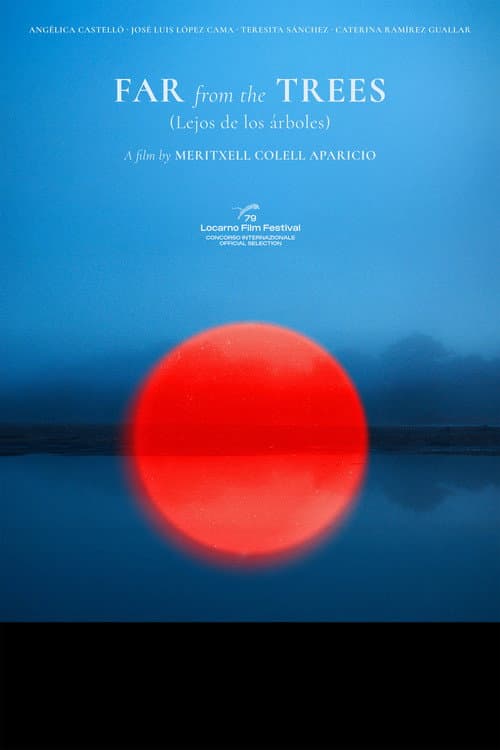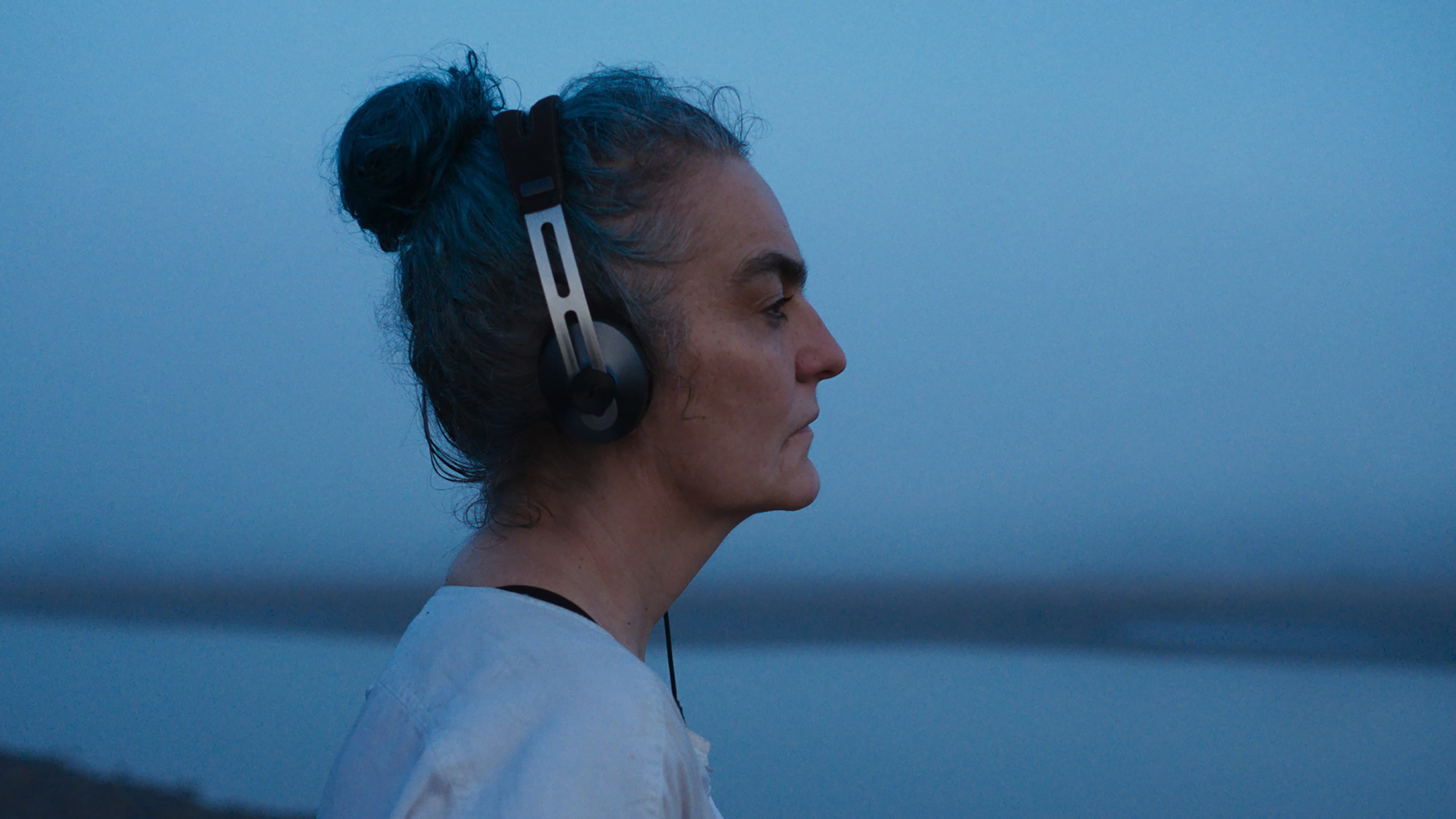
The new film Far From the Trees arrives in theaters today, August 13, 2026, offering audiences a patient, visually rich exploration of memory and identity that defies easy categorization. Directed by Meritxell Colell Aparicio, the 117-minute feature blends adventure and drama in a narrative that follows a Mexican sound artist on a transformative trek through Peru, and early reviews are already praising its unique visual texture, which combines 4K digital cinematography with Super 16mm footage.
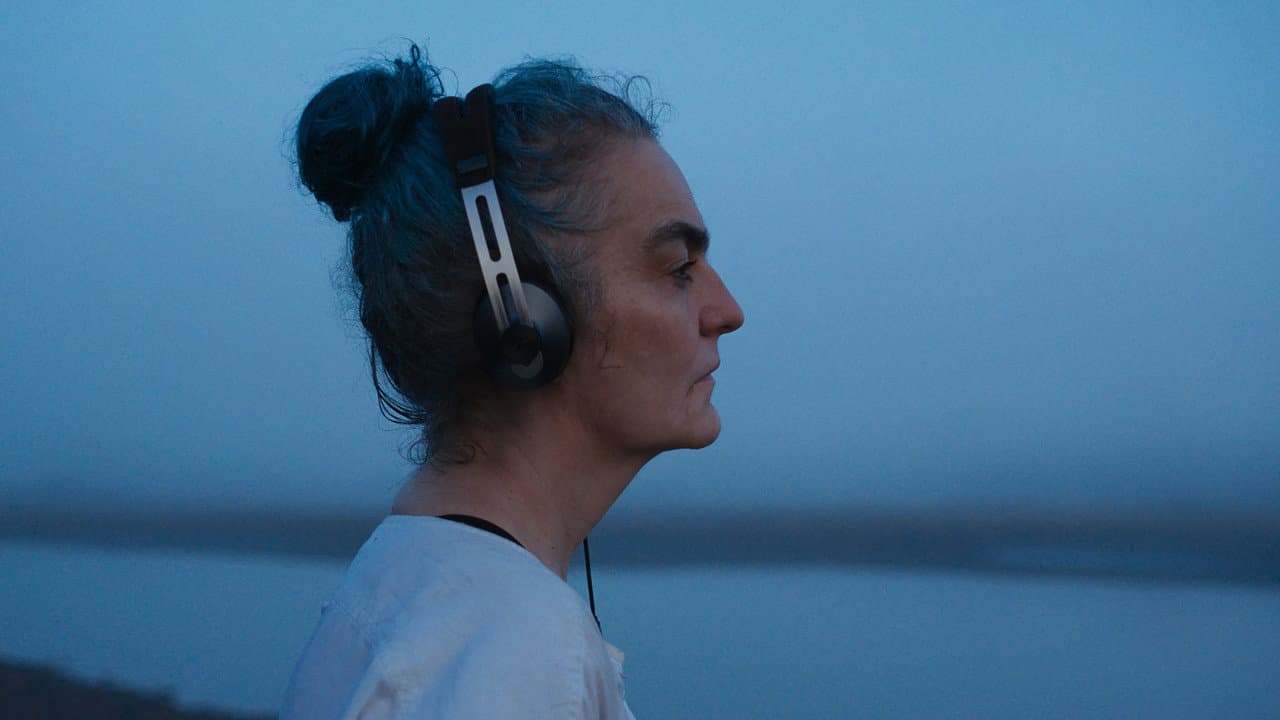
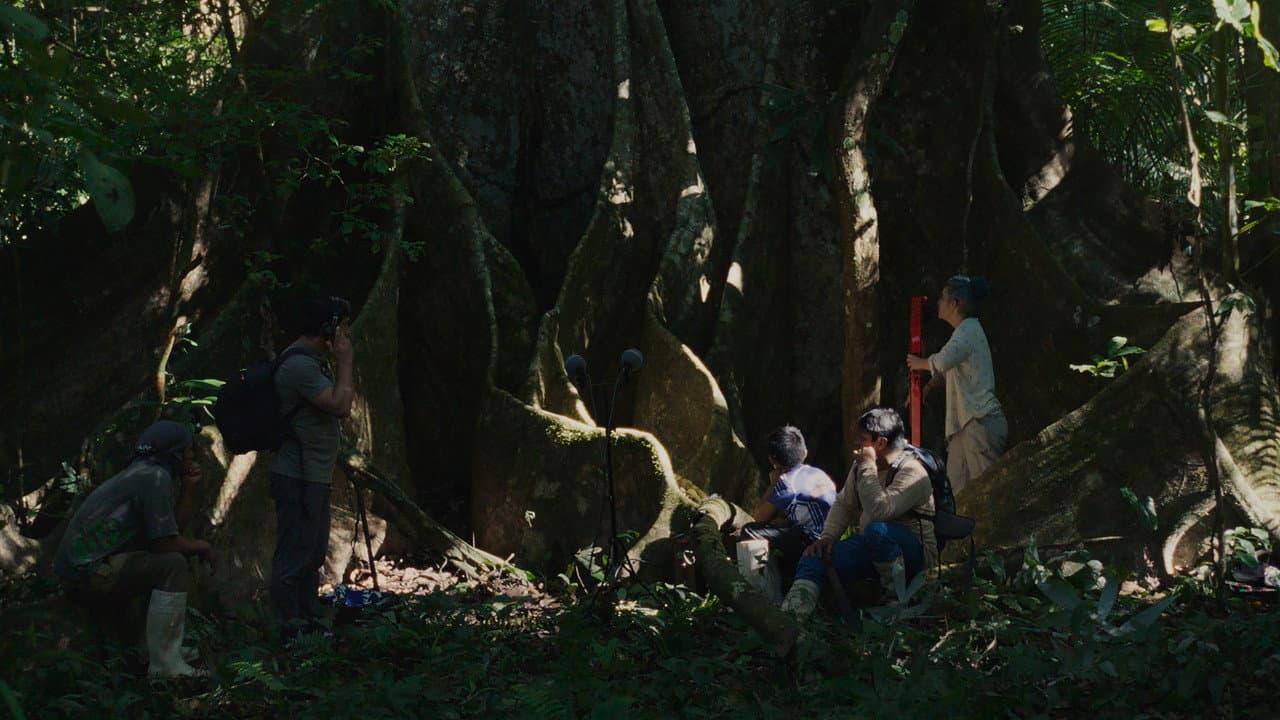
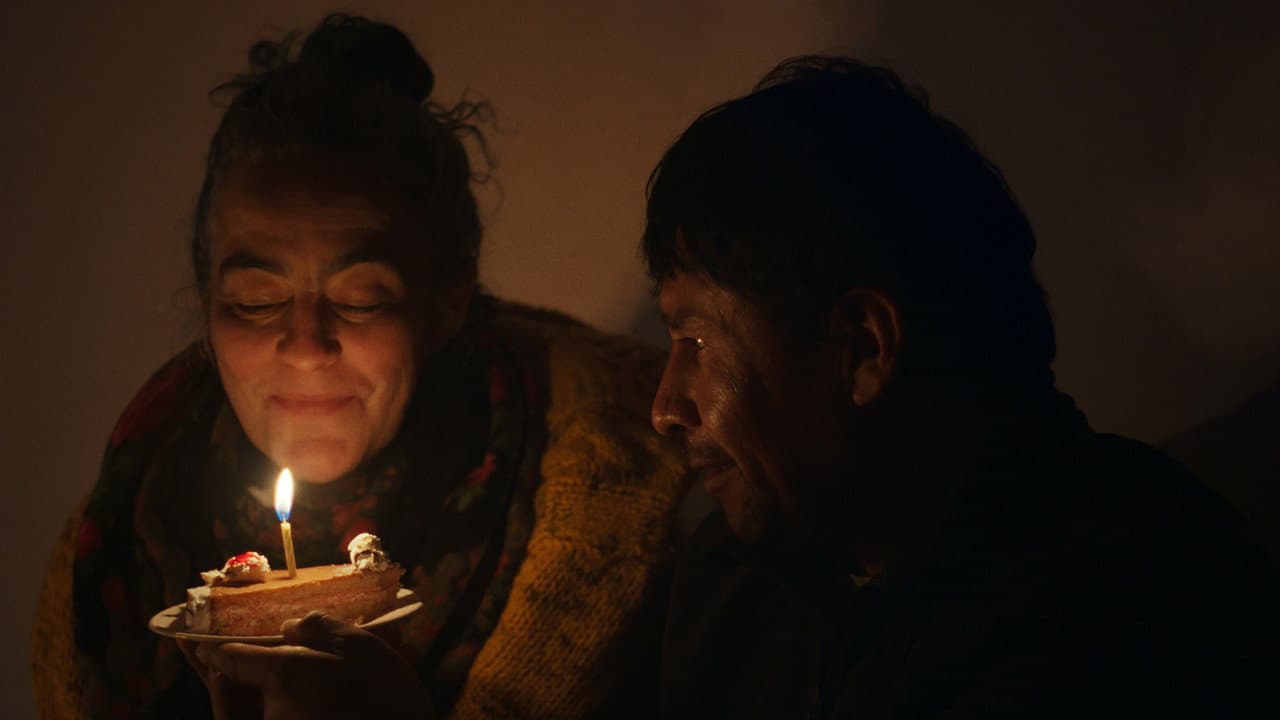
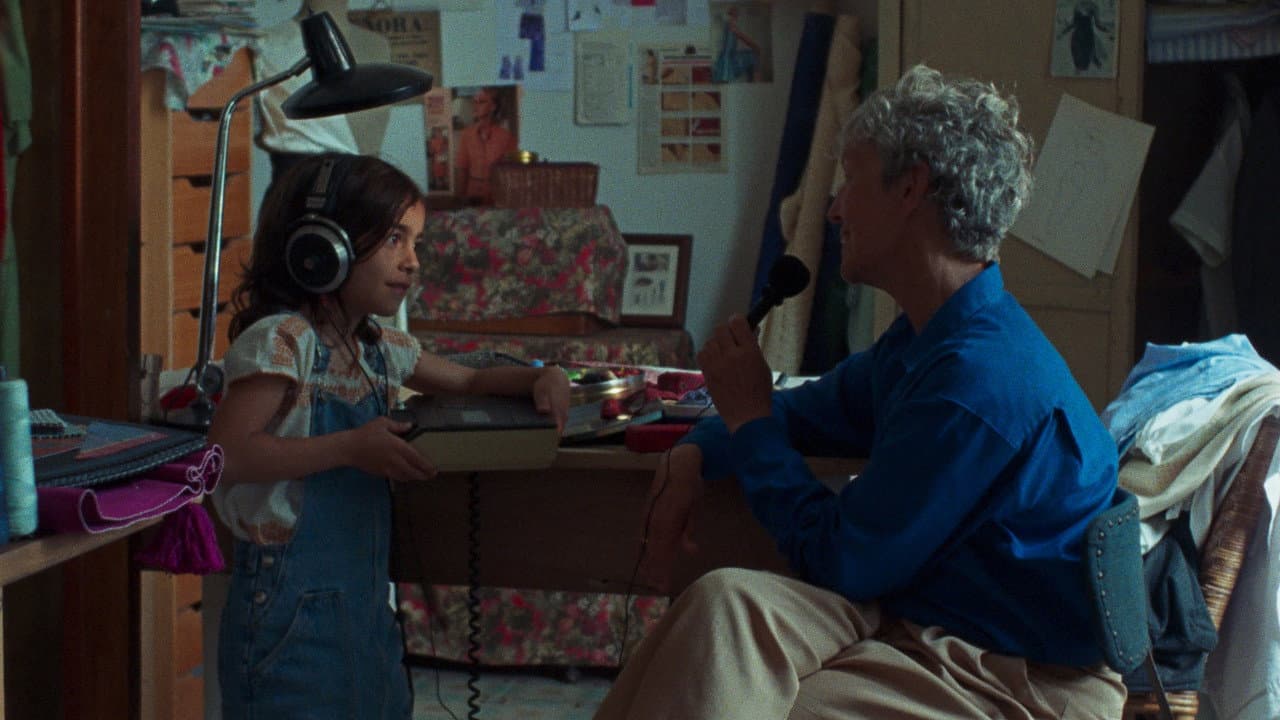
The film centers on Adela, played by Angélica Castelló, who embarks on a journey from the jungle to the Peruvian Andes with Lucho, a guide and translator portrayed by Jose Luis López Cama. Adela’s mission is deeply personal: she seeks to create a sound map of endangered languages, following in the footsteps of her grandfather, a Republican who was exiled in Mexico. But as she ventures deeper into the remote landscape, a sudden confrontation with mortality shatters her sense of reality, turning the expedition into an intimate reckoning with grief, displacement, and the fragments of her own past.
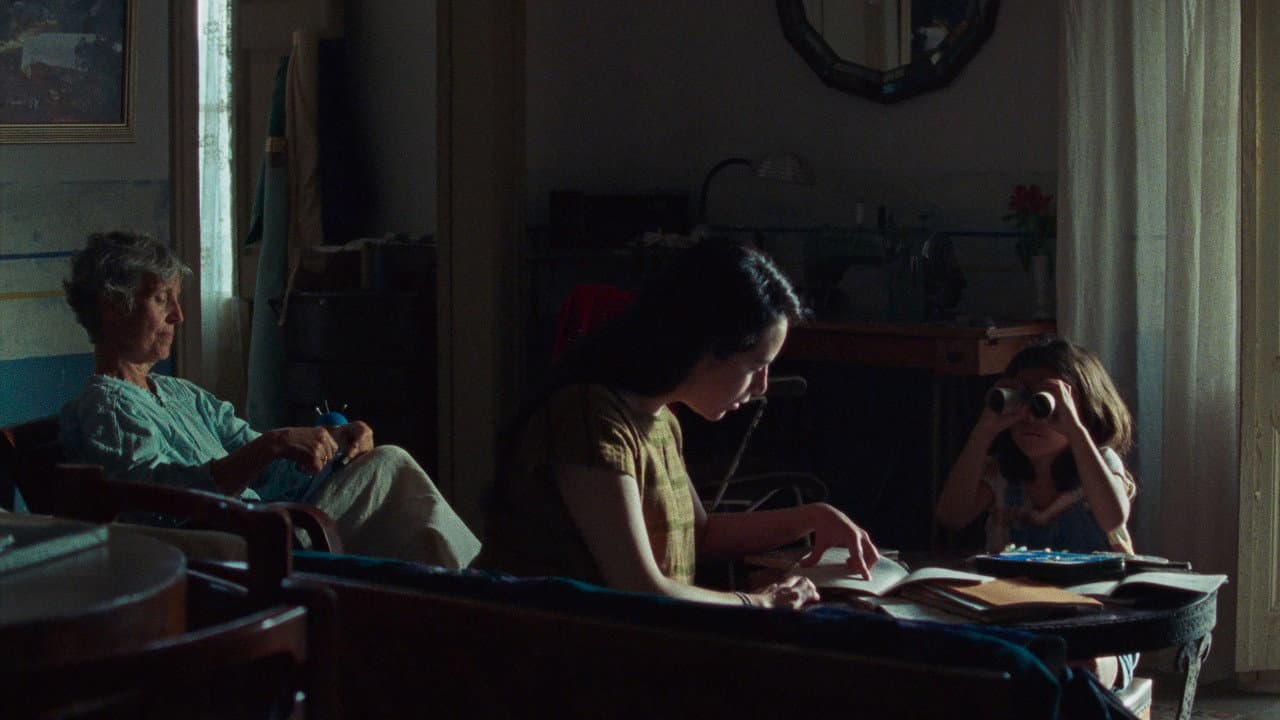
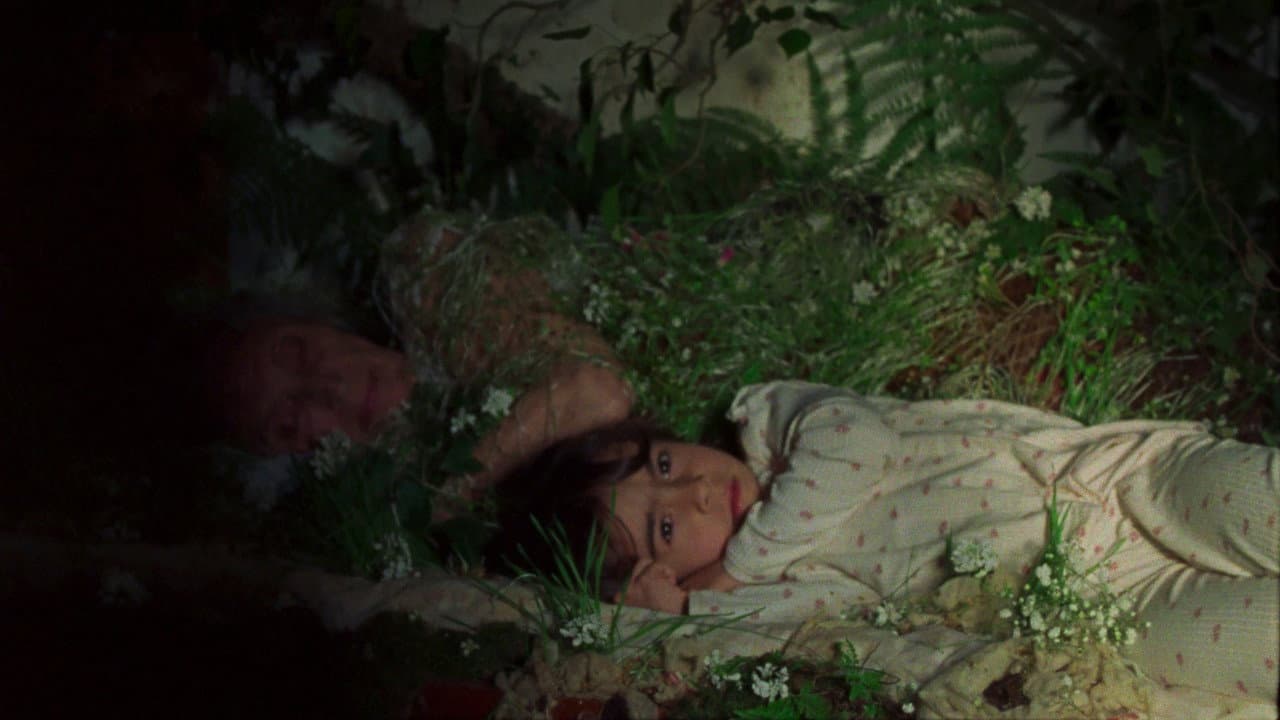
Reviewers have described the film as a "richly contemplative journey," emphasizing that its meandering physical path mirrors an equally complex mental and emotional odyssey. The deliberate pacing allows silence and ambient sound to carry as much weight as dialogue, a fitting approach for a story about a woman who listens for a living. The visual strategy is particularly notable: the crisp precision of 4K digital footage captures the staggering scale of the Andes, while Super 16mm graininess lends a nostalgic, almost tactile quality to scenes that evoke memory and dreamlike reflection. This dual-format approach does not feel gimmicky; instead, it underscores the tension between present reality and the haunting pull of the past.
The supporting cast adds considerable depth to the journey. Teresa Sánchez appears as Paula, while Caterina Ramirez Guallar takes on the role of Adelita, presumably a younger version of the protagonist. The ensemble also includes Ángel Santos, Anna Muxart Agell, Walter Yuri, and Núria Serra, though details about their specific characters remain under wraps. For Castelló, the role demands a largely internal performance, one built on restrained gestures and watchful eyes, and early critical response suggests she carries that burden with quiet authority.
Colell Aparicio, known for her previous work in meditative European cinema, has crafted a film that resists conventional narrative momentum. There is no rushing toward a climax; instead, the story unfolds in layers of sound and image, inviting viewers to sit with discomfort and uncertainty. The director’s interest in linguistic preservation and cultural erasure gives the film a political undercurrent, but it never becomes didactic. The endangered languages Adela records are not just academic data points; they are living, breathing connections to communities and histories that are slipping away.
The title itself, Far From the Trees, hints at both physical distance from one’s roots and the psychological separation that comes from exile, whether inherited or self-imposed. As Adela climbs higher into the mountains, the altitude seems to thin the boundary between the living and the dead, and the film’s fractured reality begins to mirror the protagonist’s internal collapse. Death, when it interrupts, does not arrive as a dramatic set piece but as a quiet intrusion that recalibrates everything that follows.
Though the film carries an Adventure genre tag, this is not an action-packed expedition. The adventure is interior as much as exterior, a slow climb through grief and self-discovery. The running time of nearly two hours is a considerable commitment, but for audiences willing to surrender to its rhythm, the payoffs are substantial. The film demands patience but rewards those who stay with it through its final, lingering frames.
Far From the Trees has not yet received a TMDb rating, reflecting its very recent release, but the initial critical discourse suggests it will find a devoted audience among those who appreciate arthouse cinema that prioritizes atmosphere over plot mechanics. It is a film that trusts its viewers to find meaning in ambiguity, to listen as carefully as Adela does to the world around her.
As it opens nationwide today, Far From the Trees stands as a testament to the power of slow, thoughtful filmmaking. It asks fundamental questions about how we carry our ancestors, how we confront our own mortality, and how we find language for what cannot be easily spoken. For those ready to embark on that journey, the film offers an experience that lingers long after the screen goes dark.
Source: Variety