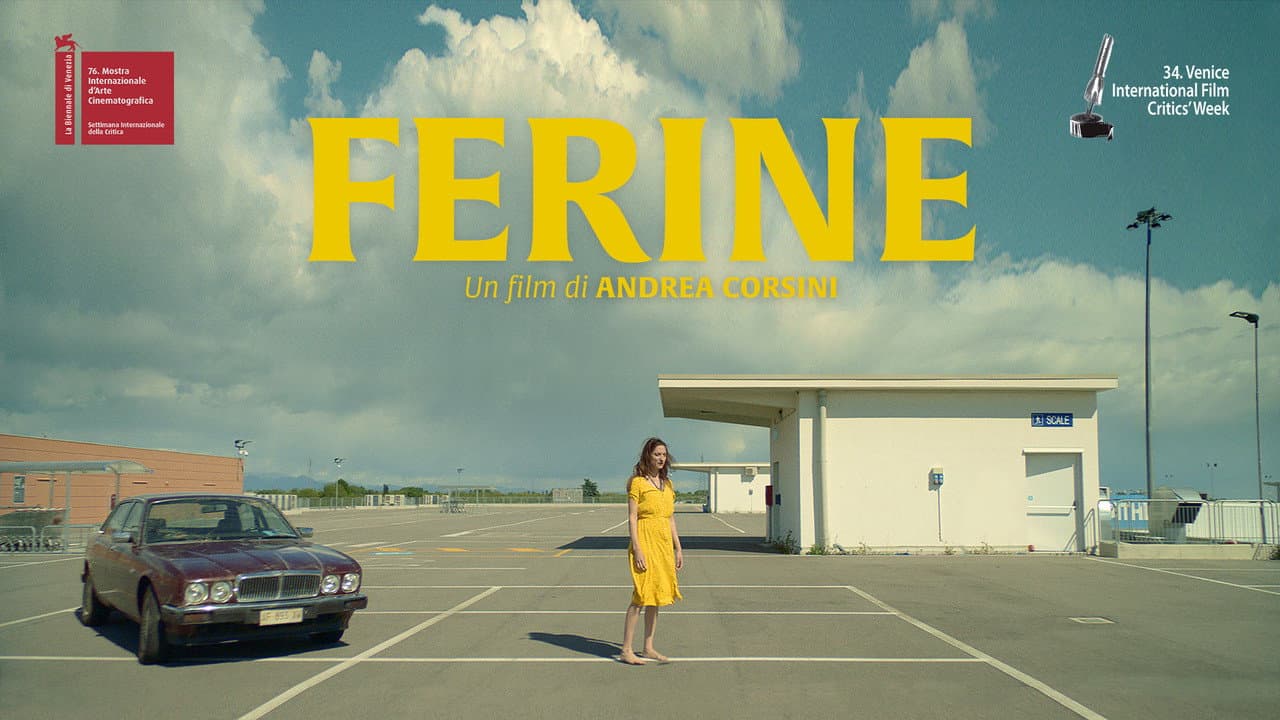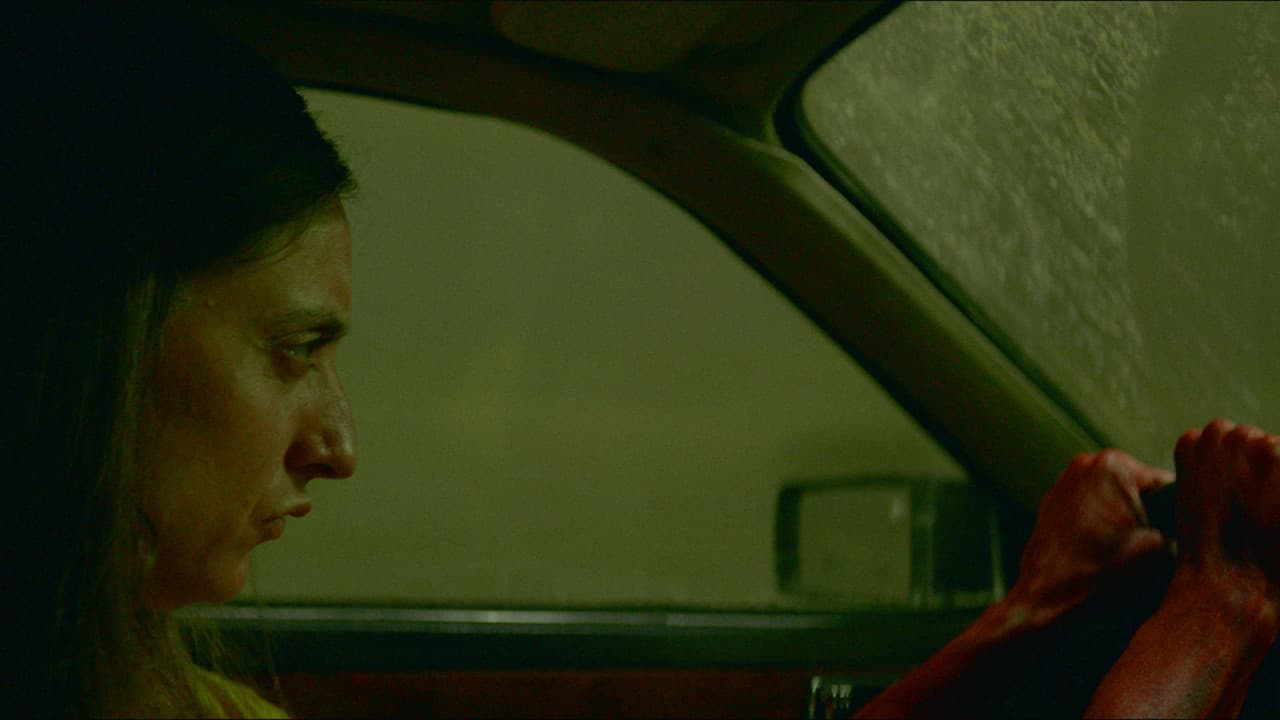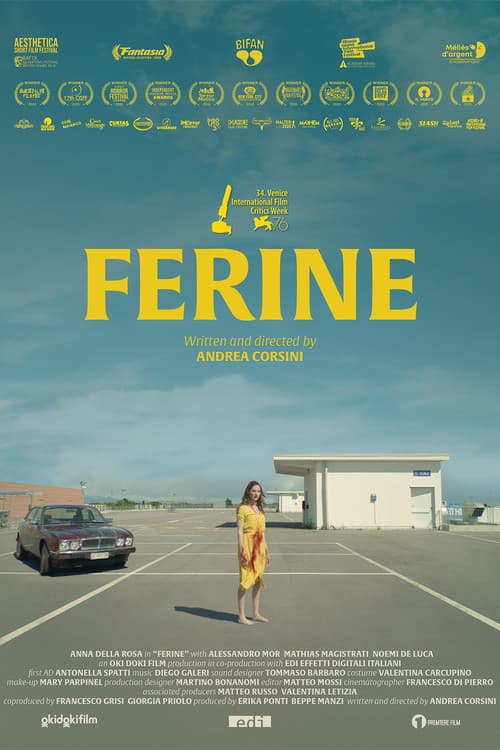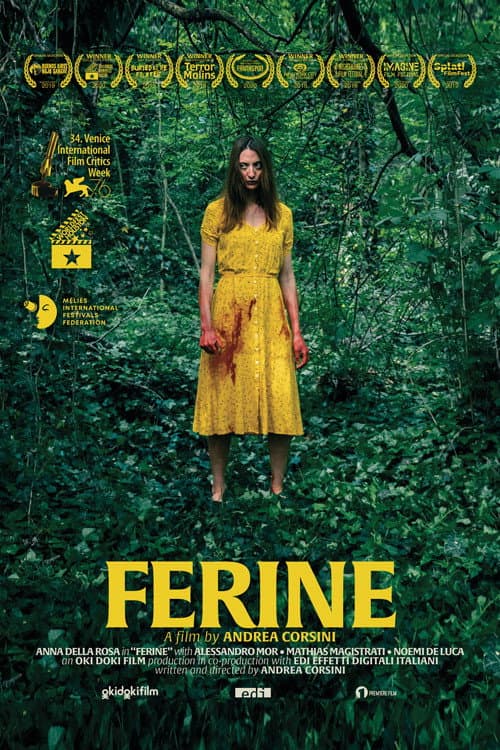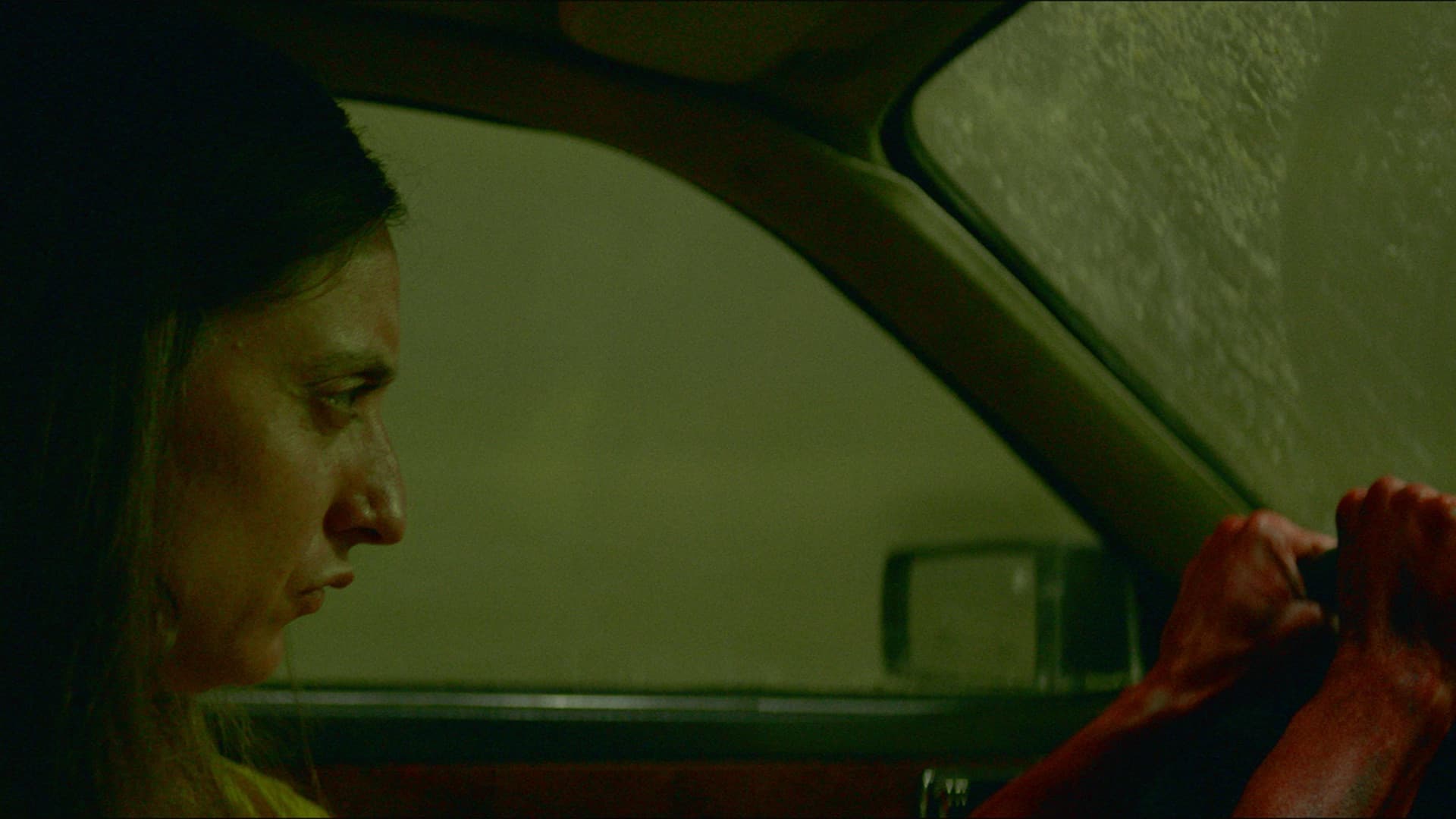
Andrea Corsini’s 17-minute horror short Ferine, which first surfaced in 2019, is drawing renewed attention for its unsettling fusion of maternal anxiety and primal threat. The film follows a woman as she trails a man through a vast, empty parking lot, her gestures telegraphing a barely contained fury. The sparse, menacing setup gradually pulls viewers toward a wooded area beyond her abandoned home, a location that ultimately reveals the true impulses behind her actions. With a TMDb rating of 7.3 out of 10, the black-and-white piece is being discussed as a concentrated exercise in upscale horror that reexamines the darker edges of motherhood.
A Minimalist Setup With Maximum Tension
Corsini’s approach strips horror to its skeletal elements. There is no dialogue to explain the woman’s behavior; everything is communicated through body language and environmental dread. Anna Della Rosa, whose performance the film hinges on, conveys a slow-burn fury that could shift at any moment into violence. Her target, played by Alessandro Mor, appears unaware of the danger trailing him. The parking lot itself becomes a character - empty, industrial, and isolating - and the camera lingers on concrete expanses that amplify the woman’s isolation and purpose.
The narrative circles back to a forest and an abandoned home, suggesting that the woman’s true nature is tied to some primal event that occurred there. Corsini deliberately withholds explicit backstory, forcing the audience to piece together clues from the woman’s feral postures and the way the man reacts when he finally registers her presence. What emerges is a portrait of motherhood twisted into something beastly - not through supernatural means, but through the raw, animalistic instincts that Corsini frames as both protective and predatory.
Horror Rooted in Gesture and Environment
What distinguishes Ferine from many short horror films is its reliance on visual storytelling rather than jump scares. The director uses tight framing and long takes to build a sense of inescapable dread. Early scenes show the woman moving with a predatory patience; her steps are measured, her shoulders hunched, her hands clenched. The man’s obliviousness only heightens the tension, because the viewer understands the danger long before he does.
The woodland setting functions as a psychological and physical boundary. Inside the home, remnants of domestic life appear abandoned - a crib, scattered toys - but the camera never allows the viewer to settle into comfort. The woods, by contrast, feel alive with threat. Corsini shoots them in high contrast, turning branches into skeletal fingers and shadows into hiding places. By the time the film reaches its climax, the line between human and animal has dissolved entirely. The woman’s final act is less a choice than a release, a surrender to the wildness that has been simmering beneath her calm exterior.
A Portrait of Beastly Motherhood
The phrase “motherhood begets beastliness” has been used by critics to describe the film’s core idea: that the maternal instinct, when pushed to extremes, can morph into something feral. Corsini does not judge this transformation. Instead, he presents it as a natural, if terrifying, extension of protection. The woman’s fury is not random; it is targeted and purposeful. The film suggests that the woods and the abandoned home are not merely locations but symbols of a past trauma that has rewired her instincts.
Della Rosa’s performance is the engine that makes this work. She shifts from a woman who seems vulnerable to one who is clearly in control, and finally to something beyond either category - a creature acting on pure instinct. Because the film offers little backstory, her physical choices carry all of the narrative weight. A single glance, a twitch of the mouth, a sudden stillness: these become signposts for the audience to chart her descent.
A Short That Packs a Lasting Impact
At only 17 minutes, Ferine belongs to the tradition of short horror that punches well above its runtime. Corsini, who wrote and directed the piece, demonstrates a firm grasp of pacing and atmosphere. The black-and-white cinematography, stark and shadow-heavy, strips away any distraction and forces the viewer to focus on movement and emotion. The sound design is similarly lean - footsteps, breathing, the rustle of wind through trees - with a sparse score that only appears at crucial moments.
For viewers receptive to quiet, character-driven horror rather than gore-filled theatrics, Ferine offers a compact but potent experience. Its 7.3 rating from TMDb reflects a solid reception, especially for a short film without mainstream distribution. As Corsini’s work continues to circulate in festival retrospectives and digital screenings, the conversation around Ferine is likely to grow. The film serves as a reminder that horror can be intelligent, restrained, and deeply unsettling - and that sometimes the most beastly impulses are the most human ones of all.
Source: Variety