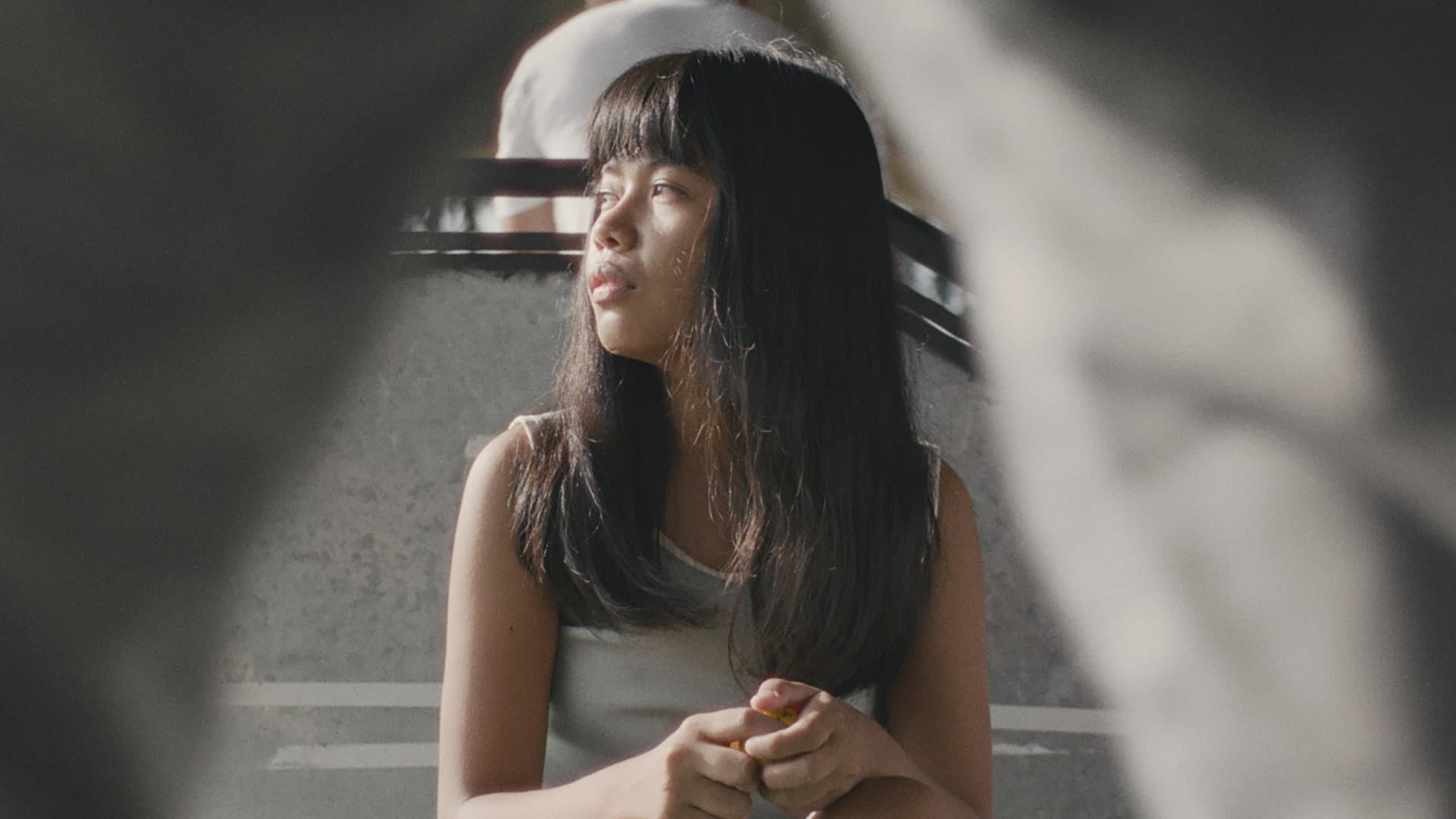
The golf course in Rafael Manuel’s 24-minute drama Filipiñana is not merely a scenic backdrop; it is a carefully constructed emblem of the class divisions that define modern Philippine society. In a recent conversation about the 2020 short film, the director detailed how the manicured greens and exclusive fairways serve as a stark visual shorthand for the economic and social barriers that persist in the country.
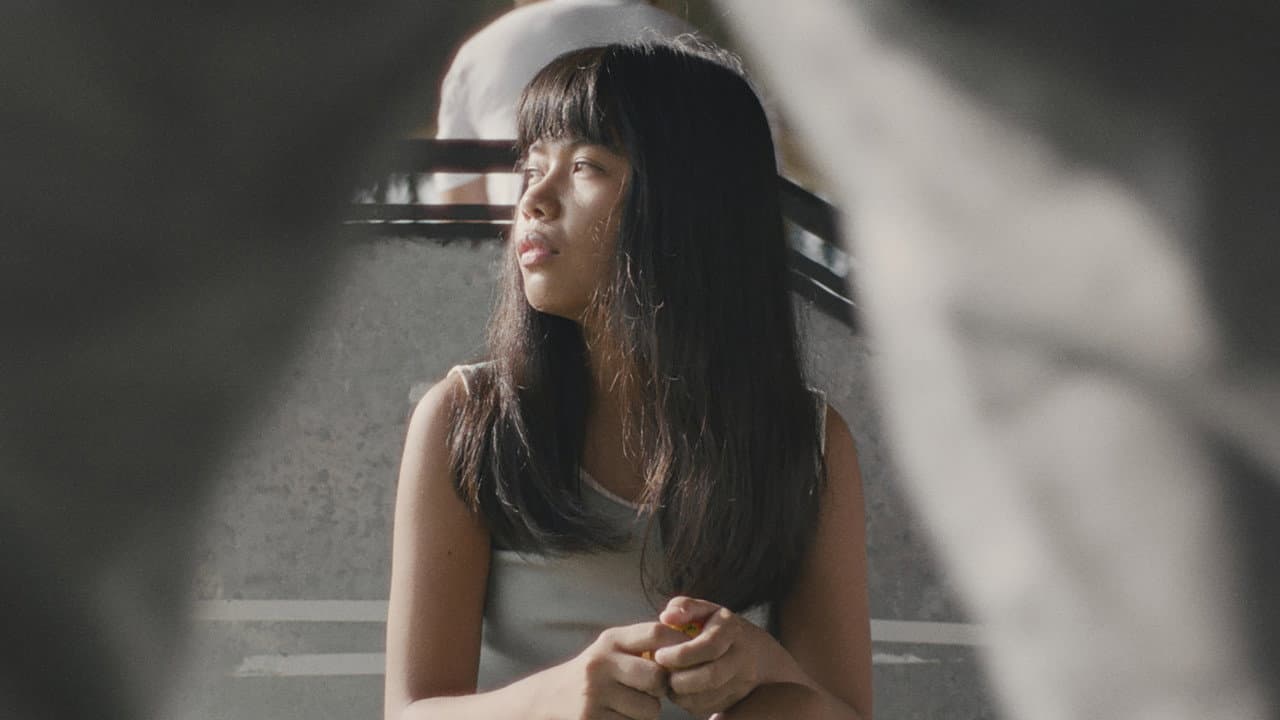
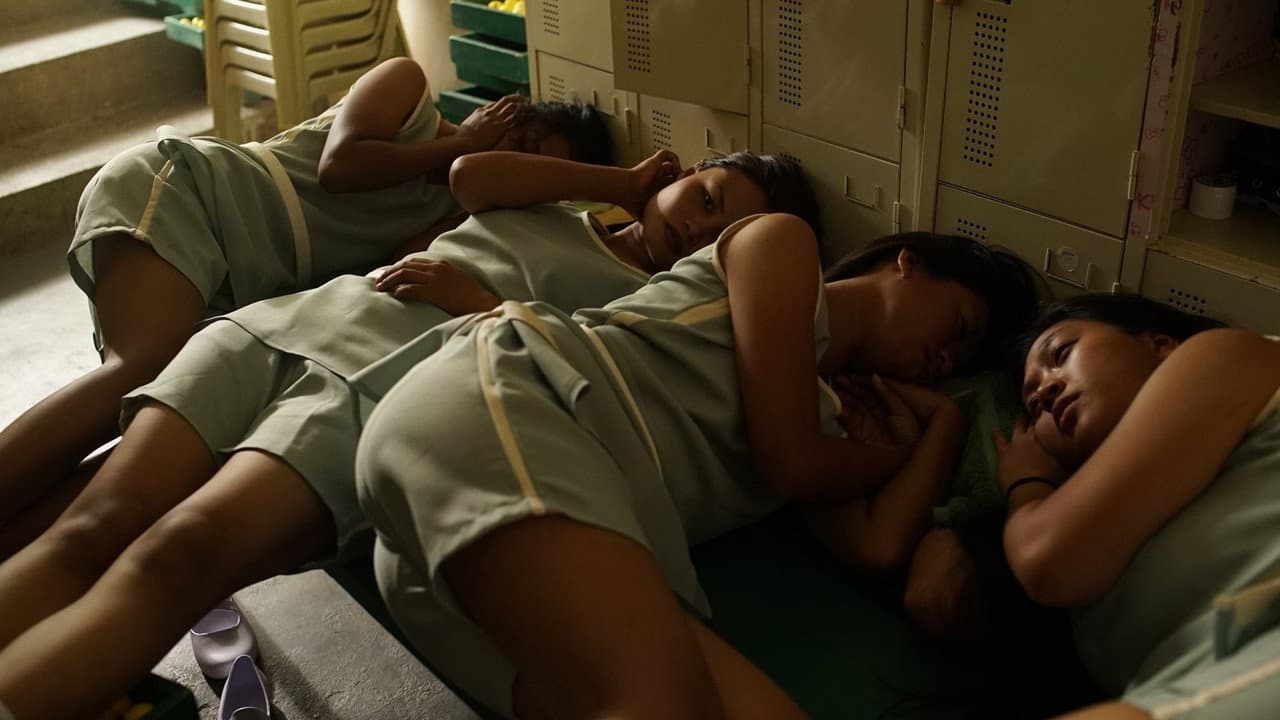
Manuel’s film follows Isabela, a young woman working as a caddie at an upscale golf club, as she navigates the quiet, often awkward interactions with the wealthy members she serves. The story, performed in Tagalog and set within the club’s contained world, uses the sport’s inherent exclusivity to explore themes of aspiration, servitude, and silent resistance. The director argues that the golf course is the perfect microcosm for the Philippines’ entrenched inequality - a place where the elite play while others labor in their shadow, often within the same frame.
The filmmaker’s central thesis is that the geography of the course itself dictates power dynamics. The pristine lawns are reserved for leisure, while the caddies and waitstaff move along the periphery, their presence essential but often rendered invisible. Manuel noted that this physical layout mirrors the structure of many Filipino communities, where wealth and poverty exist in close proximity but rarely interact on equal terms. The putting green becomes a stage where the nation’s social script is performed daily, without rehearsal.
For Manuel, the choice of a golf course was also deeply personal, rooted in observations from his own life. He explained that the setting allowed him to examine inequality without resorting to overt melodrama. The stillness of the sport, with its long pauses and measured movements, creates a tension that is more revealing than loud confrontation. In those silent moments, the film suggests, the true weight of social hierarchy becomes most palpable to those at its bottom rung.
The director’s commentary extends beyond simple symbolism, however. He points to the specific labor of the caddie - a role that demands physical endurance, emotional labor, and a constant performance of deference. Isabela’s journey in the film is not about escaping this world but about finding a quiet agency within it. The mystery element of the narrative, hinted at in its brief runtime, unfolds through her perspective, forcing the audience to question what is being hidden in plain sight on those well-tended lawns.
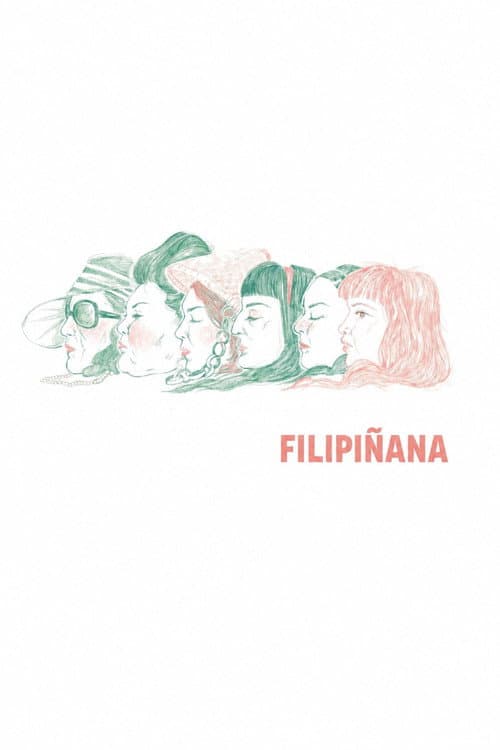
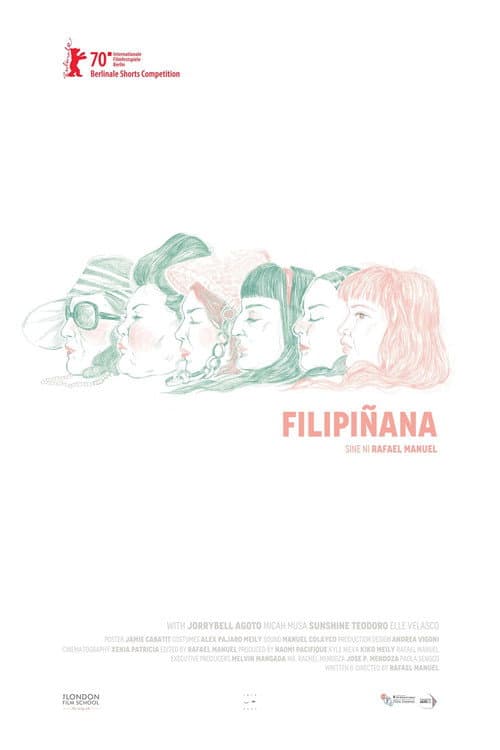
Release history and reception add another layer to this discussion. Filipiñana premiered on February 21, 2020, and has since been recognized as a notable entry in the short film circuit. Its modest TMDb rating of 4.5/10 contrasts with the critical attention it has drawn for its visual storytelling and thematic ambition. The film’s cast, led by Jorrybell Agoto as Isabela, brings a naturalistic quality to the script, with supporting performances from Micah Musa, Sunshine Teodoro, and Elle Velasco grounding the more abstract themes in lived experience.
Manuel’s approach to the material is deliberately understated. He avoids didactic speeches or villainous caricatures; the wealthy characters are not monsters but simply people comfortable in their privilege. This restraint, he argued, makes the critique more effective because it reflects the reality that inequality is often maintained not through cruelty but through everyday indifference. The golf course, with its strict dress codes and unwritten rules, becomes a metaphor for how opportunity is gated and access is policed, not always with fences but with social cues that are impossible to fake.
The film’s brief runtime is a point of pride for the director. In less than half an hour, he manages to sketch a world that feels complete, using the constraints of time to sharpen the focus on the central metaphor. Every shot of the fairways, every glance between the caddie and the player, is loaded with meaning. Manuel’s stated goal was not to provide answers about Philippine inequality but to make the audience sit with the discomfort of its normalcy.
As Filipiñana continues to find new audiences on festival platforms and streaming services, Manuel’s interpretation offers a useful lens for viewing the work. The golf course is not just where the story happens; it is the story. In his reading, the manicured grass covers the same soil as the rest of the country, but it is mowed, watered, and guarded to serve a different purpose. That deliberate reshaping of the land is, for the director, the most honest representation of how power operates in the Philippines - quietly, systematically, and with the polite smile of a tee-girl who has learned not to question her place.
Source: Variety