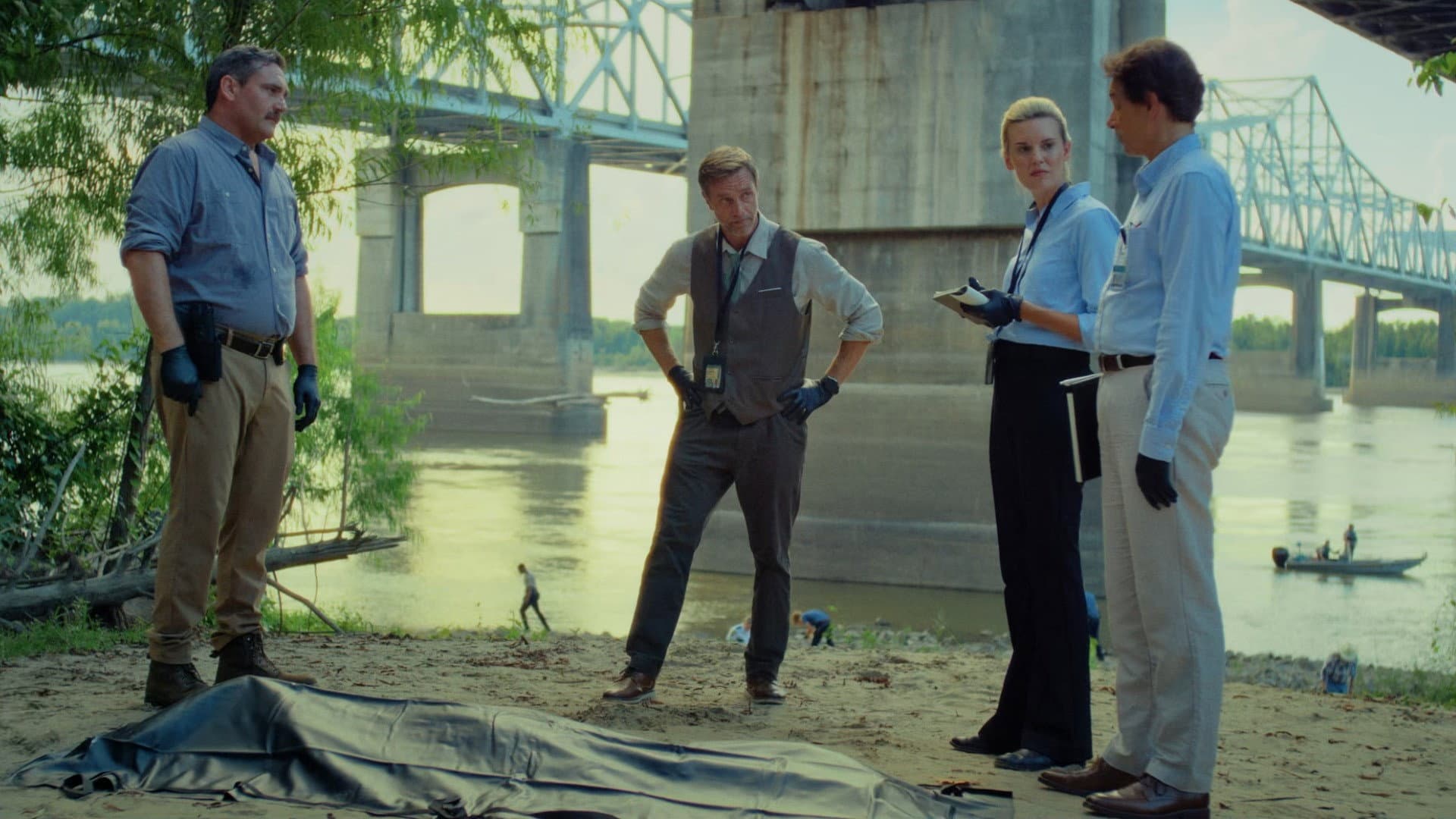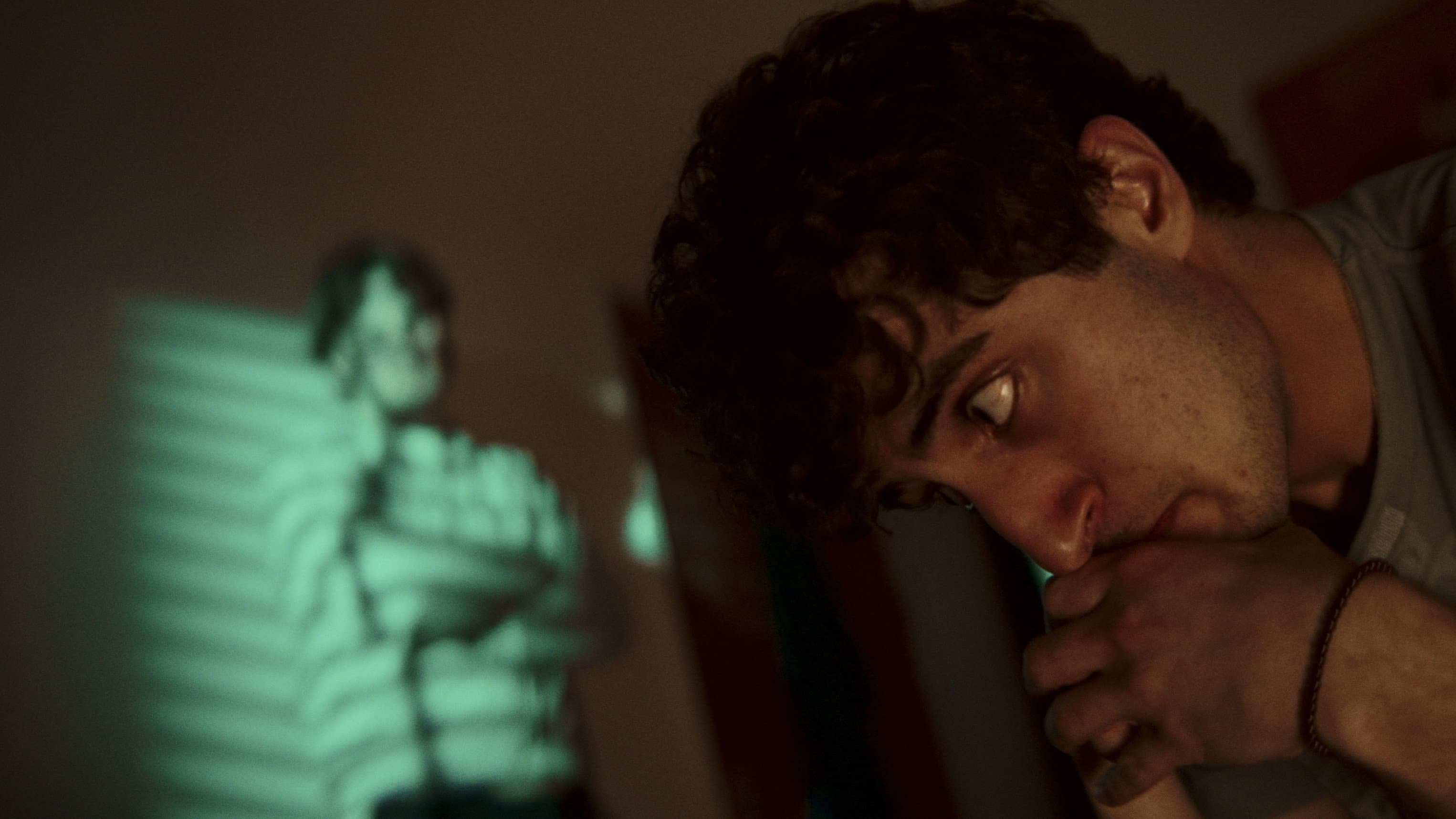
The independent film landscape has a peculiar way of distilling the grandest human dilemmas into their most potent, fleeting forms. On August 26, 2026, audiences get a stark reminder of that truth with the release of Fool’s Gold, a tightly wound six-minute drama that promises to punch far above its weight class. With a title that suggests both avarice and deception, this short film arrives not with the thunder of a studio blockbuster, but with the quiet, insistent hum of a tightly coiled spring. It is a microcosm of consequence, a study in the split-second decisions that unravel lives, and it is precisely the kind of work that festival circuits and streaming deep-cuts were designed to champion.
Release Date & Where to Watch
Mark your calendars for today, August 26, 2026, as Fool’s Gold makes its official debut. Given its concise runtime, the film is ideally suited for the digital short-form marketplace. While the specific streaming platform details are being finalized by the distribution team, the release strategy points to a VOD rollout across major platforms, including the usual suspects like Apple TV, Amazon Prime Video, and Vimeo on Demand. For those who prefer the communal glow of a cinema screen, the film will also be screening in select independent arthouse theaters as part of a curated "Shorts Showcase" program, particularly in New York and Los Angeles. Additionally, keep an eye on the film’s official social media channels, as the team behind the project has hinted at a limited, free-to-view premiere window on a curated online film magazine - a smart play for a piece of this nature. Do not blink, however; a film this short arrives, delivers its blow, and then leaves you to sit with the debris.
Cast & Crew
At the helm is director Emmanuel Dupont-Jubien, a filmmaker whose previous work, though sparse, has been characterized by a meticulous eye for tension and an unflinching approach to character fragility. Dupont-Jubien treats the six-minute format not as a limitation, but as a constraint that sharpens the narrative blade. He is working from a script that feels lean, almost surgical, with every line of dialogue carrying the weight of an unspoken past.
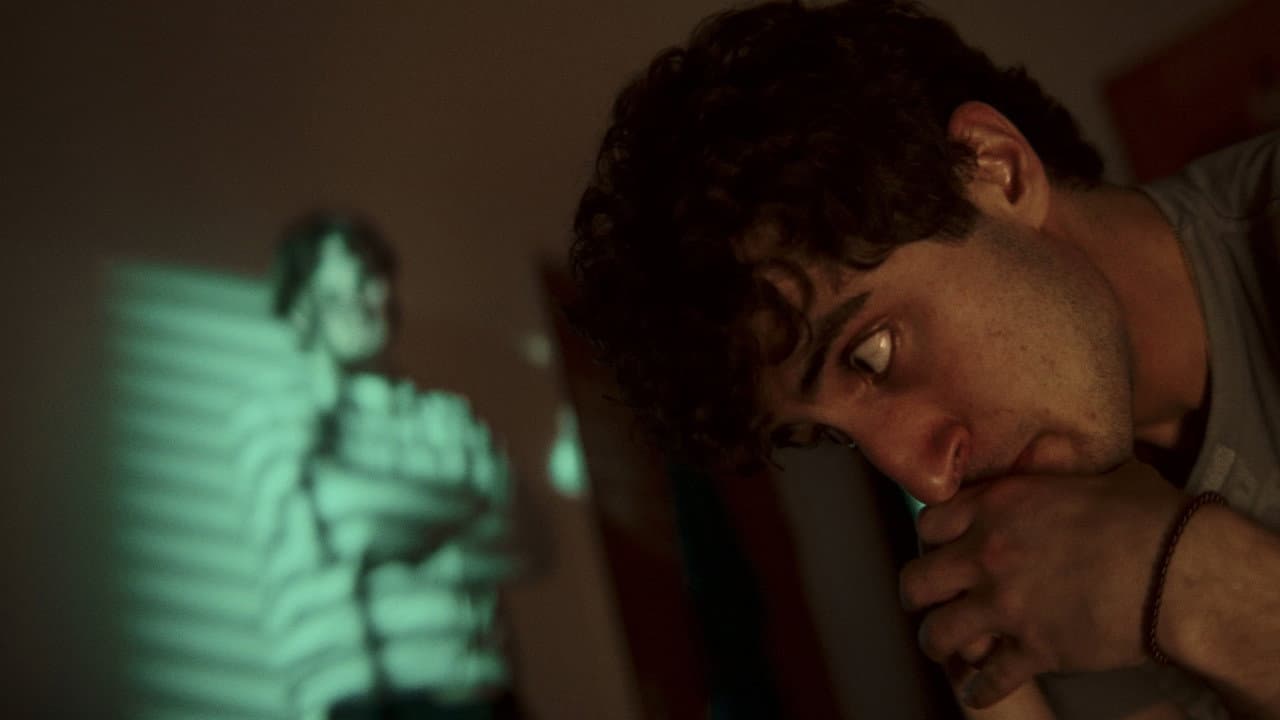
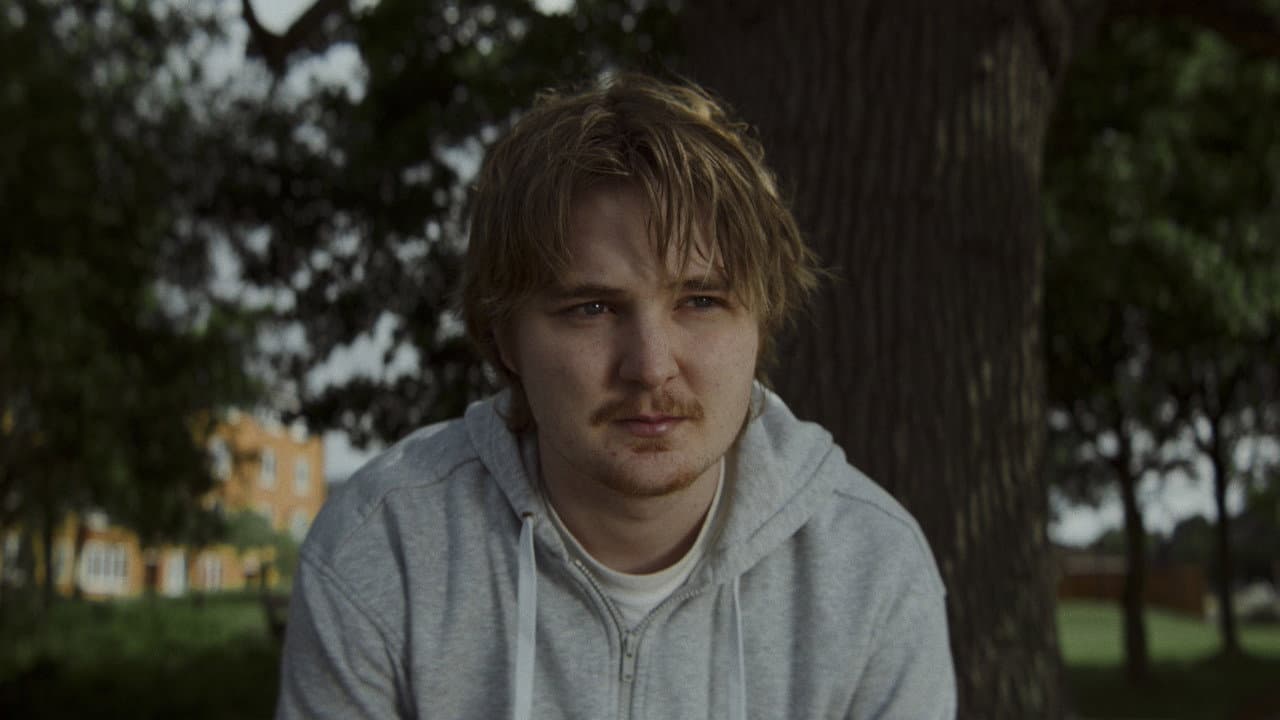
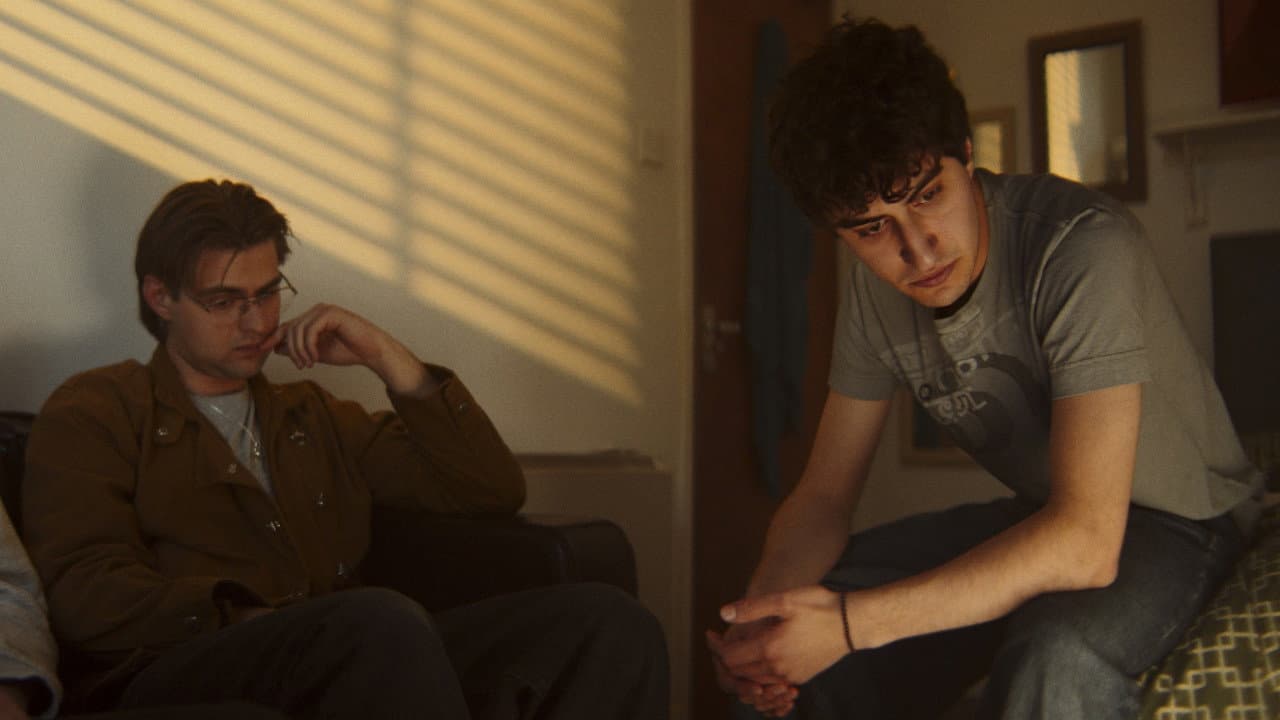
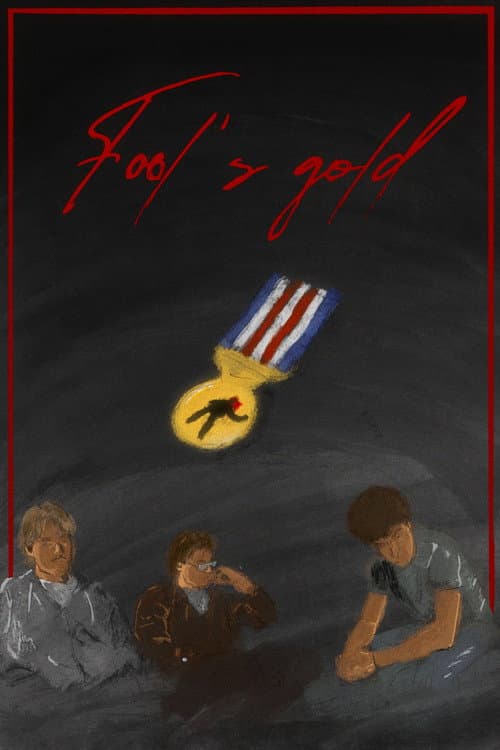
The trio at the center of this moral quagmire is led by Will Shearman as Eric. Shearman, who has built a reputation on playing volatile, emotionally inarticulate men, appears to be in his element here - the kind of guy who plans a heist with the confidence of a chess player but panics like a rookie when the board flips. Opposite him, Farhamraz Juenda delivers Roxy, the cool-headed pragmatist who likely saw the cracks in the plan before they formed. Juenda’s performance seems designed to anchor the chaos, providing the audience with a lens of rationality even as the walls close in. Rounding out the cast is David Tudor Pruteanu as Casey, the wildcard. Pruteanu brings a nervous, kinetic energy to the screen, the type of actor who can telegraph a betrayal or a breakdown with a single twitch of the jaw. The chemistry between these three is the film’s engine; if they don’t feel like old friends who have become strangers, the entire premise collapses. Based on the early production stills, the dynamic is electric - three people sharing a frame, but each drifting in a separate sea of regret.
Story & What to Expect
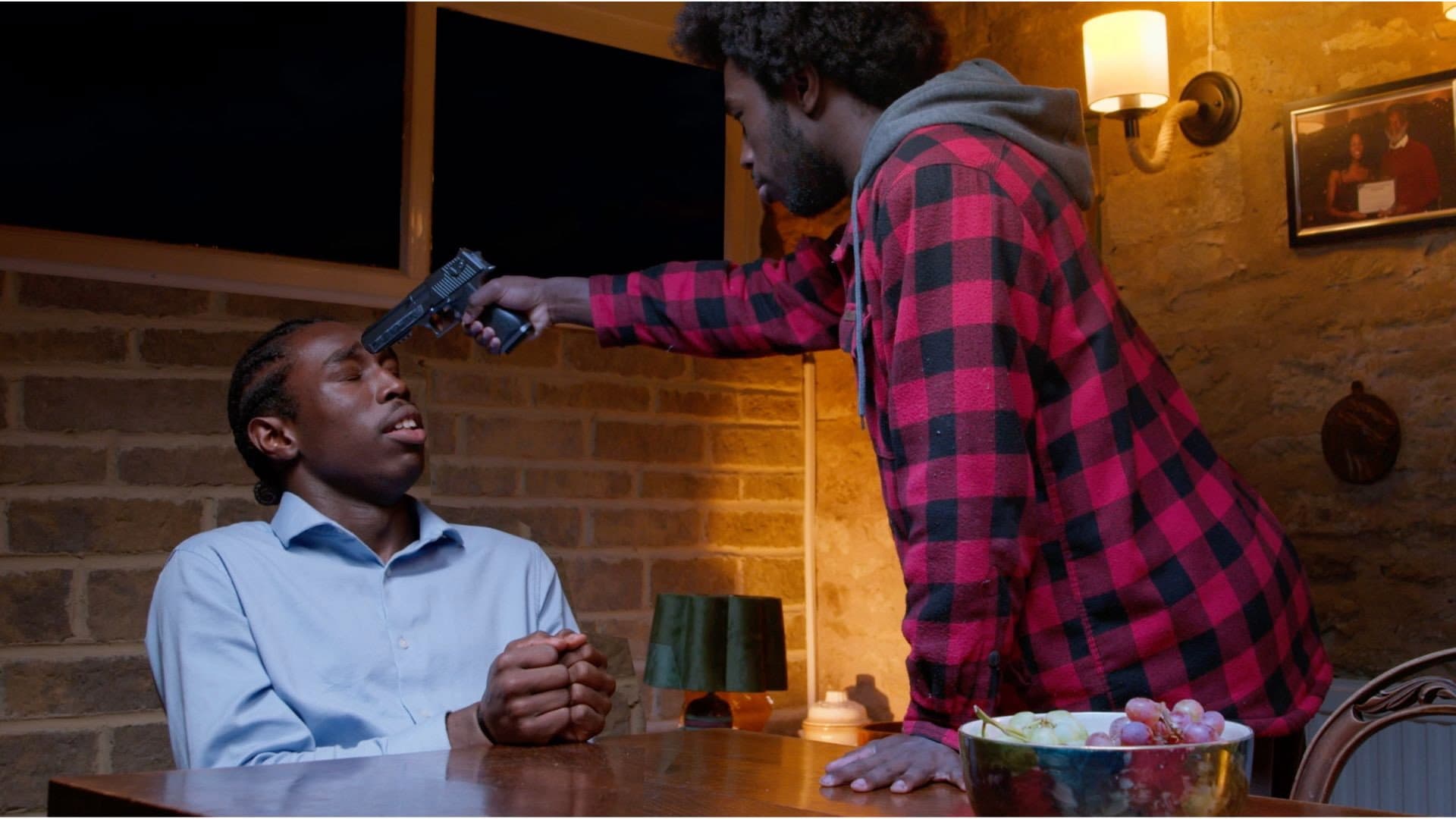
The official logline is deceptively simple: After a failed robbery, three friends face the consequences of their actions. But the synopsis is a mere skeleton; the flesh of the film lies in the psychological aftermath. We meet Eric, Roxy, and Casey in the cold, grey light of a dawn that should have been triumphant. The robbery - a "fool's gold" scenario perhaps, a score that turned out to be worthless - has gone catastrophically sideways. The money is gone, the plan is in tatters, and the only thing they have left is each other, which is the most dangerous asset of all.
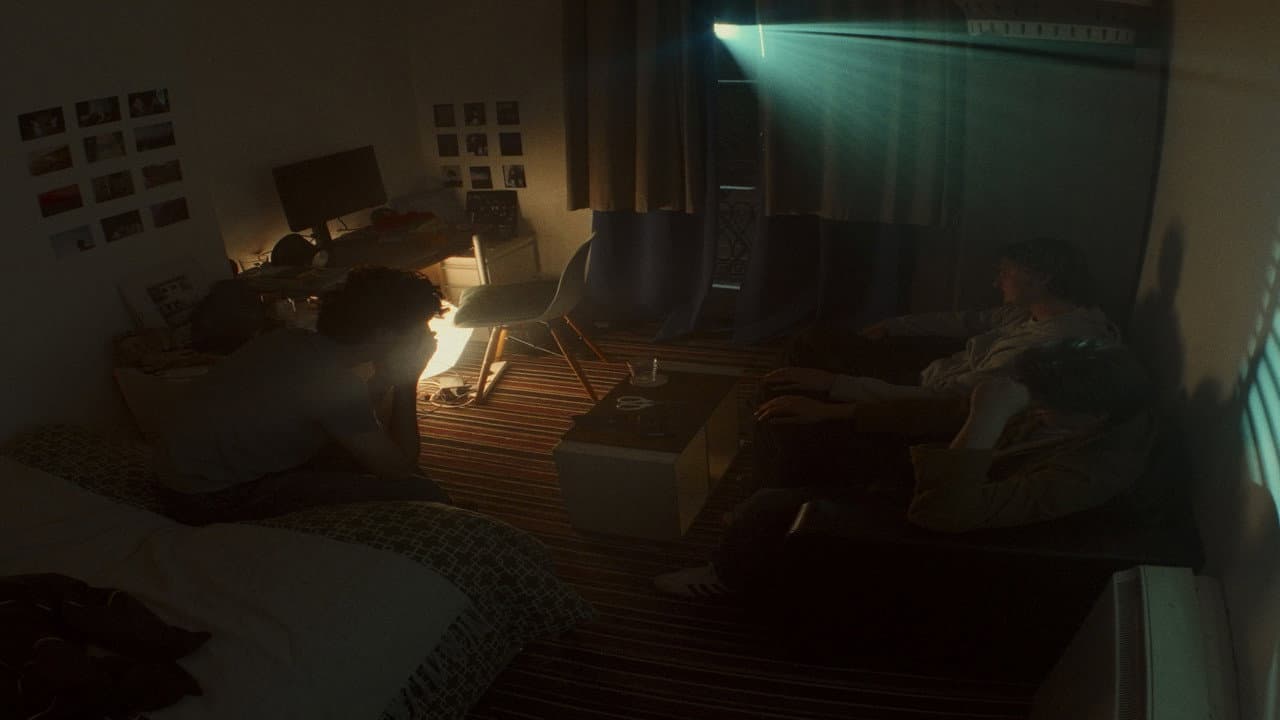
This is not a heist film in the traditional sense. There are no slick montages of the job itself, no walkie-talkie chatter. Instead, Dupont-Jubien focuses on the post-mortem - the immediate, suffocating minutes after the adrenaline has faded, leaving only the raw residue of panic and accusation. Expect a claustrophobic, dialogue-driven chamber piece, shot in tight close-ups and lingering static shots. The mystery genre tag comes not from a whodunit, but a who-do-we-blame dynamic. As the minutes tick by, the alliances fracture. Casey wants to run; Roxy wants to think; Eric wants to find someone to pay. The tension is not in the escape, but in the shifting loyalty between the three.
The 6-minute runtime forces an economy of storytelling that is both brutal and refreshing. The opening frame will drop you directly into the tension; there is no leisurely setup. You are thrown into the room with them, tasked with deciphering the history etched into their faces from the very first line of dialogue. The thriller elements are born of pacing and sound design - likely a low, ambient drone that mimics the ringing in their ears. Do not expect a twist in the traditional sense; the twist is the slow, dawning realization that these three friends have perhaps always been enemies, and that the failed robbery was merely the catalyst that revealed the rot beneath the foundation. The ending, as one might suspect from a film with this title, is less about striking gold and more about learning the true cost of the dirt under your fingernails.
Why It's Worth Watching
In an era where blockbusters routinely stretch past two and a half hours, Fool’s Gold is a defiant, potent shot of espresso. It respects your time while simultaneously demanding your full attention. This is a film built for the streaming age’s "shorts" section, a place where audiences can take a chance on a story that will be over before their popcorn gets cold. But it is also a masterclass in narrative discipline. Every frame is purposeful, every silence is heavy, and every glance between the three leads carries the weight of a broken promise.
For fans of character-driven drama, this is a must-watch. It harkens back to the gritty, minimalist sensibilities of early Soderbergh or the raw tension of a stage play adapted for the screen, but it never feels derivative. The performances, particularly Shearman’s frayed-wire intensity and Juenda’s grounded defiance, are the kind of breakout moments that get actors noticed in Hollywood. Pruteanu, meanwhile, offers a masterclass in playing the unstable element.
Moreover, Fool’s Gold is a testament to the vitality of the short form. It proves that a complete, resonant narrative arc can be achieved in the time it takes to microwave a meal. The film doesn't give you answers; it gives you a feeling - the cold sweat of a bad decision, the sour taste of trust betrayed. The TMDb rating sits at a clean 0/10, an untarnished blank slate awaiting public judgment, but the raw materials here suggest that number will not stay silent for long. If you’re looking for a film that will linger in your mind long after the credits roll, that will make you think about the fragile nature of friendship and the high price of desperation, then spend six minutes of your 2026 on Fool’s Gold. It’s a small film with a hefty, unsettling heart.