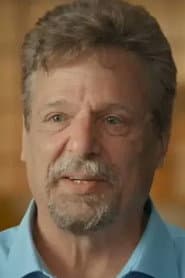
The narrative spine is bifurcated. On one hand, it’s the story of Barnett, a former quality manager whose escalating warnings about assembly-line chaos and ignored safety defects were met with retaliation, not remediation. His sudden death - ruled a suicide by South Carolina authorities, a conclusion his family fiercely contests - casts a long, sinister shadow over the opening act. The film’s connective tissue, however, is the broader, ongoing investigation into Boeing’s erosion of its own standards. Through a parade of insider voices - quality investigators, engineers, and managers - Kennedy assembles a fragmented timeline of systemic rot. We see the 737 MAX crisis not as a single, discrete accident but as an inevitability, the logical endpoint of a corporate philosophy that valued quarterly stock buybacks over the lives of passengers and the integrity of its workforce.
Advertisement
160×600
Left Ad
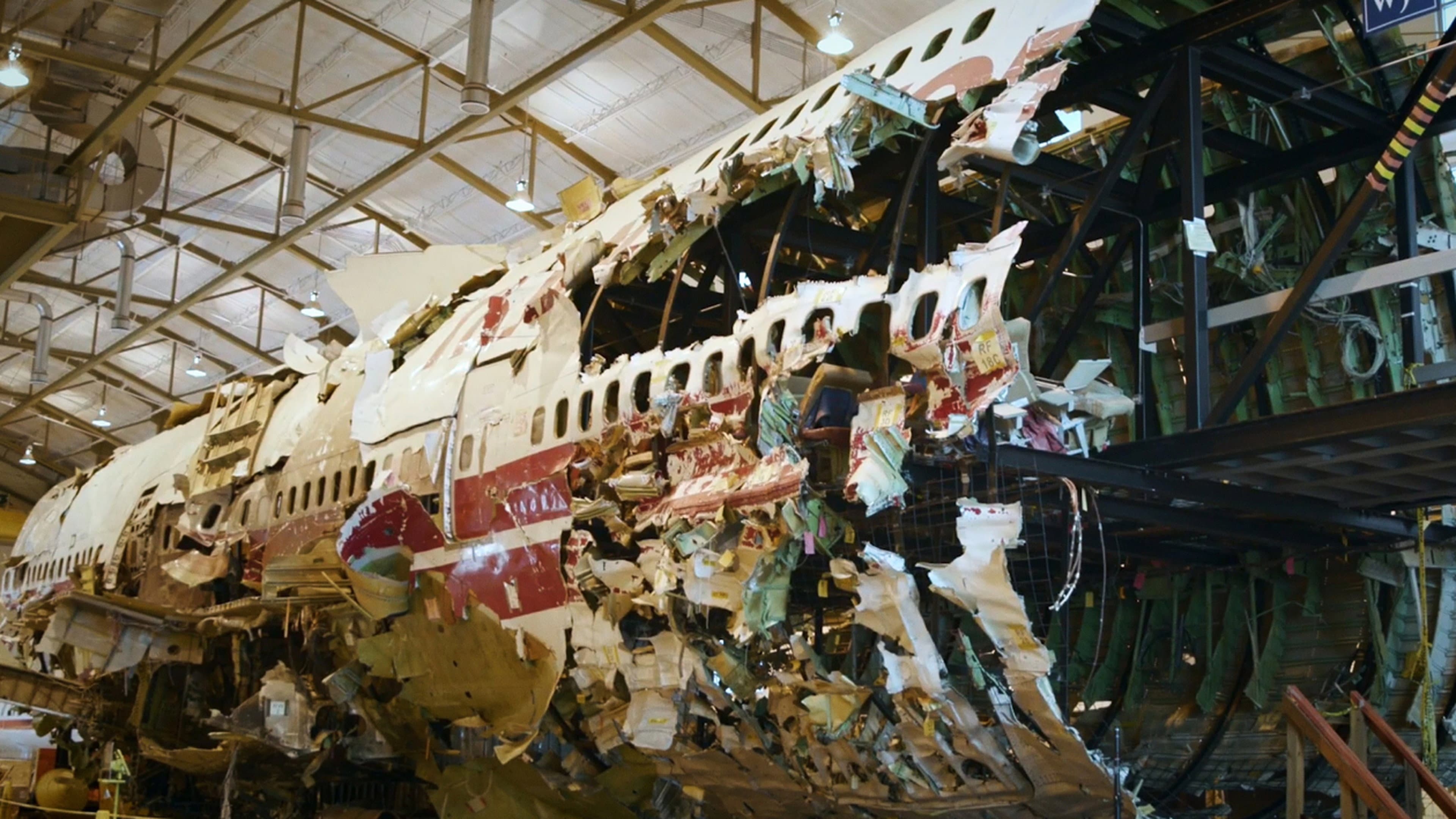
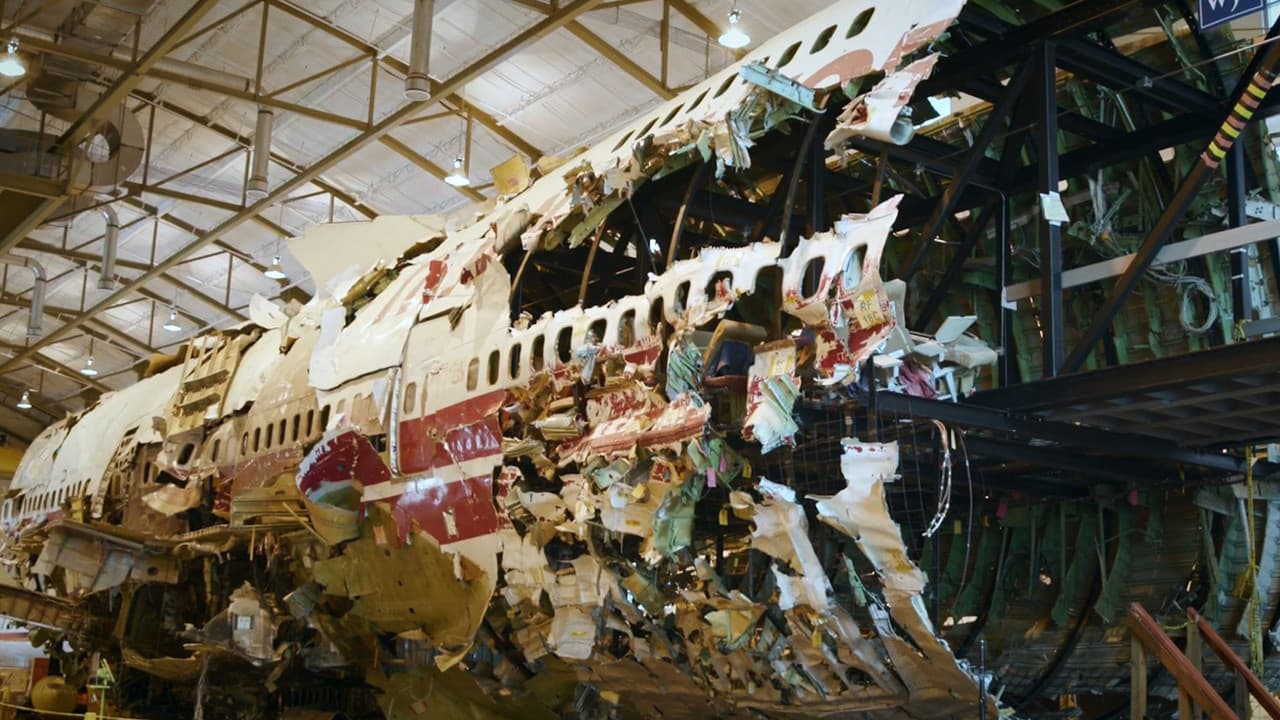
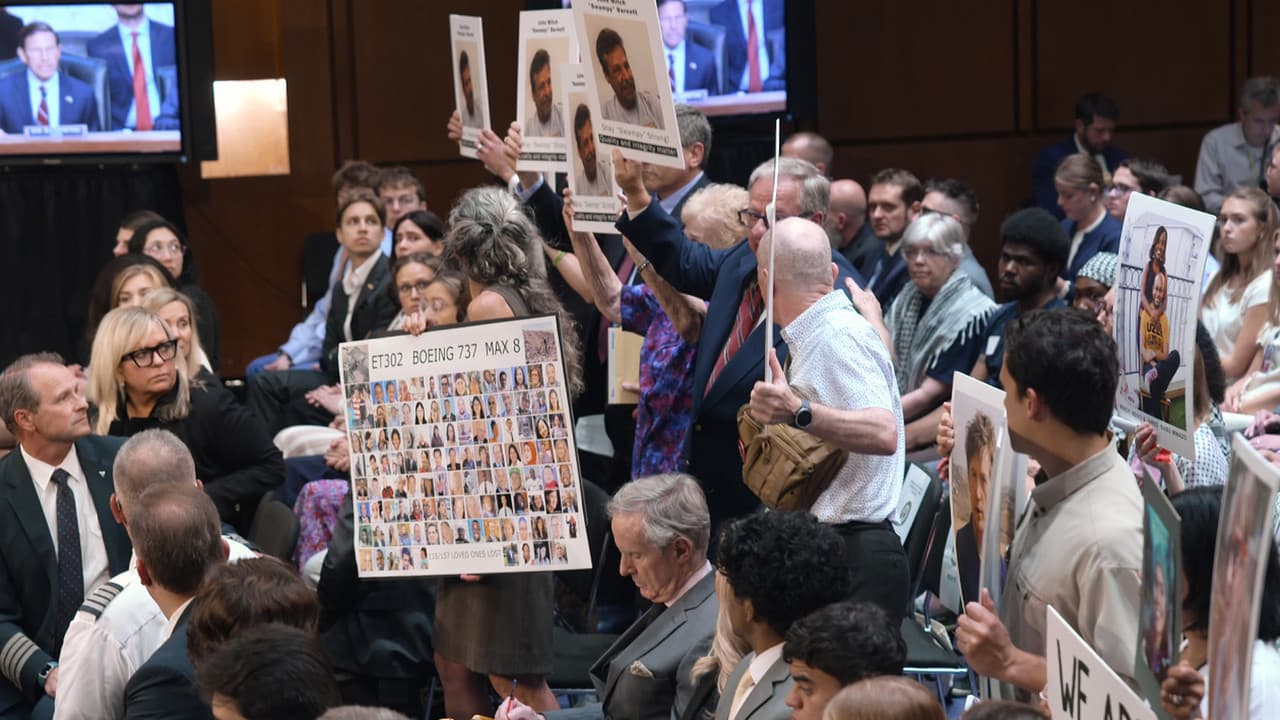
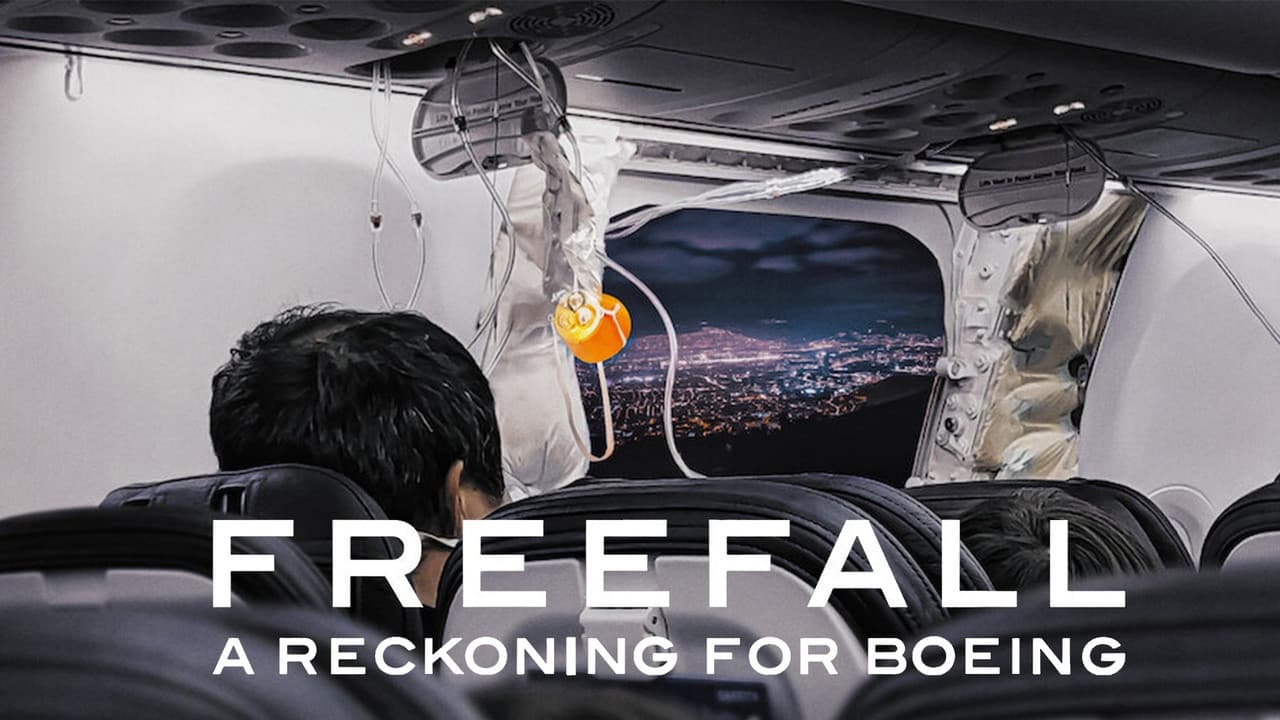
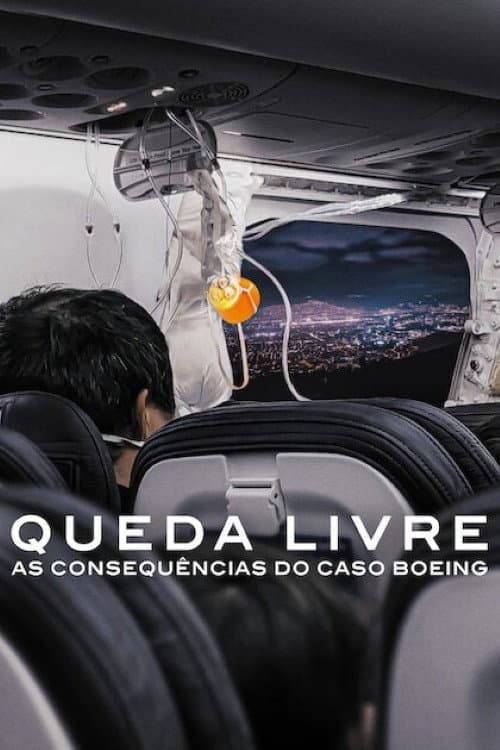
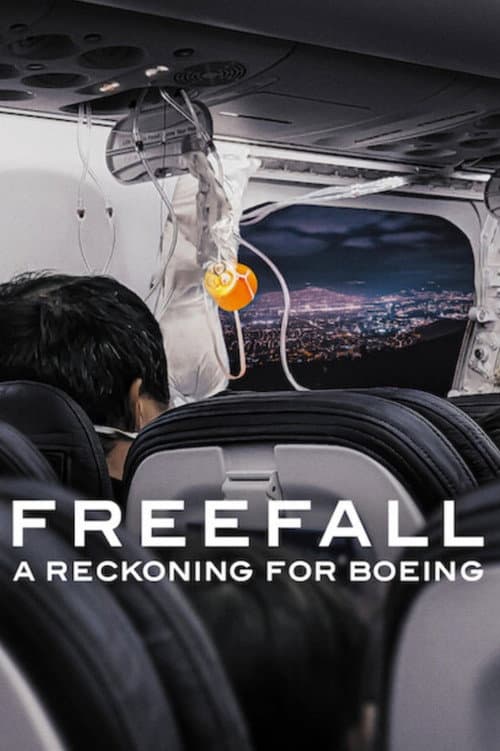
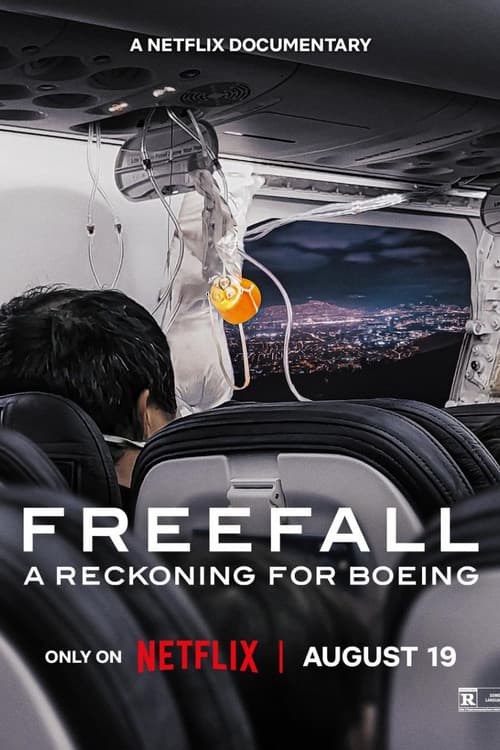
Freefall: A Reckoning for Boeing (2026) Review
Director
Rory Kennedy
Language
EN
Release
2026-08-14
Runtime
95 min
Quick Verdict
A sobering, methodically assembled indictment that prioritizes procedural gravity over theatrical fire. It doesn’t possess the flashy confrontation of a Michael Moore polemic, but its cumulative weight is far more devastating. For anyone who has boarded a 737 MAX with a quiet unease, this is essential, uncomfortable viewing. It’s a 95-minute exercise in controlled anger, but it risks losing the casual viewer in the weeds of its own meticulousness.
Story
Review
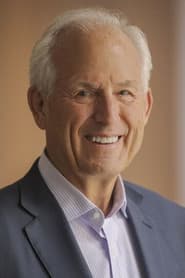
Kennedy’s direction is patient, almost forensic. She lets her interviewees - men like Sam Salehpour and Sam Mohawk, whose credentials are stacked with years of on-the-floor experience - speak in long, considered takes. There’s no need for dramatic reenactments; the horror is in the bureaucratic detail. The archive footage of a younger, slicker Jim McNerney talking about “the soul of Boeing” feels less like nostalgia than a requiem for a murdered ethos. The editing crosscuts between these hushed, concerned interviews and the sterile hum of factory floors, creating a sense of dread that is more insidious than any crash sequence.
But the film is not without its flaws. The middle section sags, bogged down by the alphabet soup of FAA oversight, production certificates, and quality inspection codes. It occasionally forgets that the general audience isn’t a congressional hearing. The legal framing - predominantly through the voice of Barnett’s attorney, Rob Turkewitz - is useful, but it leans heavily on a litigation-minded perspective that can make the objective feel like a deposition rather than a revelation. The biggest absence is a truly probing confrontation with current Boeing leadership; the film relies on inference and past statements, which, while damning, lacks the visceral tension of a live face-off.
Yet, what elevates this beyond a standard cable-news special is its empathetic core. Kennedy doesn’t just catalog the crimes; she honors the pathology of the witnesses. These are men who clearly loved the company they worked for, and their sadness is palpable. The film hums with a quiet, furious melancholy - a sense that they aren't just testifying against a corporation but grieving the loss of a national institution that once built the future. It’s the restraint in their voices, the careful, deliberate tone of men who have been coached to be precise because they know the other side will twist their words. That humanist grounding gives the documentary its power, transforming a story of nuts and bolts into a tragedy of conscience.
Pros & Cons
Pros:
- Dogged, determined reporting that foregrounds credible insider voices.
- Kenneth’s pacing allows for complex information to sink in without sensationalism.
- The emotional weight of the Barnett story provides a powerful central spine.
- Excellent archival editing that creates stark contrasts between Boeing’s past and present.
Cons:
- Middle-section pacing lags under regulatory minutiae.
- Lacks a dynamic, on-camera adversary for dramatic confrontation.
- Some may find the U.S.-centric perspective limiting given the global nature of the aviation industry.
- The conclusion offers little in the way of concrete next steps for viewers.
Rating Breakdown
Final Verdict
“Freefall” is not an easy watch, nor is it a particularly fun one. It’s a grim, dutiful piece of filmmaking that asks more questions than it answers, primarily because the answers are locked behind legal non-disclosures and destroyed hard drives. Kennedy has crafted a memorial for John Barnett, but more importantly, she has created a cautionary document for the next generation of engineers and pilots. The film’s final thesis isn’t about the failure of one company, but the failure of regulation, of oversight, of a culture that rewards the silence that keeps the planes flying. At a TMDb score hovering near 6.75, it may be too dry for mainstream audiences, but that number feels conservative. This is a vital, if decidedly unglamorous, work of citizen journalism. It will make you angry, and it will make you think - but only if you’re willing to sit with the unease for over an hour. In the current climate, that’s perhaps the most radical act a documentary can hope for.
Cast
John Barnett
Self (archive footage)
Rob Turkewitz
Self - Attorney for John Barnett
Sam Mohawk
Self - Boeing Quality Investigator
Roy Irvin
Self - Boeing Quality Investigator (Former)
Sam Salehpour
Self - Boeing Quality Engineer
Merle Meyers
Self - Boeing Quality Manager (Former)
Jim McNerney
Self (archive footage)
David G. Bradley
Self (archive footage)
Jack Welch
Self (archive footage)
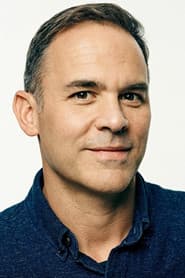
David Gelles
Self - Author and Journalist, The New York Times
Dominic Gates
Self - Aerospace Journalist, The Seattle Times
Vicky Stokes
Self - Mother of John Barnett
Gallery
Similar Movies

Related Reviews
Advertisement
160×600
Right Ad