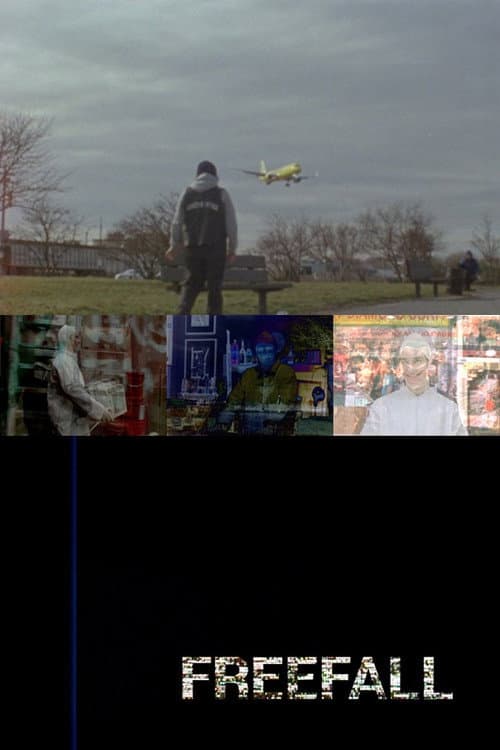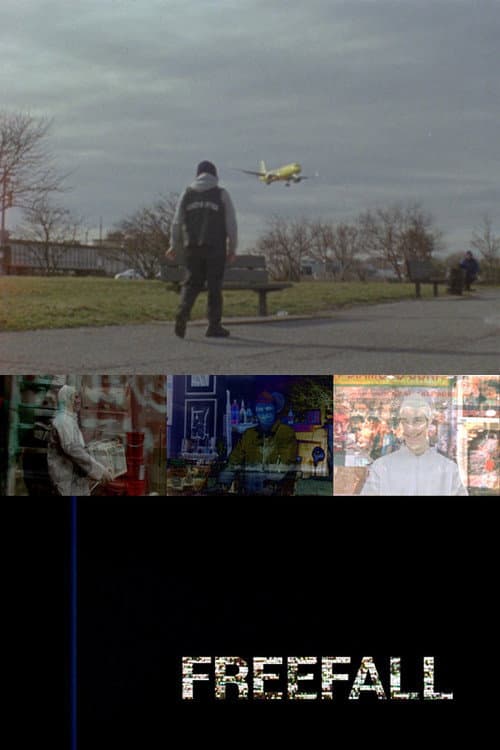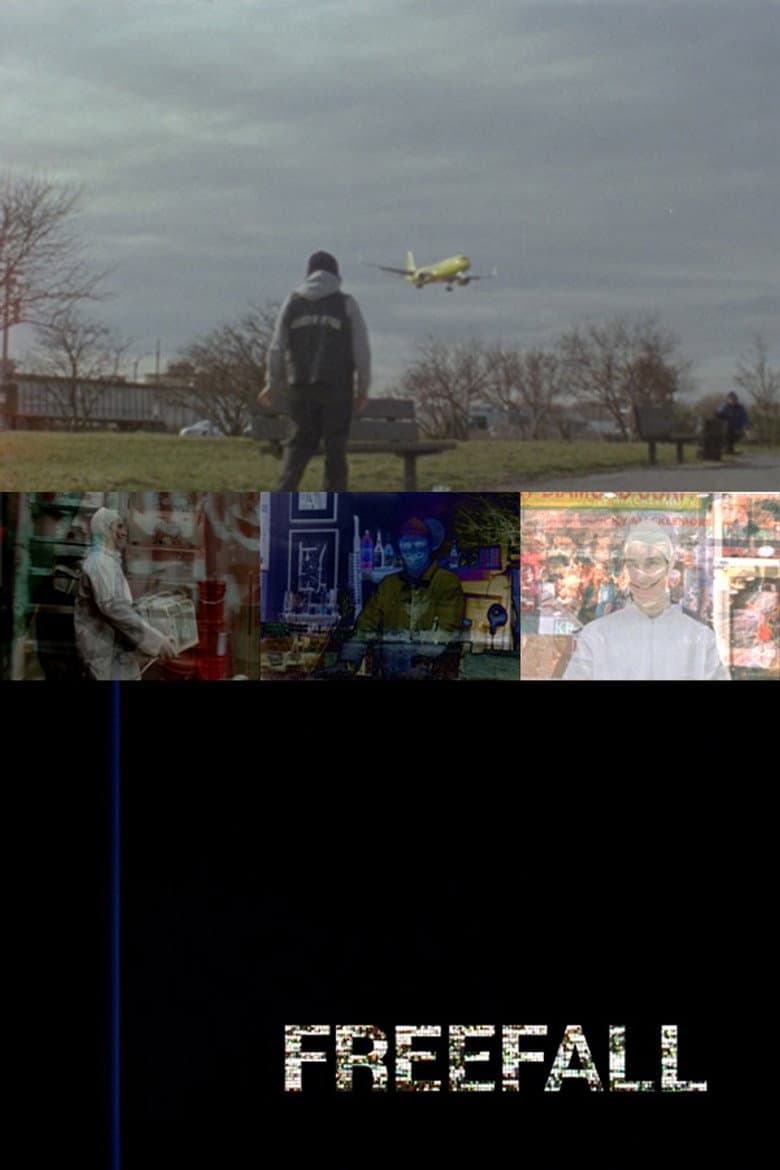
LOS ANGELES - A new short film is asking audiences to look up from the ground and consider the weight of corporate secrets, personal guilt, and the ghosts we carry through empty streets. Freefall, a 10-minute drama directed by Abyn Reabe, arrives with a premise ripped from recent headlines: a Kennedy family member investigating the suspicious death of a Boeing whistleblower.
The film, which premiered on October 11, 2024, has quietly circulated through festival circuits and independent showcases, but its thematic resonance has only grown sharper with time. While the project bears the title Freefall, it is less a documentary exposé than a moody, atmospheric meditation on memory and moral erosion. According to the official synopsis, the story follows an unnamed narrator moving through a lonely, desolate cityscape. Overhead, planes drift by - distant, indifferent - while the protagonist’s past catches up with him in the form of spectral figures. He peddles his own recollections to strange, otherworldly cashiers who populate this dreamlike environment, trading lived experience for something like absolution or oblivion.
The connection to the Kennedy name and the Boeing whistleblower tragedy is woven into the film's premise, though Reabe’s approach is anything but literal. The narrative eschews straightforward journalism in favor of surrealist introspection. The narrator, haunted by what he has witnessed and what he has done, reflects on “the brutality of banality” - the mundane machinery that allows terrible things to happen without anyone feeling responsible. It is a theme that echoes the real-world case of a Boeing employee who died under murky circumstances after raising concerns about the company’s manufacturing practices, a story that continues to provoke questions about corporate power and institutional silence.
Freefall stars Jason Gotlieb as The Wanderer, the film’s central figure, who carries the weight of the narrative through a performance that leans heavily on physical stillness and haunted glances. The supporting cast includes Ed Malone as Cashier #3, Sam Jang-Milsten as Cashier #1, Sophie Becker as Cashier #2, and Lily Lady in the role of The Drug Addict. Each character appears to function as a gatekeeper of sorts, trading in the protagonist's fragmented memories as he moves through a city that feels both abandoned and overcrowded with the past.
Reabe, who wrote and directed the project, has built a reputation for work that prioritizes atmosphere over plot mechanics. In Freefall, that instinct is on full display. The film’s 10-minute runtime is dense with visual metaphor: shadows stretching across cracked pavement, the drone of engines overhead, the hollow clatter of footsteps in empty plazas. The cinematography reportedly leans into stark contrasts and muted colors, reinforcing the sense of a world drained of warmth and certainty.
The film’s title carries obvious connotations - both the literal plummet of an aircraft and the moral descent of its protagonist. But Reabe seems less interested in the mechanics of a crash than in the psychological freefall that follows. How does a person live with the knowledge of what they have seen? How do they shed the weight of complicity? These questions hover over every frame, unresolved and unsettling.
Despite its heavy subject matter, Freefall has not generated significant critical traction; its TMDb rating currently sits at 0/10, reflecting its status as a niche, largely unseen work. That lack of visibility is not necessarily a judgment on its quality - short films often struggle to find wide audiences - but it does mean the film exists primarily as a cult curiosity, waiting to be discovered by viewers drawn to experimental storytelling and political unease.
The timing of the film’s release, however, has given it an unintended currency. The Boeing whistleblower case remains a touchstone in ongoing debates about aviation safety and corporate accountability, and any work that invokes it - even obliquely - invites renewed attention. Freefall does not offer answers or indictments; it offers a mood, a lingering sense of dread, and a portrait of a man who has sold too much of himself to remember who he was.
For audiences expecting a straightforward investigation into the death of a whistleblower, Freefall will likely frustrate. There are no smoking guns, no dramatic confrontations, no tidy resolutions. Instead, Reabe has crafted a tone poem about the cost of looking away - and the impossibility of looking back. The film asks its viewers to sit with discomfort, to wander alongside a man who has traded his memories for survival and found himself empty in the process.
As the narrator moves through the city, the specters of his former self trail behind him, reminders of every compromise and every silence. The cashiers - eerie, transactional figures - collect what he offers, but they never give anything back. It is a bleak vision, but one that feels increasingly relevant in a world where secrets are buried and truth is too often sold to the highest bidder.
Freefall may not have the answers, but it captures the question that lingers after any tragedy: what do we do with what we know? For now, the film remains a quiet, haunting footnote in the ongoing story of those who dared to speak - and those who paid the price.
Source: Variety