George MacKay has a confession to make, and it concerns one of the most beloved literary adaptations of the 1990s. The British actor, who appears in a new screen version of Jane Austen's Sense and Sensibility, has never sat through Ang Lee's Oscar-winning 1995 film - the one that made Emma Thompson a household name and turned Kate Winslet into a star.
MacKay acknowledged the gap in his viewing history during promotion for his own take on the Austen novel, admitting the omission is partly deliberate and partly a matter of timing. He was barely more than a toddler when the Columbia Pictures release arrived in theaters on December 13, 1995, and by the time he was old enough to appreciate it, he had already started circling the material professionally.
"I've somehow managed to avoid it my whole life," MacKay said. "At first it wasn't a choice - I was four years old. Then it became one, because I knew I'd be playing opposite this story one day, and I wanted to come to it clean."
That instinct cuts against conventional advice. Actors preparing for roles in classic texts are usually told to devour every prior adaptation, the better to understand what has already been done and why. MacKay took the opposite route, treating the 1995 film as a reference point to be approached only after his own work was finished.
His reasoning rests on a simple fear: that Thompson's Elinor, Winslet's Marianne, or Alan Rickman's Colonel Brandon might take up permanent residence in his imagination and quietly shape choices that ought to be his own. Thompson wrote the screenplay as well as starring, and won an Academy Award for the adaptation - a fact that only raises the stakes for anyone following in her footsteps.
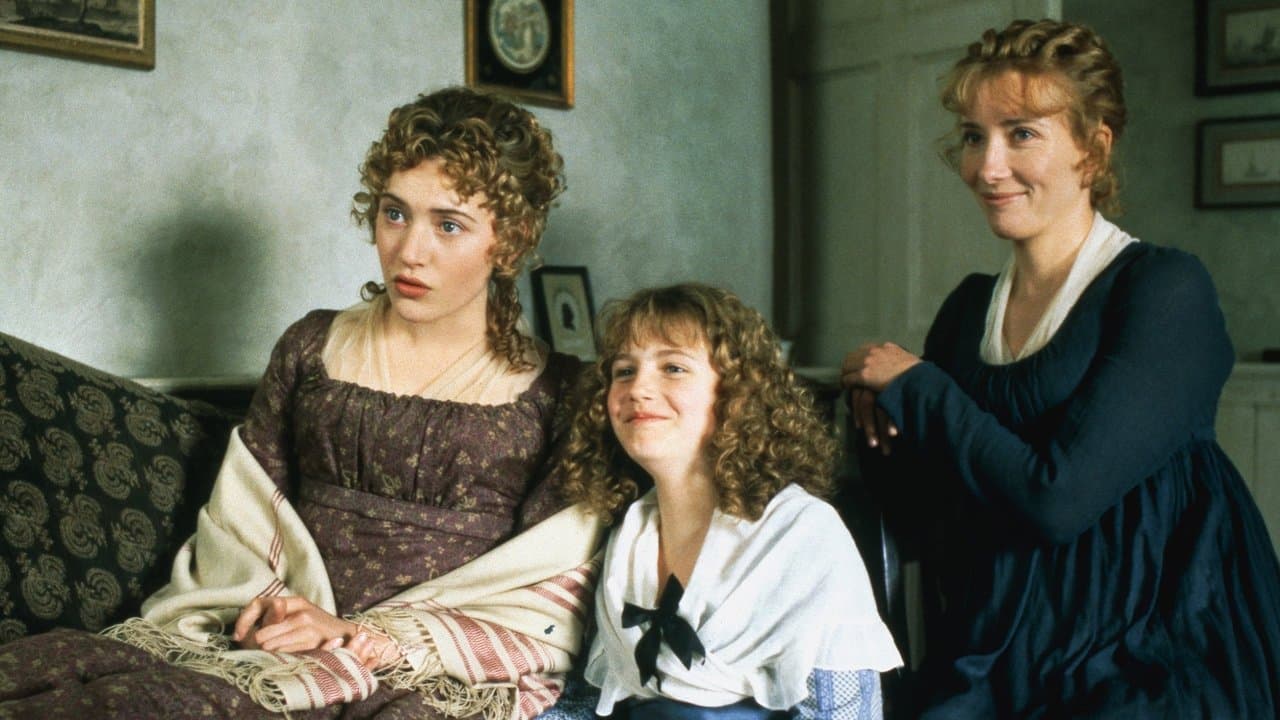
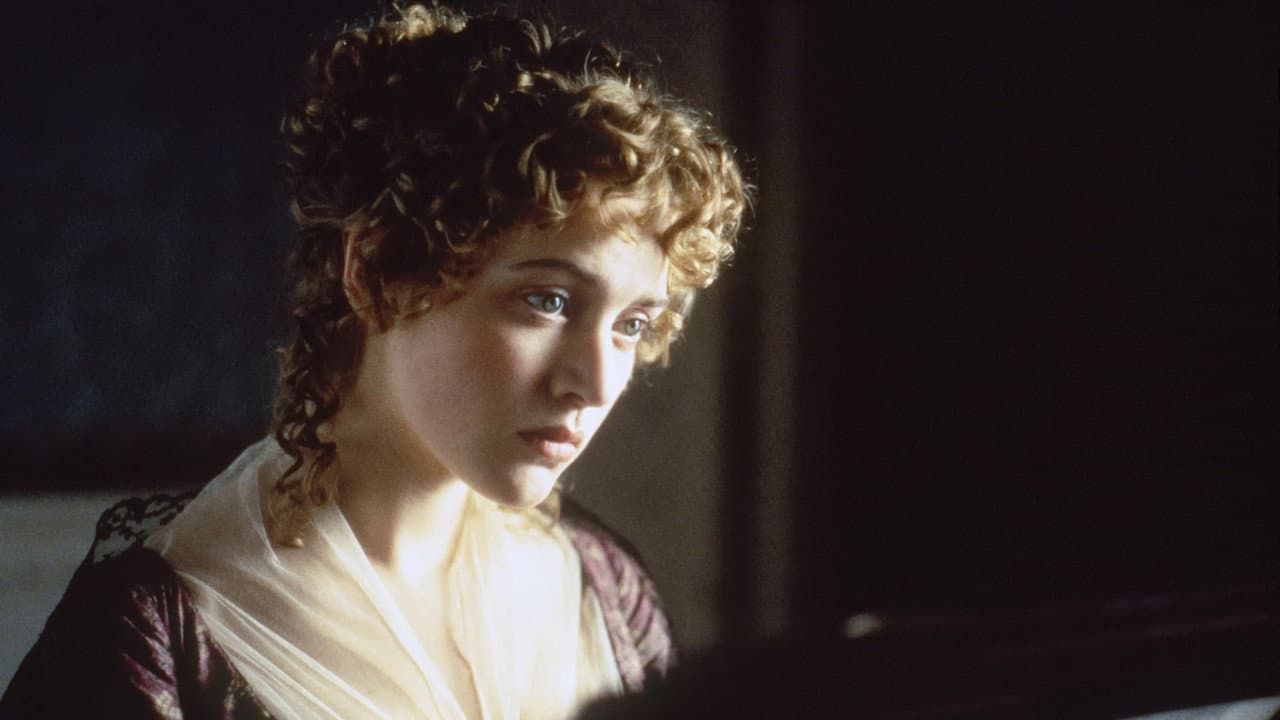
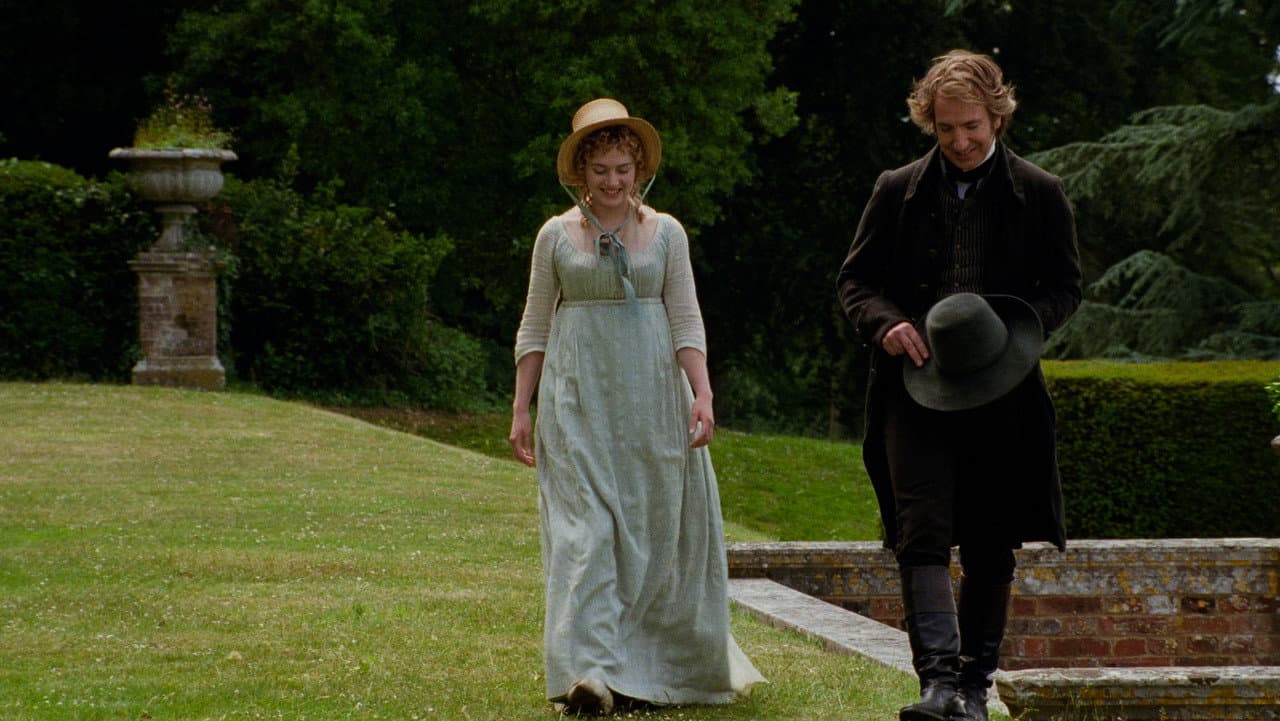
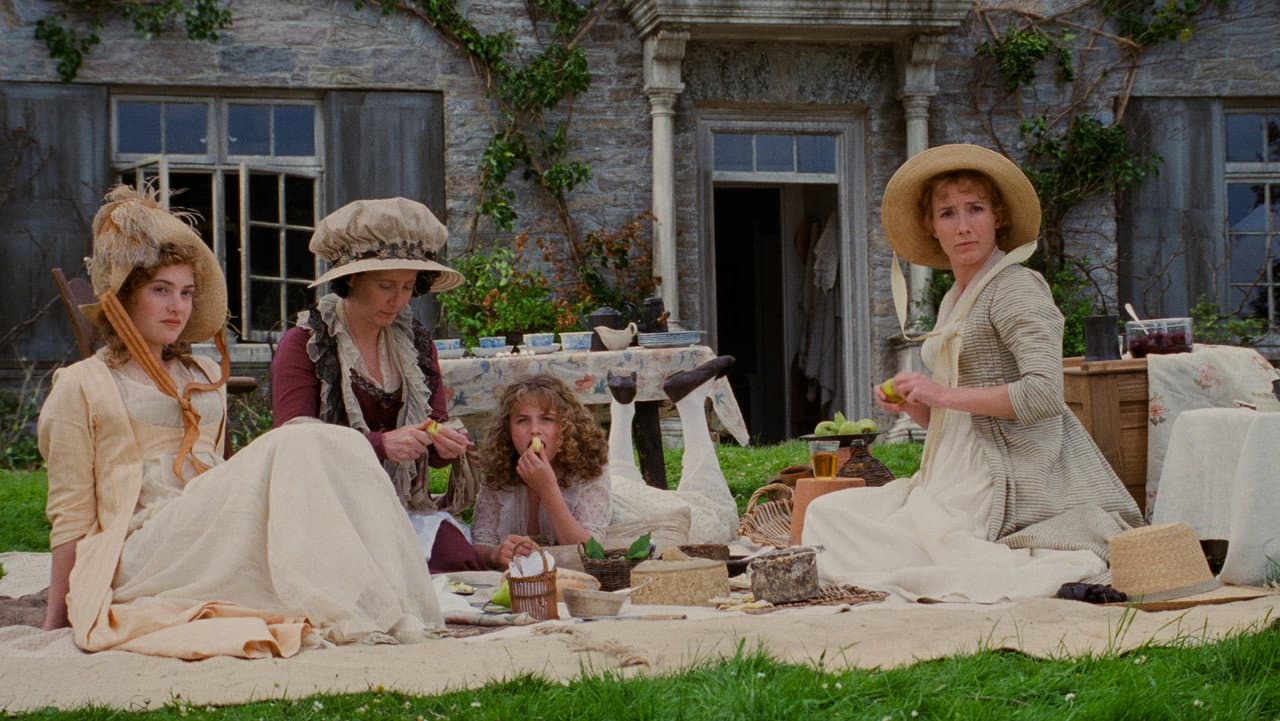
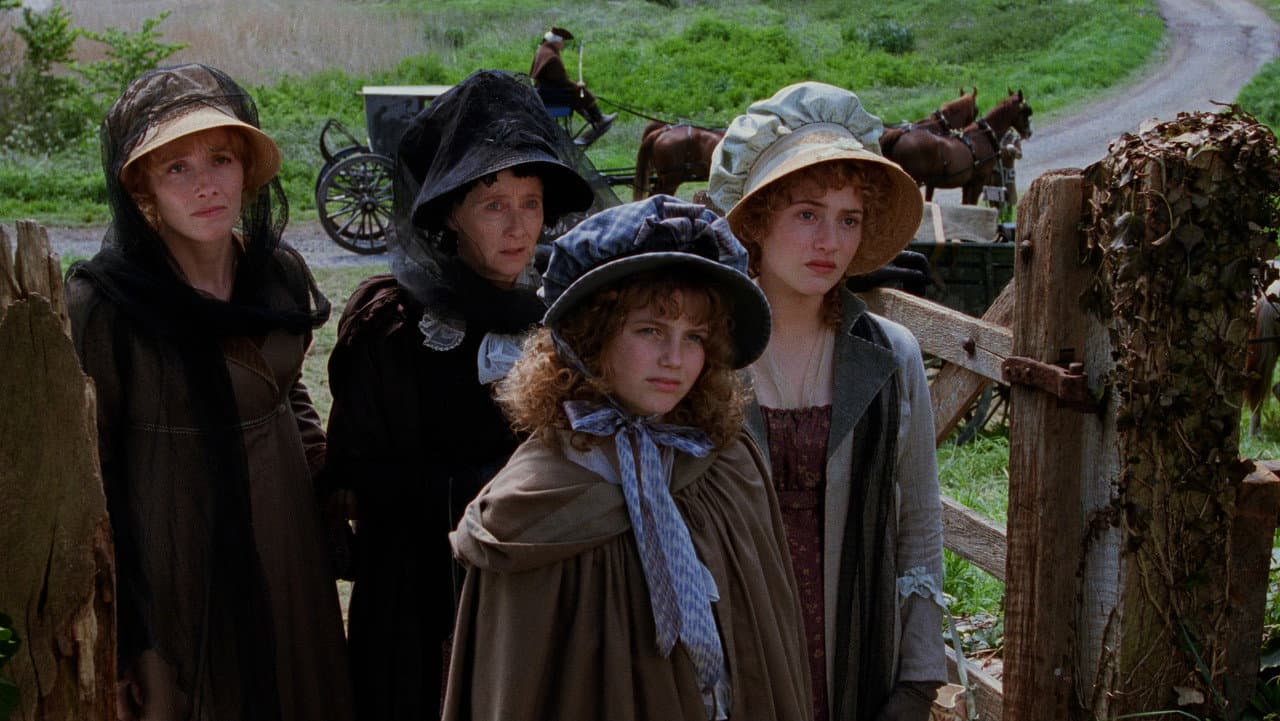
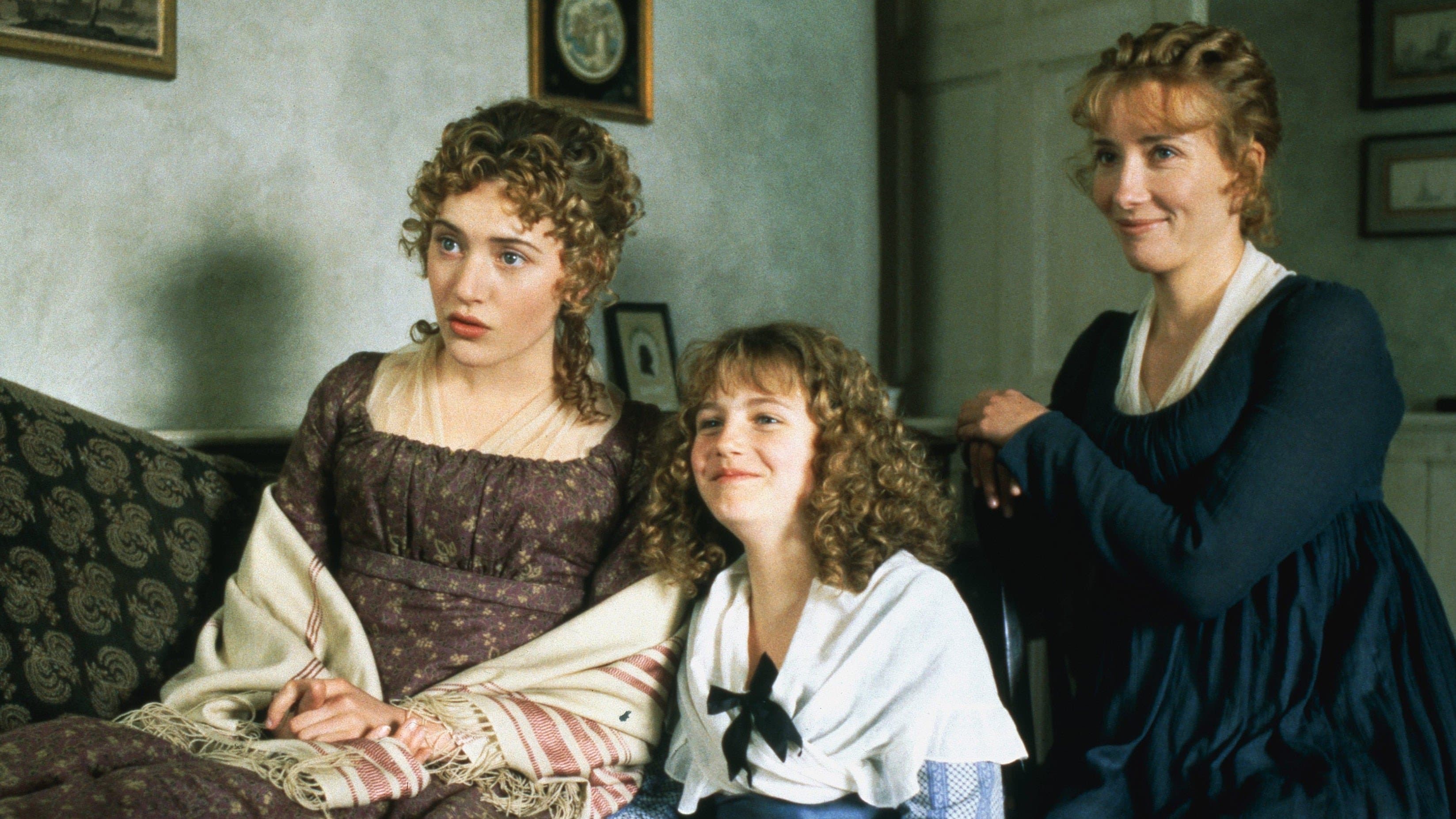
The 1995 Sense and Sensibility remains a formidable benchmark. Directed by Ang Lee, the 136-minute drama-romance follows the Dashwood sisters as they navigate a marriage market obsessed with money and rank. When Henry Dashwood dies unexpectedly, his estate passes by law to his son, leaving his widow and daughters with no home and scarcely enough to live on. Sensible Elinor and passionate Marianne must accordingly learn to blend prudence with feeling in their dealings with both money and men.
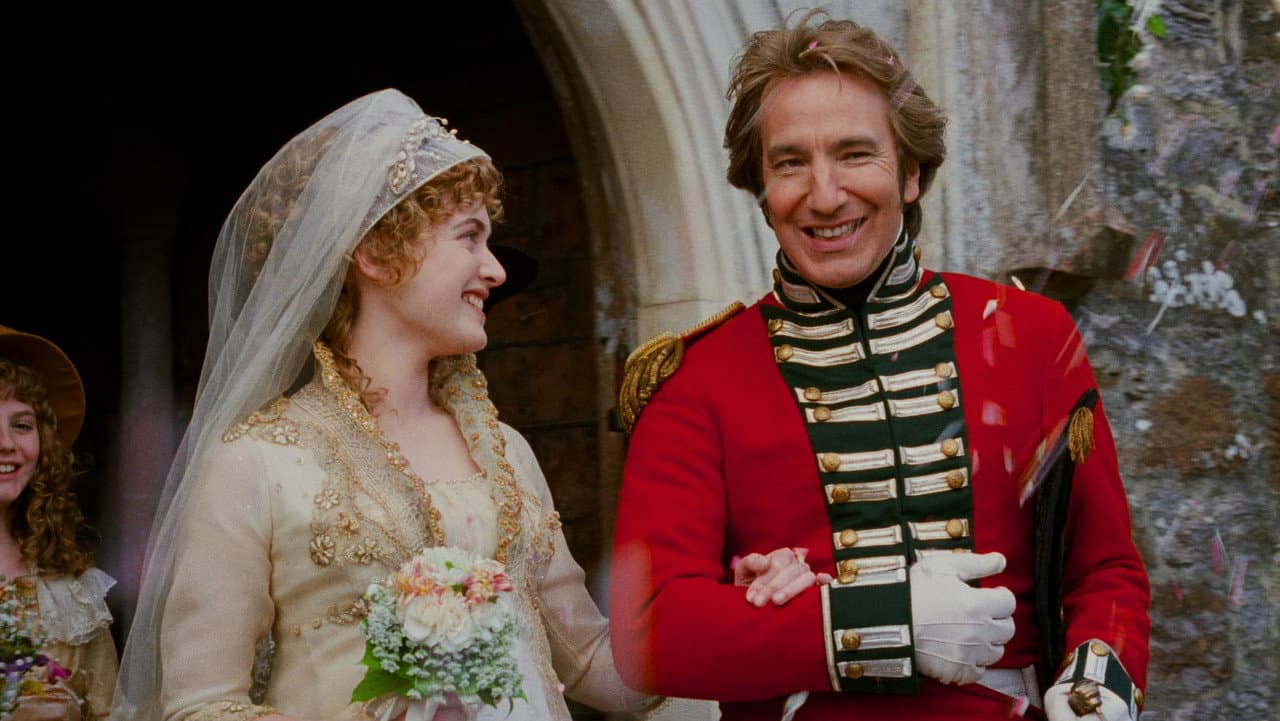
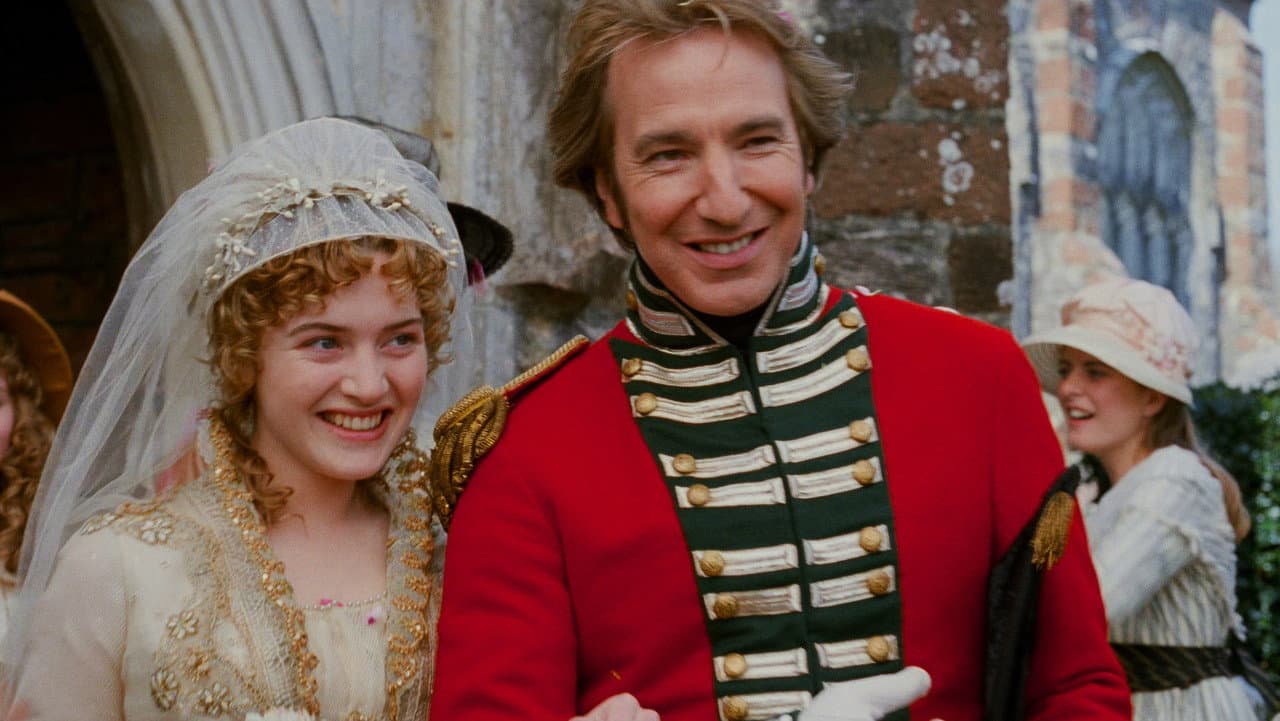
The cast reads today like a roll call of British screen royalty: Thompson as Elinor, Winslet as Marianne, Rickman as Colonel Brandon, Hugh Grant as Edward Ferrars, Gemma Jones as Mrs. Dashwood, Greg Wise as John Willoughby, Elizabeth Spriggs as Mrs. Jennings, and Imogen Stubbs as Lucy Steele. Audiences have kept faith with it for three decades; it holds a 7.4 out of 10 rating on TMDb.
That longevity is precisely what makes MacKay's blank slate unusual. Most actors of his generation grew up on the film, often via a parent's DVD shelf or a rainy Sunday television screening. MacKay instead enters the Austen world through the novel itself and through the script he was given.
He has been careful not to frame his abstention as a judgment on Lee's movie. Quite the reverse: he expects to watch it soon and suspects he will admire it enormously.
"I know it's wonderful," he said. "Everyone tells me it's wonderful. I just wanted my Elinor - well, my version of this world - to exist before I let theirs in."
There is a practical dimension too. The 1995 film runs just over two hours and moves at the measured pace of a Merchant Ivory-era literary drama, a rhythm quite unlike the faster, more fragmented storytelling that dominates contemporary streaming releases. MacKay suggested that watching it halfway through a press tour, between interviews and travel, would do it a disservice.
"You don't half-watch something like that on a laptop in a hotel room," he said. "You give it an evening. I owe it an evening."
Whether audiences will extend the same patience to his interpretation is a separate question, and one that will be answered when his Sense and Sensibility reaches viewers. What is already clear is that the 1995 version has lost none of its gravitational pull - it remains the adaptation against which all others are measured, and the one its newest cast member has yet to see.
For now, MacKay's unwatched copy functions as both a private discipline and a public curiosity. It is not every day that an actor admits to skipping one of the acknowledged high points of his own genre, and rarer still that he does so on purpose, with a plan to press play only once the job is done.
Source: The Hollywood Reporter