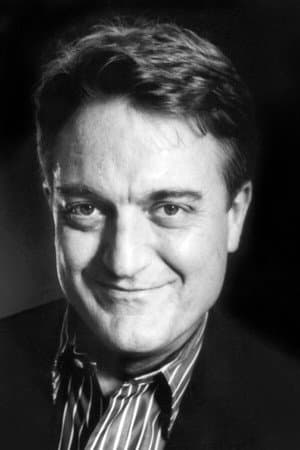
Gerrit Graham, a character actor whose offbeat screen presence enlivened cult favorites across four decades, died Friday. He was 77.
No cause of death or additional details were immediately available.
Graham built a career out of playing eccentrics, blowhards and oddballs - the kind of performer whose face audiences recognized even when his name eluded them. He was rarely the leading man, but he was often the most memorable person in the frame, a quality that made him a favorite of directors who prized comic instability over conventional leading-man polish.
A Defining Role in a Rock Operatic Cult Classic
Graham's most enduring screen credit came in 1974, when he appeared in Brian De Palma's "Phantom of the Paradise." A rock-and-roll reworking of the Phantom of the Opera story, the film cast Graham as Beef, a glammed-up, preening rock star whose over-the-top stage persona became one of the movie's signature comic creations.
The role demanded a performer willing to commit fully to absurdity, and Graham delivered. In a film populated by heightened characters and satirical show-business excess, Beef stood out as a parody of rock stardom at its most theatrical. The performance helped cement the movie's status as a cult touchstone, one that found a far warmer reception in later years than it did on its initial release.
Collaborations With a Young Louis Malle and a Pair of Future Comedy Hits
Two years later, Graham appeared in Louis Malle's "Pretty Baby," a period drama set in early 20th-century New Orleans. The film, one of the French director's rare English-language productions, gave Graham a chance to work in a more restrained register opposite a cast that included Brooke Shields and Keith Carradine. It was a reminder that his talent for eccentricity did not preclude quieter, more naturalistic work.
Graham's comic instincts found a different outlet in 1980's "Used Cars," directed by Robert Zemeckis. The film, a caustic satire of the used-automobile trade, cast Graham among a ensemble of schemers and hustlers. His contributions helped shape the movie's reputation as one of the sharper comedies of its era, a film that has since been reappraised by critics and audiences who missed it during its original run.
A Working Actor Across Television and Film
Beyond those three titles, Graham's résumé reflected the life of a steadily employed character actor rather than a star tethered to a single franchise. He moved between film and television throughout the 1970s, 1980s and beyond, taking guest roles and supporting parts that allowed him to deploy his talent for the strange and the specific.
That versatility was his calling card. Graham could be funny without winking, unsettling without straining, and he brought a distinct energy to material that might otherwise have passed unnoticed. Directors cast him because he could be counted on to make a small part feel large.
A Legacy in Cult Cinema
Graham's death removes another thread from the fabric of 1970s and 1980s cult cinema, an era when risk-taking filmmakers built devoted followings around movies that flopped commercially before finding second lives. His work in "Phantom of the Paradise" in particular has kept his name alive among genre devotees, who continue to celebrate the film at repertory screenings and fan events.
He is survived by his family.
Source: The Hollywood Reporter