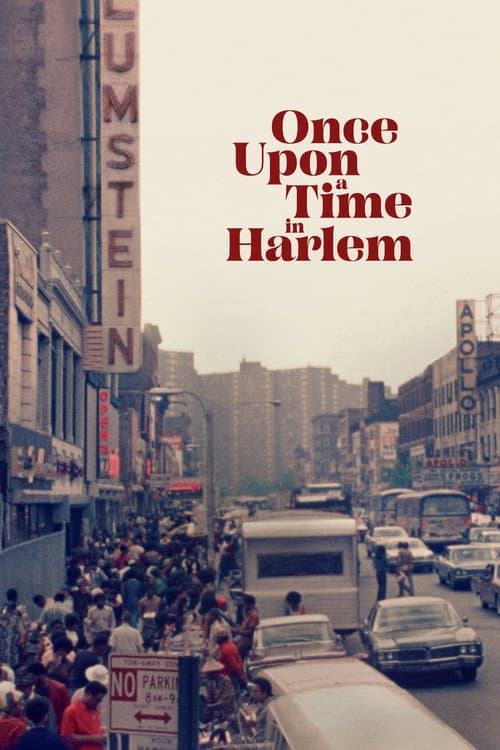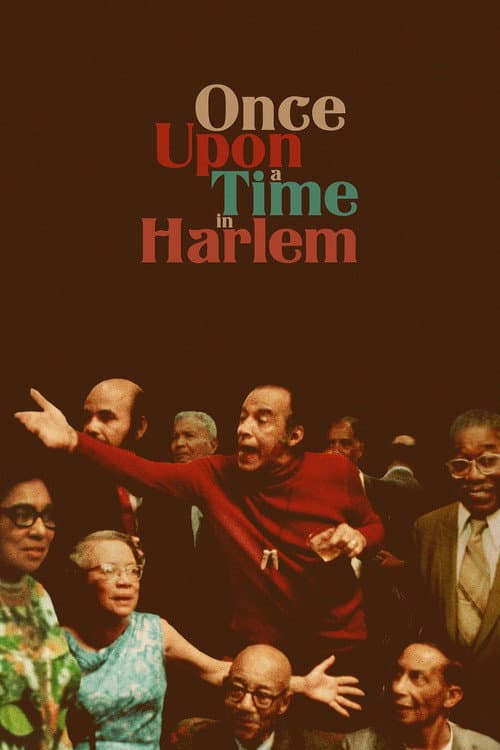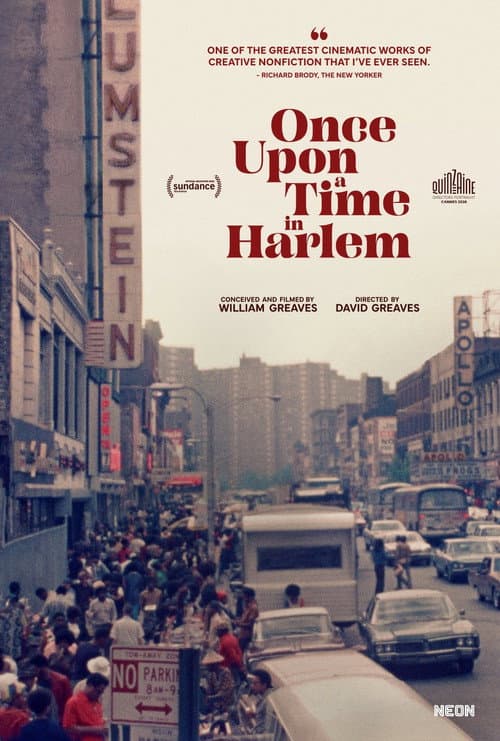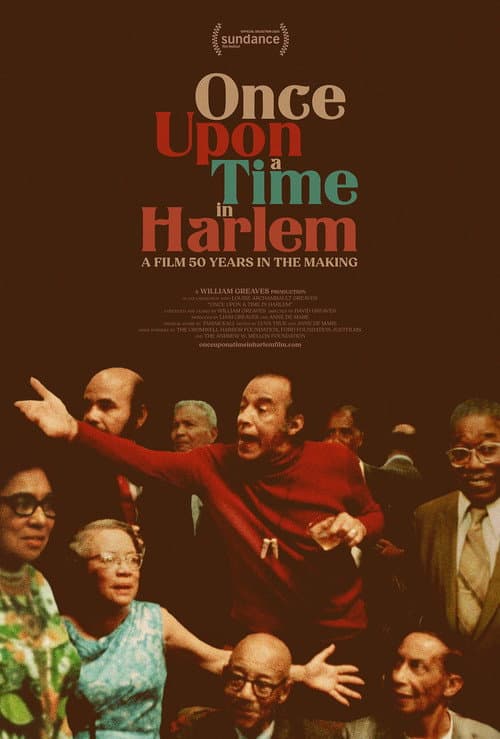
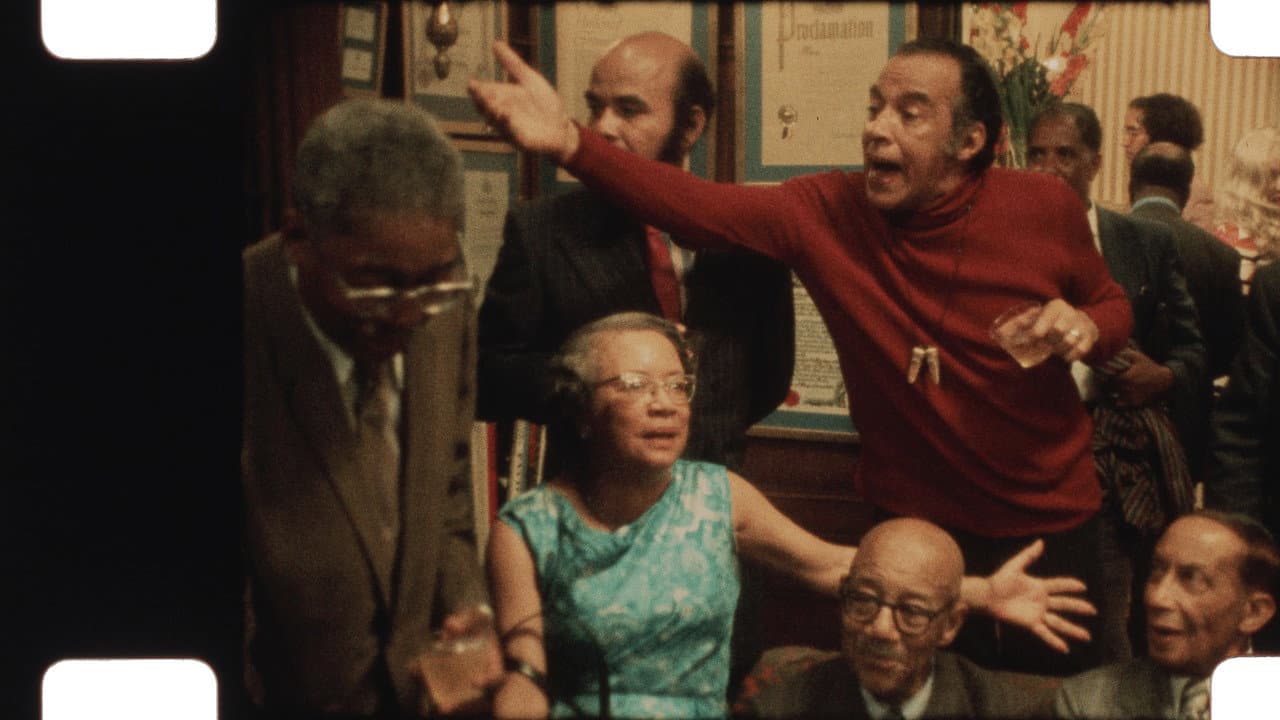
The Library of Congress has awarded its 2026 Lavine/Ken Burns Prize for Film to “Once Upon a Time in Harlem,” a documentary that William Greaves assembled around a single, storied night in 1972 and that arrives in theaters nearly a decade after his death. The prize, announced today, honors nonfiction filmmaking of exceptional historical value, and the selection lands on a project its director regarded as the most significant event he ever committed to celluloid.
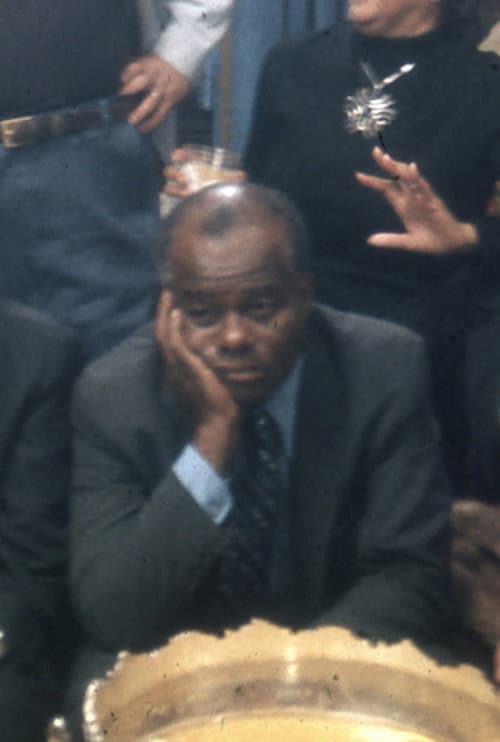
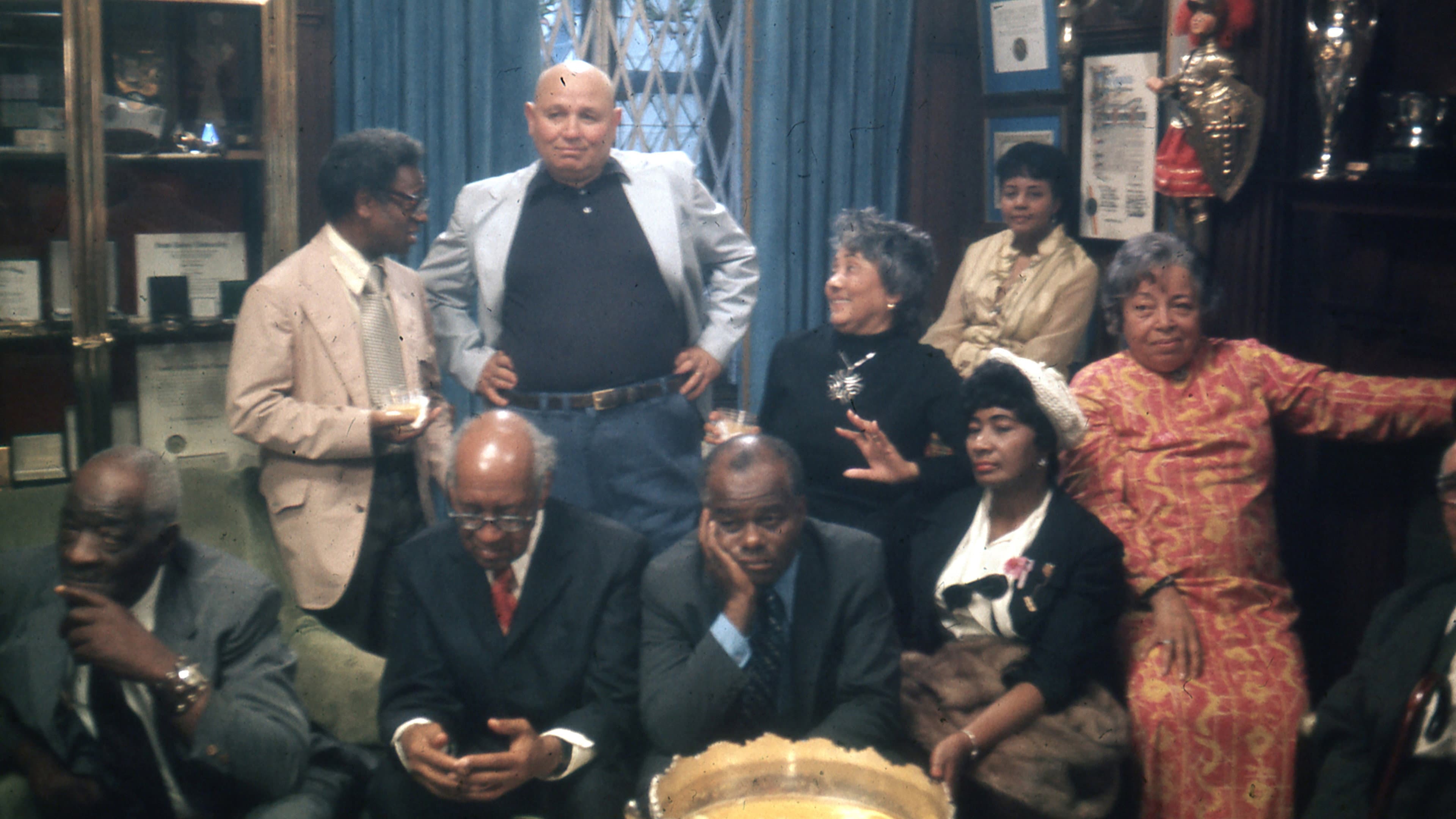
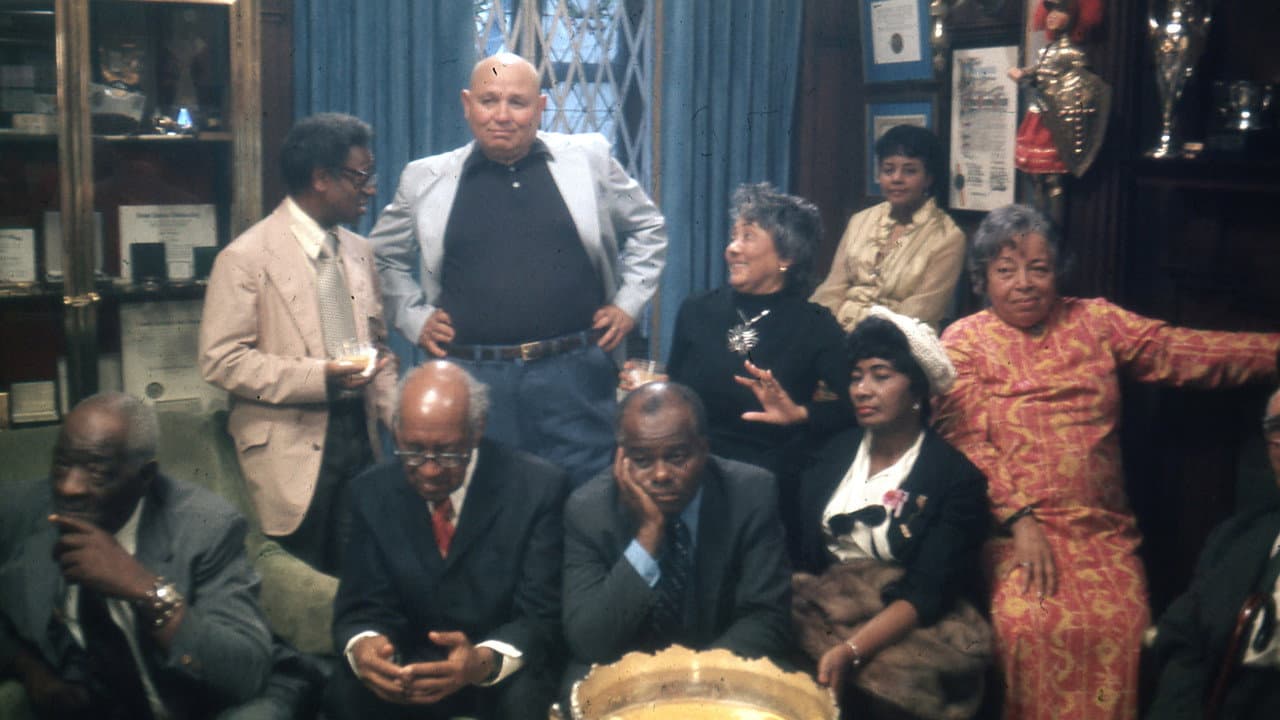
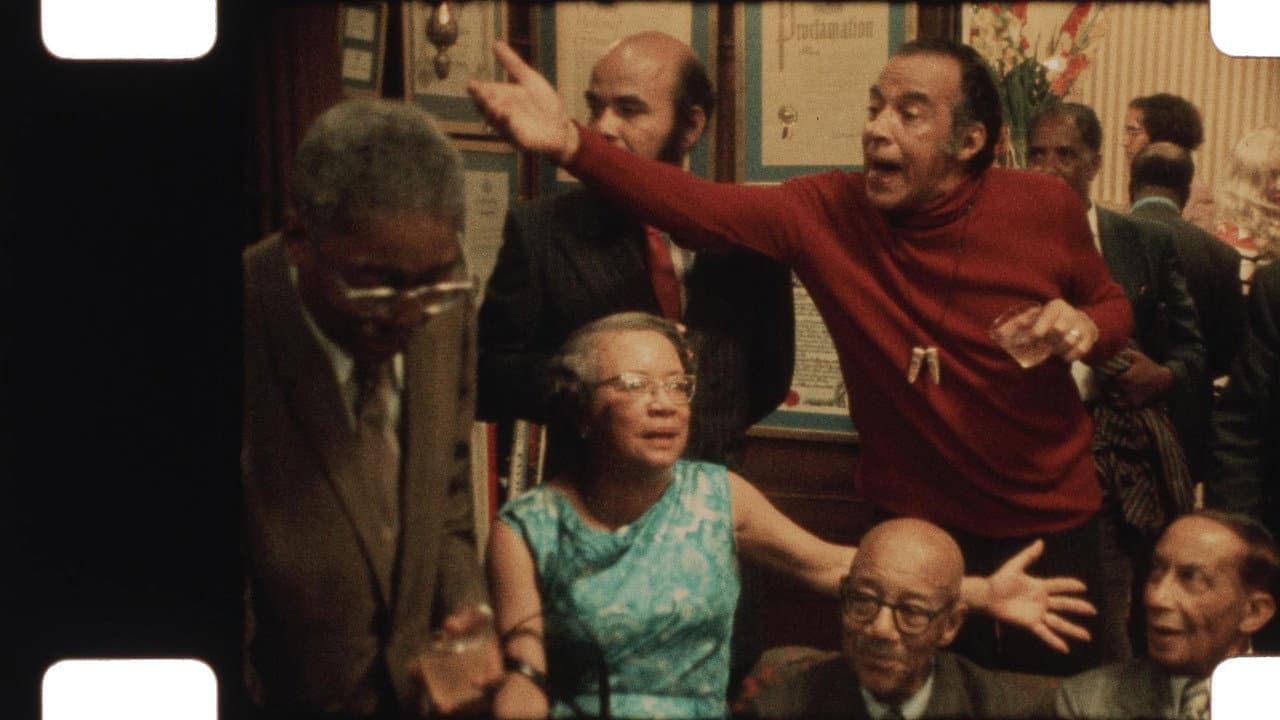
The film, running 100 minutes, will be released on October 16, 2026. It centers on a party Greaves engineered in 1972, gathering the surviving luminaries of the Harlem Renaissance for an evening he understood to be both celebration and living archive. According to the film’s official overview, Greaves - described as a genre-defying filmmaker - left behind what amounts to one last trick up his sleeve: footage of an intergenerational gathering that no one else thought to stage.
The cast list reads as a roll call of the movement’s final witnesses, all of them appearing through archival footage: painter Aaron Douglas, writer and artist Richard Bruce Nugent, painter Ernest Crichlow, composer Eubie Blake, actor Leigh Whipper, writer Arna Bontemps, photographer James Van Der Zee, and Greaves himself. Each is credited as Self. The documentary is in English and produced within the Hollywood industry.
That Greaves would build a feature around a party is less eccentric than it sounds. Across a career that moved between network television, experimental montage and documentary, he treated the camera as a participant rather than a window, and he returned repeatedly to the question of how Black American cultural memory gets recorded, by whom, and at what cost. The 1972 gathering sits squarely in that preoccupation. The Harlem Renaissance had already passed into the realm of textbook summary by the early 1970s; Greaves’ instinct was to put its remaining principals in one room while they could still speak, laugh and contradict one another on the record.
The prize carries weight beyond its cash value. Administered through the Library of Congress with support from historian and filmmaker Ken Burns and his co-director and producer, the award has become one of the most closely watched markers in American documentary, steered toward work that treats the archival record as something to be shaped rather than merely preserved. Past recipients have skewed toward films that reopen settled history. “Once Upon a Time in Harlem” fits that brief almost literally: it is a film about the act of remembering, made by a filmmaker who spent his career interrogating it.
For the Library of Congress, the award also nods to a practical reality. Greaves’ body of work - including his landmark 1968 feature “Symbiopsychotaxiplasm: Take One” and decades of documentary production through his company, William Greaves Productions - has become a touchstone for archivists and scholars working to broaden what counts as American film history. A prize for this particular title signals institutional interest in the raw material of the Harlem Renaissance as it was captured by a Black filmmaker operating outside the studio system, on his own terms and with his own guest list.
The timing is pointed. The film opens in theaters on October 16, 2026, roughly a month after the prize announcement, giving the release a national platform it might otherwise have lacked. Distributors have not disclosed a screen count, and no box-office projections were provided. The film currently carries no audience rating on TMDb, a common situation for a title that has not yet reached wide release.
What the documentary offers, based on its own description, is not a conventional biography of the Harlem Renaissance but a portrait of its aftermath - the moment when a cultural movement’s architects, by then in their later years, are asked to account for what they built. Greaves engineered that moment. He also filmed it. The result, completed posthumously, is being positioned by the Library of Congress as one of the year’s essential works of American nonfiction.
For audiences who know Greaves primarily as an innovator of form, the new film promises something different: a director working in a more directly historical register, using a single social event as the spine for a larger meditation on legacy. The party was his idea. The guest list was his. And now, a decade after his death, the Library of Congress has decided the footage he left behind is worth preserving in the fullest institutional sense - as prize-winning American film.
Source: The Hollywood Reporter