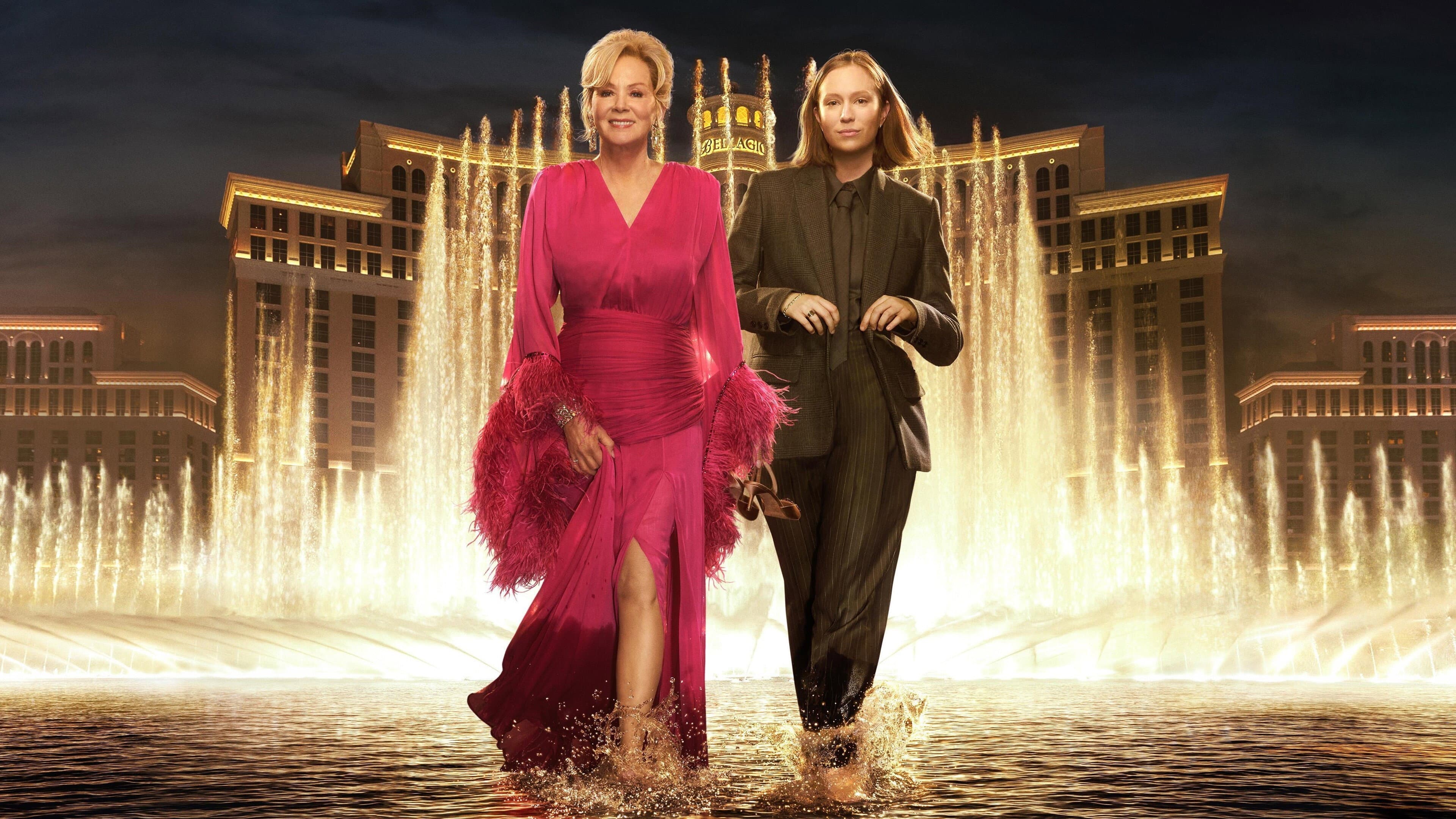
The comedy world has entered the fray surrounding the contentious Paramount-Skydance merger, with Hacks star Hannah Einbinder publicly defending actor and activist Mark Ruffalo after the studio labeled his recent criticism of the deal as “antisemitic.” In a pointed social media post, Einbinder threw her support behind Ruffalo, arguing that public figures have a responsibility to speak out against corporate consolidation, even when facing intense backlash.
“Those of us with a platform need to use our voices,” Einbinder wrote, directly responding to the growing controversy. Her statement comes amid a heated exchange that began when Ruffalo voiced concerns that the proposed merger would concentrate too much media power in the hands of a few billionaires, a stance that Paramount swiftly condemned. The studio’s characterization of Ruffalo’s remarks as antisemitic has drawn sharp rebukes from free-speech advocates and industry insiders alike, who argue that conflating criticism of a corporate deal with bigotry dilutes the meaning of the term.
The Merger Dispute Heats Up
At the heart of the conflict is the proposed $8 billion merger between Paramount Global and Skydance Media, a deal that has faced scrutiny from regulators, creators, and actors since its announcement. Ruffalo, known for his outspoken political activism, took to social media earlier this week to question the deal’s implications for independent filmmaking and labor conditions. He suggested that the merger would further entrench a media landscape dominated by a select group of ultra-wealthy individuals, a statement that Paramount executives interpreted as a veiled attack on the company’s Jewish leadership.
Paramount’s official response was swift and unequivocal, accusing Ruffalo of using “tropes that have historically been used to target Jewish people.” The company’s statement cited his references to “billionaire consolidation” as problematic, arguing that such language unfairly singles out the deal’s primary architects, including Skydance founder David Ellison and Paramount’s controlling shareholder, Shari Redstone, both of whom come from Jewish families.
Einbinder, whose own show Hacks airs on Warner Bros. Discovery’s Max, pushed back against that framing in her post. She emphasized that opposition to a business transaction is not inherently discriminatory, and that shielding corporate actions behind accusations of bigotry only serves to silence legitimate dissent. Her remarks were echoed by a number of other performers and writers who have publicly supported Ruffalo, though few have matched her level of direct confrontation with a major studio.
Ruffalo Stands Firm
The Poor Things actor has not backed down from his original position. In a follow-up post, he clarified that his concern was not about the religion or ethnicity of the deal’s backers, but about the structural harm of media monopolies. He reiterated that his criticism was aimed at the consolidation of power, not at any individual’s background, and expressed disappointment that Paramount chose to interpret his words in a way he called “willfully misleading.”
Ruffalo’s allies have pointed to his long history of activism on issues ranging from climate change to labor rights as evidence that his critique was in line with his established values. They argue that his track record shows no pattern of antisemitism, and that the studio’s accusation was a calculated move to discredit him rather than engage with the substance of his argument.
The dispute has also reignited a broader conversation within Hollywood about how studios handle public opposition to major business moves. Several entertainment attorneys and industry analysts have noted that Paramount’s aggressive response marks a departure from the typical approach of ignoring or lightly rebuking celebrity critics. By directly invoking antisemitism, the studio has raised the stakes, potentially opening itself up to accusations of weaponizing hate speech allegations for corporate gain.
Einbinder’s Rise as a Voice
Einbinder’s intervention is notable given her relatively recent ascent to fame. As the breakout star of Hacks, she has won critical acclaim and an Emmy for her portrayal of Ava Daniels, a young writer navigating the brutal world of late-night comedy. Off-screen, she has been increasingly vocal about political issues, often using her stand-up comedy and social media to critique corporate greed and systemic inequality.
Her defense of Ruffalo aligns with her public persona, which embraces progressive causes without apology. In her post, she didn’t just defend Ruffalo; she also took aim at the broader culture of silence in the entertainment industry, suggesting that too many celebrities avoid controversy for fear of jeopardizing their careers. “If we stay quiet when we see something wrong, we’re complicit in the very systems we claim to oppose,” she wrote.
Whether Einbinder’s remarks will have any tangible effect on the merger’s fate remains unclear. Paramount and Skydance have maintained that the deal is in the best interest of shareholders and employees, and regulatory reviews are still ongoing. But the public spat has already become a flashpoint in the ongoing debate over media ownership, with both sides digging in as the industry watches closely.
Neither Paramount nor Einbinder’s representatives have issued additional statements beyond the initial exchanges. As of this writing, Ruffalo has not directly responded to Einbinder’s defense, though his social media activity suggests he is monitoring the conversation closely. For now, the spotlight remains on the question of whether a studio’s business interests can be challenged without invoking historical grievances - and whether Hollywood’s stars are willing to risk their platforms to find out.
Source: Variety