Trans & Nonbinary Filmmakers Build New Industry Outside
Advertisement
Vera Drew, Louise Weard and others explain how trans/nonbinary creators are ditching studios to control their narratives, forging a new indie industry.
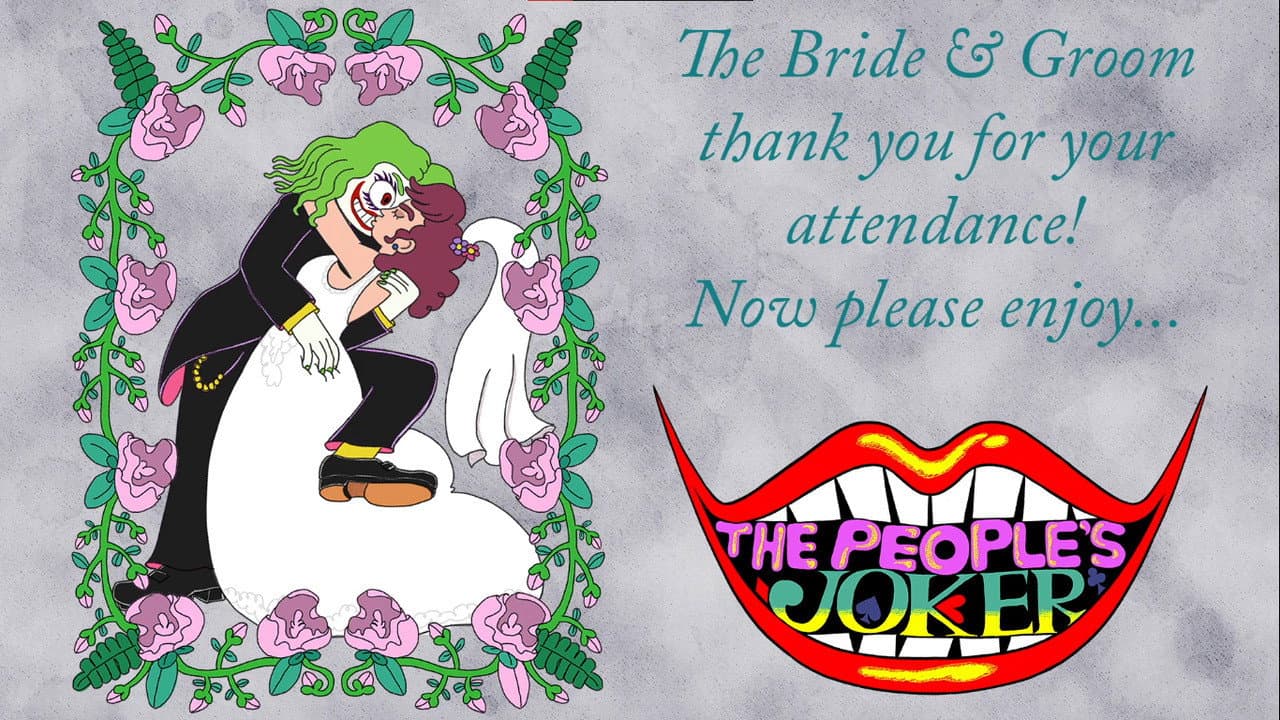
The independent film landscape is undergoing a quiet but profound shift, driven by a wave of trans and nonbinary filmmakers who are bypassing traditional studio gates entirely. Directors like Vera Drew and Louise Weard are at the forefront of this movement, choosing self-funding, grassroots distribution, and community-backed production models to ensure their narratives are told on their own terms. Rather than waiting for permission from an industry that has historically marginalized them, these artists are building parallel structures - and in the process, they are redefining what a sustainable, authentic career in cinema can look like.
For years, the standard path to getting a film made involved pitching to executives, securing major financing, and navigating development hell. That route often came with compromises, particularly for stories centered on trans and nonbinary experiences, which were frequently filtered through cisgender perspectives or reduced to trauma-focused plotlines. Drew, who gained attention for her audacious, genre-blending work, has been vocal about the freedom that comes from working outside that system. By retaining full creative control, she and her peers can explore humor, absurdity, and joy alongside hardship - elements that are often stripped away when stories are packaged for broad appeal.
Louise Weard, another key voice in this emerging cohort, echoes that sentiment. Her recent projects have been developed through tight-knit collaborations with fellow queer artists, using short-term rentals, donated equipment, and volunteer crews to keep budgets lean and ownership absolute. The result is a body of work that feels immediate and unvarnished, unburdened by notes from marketing departments or test audiences. Weard has described the process as both exhausting and exhilarating, noting that the lack of institutional support is offset by the deep investment of the communities she works with.
What makes this moment distinct is not just the individual success stories but the collective infrastructure being built. Filmmakers are organizing their own screening circuits, partnering with queer-friendly venues and festivals that prioritize artistic merit over star power. They are also turning to social media and niche streaming platforms to reach audiences directly, bypassing the traditional gatekeepers of distribution. This DIY ethos has fostered a sense of mutual aid rather than competition, with directors frequently sharing resources, casting contacts, and funding leads. As one participant in the movement put it, they are not just making films - they are creating a new industry from the ground up.
The financial model remains precarious, to be sure. Without studio backing, there is no safety net for cost overruns or marketing blitzes. Yet many of these filmmakers argue that the trade-off is worth it. A smaller but fiercely engaged audience, they say, is more valuable than a larger one that shows up out of obligation. The work also carries a political weight, particularly in a climate where trans rights are under legislative attack in various parts of the country. By presenting multifaceted, unapologetic portrayals of their lives, these directors are offering a counternarrative to the dehumanizing rhetoric that dominates so much public discourse.
The broader film industry has taken notice, albeit slowly. Some independent distributors have begun courting these filmmakers, recognizing the cultural cachet and dedicated fan bases that come with their projects. However, there is also a wariness among the creators themselves about being co-opted. Several have expressed a desire to maintain their independence even as opportunities arise, wary of repeating the patterns of past movements where queer art was commodified for mainstream consumption. The goal, they insist, is not to enter the existing system but to render it obsolete for their purposes.
For emerging trans and nonbinary storytellers, the message is clear: you do not need a greenlight from a studio executive to share your vision. The tools are more accessible than ever, and the community is ready to show up. Drew, Weard, and their contemporaries are proving that a film's value is not determined by its budget or its distributor, but by the authenticity of its voice and the strength of its connection to its audience. As this parallel industry continues to grow, it is forcing a larger conversation about who gets to tell stories, how they are funded, and what cinematic success really means.
Source: Variety
Advertisement
Advertisement