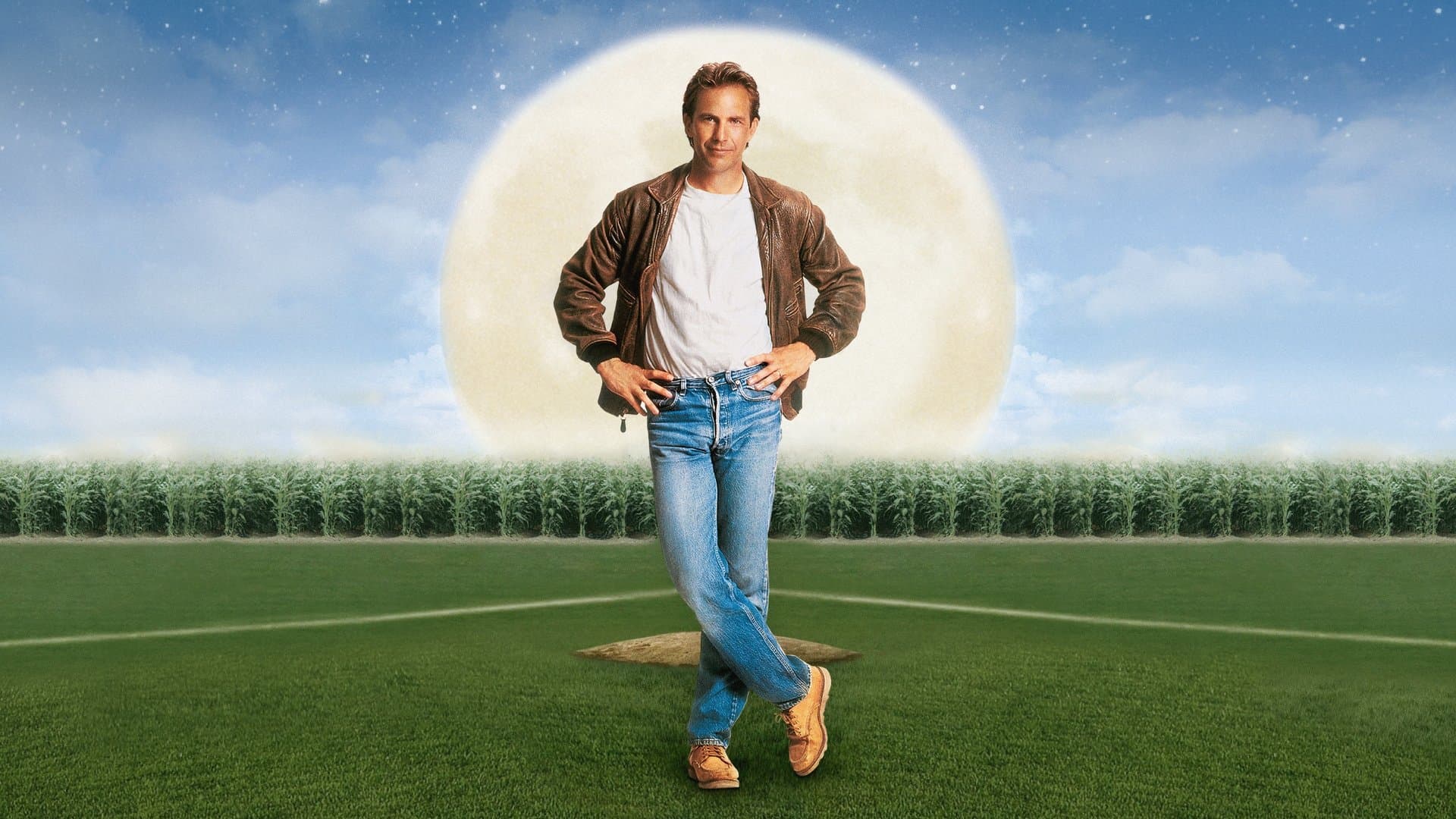
Ian Crafford, Film Editor of 'Hope and Glory' & 'Field of
Advertisement
Oscar-nominated editor Ian Crafford, known for 'Hope and Glory' and 'Field of Dreams,' passed away at 82. Remembering his legacy in film.
Ian Crafford, the British film editor whose seamless cutting helped shape some of the most beloved movies of the 1980s and ’90s, has died at the age of 82. His passing marks the loss of a quiet artisan whose work on “Hope and Glory” and “Field of Dreams” earned him lasting respect among peers and cinephiles alike.
Crafford’s career spanned more than four decades, with a particular golden stretch during the late 1980s when he collaborated with director John Boorman on the semi-autobiographical “Hope and Glory.” That film, a tender and chaotic portrait of a boy growing up in London during the Blitz, required a delicate balance between nostalgic warmth and the jagged randomness of wartime life. Crafford’s editing drew praise for how it let scenes breathe - lingering on small domestic details one moment, then cutting sharply to an air-raid siren the next - without ever losing the story’s emotional through-line. The result was a film that felt both sprawling and intimate, and it remains a touchstone in British cinema.
Just a year later, Crafford crossed the Atlantic to work on “Field of Dreams,” the supernatural baseball drama starring Kevin Costner. Directed by Phil Alden Robinson, the film became an unlikely cultural phenomenon, and its success owed much to the editor’s ability to pace its quiet, almost mystical mood. Crafford understood that the movie’s power came from silence as much as dialogue, and his cuts often allowed a glance or a pause to carry meaning that words could not. The film’s famous final scene - a simple game of catch between a father and son - works precisely because Crafford gave it the time to land without overplaying the sentiment.
Born in England, Crafford began his career in the 1960s as an assistant editor, learning the trade during an era when physical film stock and razor blades were the tools of the craft. He moved through the ranks steadily, working on documentaries and television before breaking into feature films. His early credits included a range of British productions, where he developed a reputation for calm efficiency on set - an editor who could solve narrative problems in the cutting room without ego or drama.
His work was never flashy, and that was the point. In an industry that often rewards kinetic, attention-grabbing edits, Crafford’s style was rooted in classical storytelling. He favored invisible editing, where the audience feels the story’s rhythm rather than noticing the cuts themselves. This approach made him a trusted collaborator for directors who wanted to preserve the emotional integrity of a performance, and it explains why his filmography, while not enormous, is marked by high-quality work rather than volume.
Beyond “Hope and Glory” and “Field of Dreams,” Crafford’s later credits included projects that showcased his versatility - period dramas, comedies, and even a few thrillers. He worked with a variety of directors, yet his signature remained constant: a respect for the audience’s intelligence and a belief that less is often more. In interviews, he rarely sought the spotlight, preferring to discuss the films themselves rather than his own methods. Colleagues remember him as a generous mentor who took young assistants under his wing, teaching them not just the mechanics of editing but the patience required to find a scene’s true shape.
News of his death has prompted tributes from editors and filmmakers who cite his work as an influence. Many point to the opening sequence of “Hope and Glory,” where Crafford’s montage of suburban life before the war establishes a world of innocence that the bombs will soon shatter - a sequence that is studied in film schools as a masterclass in economical exposition. Others recall the long, contemplative shots in “Field of Dreams,” where he resisted the urge to cut away, trusting the actors and the Iowa cornfields to hold the screen.
Crafford is survived by his family, though details of his passing were not immediately released. The film community has already begun to honor his legacy, noting that his work will endure as long as people watch these films. In an age of rapid-fire digital editing and ever-shortening attention spans, his steady, humane approach serves as a reminder that the best editing is often the kind no one notices.
For those who grew up watching “Field of Dreams” on VHS or caught “Hope and Glory” in a revival house, Crafford’s hand in these films is reason to revisit them with fresh eyes. His cuts did not draw attention to themselves, but they shaped how generations experienced these stories. He was, in the truest sense, a filmmaker’s editor - one who made others look good while quietly building a career that spoke for itself. His death closes a chapter in a particular kind of British craftsmanship, but the films remain, as timeless as the fields they celebrate.
Source: The Hollywood Reporter
Advertisement
Advertisement