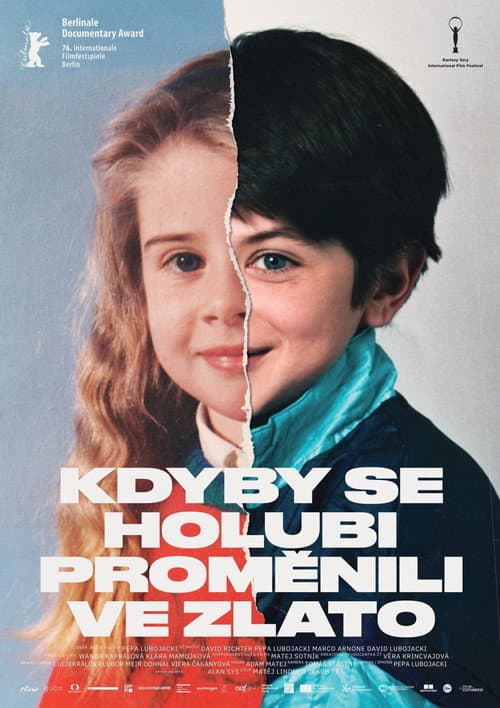

The Czech Republic has officially selected the documentary If Pigeons Turned to Gold as its candidate for Best International Feature at the upcoming Academy Awards. Directed by first-time filmmaker Pepa Lubojacki, the 110-minute film is set for a February 13, 2026 release and centers on the director’s own family, exploring the pervasive shadow of alcohol addiction through a blend of personal text, long-term footage, and AI-animated still photographs.
Lubojacki, who also appears in the film alongside her brother David Lubojacki, David Richter, and Marco Arnone, constructs the documentary as an intimate dialogue between siblings. Rather than a conventional narrative, the film uses a fractured, layered approach - combining written messages, observational scenes shot over an extended period, and digitally transformed images - to capture the daily reality of living with addiction. The director’s stated goal is to forge a sisterly-brotherly path through the subject, one that is unflinching in its honesty yet ultimately rooted in affection rather than judgment.
News of the submission arrives as the Czech Film Academy finalizes its shortlist for the 99th Academy Awards, with If Pigeons Turned to Gold emerging as the top pick among domestic contenders. The film’s selection marks a notable shift for the country, which has traditionally favored narrative features in this category, though recent years have seen a growing appetite for documentary voices on the global stage. The decision follows a strong festival run that has yet to be widely publicized, but the film’s current TMDb rating of 9.333 out of 10, based on early audience scores, suggests significant critical traction among those who have seen it.
A Personal Lens on a Public Problem
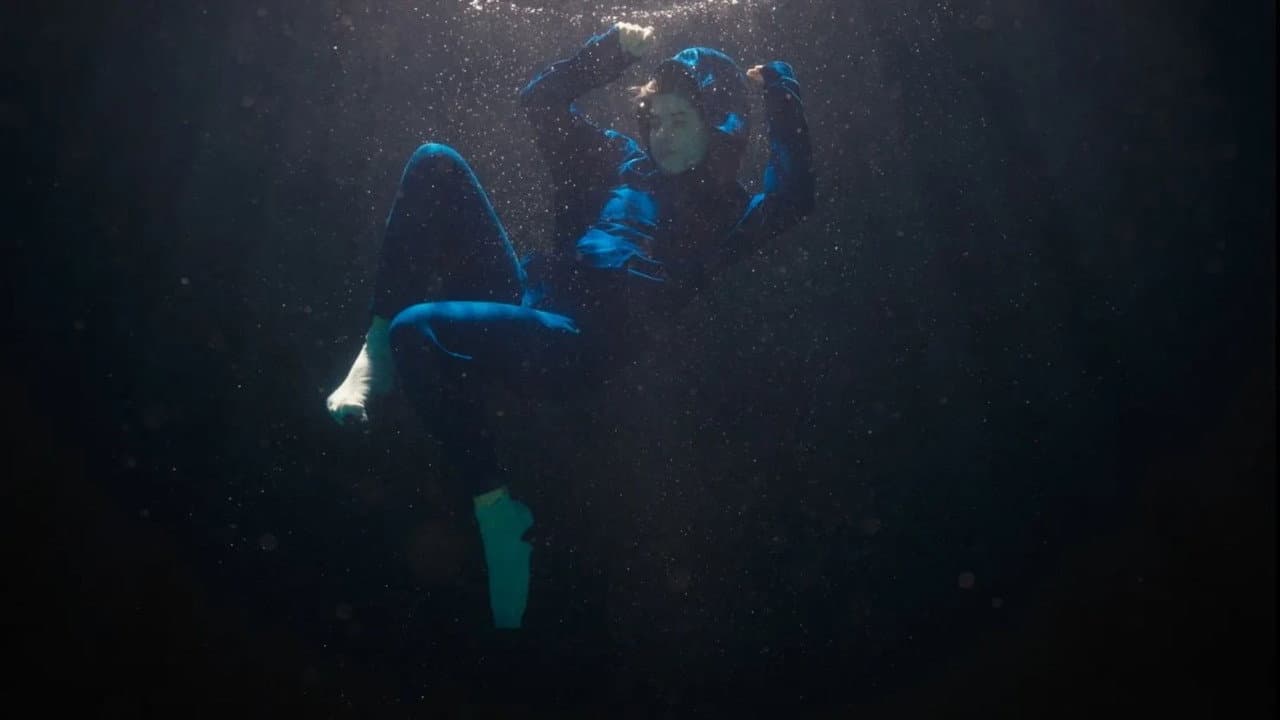
The documentary’s core strength, according to early reviews, lies in its refusal to sensationalize. Lubojacki does not position herself as an outside observer but as a participant, one who shares the frame with her brother as they navigate a family history marked by alcoholism. The use of AI-animated photos is particularly striking: static images from family archives are subtly brought to life, a visual metaphor for how memory and trauma persist and shift over time. That technique, paired with raw text exchanges between siblings, creates a collage that feels both fragmented and cohesive - much like the experience of loving someone with an addiction.
In a press statement accompanying the announcement, Czech Film Academy representatives praised the film for its “courageous intimacy” and its ability to find universal resonance within a deeply private story. They noted that the selection committee was unanimous in its choice, citing Lubojacki’s “distinctive authorial voice” and the film’s technical ambition as key factors. The committee also highlighted the documentary’s relevance to contemporary Czech society, where alcohol consumption remains a significant public health concern, yet is often normalized within family structures.
Oscar Prospects and Historical Context
For the Czech Republic, the International Feature category has been a source of national pride and occasional heartbreak. The country, and previously Czechoslovakia, has won three Oscars in this category, most recently with the 1996 film Kolya, directed by Jan Svěrák. Other submissions, such as Closely Watched Trains in 1967 and The Shop on Main Street in 1965, have also taken home the trophy. However, the last two decades have seen a string of nominations but no wins, with Želary (2003) and The Teacher (2016) falling short at the ceremony.
Submitting a documentary is a calculated risk. The Academy’s International Feature branch has historically favored narrative dramas, though the category’s rules do allow for any film genre. In recent years, documentaries have occasionally broken through - most notably Honeyland from North Macedonia, which received simultaneous nominations for both International Feature and Documentary Feature in 2020. Whether If Pigeons Turned to Gold can replicate that feat remains an open question, but its selection signals a willingness among Czech selectors to champion unconventional work. The film’s hybrid approach - blending memoir, technology, and social observation - could appeal to voters seeking something beyond the traditional prestige drama.
A Director’s Double Debut
For Lubojacki, the Oscar submission marks a remarkable entry into feature filmmaking. Little is known about her prior work, as she appears to have emerged primarily from the art and new media sphere rather than traditional cinema. That background is evident in the film’s formal experimentation, which has drawn comparisons to the essayistic works of filmmakers like Sarah Polley or the late Agnès Varda, particularly in its willingness to place the director’s own body and voice at the center of the inquiry.
The film’s release date, February 13, 2026, positions it for a theatrical run in the Czech Republic before the Academy’s eligibility window closes. If nominated, it would follow a path similar to other small-country submissions that have benefited from word-of-mouth and critics’ groups. The Academy will announce the shortlist for the category in December 2026, with final nominations coming in January 2027. For now, Lubojacki’s deeply personal project carries the hopes of a nation - and the weight of a family story told without flinching.
Source: The Hollywood Reporter