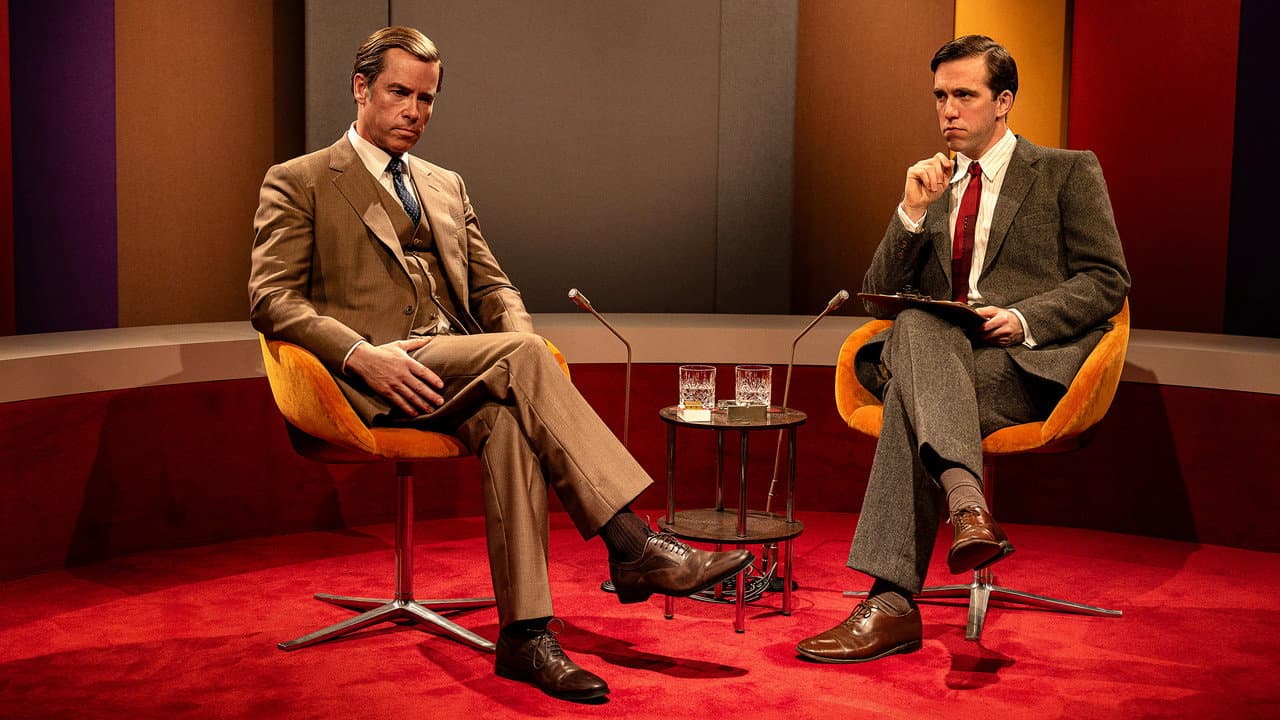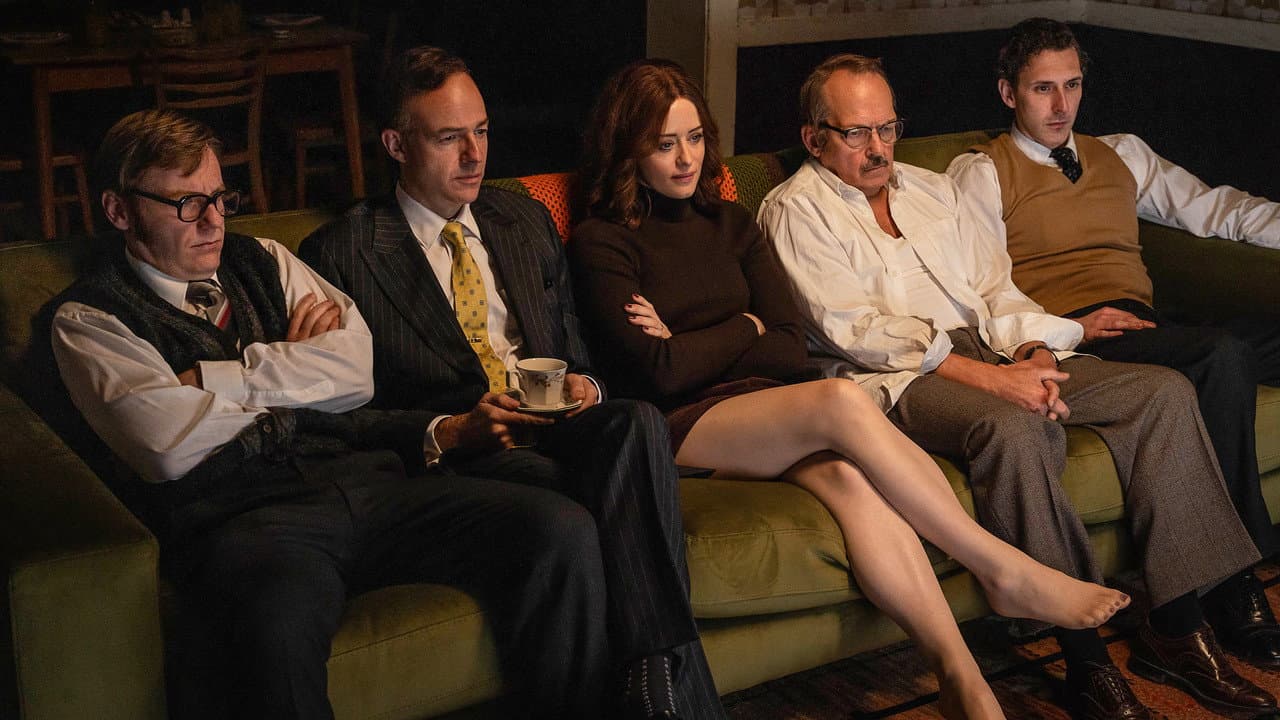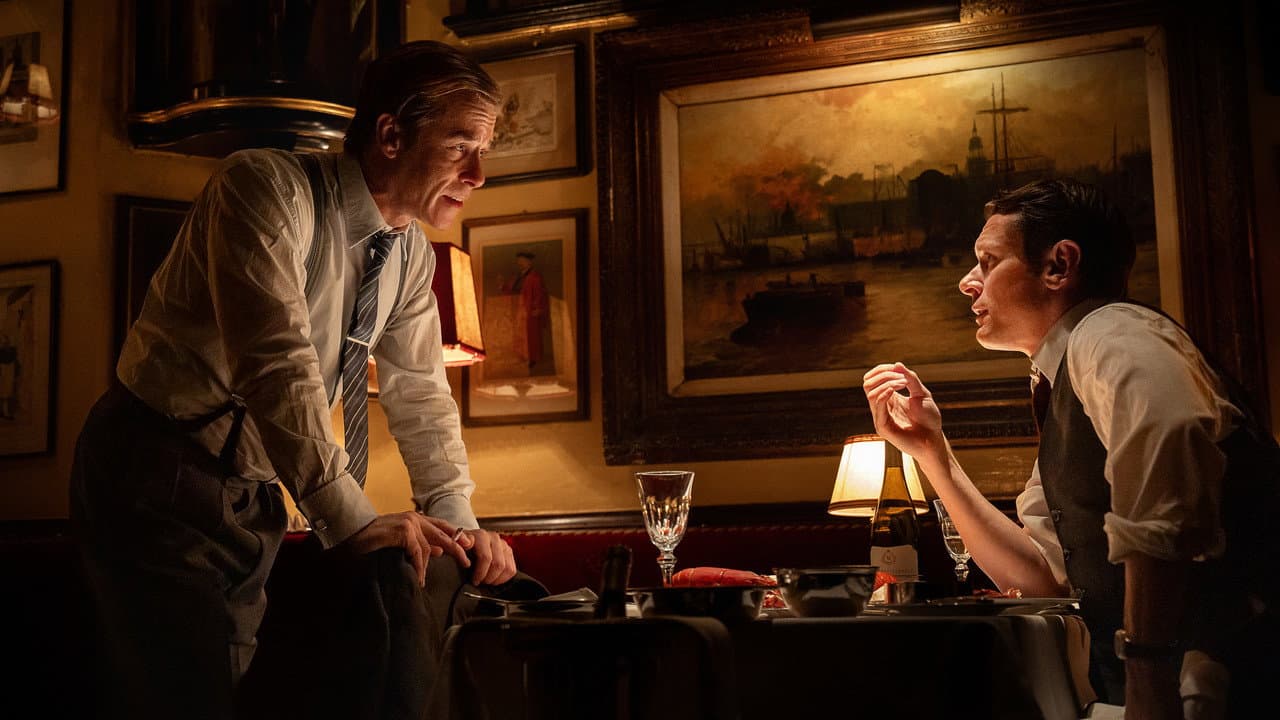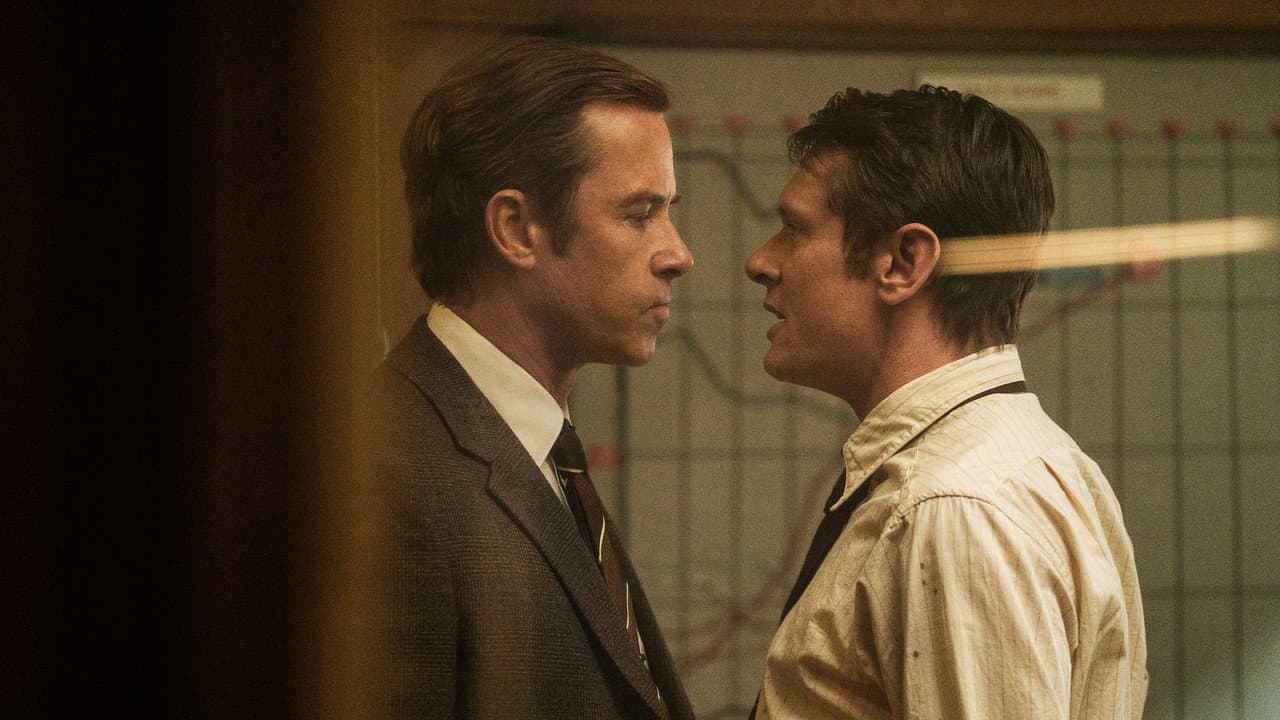
Jack O’Connell is trading his usual gritty intensity for a full-on tabloid war. The British actor will headline Netflix’s upcoming drama Ink, a high-octane retelling of the birth of a newspaper revolution, with Danny Boyle at the helm. The film is set to hit the streaming platform on December 11, 2026, and promises a juicy collision of ambition, scandal, and media power.
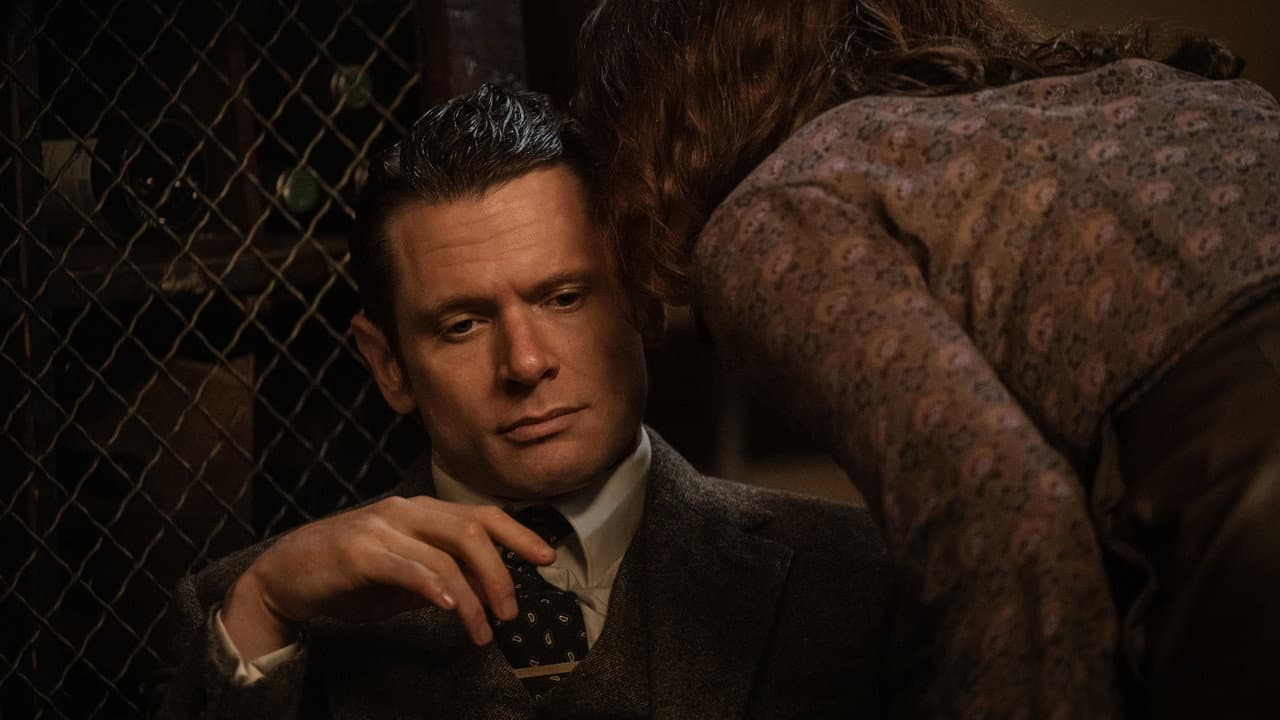
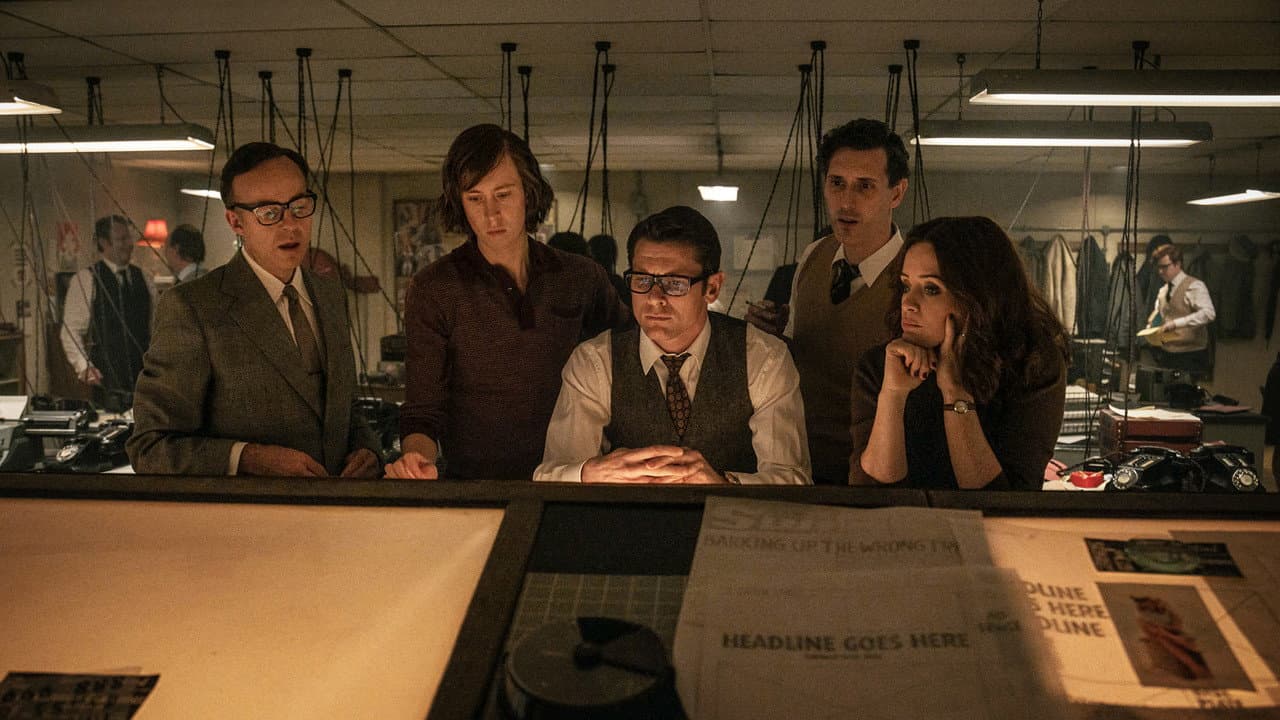
At the center of the chaos is O’Connell’s Larry Lamb, the editor who helped turn a struggling upstart into a daily juggernaut. The story tracks a motley crew of journalists and dreamers who decide to build a paper that gives readers exactly what they want - sensationalism, celebrity dirt, and bold headlines - at a time when the old guard of British journalism was still playing it safe. But the project’s rise comes at a cost, and the film dives headfirst into the murky waters of murder, manipulation, and the ruthless machinery behind the news we consume.
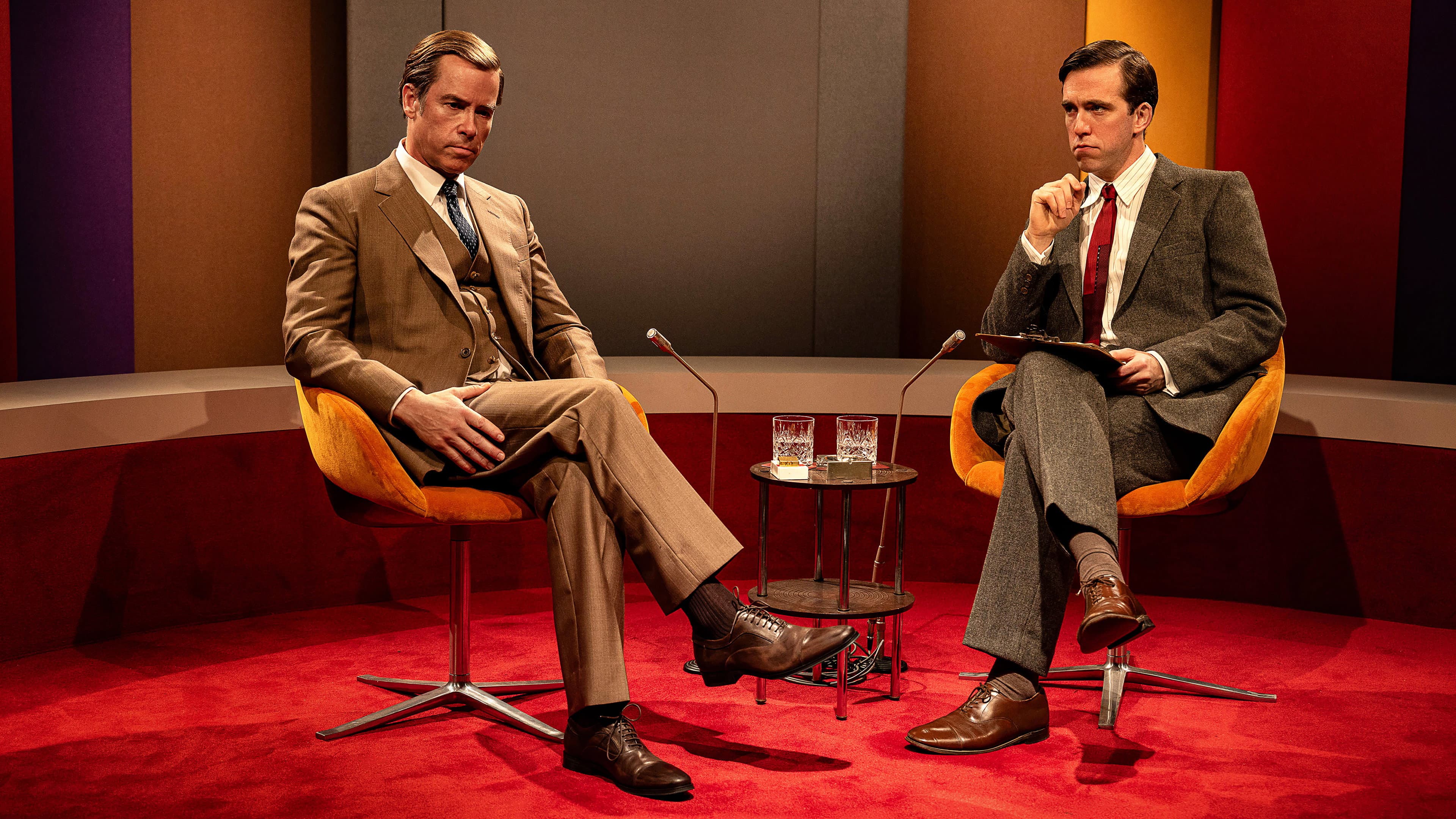
Playing opposite O’Connell is Guy Pearce as Rupert Murdoch, the media magnate whose vision and iron will drove the project forward. That casting alone is worth the price of admission, as Pearce has the gravitas to make Murdoch both magnetic and menacing. Claire Foy steps in as Joyce Hopkirk, a key figure in the newsroom’s operation, while Christopher Fulford and Nick Biadon round out the ensemble as Frank Nicklin and Sir David Frost, respectively. The cast also includes Brian Gleeson, Lucy Russell, and Patrick Kennedy in undisclosed roles, giving Boyle a deep bench of proven talent to work with.
The film’s official logline sets the tone: an explosive cinematic rollercoaster about a group of misfits and visionaries who had an idea for a new kind of news - one that would give the people what they want, and would change the face of the world we live in today. It’s a broad, punchy promise, and Boyle seems perfectly suited to deliver it. Known for his kinetic visual style and knack for making niche subcultures feel epic, the director has found a playground in the wild, messy early days of tabloid journalism.
So what exactly is Ink about, beyond the logline? The title is a sly nod to the print press, but it also hints at the darker ink that stains the story - the kind that gets spilled when reporters chase scoops without asking too many questions. While the film doesn’t focus solely on the phone-hacking scandal that eventually engulfed Murdoch’s UK empire, the movie’s December release date places it just shy of the 15th anniversary of the News of the World’s closure in 2011. That paper, which was the direct descendant of the one Lamb edited, folded after revelations that journalists had intercepted voicemails of celebrities, royals, and crime victims - a scandal that led to criminal trials and a public reckoning.
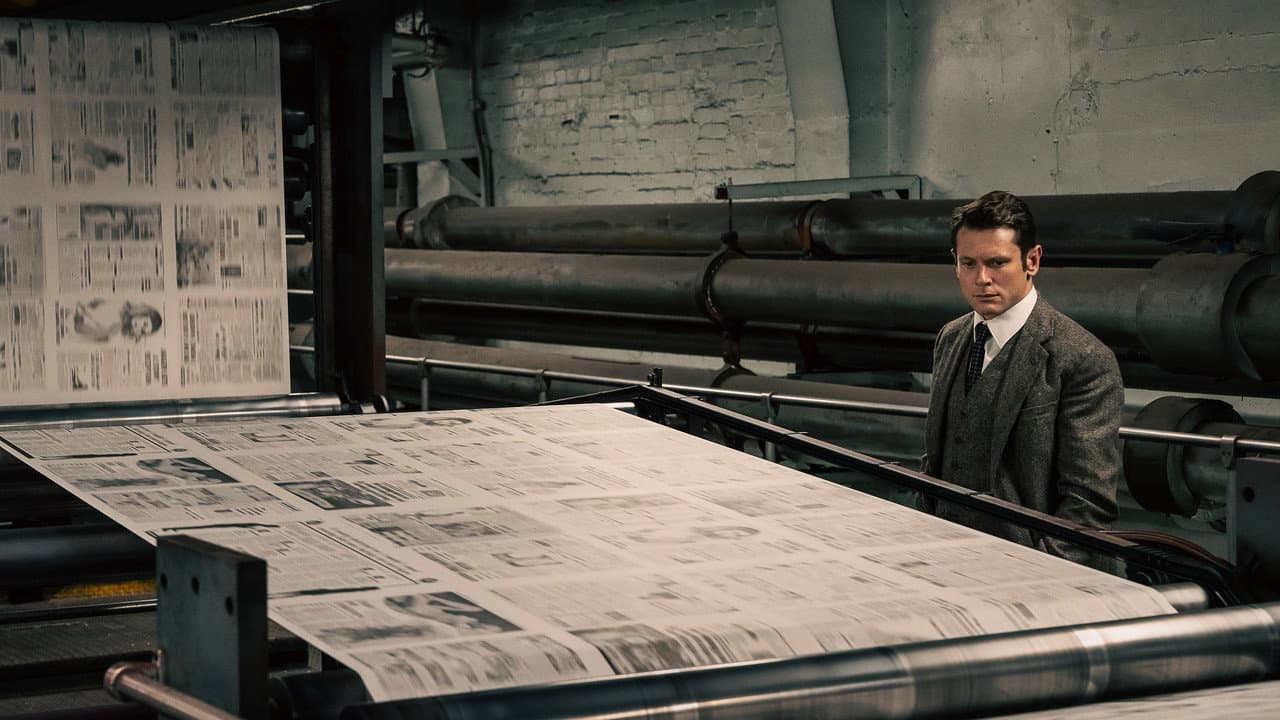
But Ink is less an autopsy of scandal and more a raw, adrenaline-fueled origin story. It’s about the early days of The Sun under Lamb’s editorship in the late 1960s, when the paper transformed from a struggling broadsheet into a racy, brash tabloid that would eventually sell millions of copies a day. Lamb’s tenure was marked by a sharp shift toward celebrities, sports, and cleavage-heavy page three photos - a formula that outraged traditionalists but captured the imagination of working-class Britain. The film doesn’t flinch from that legacy, framing it as both a creative triumph and a moral booby trap.
O’Connell has carved out a career playing men on the edge - from the soldier in ’71 to the tormented boxer in Starred Up - but Lamb is a different beast entirely. He’s a showman, a strategist, and a ruthless editor who saw the news as entertainment first and journalism second. In press notes, O’Connell described the role as a chance to dig into a character who “believed he was democratizing information, even as he was weaponizing it.” That tension is likely the heart of the film, and Boyle’s frantic camerawork and needle-drop soundtrack will make the newsroom feel like a war zone.
Netflix has been banking hard on prestige British stories with global appeal, and Ink looks to be a major swing. With a tight 116-minute runtime, it’s built to move fast, no doubt reflecting the breakneck pace of daily newspaper production. Boyle, who won an Oscar for Slumdog Millionaire and gave us the unhinged energy of Trainspotting, is a natural fit for this material - he loves finding the poetry in grime and the heroism in flawed, messy people.
The movie also arrives at a moment when the media landscape is more fractured than ever. While Ink is set in a pre-digital era, its questions about who owns the news, what readers actually want, and how far outlets will go to get attention feel deeply contemporary. The film doesn’t offer easy answers, but it doesn’t have to. It’s a story about the moment the modern tabloid was born, and the people who sold their souls - or at least their scruples - to make it happen.
Whether Ink becomes a major awards player remains to be seen, but with this cast and Boyle’s track record, it’s hard to bet against it. For now, mark your calendars for December 11. Jack O’Connell is about to turn up the heat on one of the most consequential stories in modern media - and he’s not letting go.
Source: Variety