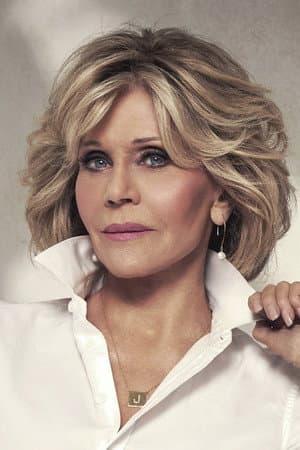
Jane Fonda is publicly disputing Paramount’s characterization of Mark Ruffalo’s recent remarks as antisemitic, calling the studio’s response a calculated attempt to sideline legitimate opposition to its pending merger. In a statement issued Wednesday, the two-time Oscar winner dismissed the accusation as a “smear” designed to delegitimize criticism of the corporate deal.
Fonda, who is known for her political activism as much as her film career - including the 2005 comedy Monster-in-Law - did not hold back in defending her fellow actor. She argued that conflating criticism of a business transaction with bigotry is both intellectually dishonest and dangerous for public discourse. “Calling Mark’s comments antisemitic is a smear to delegitimize criticism of the merger,” Fonda said, according to the statement. “It’s an old tactic: when you can’t win on the merits, you attack the messenger.”
The controversy began when Ruffalo, a frequent voice on social and political issues, publicly questioned the implications of the proposed merger involving Paramount. Specific details of his original remarks have not been fully disclosed, but the actor’s comments reportedly raised concerns about media consolidation and its potential impact on independent storytelling. Paramount responded by labeling the remarks as antisemitic, a charge that Ruffalo and his supporters have vehemently denied.
A Growing Political Rift in Hollywood
Fonda’s intervention adds another layer to an increasingly tense moment in the entertainment industry, where studio politics and personal convictions are colliding more frequently. The actress, long known for her outspoken positions on war, civil rights, and environmental issues, has never shied away from taking on powerful institutions. Her defense of Ruffalo suggests that this dispute is not merely a personal spat between an actor and a studio, but part of a broader ideological struggle over how corporate interests shape the cultural landscape.
“This is about power and who gets to define what is acceptable criticism,” Fonda continued. “We are seeing a pattern where accusations of antisemitism are being weaponized to silence those who question the actions of major corporations. That is not just a disservice to the Jewish community - it is a disservice to everyone who believes in honest debate.”
The actress did not specify which elements of the merger she believes warrant scrutiny, but her broader point was clear: the label of antisemitism should not be applied loosely to any criticism that touches on Jewish individuals or interests involved in a deal. Fonda urged Paramount to retract its characterization and instead engage with Ruffalo’s concerns on their factual merits.
Paramount Defends Its Position
Paramount has not yet issued a formal response to Fonda’s latest comments, but the studio previously stood by its decision to call out Ruffalo. Sources close to the company suggest that executives believe the actor crossed a line by invoking religious or ethnic stereotypes in his critique, though those specific allegations remain murky. The studio’s initial statement, released earlier this week, framed the issue as a matter of corporate responsibility, insisting that it would not tolerate rhetoric that could be construed as hateful.
Legal experts note that accusations of antisemitism in the context of merger criticism are fraught with complexity. “There is no question that some criticisms of Israel or Jewish-linked business practices can veer into antisemitic tropes,” said one entertainment attorney who requested anonymity. “But there is also a long history of using such accusations to shut down legitimate political or economic objections. The key is the specific language used, and so far, we haven’t seen the full text of Ruffalo’s remarks.”
Industry Reaction Divided
Within Hollywood, reactions to the dispute are split. Some prominent figures have privately expressed solidarity with Ruffalo, arguing that Paramount’s response reflects a broader corporate sensitivity to activist shareholders and political pressure groups. Others, however, have cautioned against rushing to judgment, noting that the full context of the actor’s comments has not been made public.
Fonda’s outspoken defense may embolden other celebrities to weigh in, but it also risks deepening a partisan divide that has already affected award seasons and production decisions in recent years. For now, the focus remains on whether Paramount will soften its stance or double down, and whether Ruffalo will issue a more detailed explanation of his original remarks.
Neither Fonda nor Ruffalo has indicated plans to alter their public positions. Fonda concluded her statement with a call for transparency: “Let the public read the full exchange. Let them decide if this is about protecting Jewish people or protecting a merger. I know which one I think it is.”
As of today, August 26, 2026, the story continues to develop, with no formal resolution announced. The dispute has already become a flashpoint for ongoing debates about the intersection of business, speech, and identity in modern America.
Source: Variety