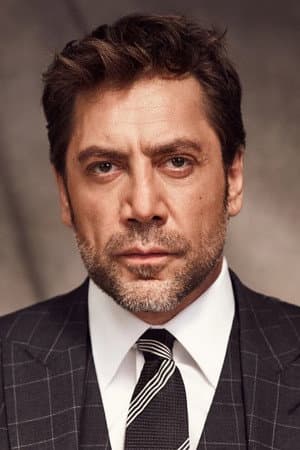
Javier Bardem has never been one to stay silent when he believes the moment calls for a word. But the Oscar-winning actor says the platform he has built over decades in front of the camera now carries a weight he cannot ignore - a sense of duty that pushes him to speak up, even when the subject veers far from the red carpet.
“I have you guys listening to me,” Bardem said, reflecting on the unique position fame affords him. “That comes with a responsibility.” The actor, known for his intense performances in films ranging from arthouse dramas to big-budget spectacles, made the remarks during a conversation centered on the intersection of celebrity and activism. For Bardem, the choice to engage with political and social issues is not a calculated career move but an ethical imperative - one that grew sharper as his profile expanded.
“If I can draw attention to something that matters, something that is being ignored or silenced, I feel I should do it,” he added. “It would feel wrong to have this microphone and not use it.”
A Career Built on Bold Choices
Bardem’s instinct for uncomfortable truths is hardly new. From his breakout role as a disabled writer in The Sea Inside, which earned him international acclaim, to his chilling turn as the unflinching assassin Anton Chigurh in No Country for Old Men, he has repeatedly gravitated toward characters that force audiences to look at darkness head-on. That same fearlessness, he suggests, shapes his off-screen life as well.
He has been vocal for years on a range of issues, including environmental protection, human rights, and the plight of refugees. His Spanish heritage and his time living between Europe and the United States have given him a global vantage point, and he says that perspective only deepens his conviction that artists cannot afford to be indifferent.
“People sometimes tell actors to stick to entertainment,” Bardem said. “But I don’t understand that. We are citizens first. We breathe the same air, we vote, we raise children, we watch the news like everyone else. Why would my opinion matter less because I also happen to work in fiction?”
The Weight of the Platform
Bardem’s comments arrive at a time when the role of celebrities in political discourse remains a hotly debated topic. Some argue that Hollywood voices can overshadow experts or reduce complex policy to sound bites. Bardem, however, pushes back on the idea that fame should come with enforced silence. Instead, he frames his activism as an extension of empathy - the same quality he draws upon when building a character.
“When I prepare for a role, I try to understand why a person acts the way they do, even if I disagree with them,” he explained. “That exercise of listening, of trying to see the world through another’s eyes, is exactly what we need more of in public life. So in a way, my acting training has made me a better activist.”
He acknowledged that speaking out carries risks. Public figures can face backlash, misquotation, or accusations of grandstanding. Still, Bardem says the potential for good outweighs the personal cost. “I’m not naive. I know that some people will dismiss me the moment I talk about politics. But I also know there are people who might hear something I say and start asking questions for themselves. That alone makes it worth it.”
Family and the Future
Bardem’s commitment to activism is shared by his wife, Penélope Cruz, with whom he has two children. The couple has occasionally lent their names to joint causes, though Bardem notes that their parenting has also sharpened his sense of urgency. “When you have kids, you start thinking in longer timelines,” he said. “You ask yourself what kind of world you are leaving them. That question keeps me up at night - and it should keep all of us up at night.”
He did not tie his comments to any specific upcoming project or campaign, leaving open the possibility that his next public statement could come at any time. For now, Bardem seems content to keep his focus split between his craft and his conscience, convinced that neither diminishes the other.
“I don’t see why I have to choose between being an artist and being a person who cares,” he said. “The day I stop caring is the day I should stop working.”
As the conversation drew to a close, Bardem returned once more to the notion of responsibility - not as a burden, but as an opportunity. “I didn’t ask for fame, but here it is. So I’m going to use it. Not for vanity, not for more attention, but for the things that deserve attention. That’s the least I can do.”
Whether audiences agree with his politics or not, Bardem’s stance is clear: he intends to keep speaking, keep questioning, and keep reminding the world that the people on screen are also people in the world. And for an actor who has never shied away from difficult roles, that may be the most honest performance of all.
Source: The Hollywood Reporter