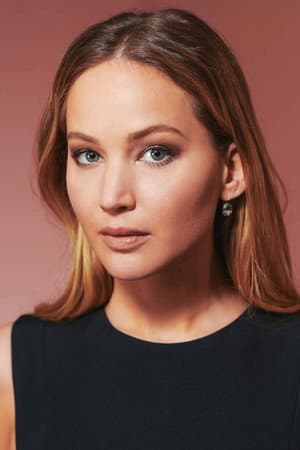
Jennifer Lawrence is keeping her face highly expressive, even if it means embracing a lighter touch with cosmetic procedures. The Oscar-winning actress recently explained that her profession requires a full range of facial movement, which places strict limits on how much Botox she can use.
Speaking about her beauty regimen, Lawrence revealed that while she isn't opposed to cosmetic enhancements, she opts for what she calls "baby Botox" rather than more extensive treatments. The reasoning is simple: her job depends on conveying emotion through her expressions, and she needs her face to remain mobile and responsive.
"I can't do a lot because I need to have movement in my face as an actor," Lawrence said, emphasizing the practical constraints of her career. She added that the minimal approach, often referred to as "baby Botox," allows her to maintain a polished appearance without sacrificing the nuanced physicality required for her roles.
The star's comments come amid an ongoing cultural conversation about beauty standards, aging, and the pressures facing women in Hollywood. Lawrence has historically been candid about her personal choices, often using her platform to push back against unrealistic expectations. Her latest remarks offer a glimpse into the careful balancing act actors must perform when navigating industry norms around appearance.
A Pragmatic Approach to Aesthetics
For Lawrence, the decision isn't about judging others' choices; it's about professional necessity. She acknowledged that actors rely on subtle facial cues - the raise of an eyebrow, the twitch of a lip, the crinkle of a smile - to deliver authentic performances. Over-freezing those muscles, she suggested, would undermine the very craft she has spent years perfecting.
Her strategy involves small, targeted doses that smooth lines while preserving natural movement. This approach stands in contrast to more dramatic transformations that can leave faces looking static or expressionless. Lawrence's stance reflects a broader shift among performers who prioritize versatility and emotional range over the sometimes homogenized look associated with intensive cosmetic work.
The actress didn't specify which practitioners she visits or how frequently she undergoes treatment, keeping those details private. Instead, she framed the discussion around the philosophical question of what an actor owes their instrument. For Lawrence, the face is not just a canvas for beauty - it's a tool for storytelling.
Industry Pressures and Personal Choices
Hollywood has long maintained a complicated relationship with aging, particularly for women. While male leads often see their careers extend well into their later decades, female actors frequently encounter diminishing roles as they age, a double standard that has been widely criticized. Lawrence's willingness to discuss her own cosmetic choices openly is part of a larger trend of celebrities demystifying procedures that were once shrouded in secrecy.
By distinguishing between "a lot" of Botox and "baby Botox," Lawrence is drawing a practical line for herself. She isn't rejecting the treatment outright, nor is she endorsing heavy use. Instead, she's modeling a moderate path that prioritizes function over form - at least where her career is concerned.
Her comments also resonate with fans who appreciate her relatability. Lawrence has built a public persona around authenticity, from speaking out about pay equity to sharing awkward red-carpet moments. Her transparency about cosmetic procedures fits neatly into that image, reinforcing the idea that even A-list celebrities grapple with societal pressures while making pragmatic, individualized decisions.
The Evolution of Beauty Standards
The actress's remarks arrive at a time when "baby Botox" has become an increasingly popular term in dermatology and cosmetic surgery circles. The technique involves using smaller amounts of the neurotoxin than traditional treatments, aiming for subtle results rather than complete immobility. Many practitioners market it as a preventative measure for younger patients or as a maintenance option for those who want to look refreshed without appearing altered.
Lawrence's endorsement of the approach - even informally - adds a high-profile voice to the conversation. Her reasoning, grounded in professional necessity rather than vanity, offers a compelling counterpoint to narratives that frame cosmetic procedures as purely superficial. For her, it's a functional decision with aesthetic benefits, not the other way around.
As audiences increasingly demand diverse representations of beauty and aging, Lawrence's stance may resonate beyond her own career. By normalizing a measured approach to cosmetic intervention, she contributes to a more nuanced dialogue about how people - especially those in the public eye - navigate the intersection of appearance, identity, and livelihood.
A Career Built on Expression
Lawrence's body of work has consistently showcased her ability to convey complex emotions through subtle physicality. From her breakout role in smaller dramas to major franchises, her performances often hinge on moments of wordless reaction. The idea that she would guard that expressiveness carefully makes intuitive sense.
Whether she's portraying grief, joy, anger, or confusion, Lawrence relies on an unfettered face to connect with audiences. Her choice to limit Botox is therefore less about personal preference and more about maintaining the very skills that define her professional identity. In an industry that frequently pressures women to freeze time, Lawrence is choosing instead to keep moving.
Source: Variety