Ke Huy Quan has revealed that a residuals payment tied to his work on Indiana Jones and the Temple of Doom arrived with a figure he never expected: roughly $100,000. The actor, who was a child when he played the fast-talking sidekick Short Round opposite Harrison Ford in Steven Spielberg's 1984 adventure, described the check as remarkably generous and said it underscored how much the economics of acting have shifted since his early years in the business.
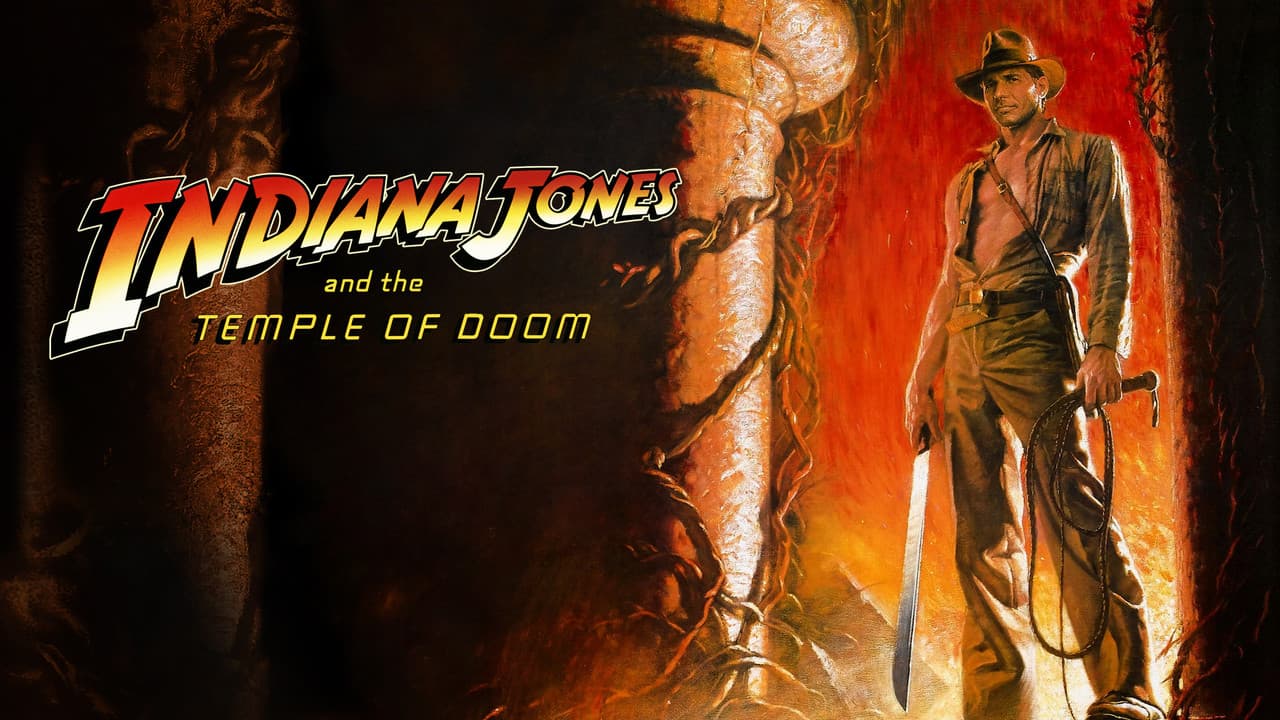
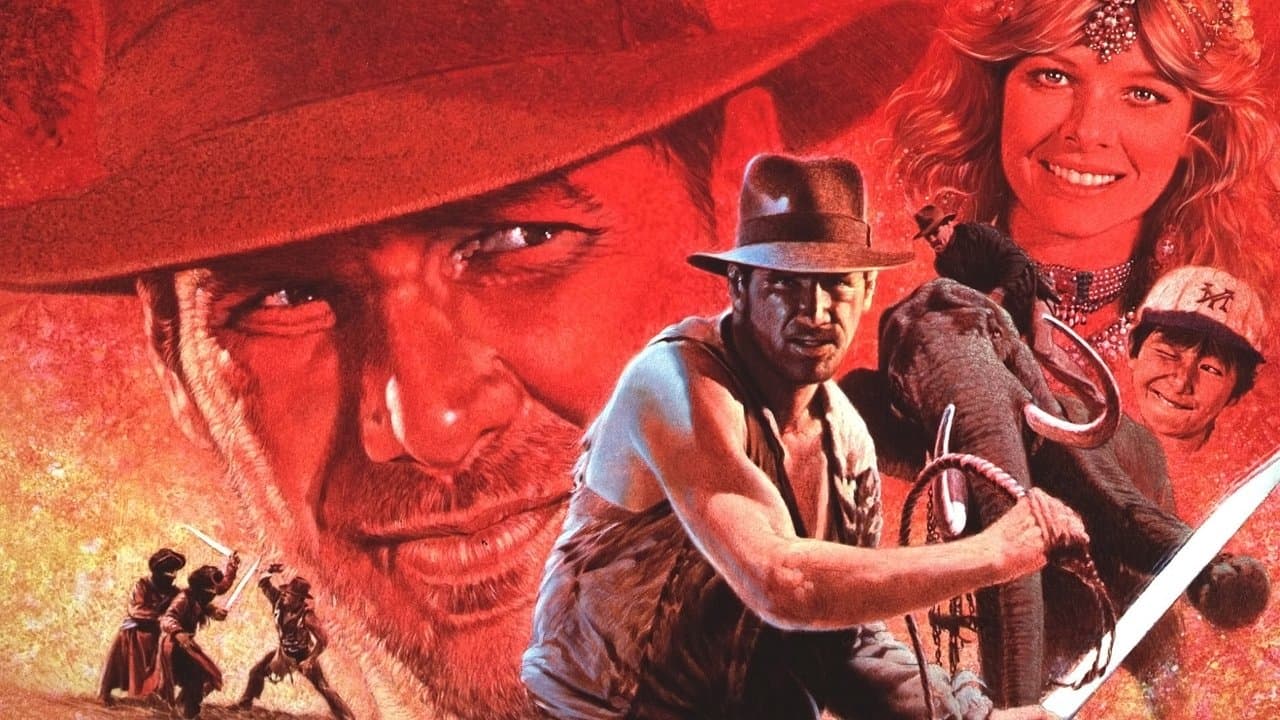
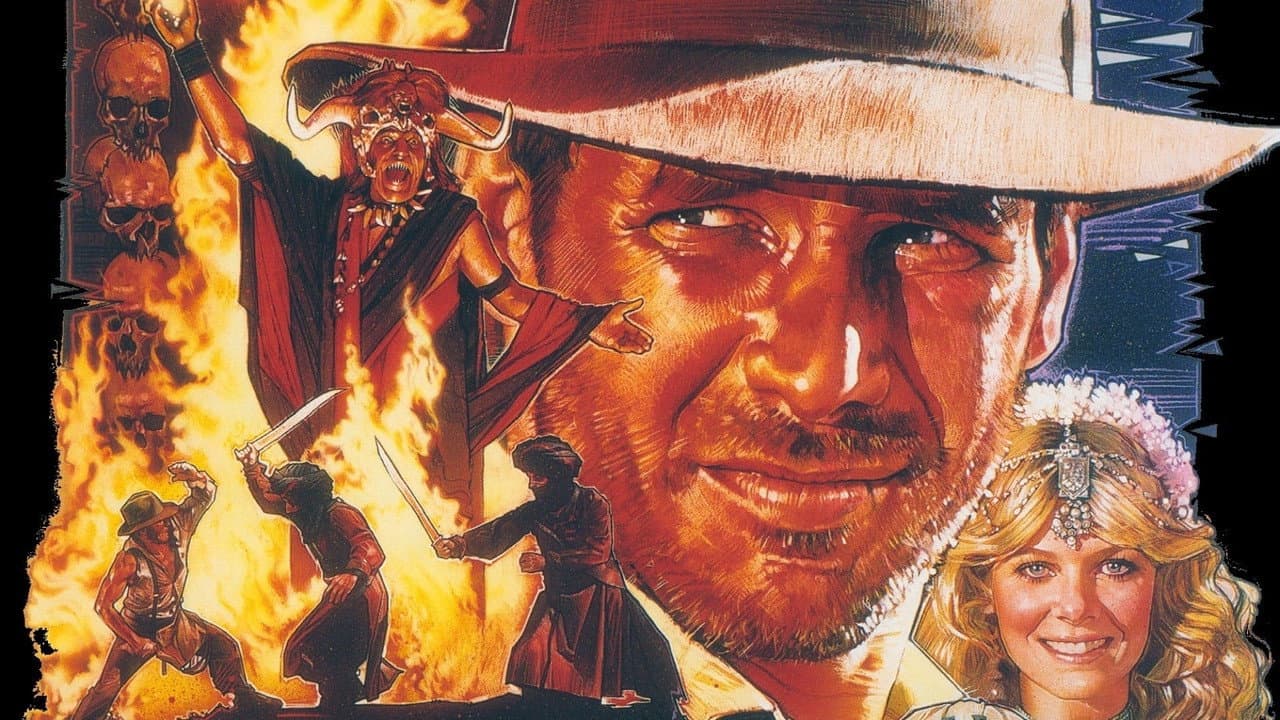
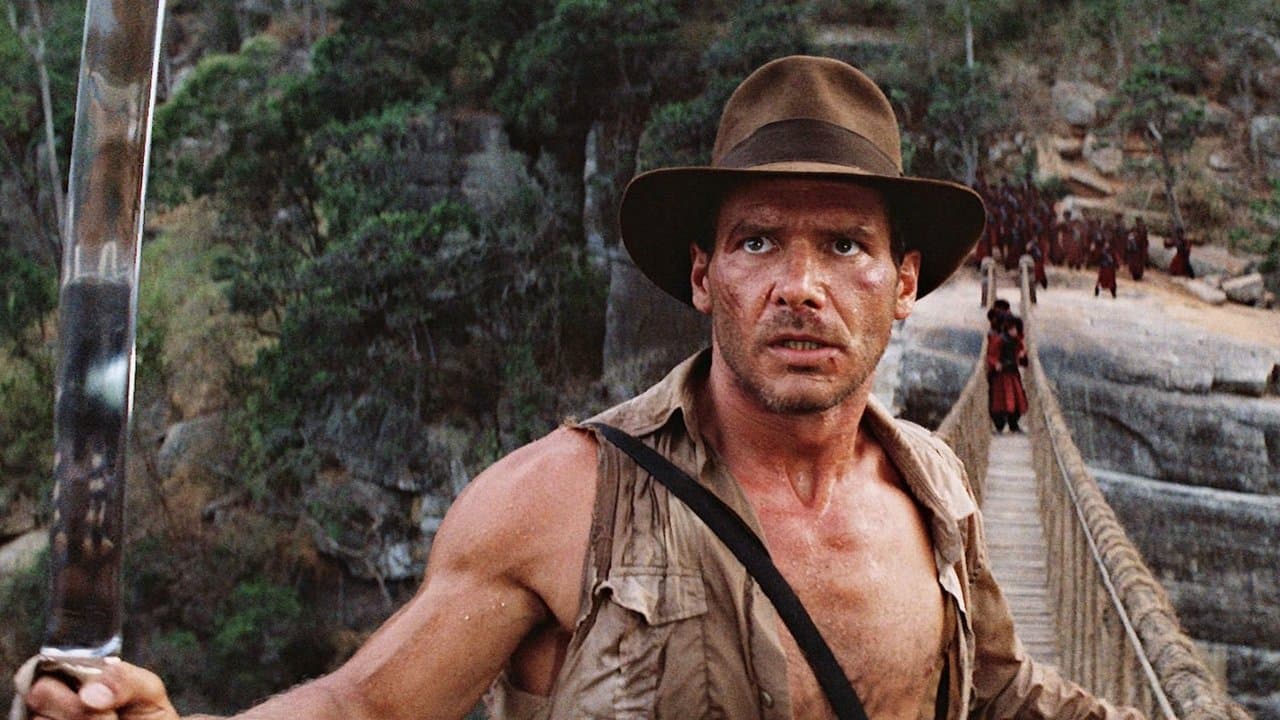
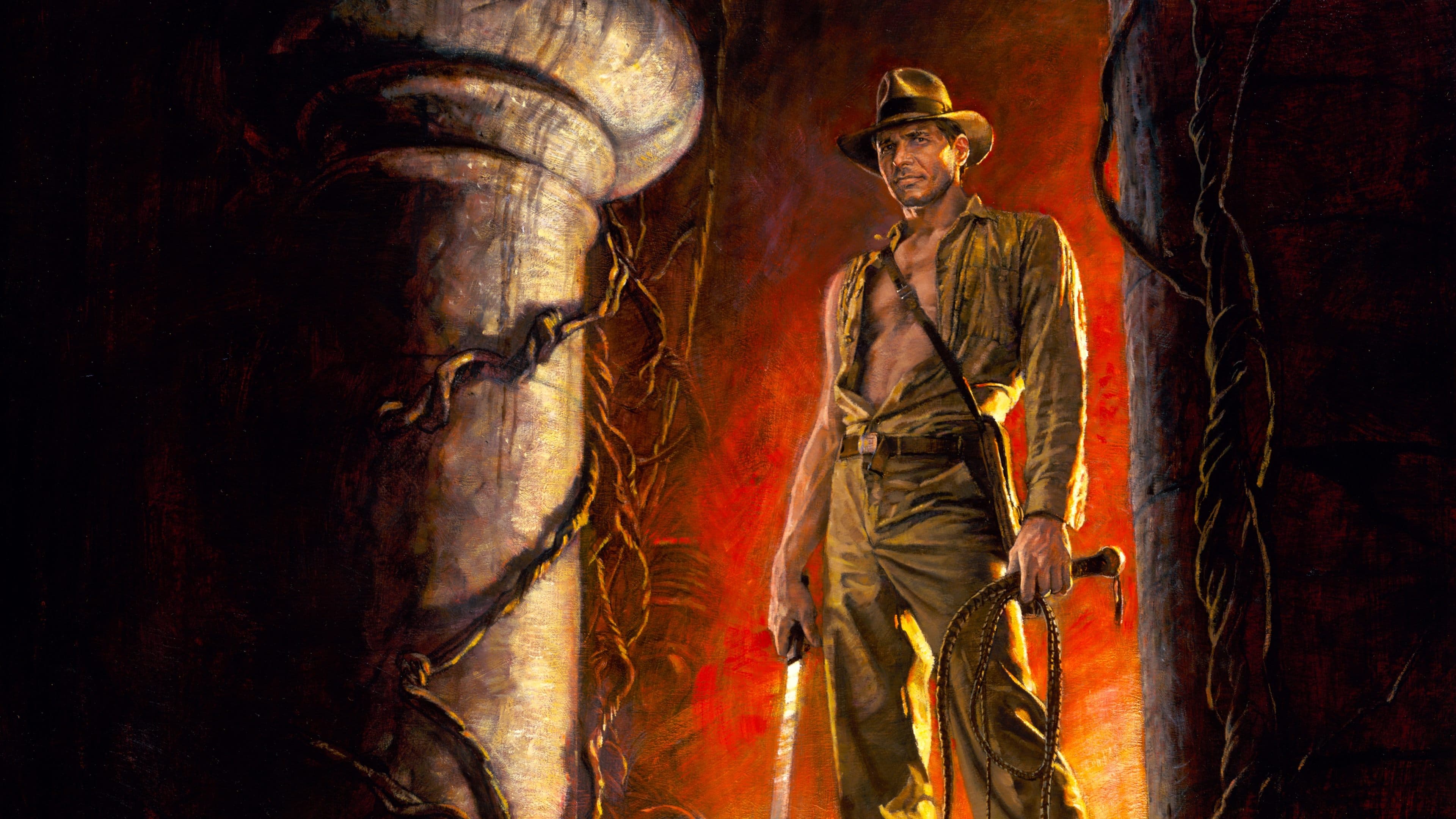
The payment relates to the continued exhibition of Temple of Doom, the second installment in the Indiana Jones series, which opened on May 23, 1984. In the film, Indiana Jones arrives in India and is approached by villagers desperate for help in recovering a mystical stone. He takes the job and, along the way, uncovers a secret cult pursuing a horrifying plan in the catacombs of an ancient palace. The movie runs 118 minutes and carries a 7.309/10 rating on TMDb, with a cast that includes Kate Capshaw as Willie Scott, Amrish Puri as Mola Ram, Roshan Seth as Chattar Lal, Philip Stone as Phillip Blumburtt, Roy Chiao as Lao Che, and David Yip as Wu Han.
Quan's recollection of the check lands at a particular moment in his career. For years after his breakout roles as a child actor, he stepped back from performing as on-screen opportunities dried up. His return in Everything Everywhere All at Once culminated in an Academy Award win for best supporting actor, and the industry's renewed attention has coincided with a busy stretch of film and television work. Against that backdrop, news of a six-figure residual from a movie he made as a teenager carries a certain symbolic weight: the film that helped make him a familiar face is still paying him, four decades later.
A Different Era for Residuals
Residuals are the payments performers and other credited workers receive when a film or show is reused, whether through television airings, streaming, or home video. For actors who appeared in studio blockbusters before the streaming era, those payments have historically been tied to broadcast windows and physical media sales. The rise of streaming has scrambled that model, and compensation has become a central issue in recent labor disputes in Hollywood. In that context, a $100,000 payment tied to a 1984 title stands out.
Quan did not present the figure as typical. His description of the check as generous suggests he recognizes that many working actors, particularly those whose early credits date back decades, see far smaller amounts. Child performers are often especially vulnerable to seeing little long-term return from work that becomes culturally enduring, since their original deals were negotiated when they had limited leverage and no track record.
Short Round's Long Afterlife
Short Round became one of the most quoted and cosplayed characters of the 1980s, a rare Asian American kid sidekick in a major Hollywood tentpole. The role gave Quan a foothold in the industry that he later parlayed into The Goonies, but it also typecast him at a time when few parts existed for actors of his background. He has spoken in recent years about leaving acting because he could not find work, a gap that lasted roughly two decades.
The character's persistence in pop culture is part of what keeps Temple of Doom in circulation. The film remains a fixture on streaming platforms and cable schedules, and its merchandise and theme park ties have kept the Indiana Jones brand active. Those revenue streams feed the residual pool that eventually produced Quan's check. Even a modest slice of a long-running franchise can compound into a meaningful sum when a film stays in rotation for forty-plus years.
What the Check Signals
Quan's disclosure arrives as the broader conversation about back-end pay and streaming transparency continues. Studios have faced pressure to share more detailed viewership data, which performers argue is necessary to calculate fair compensation. A residual check that surprises its recipient is, in effect, evidence that the current system sometimes works and sometimes leaves workers in the dark about what they are owed.
For Quan, the story is less about a single windfall than about longevity. He has described the check in terms of gratitude rather than grievance, and it functions as a reminder that a career can circle back. The boy who chased after Indiana Jones is now an Oscar winner fielding offers, and one of the movies that started it all is still sending money his way.
Indiana Jones and the Temple of Doom remains available on major streaming platforms. Quan's upcoming projects have not been detailed in connection with the residuals disclosure.
Source: The Hollywood Reporter