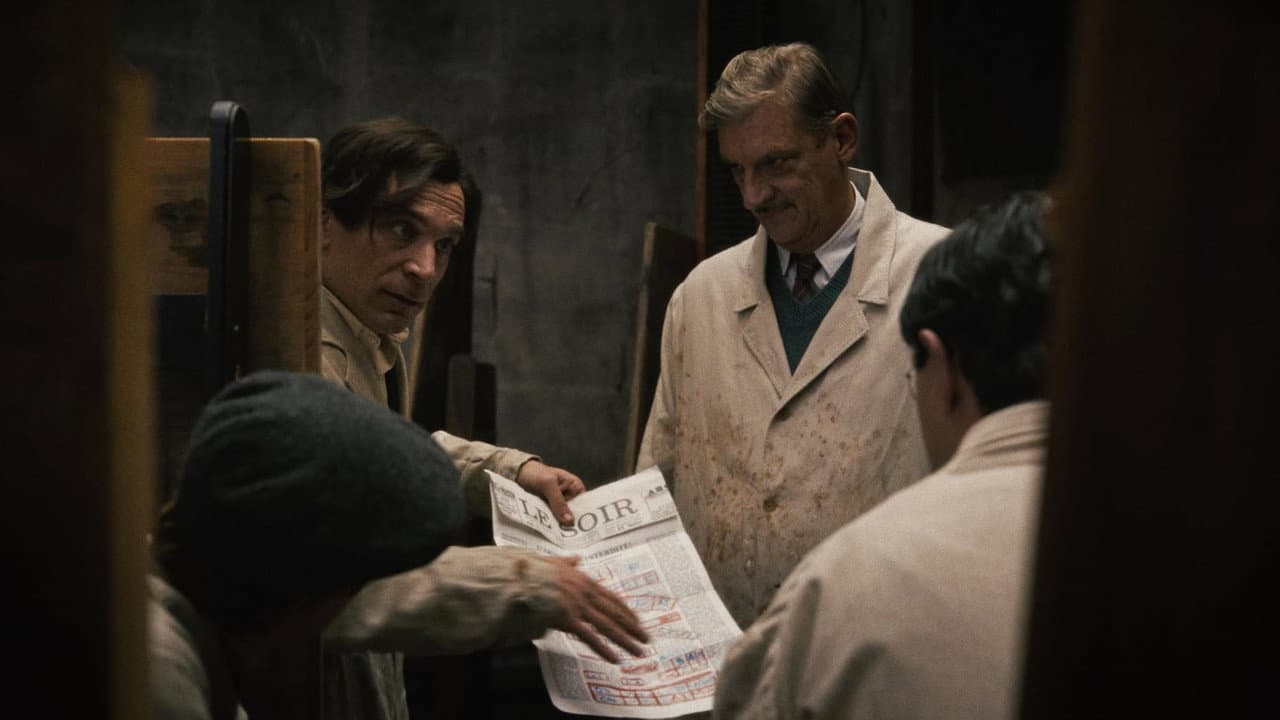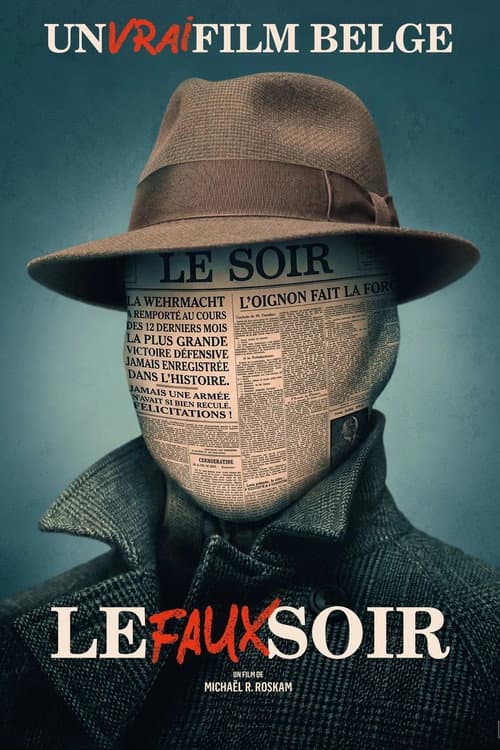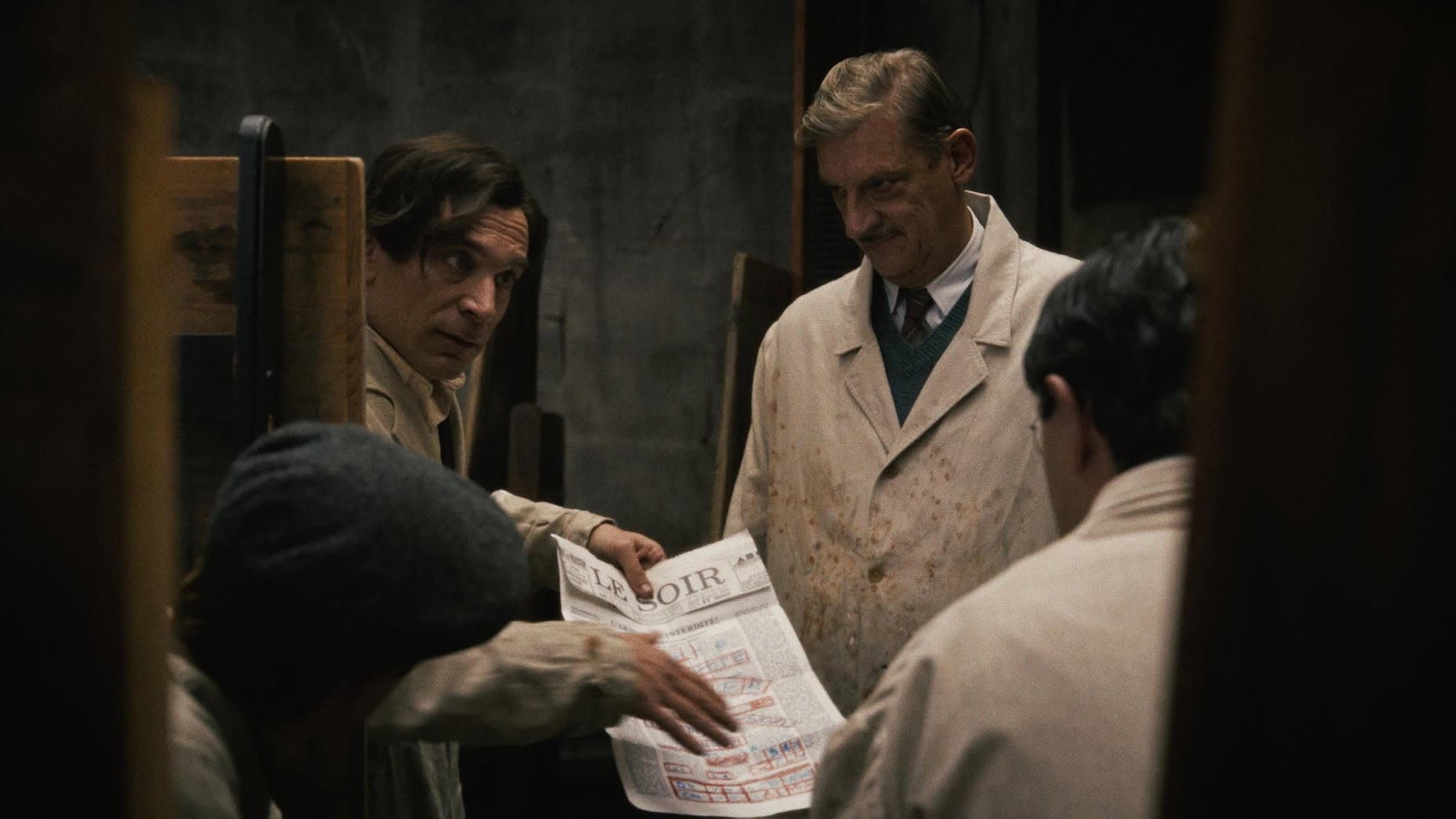
The San Sebastián International Film Festival has announced that its 2026 edition will close with the premiere of Le Faux Soir, a historical drama from Belgian director Michaël R. Roskam that revisits a daring act of wartime rebellion often cited as the first media hack in modern history. The film, which runs 133 minutes, is scheduled for theatrical release on December 2, 2026.
Set in November 1943 in Nazi-occupied Belgium, Le Faux Soir centers on the Independent Front, a resistance network that risked execution to publish a satirical counterfeit edition of Le Soir, the country’s most prominent newspaper at the time, which had been co-opted as a propaganda tool by the German occupiers. The spoof issue, distributed on the streets of Brussels as if it were the real paper, mocked the regime and exposed the absurdity of collaborationist journalism - an act that historians and media scholars now regard as a foundational moment in the history of information sabotage.
Roskam, best known for his Oscar-nominated crime drama Bullhead and the 2014 thriller The Drop, approaches the material with a blend of tension and period authenticity. The film’s cast is led by Arieh Worthalter, who plays Marc "Yvon" Aubrion, the resistance figure at the heart of the operation. He is joined by a robust ensemble including Mélanie Thierry, Karim Leklou, Mara Taquin, Bouli Lanners, Julien Frison, François Damiens, and Ruth Becquart, many of whom are familiar faces in contemporary Belgian and French cinema.
The production marks a return to Roskam’s roots in gritty, character-driven storytelling, but with a distinctly historical lens. Rather than a conventional war epic, Le Faux Soir reportedly leans into the procedural mechanics of the hoax - the clandestine typesetting, the forged mastheads, the nerve-wracking distribution - while also exploring the moral calculus of civilians who chose defiance under an occupation where a single slip could mean torture or death. The film’s framework as a drama about media manipulation carries obvious resonance in an age of deepfakes and disinformation, even if the story is grounded in 1943 specifics.
San Sebastián’s decision to use the film as its closing-night selection, announced Wednesday, aligns with the festival’s tradition of spotlighting politically charged European cinema. The festival, held in Spain’s Basque Country each September, has increasingly served as a launchpad for awards-season contenders and a platform for films that grapple with historical memory. The closing slot often goes to a title with both artistic heft and commercial potential, and Le Faux Soir fits that bill, given Roskam’s international profile and the film’s timely thematic undertones.
For those unfamiliar with the underlying event, the real Le Faux Soir was a meticulously crafted hoax pulled off by members of the Independent Front, a coalition of resistance groups. On November 9, 1943, they printed a fake edition of Le Soir - the paper had continued publishing under German control - filled with invented stories, mock announcements, and satire aimed at both the occupiers and Belgian collaborators. The fake paper was sold at newsstands and in cafes before the ruse was discovered. Dozens of people were arrested in the aftermath, and several were executed, but the episode became a legendary symbol of psychological resistance in Belgium.
The film’s title and its focus on a prank with deadly stakes allows Roskam to balance suspense with moments of gallows humor, a tonal tightrope that has defined much of his earlier work. Whether the movie leans more toward thriller or tragedy will become clearer once it screens in San Sebastián, but the premise alone offers a rich vein of irony: a resistance movement using the enemy’s own machinery of lies to tell a greater truth.
Le Faux Soir is scheduled to hit theaters in December, positioning it for potential year-end honors and festival circuit runs beyond Spain. With no early critical consensus yet - the film currently holds a placeholder rating of zero on TMDb, pending reviews - the San Sebastián premiere will serve as the first real test of its reception. Roskam’s track record suggests he is comfortable with pressure; his debut feature earned international acclaim, and his subsequent projects have consistently attracted strong European casts.
For audiences, the film offers more than a history lesson. It raises uncomfortable questions about the fragility of information, the cost of resistance, and the blurred line between journalism and sabotage - issues that feel newly urgent in a media landscape where truth itself is often the first casualty. As the closing-night pick for one of Europe’s most respected festivals, Le Faux Soir promises to leave viewers with both a gripping narrative and a lingering unease about the power of the printed word, especially when it is wielded by those who control the presses.
The festival has not announced a specific date for the closing gala beyond the general September window, but the film’s selection ensures that Roskam and his cast will bring a piece of Belgian wartime history to an international stage, reminding audiences that some of the most effective rebellions are not fought with weapons, but with ink.
Source: The Hollywood Reporter