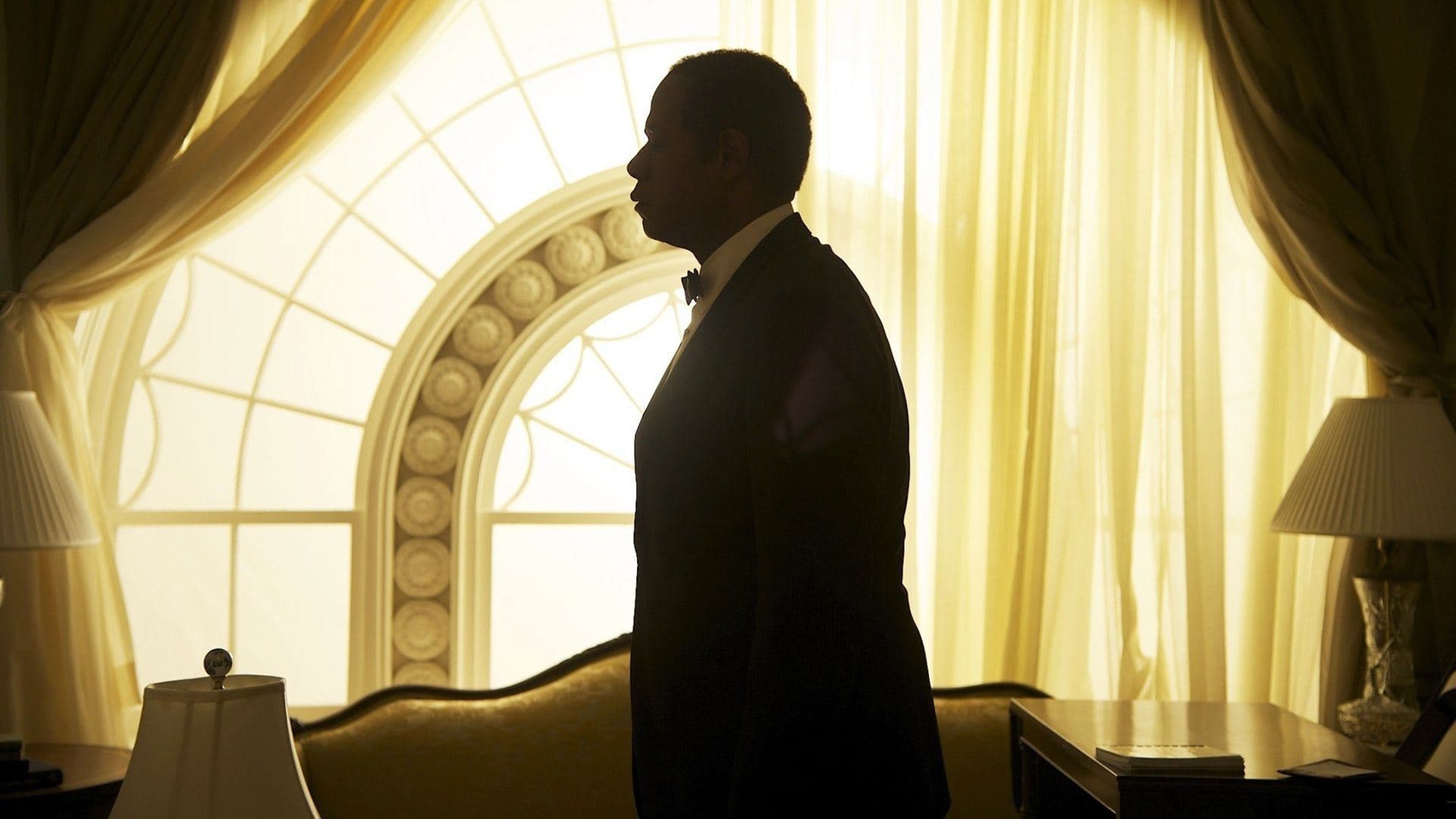
Lee Daniels, Nadine Labaki, Marina Abramovic Win
Advertisement
Lee Daniels, Nadine Labaki, and Marina Abramovic receive Liberatum Pioneer Awards in an exclusive ceremony honoring artistic trailblazers.
The trio of Lee Daniels, Nadine Labaki, and Marina Abramovic has been named this year’s recipients of the Liberatum Pioneer Awards, an honor that recognizes figures who have pushed boundaries across film, art, and culture. The announcement, made exclusively ahead of the ceremony, places the three women at the center of a celebration that prizes fearless creative risk-taking over commercial comfort.
Daniels, the filmmaker behind Precious and The Butler, has long been one of the most provocative voices in American cinema. His work, which often tackles race, class, and sexuality with unflinching directness, has earned both critical acclaim and occasional controversy. The Liberatum jury, in selecting him, appears to be honoring a career that refuses to soften its edges for mainstream approval.
Labaki, the Lebanese director and actress, brings an international dimension to the award. Known for Capernaum, which earned an Oscar nomination for Best Foreign Language Film, she has built a reputation for stories that center on children and the disenfranchised, often shot with a documentary-like rawness that blurs the line between fiction and lived reality. Her films have been praised for their humanitarian urgency, though they have also sparked debate about representation and the ethics of portraying poverty on screen.
Abramovic, the Serbian performance artist, is perhaps the most unconventional choice of the three. Her career, spanning more than five decades, has redefined what art can be - often at the physical and emotional expense of her own body. From Rhythm 0 to The Artist Is Present, she has turned endurance into an aesthetic, forcing audiences to confront their own complicity in the act of watching. Her inclusion signals that the Liberatum awards are not strictly a cinematic honor but rather a broader cultural one.
The Liberatum organization, founded by Pablo Ganguli, has made a habit of spotlighting figures who defy easy categorization. Past honorees have come from fashion, music, and activism, and this year’s lineup continues that pattern. The awards will be presented at a private ceremony later this year, with details of the venue and program still under wraps.
For Daniels, the recognition arrives at a time when he has been expanding his footprint beyond film into television and streaming, with projects that continue to stir conversation. His recent work has shown a willingness to experiment with genre, even as he maintains the emotional intensity that first brought him attention. The Liberatum honor, in that light, feels less like a career retrospective and more like a nod to his ongoing evolution.
Labaki, meanwhile, has been vocal about the struggles of making art in a region torn by conflict and economic collapse. Her films are often shot in difficult conditions, with non-professional actors drawn from the streets of Beirut and beyond. That commitment to authenticity has sometimes been questioned by critics who wonder whether her lens exoticizes suffering, but few dispute the power of her imagery or the courage it takes to bring those stories to global audiences.
Abramovic’s recent years have been marked by institutional recognition - she has shown at the Guggenheim, the Centre Pompidou, and the Royal Academy - but the Liberatum award adds a different kind of validation, one that foregrounds her influence on younger generations of artists. Her methods, which often involve long periods of stillness and audience interaction, have become a touchstone for discussions about the limits of artistic endurance.
The announcement also underscores a broader shift in how awards are being conceived. Traditional ceremonies, with their rigid categories and industry politics, are increasingly being supplemented by more curatorially adventurous honors. Liberatum, in its relatively short existence, has carved out a niche for itself as an arbiter of taste that leans toward the unconventional. This year’s slate, with its mix of American, Middle Eastern, and European sensibilities, reinforces that identity.
None of the three honorees has yet commented publicly on the news, though a joint statement is expected in the coming days. Given their respective histories, it would be surprising if any of them accepted the award without using the platform to speak on issues larger than their own careers - Daniels on representation in Hollywood, Labaki on the plight of refugees, Abramovic on the transformative power of art.
The ceremony itself, by design, is likely to be an intimate affair, a far cry from the red-carpet spectacles of the Oscars or Cannes. Liberatum events have a reputation for blending high culture with a salon-like atmosphere, where artists and thinkers mingle without the usual industry barriers. For the award recipients, that may be precisely the point - recognition that feels personal rather than transactional.
As the date approaches, attention will no doubt turn to what each winner will say and how they will use their moment. If their past works are any indication, the speeches will not be polite. They will be challenges - to the assembled guests, to the industry, and to the very idea of what it means to be a pioneer.
Source: The Hollywood Reporter
Advertisement
Advertisement