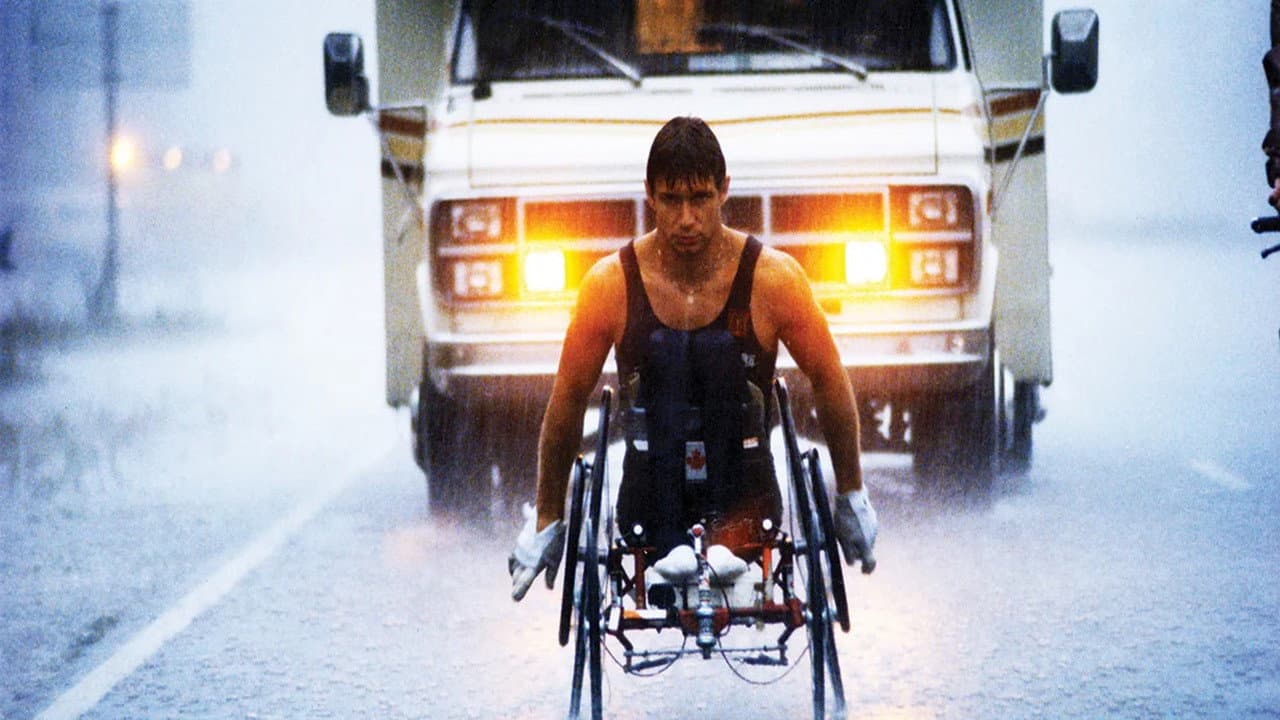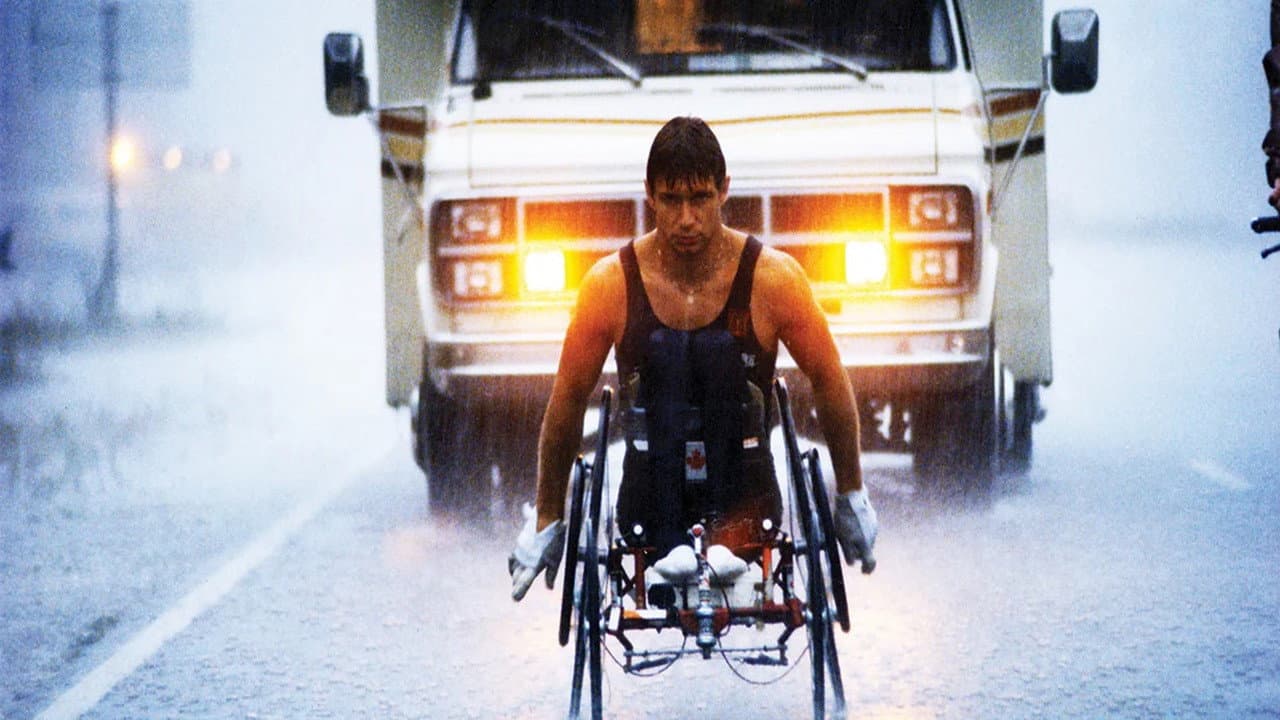
A new documentary arriving in theaters today revisits one of the most extraordinary feats of endurance ever attempted, and it asks audiences to sit with a number that still defies easy comprehension. Man in Motion: The Rick Hansen Story, directed by Adrian Buitenhuis, chronicles the 26-month journey that turned a Canadian athlete and activist into a global symbol of persistence, tracing a wheelchair trek of 40,000 kilometres that circled the planet and raised millions of dollars to tear down accessibility barriers.
Clocking in at 96 minutes, the film opens on September 11, 2026, and is being positioned as a galvanizing portrait rather than a dry historical recap. Buitenhuis, who has built a reputation for profiling figures whose personal grit reshapes public assumptions, keeps the focus on Hansen himself while widening the frame to show what his Man In Motion World Tour set in motion long after the final wheel turn.
A Journey Measured in Years, Not Miles
The raw statistics of the tour are the kind that invite disbelief even decades later. Twenty-six months on the road. Forty thousand kilometres logged across continents. A journey undertaken not for a prize or a record book but to change how the world regards people with disabilities.
That ambition is what separates the Hansen story from a standard athletic achievement. The tour functioned simultaneously as a fundraising engine, a public awareness campaign, and a punishing physical test, and the documentary treats all three strands as inseparable. Money raised along the route was directed toward eliminating accessibility barriers, while the sheer visibility of a man pushing himself across countries forced conversations that had long been sidelined. Public perception, the film argues, shifted because Hansen refused to let it stay still.
The "It's just insane" reaction attached to the project captures something genuine about the material. Even viewers who know how the story ends are likely to find themselves recalibrating what human stamina can absorb over two-plus years of continuous forward motion.
Hansen the Athlete, Hansen the Activist
Before the tour made him a household name, Hansen had already established himself as a serious competitor in wheelchair sports, and the documentary does not skip past that foundation. His athletic background supplies the discipline that made the tour conceivable, but it is his evolution into an activist that gives the narrative its emotional weight. The film frames him as someone who converted personal resolve into structural change, pressing for a world where accessibility is treated as a baseline rather than a courtesy.
Buitenhuis leans into that duality without turning the project into hagiography. The 1980s setting provides its own texture: a pre-internet era when a journey of this scale unfolded through local news crews, roadside encounters, and word of mouth rather than viral clips. That slower, more physical relationship between a traveler and the public he met along the way is part of what the documentary wants modern audiences to feel.
A Producer's Bet on an Older Kind of Heroism
Hollywood's interest in Hansen's story reflects a broader appetite for nonfiction portraits of figures whose achievements resist easy summary. A 40,000-kilometre wheelchair journey does not compress neatly into a trailer-length hook, which may be precisely why it works as a documentary rather than a dramatization.
The film's cast is not being disclosed in advance materials, a choice that keeps attention on archival material and Hansen's own presence. That approach suits a subject whose credibility rests on documented reality rather than performance.
Early audience metrics for the title remain at zero, with no rating yet registered, which is typical for a documentary on its opening day. Box-office projections are not being released, and given the specialized nature of the release, commercial expectations are likely to be modest compared with studio fare. The film's ambitions appear to lie elsewhere: in reminding viewers that accessibility advocacy did not begin with recent legislation or social media campaigns, but with individuals willing to travel impossible distances to make a point impossible to ignore.
For audiences who encounter Hansen's story for the first time here, the takeaway may be simpler than any policy argument. A man got into a wheelchair and kept going for 26 months, and the world he moved through was never quite the same afterward. Man in Motion: The Rick Hansen Story runs 96 minutes and opens today.
Source: The Hollywood Reporter