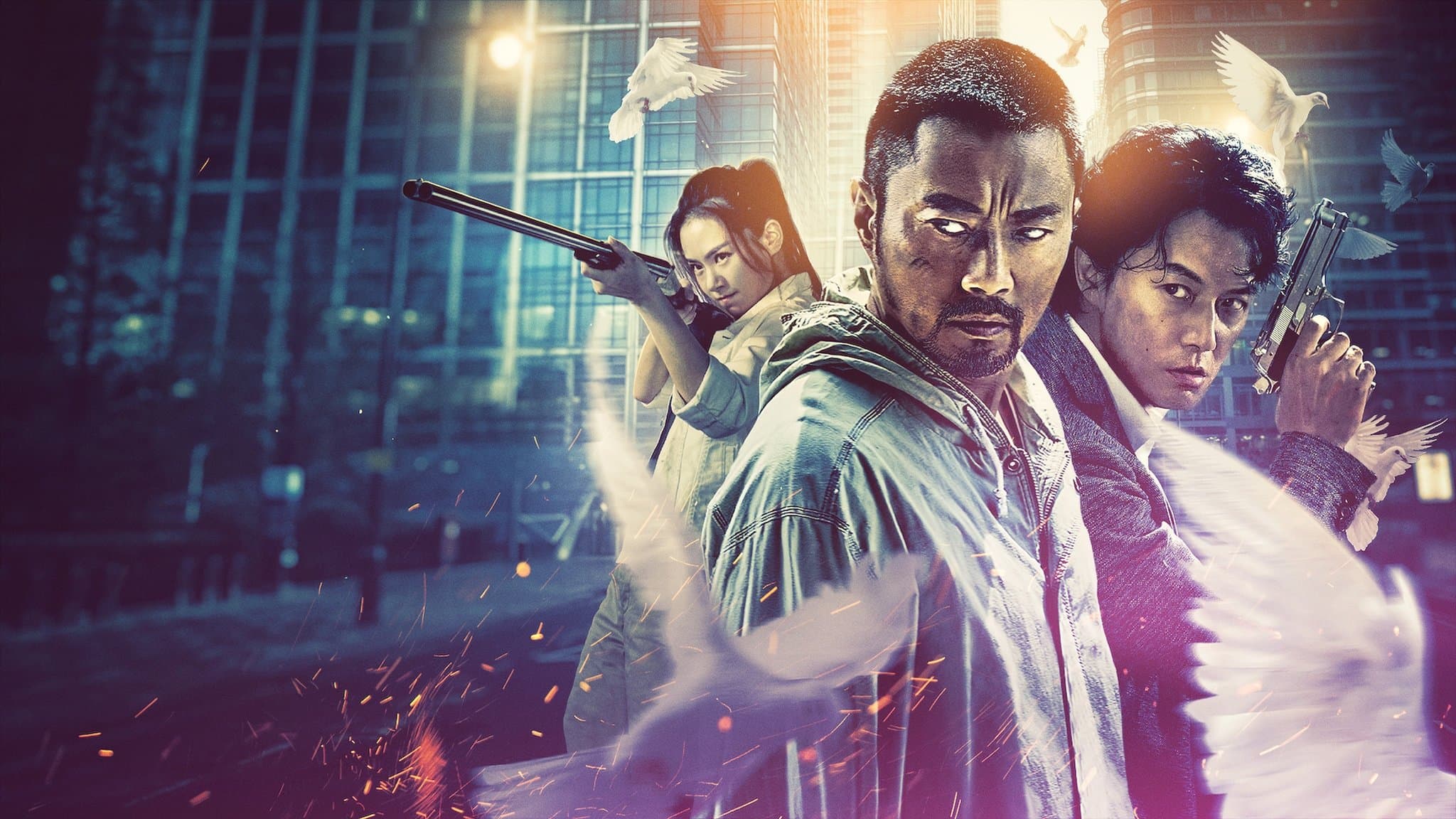
Cinematographer Jonathan Glendon wants to make one thing clear about the upcoming thriller Manhunt: the afterlife is not a grim, shadowy void. In fact, it’s quite the opposite. During a recent interview, Glendon detailed the creative logic behind the film’s boldest visual choice - portraying Hell as a vibrant, almost saccharine "candy world" rather than the fire-and-brimstone tableau audiences have come to expect.
Glendon explained that the decision was driven by narrative psychology. The film’s protagonist, a fugitive hunter, is forced to confront his own moral decay, and the filmmakers wanted the environment to reflect a seductive trap rather than an overt punishment. “If Hell looked like a torture chamber, no one would ever walk into it willingly,” Glendon said. “But if it looks like a carnival of colors and sweets, you understand how someone could lose themselves. The horror comes from the dissonance.”
The visual language of Manhunt therefore leans into oversaturated hues - candy pinks, electric blues, and buttercup yellows - painting a world that initially feels inviting but gradually reveals its cloying, oppressive nature. Glendon cited the work of pop surrealists and vintage advertisement aesthetics as touchstones, aiming for a palette that feels both nostalgic and deeply wrong. He noted that the challenge was maintaining beauty without letting the frame tip into parody. “We wanted the audience to feel a sugar rush that slowly turns into a stomach ache,” he added.
The film’s production design worked in tandem with Glendon’s lighting choices, crafting tangible sets filled with oversized lollipops, glossy frosting-like textures, and artificial fruits. Rather than rely heavily on digital effects, the team built practical environments to ensure the light reacted naturally across the glossy surfaces. Glendon explained that shooting on location with physical sets allowed him to use colored gels and controlled reflections to create a sense of depth, making the candy world feel immersive rather than like a green-screen cartoon.
Lighting itself became a character study. Glendon described how he used warm, golden key lights for the early scenes in this Hell to suggest comfort and allure, then gradually shifted toward colder, more clinical fluorescents as the story unfolds and the protagonist’s delusions crack. The subtle shift is meant to work on a subconscious level, making viewers uneasy before they can articulate why. “We never wanted a big, dramatic visual scream,” he said. “The change is glacial. By the end, the same location that felt like a playground feels like a sterile trap.”
Sound and color also played a surprising partnership in shaping the scenes. Glendon mentioned that the editors used color timing to mute certain tones during the film’s darker sequences, almost desaturating the vibrant set pieces into a sickly pastel. This post-production decision allowed the team to fine-tune the emotional temperature of each scene without reshooting. He credited his collaboration with the director and colorist as essential to finding the precise balance between whimsy and dread.
The conversation also touched on the thematic resonance of the candy world. Glendon described it as a metaphor for modern temptation - whether digital distractions, consumer excess, or moral compromise. He stressed that Manhunt is less about a literal religious underworld and more about the internal spaces people create for themselves when they justify harmful actions. “We all have a version of this place,” he reflected. “A comfort zone that we refuse to admit is corroding us. The film just gives that feeling a very bright, sticky face.”
For Glendon, who has built a reputation for bold visual storytelling, Manhunt represents a passion project that allowed him to experiment with genre expectations. He acknowledged that some test audiences initially found the bright approach confusing, expecting a conventional Gothic descent. But he argued that primal fear is often more effective when it arrives in an unexpected package. “You’re braced for darkness,” he said. “You’re not braced for a rainbow that slowly eats you alive.”
The film does not entirely abandon darker imagery. Glendon confirmed that certain sequences intentionally invert the palette, using deep blacks and muted grays to represent the protagonist’s memories of the real world. These stark contrasts emphasize how the character’s perception of normalcy has been warped over time. The shifting tones, he said, are meant to blur the line between external environment and internal state.
As the interview wound down, Glendon offered advice for aspiring cinematographers: treat every set as an opportunity to challenge the audience’s assumptions. “If the script hands you an idea as old as Hell, don’t just point a camera at it,” he said. “Ask yourself what would genuinely scare people today. For us, it was the smell of cotton candy and the sound of laughter that never feels quite right.”
Manhunt is currently in post-production, with no confirmed release date announced. Glendon hinted that the final cut has already generated strong buzz among festival programmers, praising the cast’s commitment to the unconventional tone. He also teased that the film’s ending leaves room for a deeper read on the candy world’s origins, though he declined to elaborate. For now, audiences will have to wait to see how this Technicolor nightmare came to be - and whether they can resist its sugary pull.
Source: The Hollywood Reporter