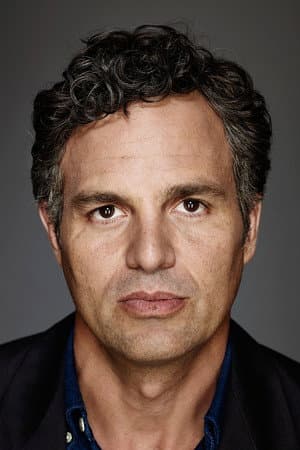
Mark Ruffalo is pushing back hard after Paramount Pictures accused him of making an “antisemitic” attack on the studio’s recent merger dealings. In a sharply worded response, the actor - best known for Shutter Island and his role as the Hulk in the Marvel Cinematic Universe - called the studio’s characterization “appalling and fundamentally dishonest.”
The war of words erupted earlier this week when Ruffalo publicly criticized the terms of Paramount’s proposed corporate merger, suggesting the arrangement would concentrate too much power in the hands of a few wealthy individuals. The studio fired back quickly, issuing a statement that labeled Ruffalo’s remarks as antisemitic, a charge that has ignited a firestorm across Hollywood and on social media.
Ruffalo, however, is not backing down. In a statement released late Wednesday, the two-time Oscar nominee rejected the allegation outright, framing it as a deliberate attempt to deflect from legitimate criticism. “To smear my concerns about corporate consolidation as antisemitic is appalling and fundamentally dishonest,” he wrote. “It’s a tactic meant to silence dissent and distract from the real issues at stake - who controls our cultural institutions and to what end.”
The actor’s initial comments came amid a broader debate over the proposed merger, which would reshape the entertainment landscape and put significant creative and financial control under a single corporate umbrella. Ruffalo has long been vocal about labor rights, corporate ethics, and the concentration of media ownership, often using his platform to speak out on economic and social justice issues. His latest remarks were no exception, but the pushback from Paramount raised the conflict from a routine political spat to a full-blown industry scandal.
Paramount’s original statement, released earlier in the day, accused Ruffalo of trafficking in “classic antisemitic tropes” by implying that a small group of powerful financiers - several of whom are Jewish - were orchestrating the merger for their own benefit. The studio argued that such framing invoked dangerous historical stereotypes about Jewish control of global finance and media. “We strongly reject any suggestion that the merger is the work of a shadowy cabal,” the statement read. “This kind of rhetoric has no place in our industry.”
Ruffalo responded by insisting his critique was about power, not ethnicity. He pointed out that he has never referenced anyone’s religion or background and that his concerns are rooted in policy and transparency. “The issue is about unchecked billionaires acquiring too much influence over what we watch and how storytellers work,” he said. “That’s not a Jewish issue. That’s a democratic issue.”
The dispute has divided observers in Hollywood. Some industry figures have rallied behind Ruffalo, noting his long history of activism on behalf of working-class and underrepresented communities. Others have sided with Paramount, arguing that public figures must be careful not to stoke conspiracy theories, even inadvertently, especially in an era of rising antisemitism worldwide.
Legal and PR experts say the fallout is unlikely to harm Ruffalo’s career in the long run - his reputation as a principled liberal actor is well established - but the exchange marks a rare instance of a major studio directly accusing a high-profile star of bigotry. Typically, such disputes stay behind closed doors, resolved through agents and lawyers. That this one has gone public suggests both sides feel they have something to gain from the fight.
Paramount has not issued a further response to Ruffalo’s latest statement as of this writing, but sources inside the studio say leadership is preparing a formal rebuttal. Meanwhile, Ruffalo’s representatives have indicated the actor is willing to engage in a “fact-based, respectful” conversation about the merger’s details, but will not retract his core criticism.
The merger itself remains in regulatory review, with government officials expected to rule on its approval in the coming months. In the meantime, the battle over its public perception has taken a personal turn, pitting one of cinema’s most beloved stars against one of its oldest studios.
Observers note that the incident also underscores a growing pattern in entertainment politics: as studios consolidate, artists are becoming more vocal about the structural forces shaping their industry. Ruffalo’s comments, however messy, reflect a wider anxiety among creatives about who ultimately decides which stories get told.
For now, the actor appears resolute. “I won’t be bullied into silence,” he said. “The truth matters more than comfort.”
Representatives for Ruffalo declined to comment further on this story, citing ongoing discussions. Paramount also declined to elaborate beyond its earlier statement. The film community is watching closely, waiting to see whether this clash becomes a flashpoint for broader debates about power, accountability, and prejudice in the entertainment business.
Source: Variety