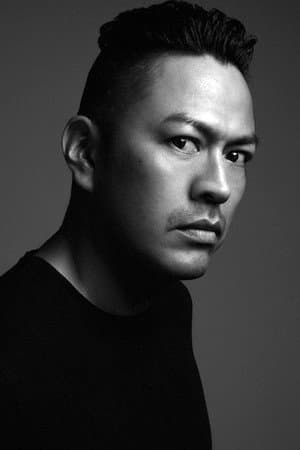
Miss Navajo Musical in Works from Billy Luther, Raye Zarag
Director
Billy Luther
Advertisement
Director Billy Luther and singer-songwriter Raye Zaragoza team up for a 'Miss Navajo' musical, bringing Navajo culture to the screen in an exclusive new
A stage musical adaptation of the acclaimed documentary Miss Navajo is moving forward, with filmmaker Billy Luther and singer-songwriter Raye Zaragoza attached to lead the creative team. The project was announced exclusively through USA Film News, marking a significant expansion of the story’s reach from screen to stage.
Luther, who directed the original 2007 documentary, will helm the musical. Zaragoza, known for her folk-infused storytelling and Indigenous activism, will contribute original music and lyrics. The collaboration brings together two Navajo artists with deep roots in the community, aiming to honor the film’s cultural specificity while reimagining it for live audiences. Further details on the production timeline, casting, or a premiere venue have not yet been disclosed.
The original Miss Navajo documentary centered on the annual Miss Navajo Nation pageant, a competition far removed from conventional beauty contests. Rather than focusing solely on appearance, participants must demonstrate practical skills like sheep butchering, fry bread making, and fluency in the Navajo language. Luther’s lens captured the resilience of young Diné women navigating the balance between tradition and modernity, a theme that will presumably carry into the musical format.
Luther is perhaps best recognized in recent years for his work on the hit series Dark Winds, the AMC drama based on Tony Hillerman’s Leaphorn and Chee novels. That show, which features a largely Navajo cast and crew, has drawn praise for its authentic portrayal of life on the reservation. Luther’s involvement in Miss Navajo as a stage director signals a continued commitment to stories told from within Indigenous perspectives, rather than through an outside gaze.
Zaragoza’s appointment as composer-lyricist is notable for its genre-crossing potential. The artist, whose songs have addressed everything from pipeline protests to personal identity, has built a following for her evocative acoustic sound but has never before scored a full-length musical. Her task will be to translate the documentary’s observational tone into song, a challenge that requires finding music in quieter moments - the weight of a butcher knife, the cadence of a prayer, the laughter between contestants backstage.
The decision to adapt a nonfiction film into a musical is not unprecedented, but it is rare. Documentaries usually lack the overt theatricality that drives stage musicals, yet Miss Navajo offers built-in dramatic structure: the pageant itself, with its competition arcs and emotional stakes, naturally lends itself to acts and scenes. What remains uncertain is how the production will handle the pageant’s most visceral elements, including the slaughtering of a sheep, a moment that was both shocking and revered in the film.
For Navajo audiences, the musical’s development carries particular weight. Representation of Diné culture in mainstream entertainment has historically been scattered, often filtered through non-Native creators. Luther and Zaragoza’s involvement ensures that the project will be guided by people who grew up within the traditions being depicted. That authenticity was a hallmark of the original film, which won multiple festival awards and aired on PBS’s Independent Lens.
The timeline for the musical’s development remains unclear, as no workshops, readings, or opening dates have been announced. Given the complexity of mounting a new Broadway-style production, it could be several years before audiences see it fully staged. Regional theater or off-Broadway runs are plausible early steps, though no commitments have been made public.
Luther’s dual role as director of both the film and the stage adaptation gives him a unique vantage point. Having already shaped the story once, he now has the opportunity to reinterpret it for a different medium, one that allows for heightened emotion and live musical expression. Whether he will adapt the documentary’s vérité style into something more stylized remains to be seen.
Zaragoza, for her part, brings a contemporary voice that may update the story’s relevance. The original film touched on issues of language loss and cultural preservation, topics that have only grown more urgent in the nearly two decades since. Songwriting offers a vehicle for those themes to resonate with younger audiences who might never watch a slow-paced documentary from 2007.
The announcement adds to a growing wave of Indigenous-led theatrical projects, though such works still remain marginal within the broader Broadway landscape. Miss Navajo has the potential to carve out a niche, particularly if it follows the model of other culturally specific musicals that found success by leaning into their uniqueness rather than watering it down.
As of now, no additional creative team members - choreographer, music director, book writer - have been named. The project appears to be in its earliest stages, with Luther and Zaragoza serving as the foundational pair. Both have expressed dedication to the source material, though their public statements have been limited to confirming their participation.
For fans of the documentary, the musical represents a chance to revisit beloved stories with fresh eyes and ears. For newcomers, it offers an entry point into a world that many Americans have never encountered. Either way, the project underscores a simple truth: a story about young Navajo women competing to preserve their heritage has universal appeal, and now it will have songs to match.
Source: Variety
Advertisement
Advertisement