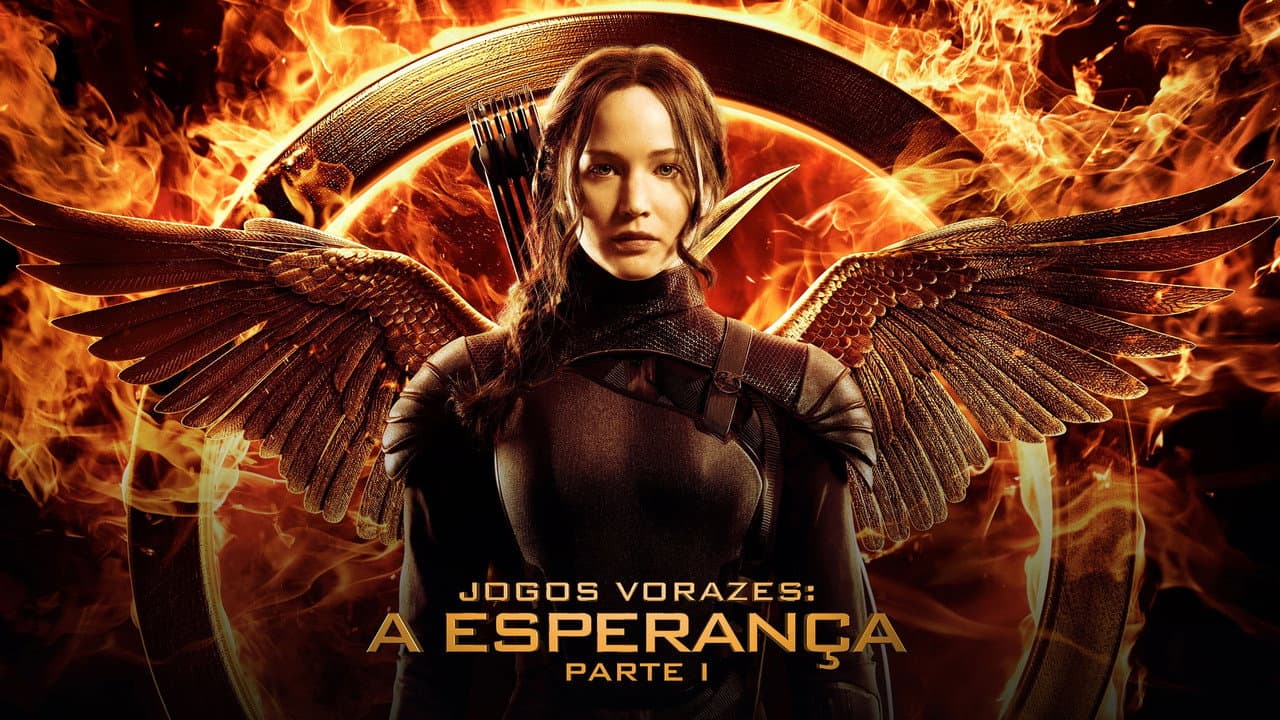
The producer behind the "Hunger Games" franchise has acknowledged that splitting "Mockingjay" into two films was a misstep, conceding that Suzanne Collins' final novel would have worked better as a single theatrical release. The admission arrives more than a decade after "The Hunger Games: Mockingjay - Part 1" opened in theaters on November 19, 2014, and it reopens a debate that has followed the YA adaptation boom ever since.
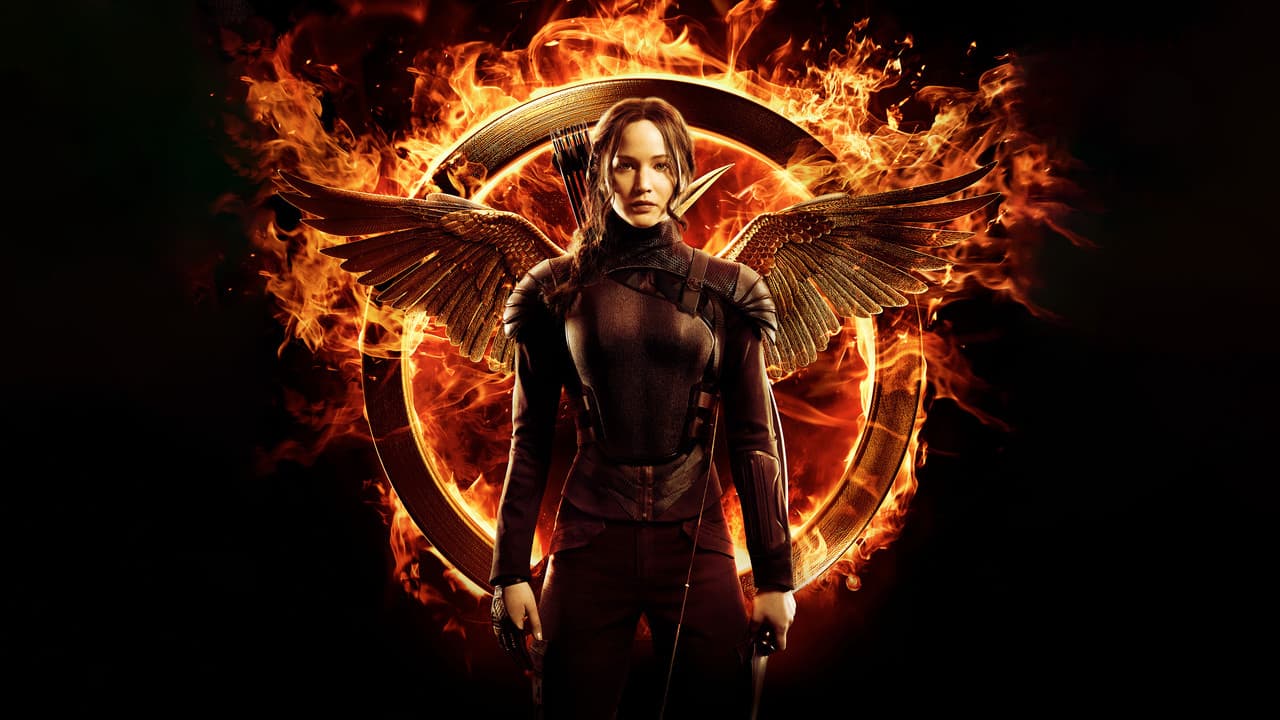
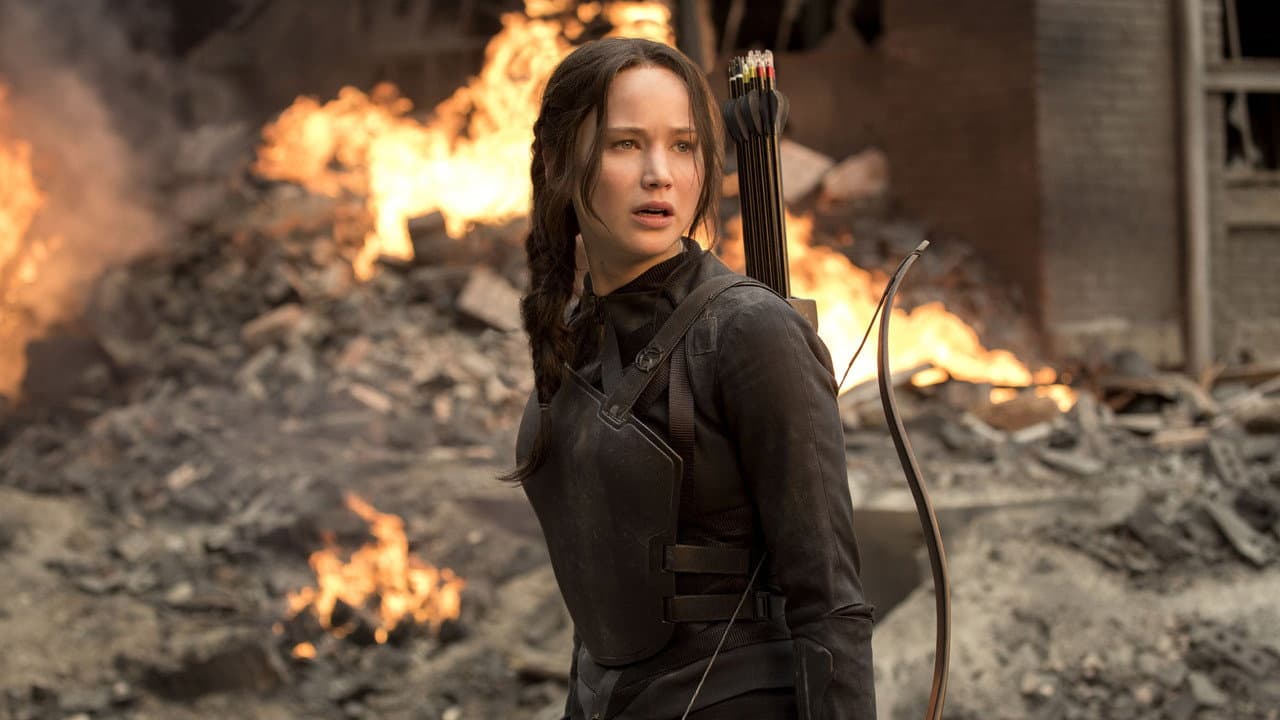
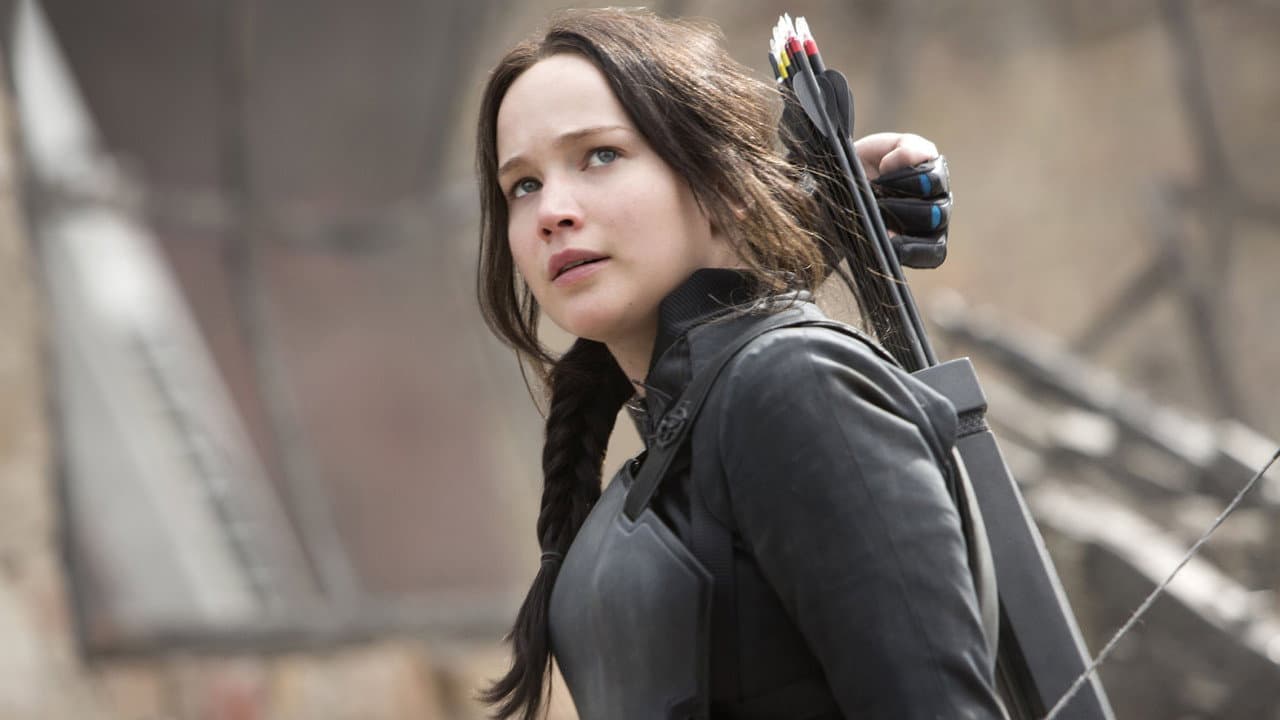
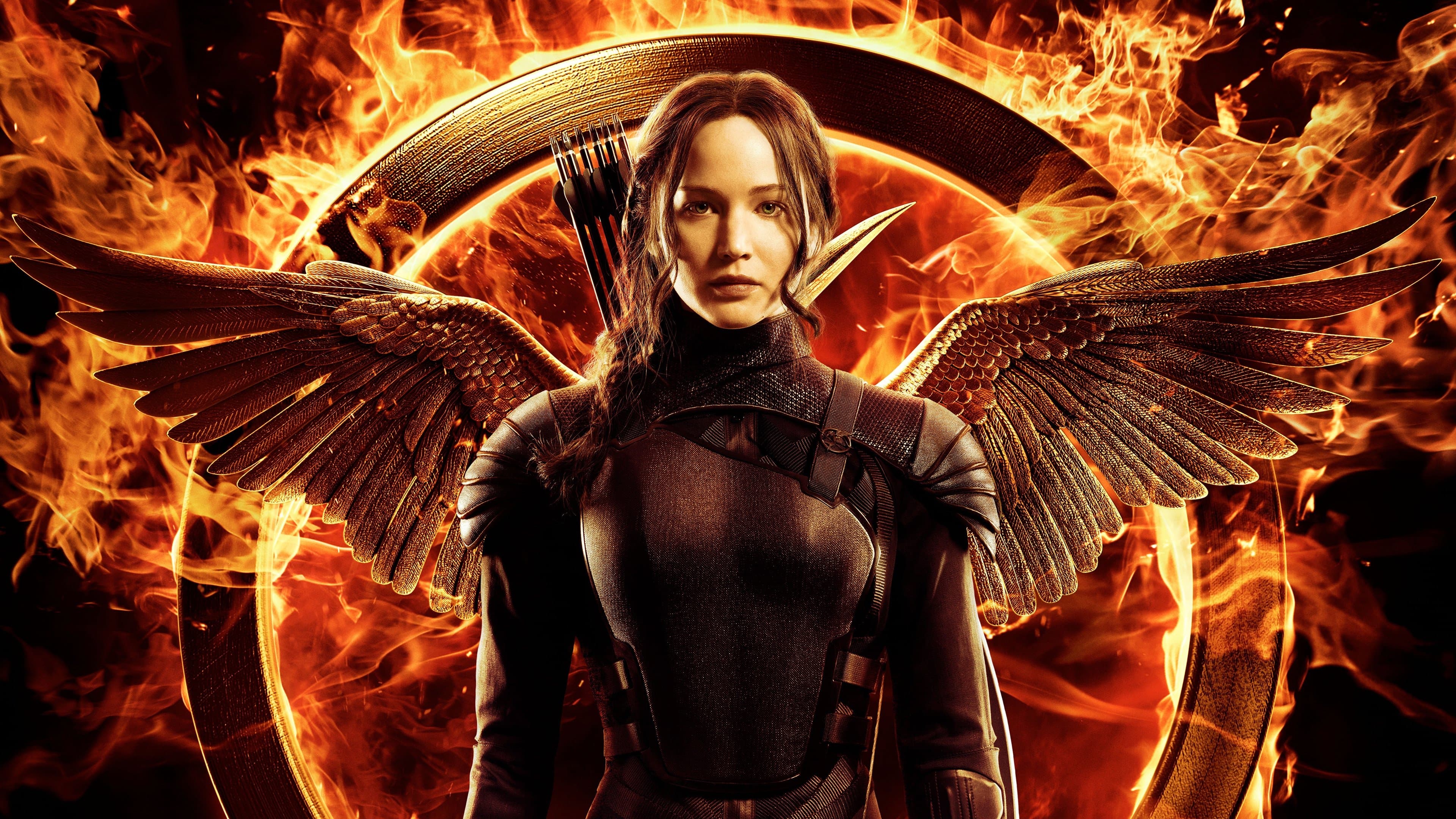
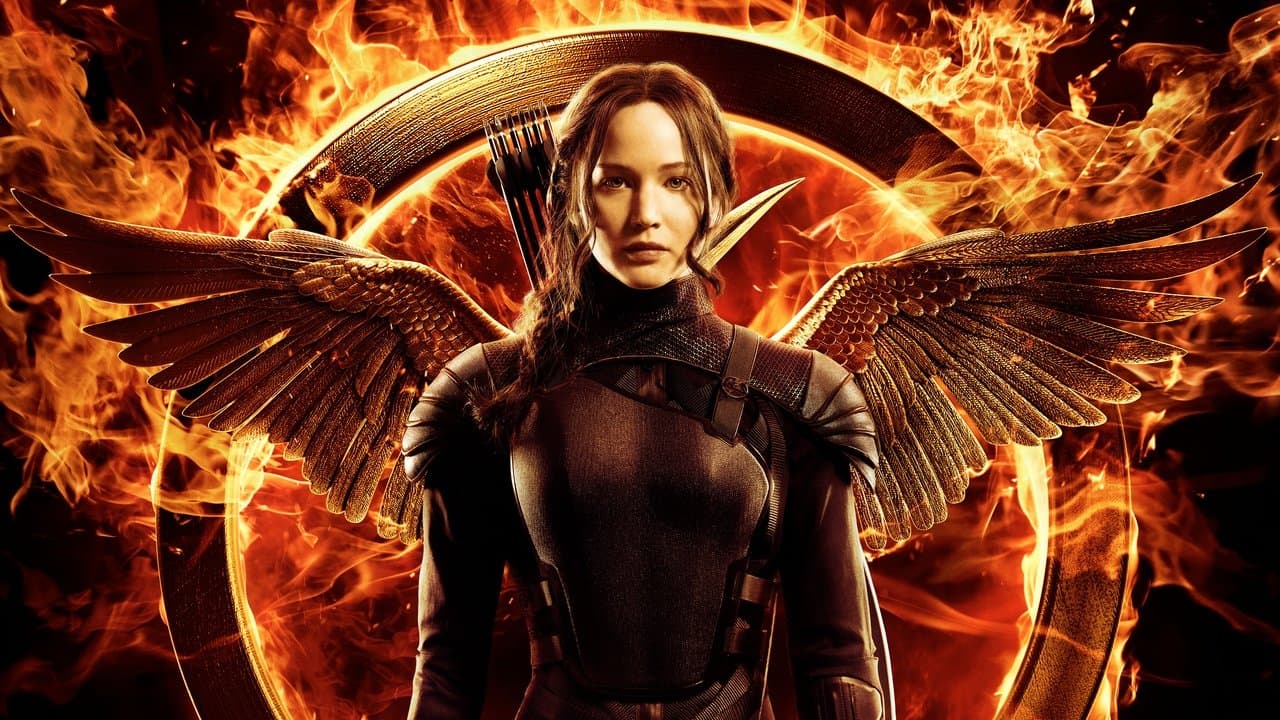
The film, directed by Francis Lawrence, follows Katniss Everdeen after she survives the Quarter Quell and finds refuge in the underground stronghold of District 13, where the rebellion against the Capitol is gathering strength. Burdened with her role as the symbol of resistance, she must balance fragile political alliances against her determination to protect the people she loves while propaganda battles intensify and Panem edges toward all-out war.
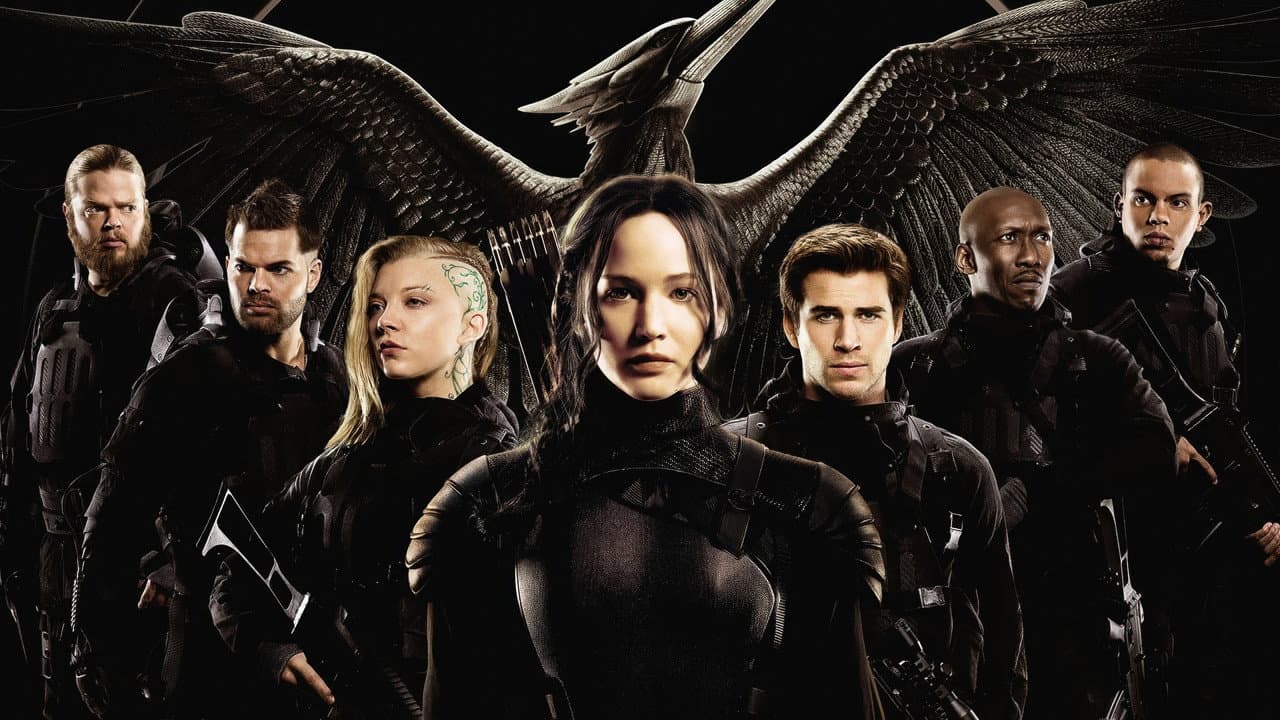
Jennifer Lawrence leads the cast as Katniss, joined by Josh Hutcherson as Peeta Mellark, Liam Hemsworth as Gale Hawthorne, Woody Harrelson as Haymitch Abernathy and Elizabeth Banks as Effie Abernathy. Julianne Moore appears as President Alma Coin, with the late Philip Seymour Hoffman as Plutarch Heavensbee and Jeffrey Wright as Beetee Latier rounding out the ensemble. The film runs 123 minutes and carries a TMDb rating of 6.816/10 alongside an IMDb score of 6.6, numbers that place it below the reception of the franchise's earlier installments.
The Two-Part Strategy and Its Legacy
The decision to divide Collins' novel mirrored a strategy Hollywood applied widely in the mid-2010s, when studios routinely stretched the final chapters of popular book series across two release dates. The approach paid off handsomely for some properties, but "Mockingjay" became a frequent reference point for its downsides: a first half widely seen as setup-heavy, with its most dramatic payoffs deferred to the concluding chapter. The producer's concession echoes a broader reconsideration of that trend within the industry, where executives have since spoken more cautiously about stretching source material thin.
Adapting the source material faithfully presented its own challenges, since Collins' novel devotes substantial space to Katniss' psychological strain and the mechanics of media warfare rather than open combat. Those elements are central to the story's themes but translate awkwardly into a standalone blockbuster narrative, which critics at the time identified as a structural weakness of the split.
A Moment of Reassessment
The producer's remark lands as the franchise's original run continues to be revisited by a new generation of viewers encountering the series on streaming platforms. The "Hunger Games" films helped define the dystopian YA wave of the 2010s and made Jennifer Lawrence one of the era's most bankable stars. Yet "Mockingjay - Part 1" has long stood apart from its predecessors in retrospectives of the series, and the producer's honesty about the two-film decision adds a candid postscript to that history.
For the filmmakers involved, the split also shaped how the concluding chapter had to be constructed. "Mockingjay - Part 1" devotes much of its runtime to establishing District 13's propaganda apparatus and Katniss' uneasy transformation into the Mockingjay, material that functions as a prelude to the climactic installment. Seen in hindsight, that division of labor looks like a structural gamble that the creative team now regards as unnecessary.
The disclosure also invites reflection on what a single-film "Mockingjay" might have looked like: a leaner adaptation running closer to the length of the franchise's earlier entries, with Katniss' arc from reluctant symbol to revolutionary compressed into one continuous narrative. Whether such a version would have improved the film's mixed critical standing is impossible to say, but the producer's acknowledgment signals that the question is no longer purely hypothetical inside the franchise's own camp.
For fans, the news offers a rare instance of a studio-side figure publicly second-guessing a decision that shaped a beloved series. It also serves as a case study for how franchise economics can override narrative logic, a tension that has only grown more pronounced as studios continue to weigh how to adapt finite source material into multi-film properties. "Mockingjay" remains available to revisit in its two-part form, though audiences now have the producer's own word that one film might have told the story more effectively.
Source: The Hollywood Reporter