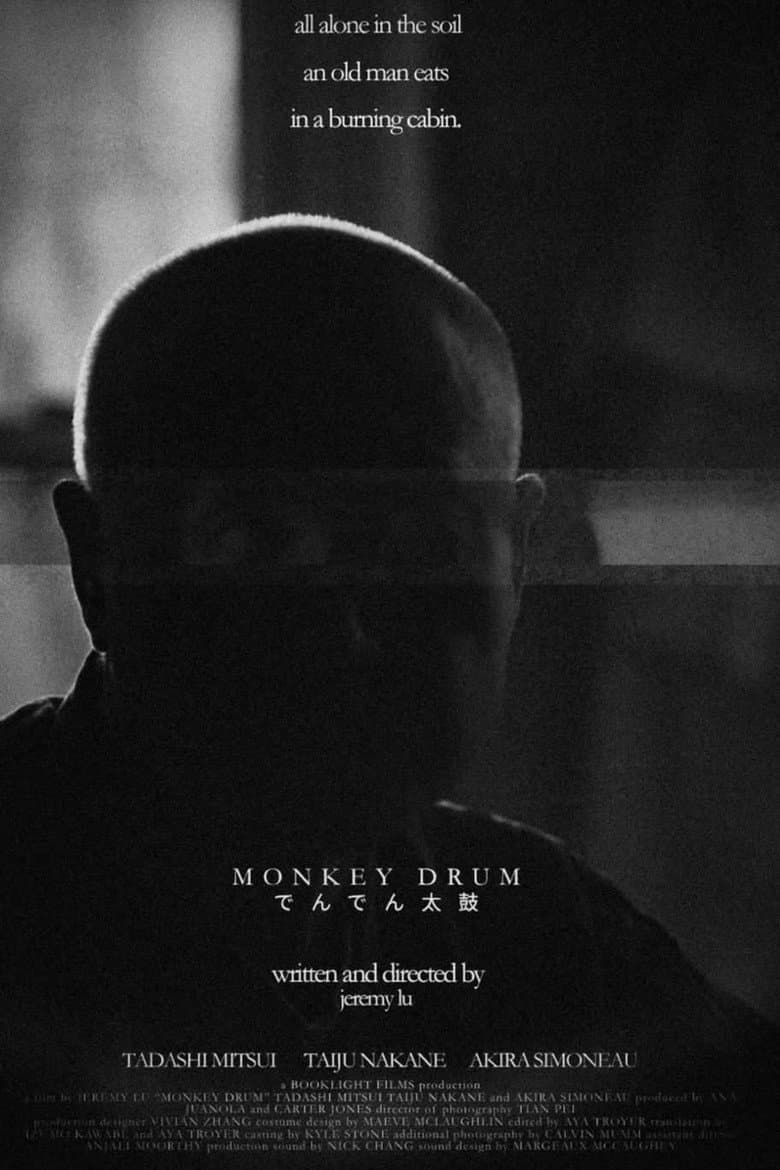
It’s a strange, unsettling thing to walk into a screening with zero expectations and leave with your skin crawling. That’s the precise effect “Monkey Drum,” the new 16-minute horror short from director Jeremy Lu, had on the audience at its midnight premiere. And now, with its official release landing today, August 9, 2026, the rest of the world can finally experience this compact, folk-inflected nightmare. Forget your jump-scare factory products; this is a slow-burn dread machine that gets under your skin and stays there.
Release Date & Where to Watch
“Monkey Drum” officially releases today, Friday, August 9, 2026. As a short film, its distribution path is a bit more niche than a wide theatrical rollout. For now, the primary destination is the festival circuit, with the film currently traveling to select genre and independent film festivals throughout the late summer and fall. If you’re not attending one of those screenings, the safest bet is to keep an eye on major VOD and streaming platforms - specifically boutique horror services like Shudder or Screambox - which frequently pick up festival darlings of this ilk. Given the strong buzz from early festival word-of-mouth, a digital release announcement is likely imminent. Check the film’s official social media channels for the latest on VOD availability and any added theatrical dates in independent cinemas. For a film this atmospheric, catching it on a big screen with a receptive crowd is ideal, but even on a laptop, its oppressive sound design - more on that later - will do its damage.
Cast & Crew
Leading the charge behind the camera is director Jeremy Lu, a filmmaker whose previous shorts have quietly established him as a master of rural unease. With “Monkey Drum,” he narrows his focus to a trio of performers who carry the entire weight of the narrative with remarkable restraint. Tadashi Mitsui stars as Minato, our flawed protagonist, delivering a performance that slowly unravels from quiet confidence to quivering paranoia. Mitsui has a face that can hold a placid, almost blank expression, which makes the cracks that appear in it all the more disquieting.
He’s matched by Taiju Nakane as Isseki, a figure who feels like the film’s immovable, unsettling center - a local whose motives remain ambiguous until the final, chilling frame. Nakane brings a physical stillness to the role that is genuinely unnerving; he doesn’t need to raise his voice to command the scene. Rounding out the cast is Akira Simoneau as Jun, whose role as the connective tissue between the two men is crucial. Simoneau plays Jun with a wide-eyed innocence that feels like it’s about to be shattered at any moment, providing the film with its emotional vulnerability. The chemistry between the three is palpable; they feel like real people trapped in a situation that slowly becomes unreal.
Story & What to Expect
Without giving too much away - and this is a film best experienced with minimal foreknowledge - “Monkey Drum” centers on Minato, who arrives in a remote, unnamed village with a specific, seemingly mundane purpose. He’s seeking out Isseki, a reclusive figure who owns something Minato needs. The film’s title refers to a traditional, hand-crafted percussion instrument, a small wooden drum shaped like a monkey, that is integral to a local ceremony. But as Minato spends time in the village, he realizes that the drum isn’t just a musical instrument; it’s a key to a ritual that the locals take far more seriously than they let on.
The “overview” for the film is simply “a folk nightmare,” and that is the perfect descriptor. This is not a blood-soaked slasher; it’s a film about atmosphere, tradition, and the terrifying weight of cultural obligation. The horror is organic, rooted in the soil and folklore of the setting. Lu constructs dread through long, silent takes of the oppressive forest, the rhythmic, almost hypnotic sound of the drum itself, and the subtle, wrongness of the villagers’ behavior. There are no monsters in the traditional sense, but the human faces in this film become masks of something ancient and hungry. Expect a slow burn that builds to a single, devastating final shot that reframes everything you’ve just seen. The sound design is the film’s secret weapon; the titular drumming starts as a background hum and gradually becomes a heartbeat that seems to control the narrative’s pulse. You don’t just watch this film; you feel it in your chest.
Why It's Worth Watching
In an era where horror is often defined by elaborate mythology and multi-film arcs, there’s something incredibly refreshing and potent about a tight, 16-minute gut punch. “Monkey Drum” is that punch, delivered with surgical precision. It proves that you don’t need a massive budget or a sprawling runtime to create an unforgettable sense of dread. It’s a masterclass in suggestion - the most frightening things are the ones you don’t quite see, the rituals you don’t fully understand. For fans of folk horror classics like The Wicker Man or more recent gems like Apostle, this film hits the same primal notes but in a condensed, potent package.
Moreover, it showcases a trio of actors and a director operating at the top of their game within the short form. Jeremy Lu’s direction is confident and unpretentious; he trusts his audience to be patient and observant. The ending will leave you sitting in silence for a moment, letting the implications of the final frame wash over you. It’s the kind of film that lingers, sparking conversations and re-watches to catch the clues you missed the first time. “Monkey Drum” is a reminder that the short film format remains a vital and vibrant laboratory for horror’s most innovative voices. Do yourself a favor and track this one down. It’s a dark, beautiful, and deeply unsettling journey that you won’t soon forget.