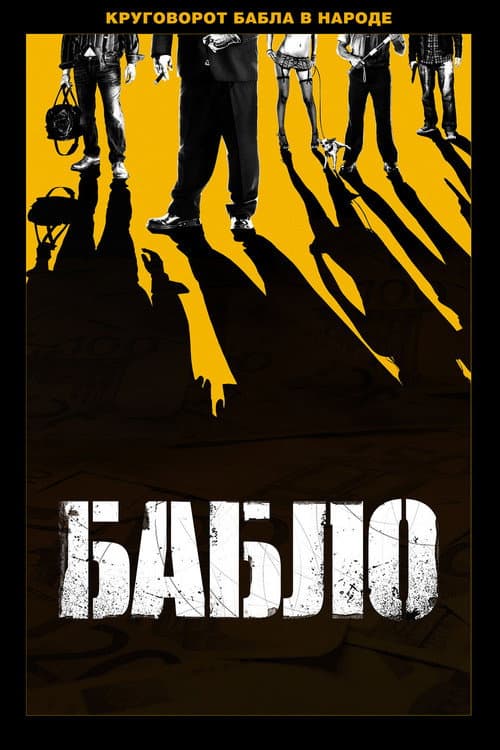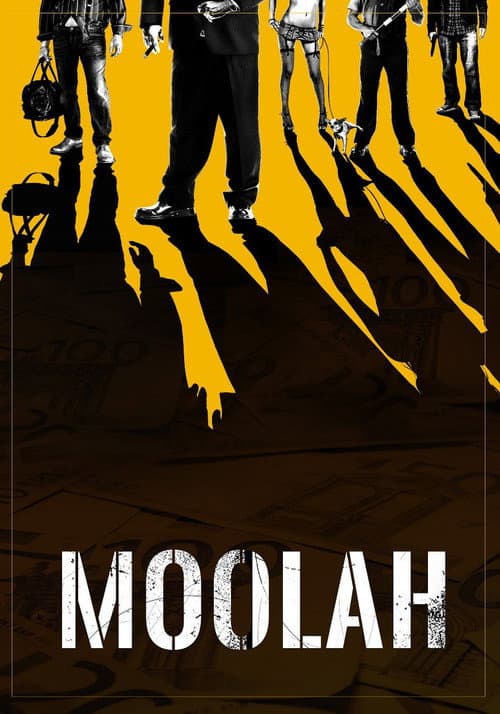



An organized crime reporter walks into a Moscow police station with a tape recorder and a plan - not to expose corruption, but to save his own sinking career. That’s the setup for Moolah, a 2011 Russian crime comedy that is generating fresh buzz this week as exclusive clips from the film surface ahead of its festival circuit push. Directed by Konstantin Buslov, the picture follows a journalist who stumbles onto a bag containing one million euros, stolen from the car of a wealthy businessman with dangerous connections, and decides to use the cash as leverage to reboot his professional life.
The film’s official synopsis places the action in present-day Moscow, where a single unclaimed bag of money ripples through a chain of hands, each new owner convinced they’ve hit the jackpot. The story begins with Grigory, a millionaire played by Kirill Safonov, who makes the fatal mistake of failing to declare his taxes. From that point, the cash becomes a character of its own, moving quickly from one “happy owner” to the next, as the synopsis puts it. The tone is deliberately light, leaning into the absurdity of sudden wealth and the instinctive greed it triggers.
Moolah clocks in at 88 minutes and premiered in Russia on October 13, 2011. The cast is led by Roman Madyanov as Vasily Kolyvanov, a police colonel who appears caught in the middle of the money’s chaotic journey. Yakiv Kucherevskyi plays Oleg, the reporter at the center of the narrative, while Maria Bersenyova takes on the role of Yana, a sex worker whose path crosses with the cash. The ensemble also includes Gia Gogishvili, Giorgi Gurgulia, Misha Meskhi, and Vladimir Sychev, each playing characters drawn into the orbit of the elusive euro bag.
The film’s logline, which reads “In 1991, Russia discovered big money. In 2011, money is everything,” frames the movie as a comic reflection on post-Soviet capitalism and the moral shortcuts it inspires. Buslov, known for his work in Russian television and film, directs with a brisk pace, treating the money’s handoffs as a series of darkly funny vignettes. The clips now circulating highlight the reporter’s desperation, his voice-over narration suggesting a man who has seen too many stories go cold and is willing to manufacture his own break.
What makes Moolah stand out in the crowded crime-comedy space is its willingness to treat a stolen fortune as a device for social satire rather than a simple heist plot. The money corrupts everyone it touches, but the film keeps its tone buoyant, avoiding heavy moralizing. The reporter’s scheme, as teased in the exclusive footage, involves transforming a routine police case into a front-page exclusive, but his plans quickly unravel as rival claimants emerge, each with their own sense of entitlement.
The production was originally released in Russian, and its industry listing under “Hollywood” reflects its distribution ambitions beyond its home market. The film’s TMDb rating sits at 5.259 out of 10, suggesting a mixed reception from audiences, though its cult appeal in the comedy-crime niche has kept it in rotation at retrospectives and streaming platforms that favor offbeat international fare.
For fans of the genre, the clips offer a glimpse of the film’s visual style - gritty Moscow locations, neon-lit interiors, and a cast of characters who seem perpetually on the verge of either victory or humiliation. Madyanov’s colonel brings a weary authority to the proceedings, while Bersenyova’s Yana appears to be the only character who understands the money’s true cost. The dynamic between the reporter and the police officer is central to the film’s comic tension, with each trying to outmaneuver the other while both pursue the same bag.
The exclusive Venice clips, now making the rounds, emphasize the film’s dialogue-driven humor and its quick-cut editing, which gives even mundane conversations a sense of urgency. One standout moment shows Oleg pitching his story to an editor, only to be interrupted by a phone call that sends him chasing another rumor. Another scene captures the money’s first transfer, a handoff that goes wrong in exactly the way the audience expects but still lands with a laugh.
Release details for any potential re-release or streaming debut have not yet been confirmed, but the renewed attention from the festival circuit suggests that distributors may be circling for a second window. For now, Moolah remains a snapshot of early 2010s Russian cinema - sharp, cynical, and unafraid to laugh at the very systems that produced it. As the clips make clear, the film’s real subject isn’t the money itself, but the stories people tell themselves about what money can buy.
Source: The Hollywood Reporter