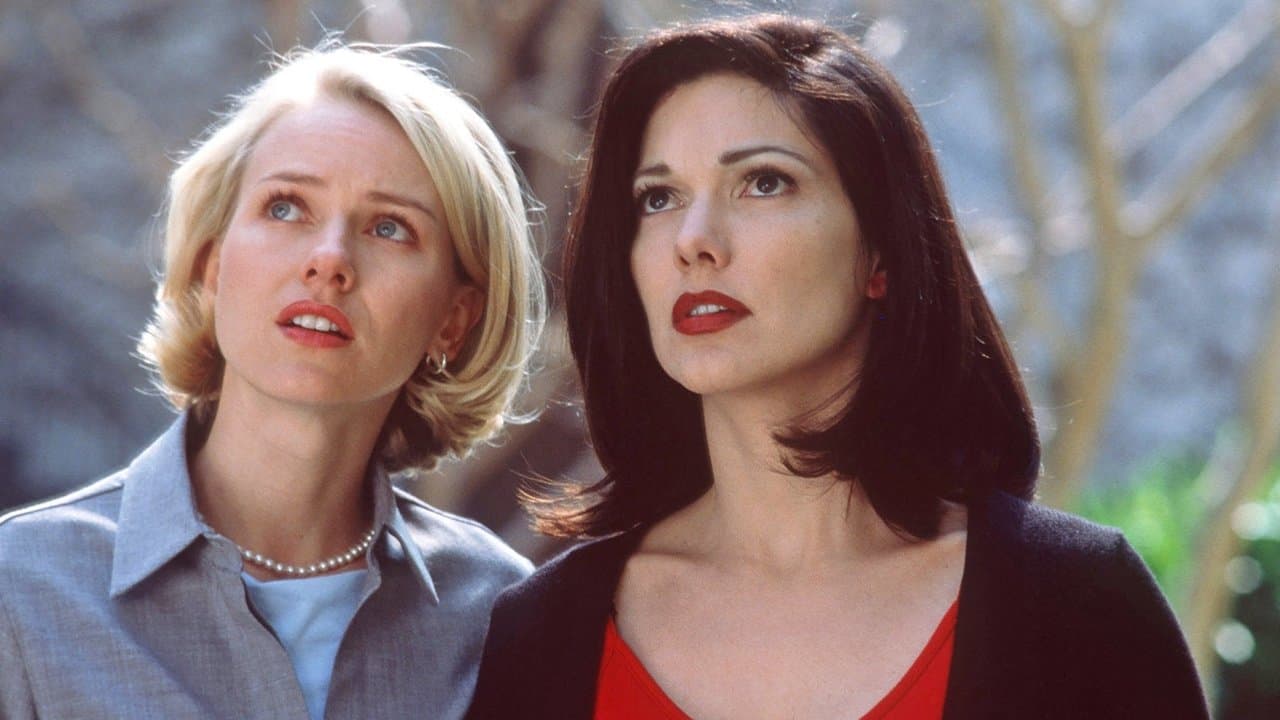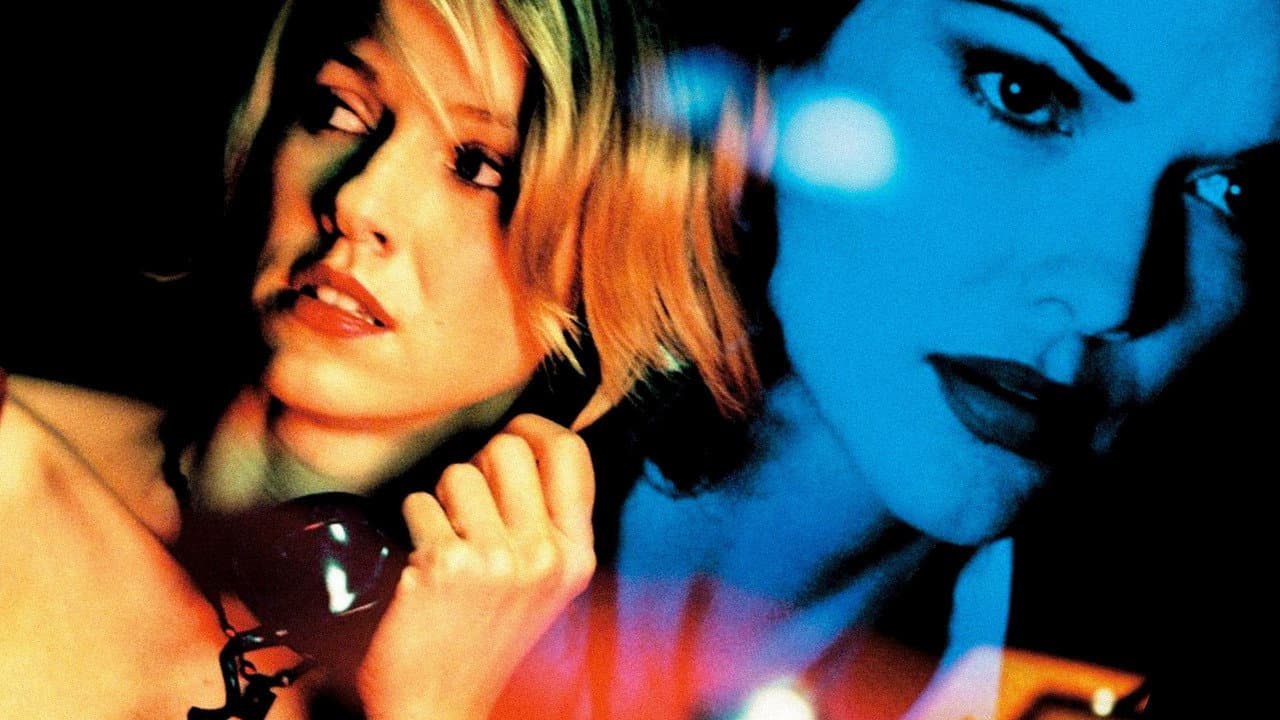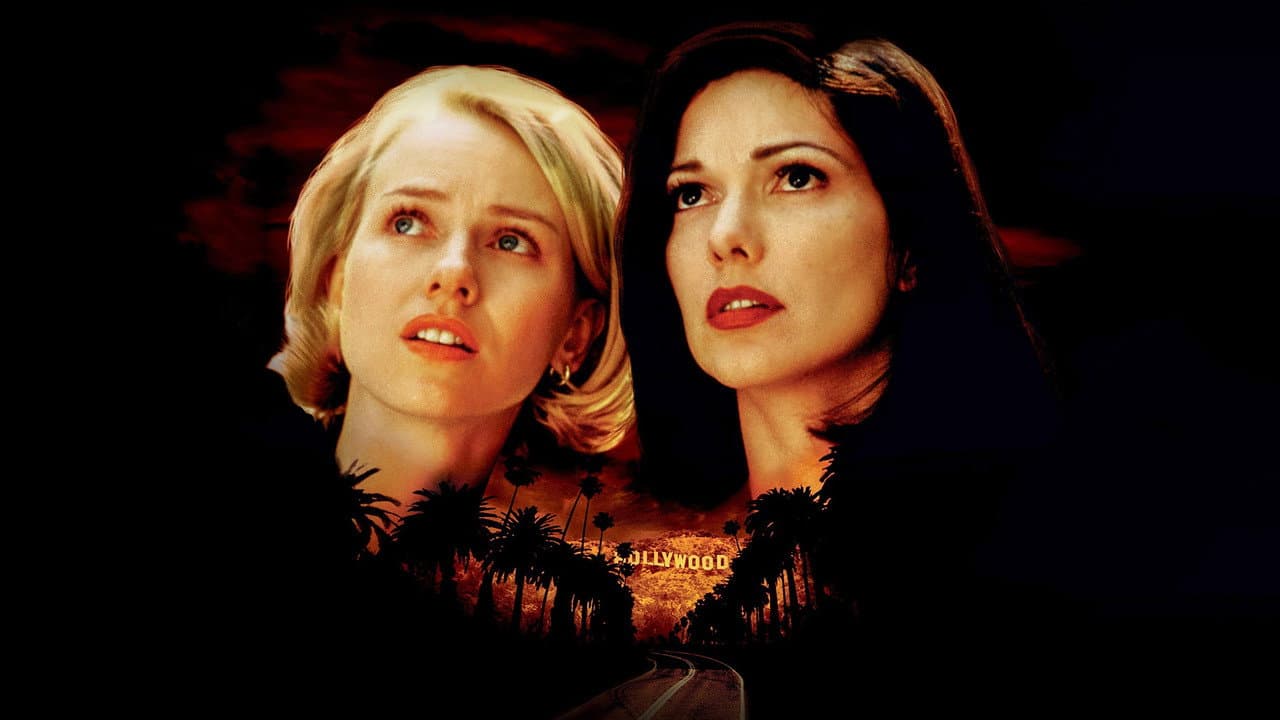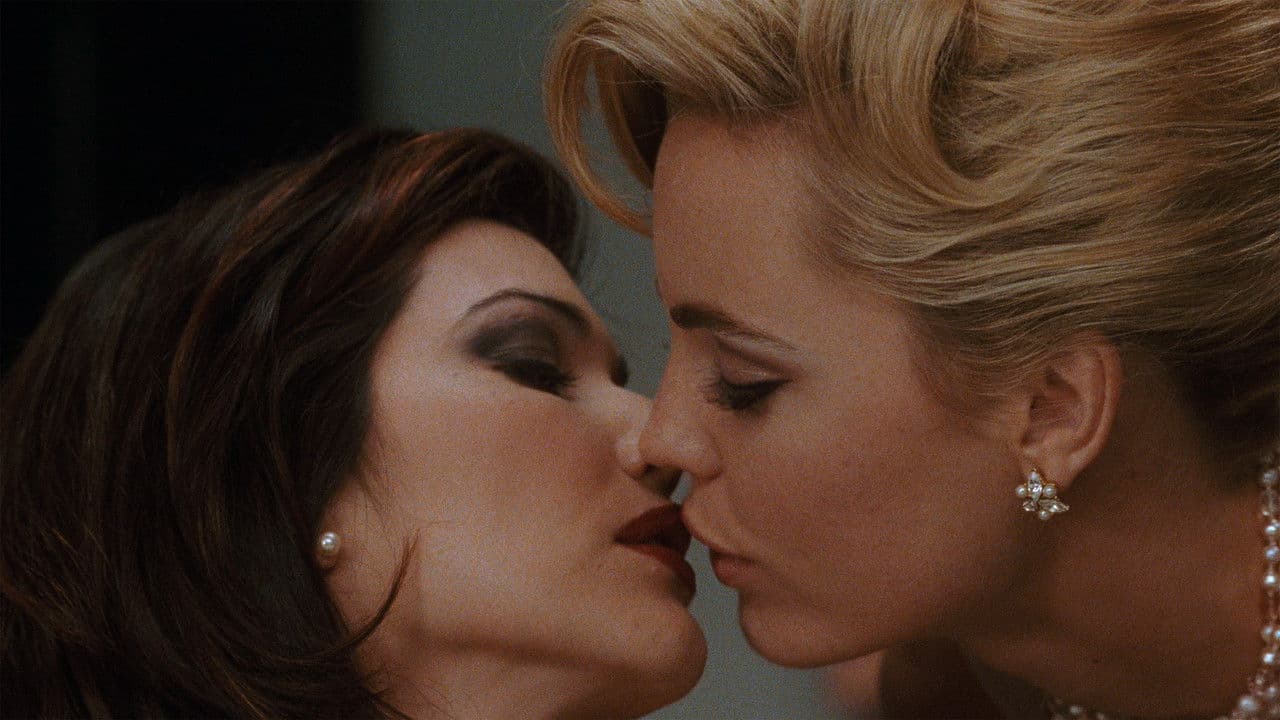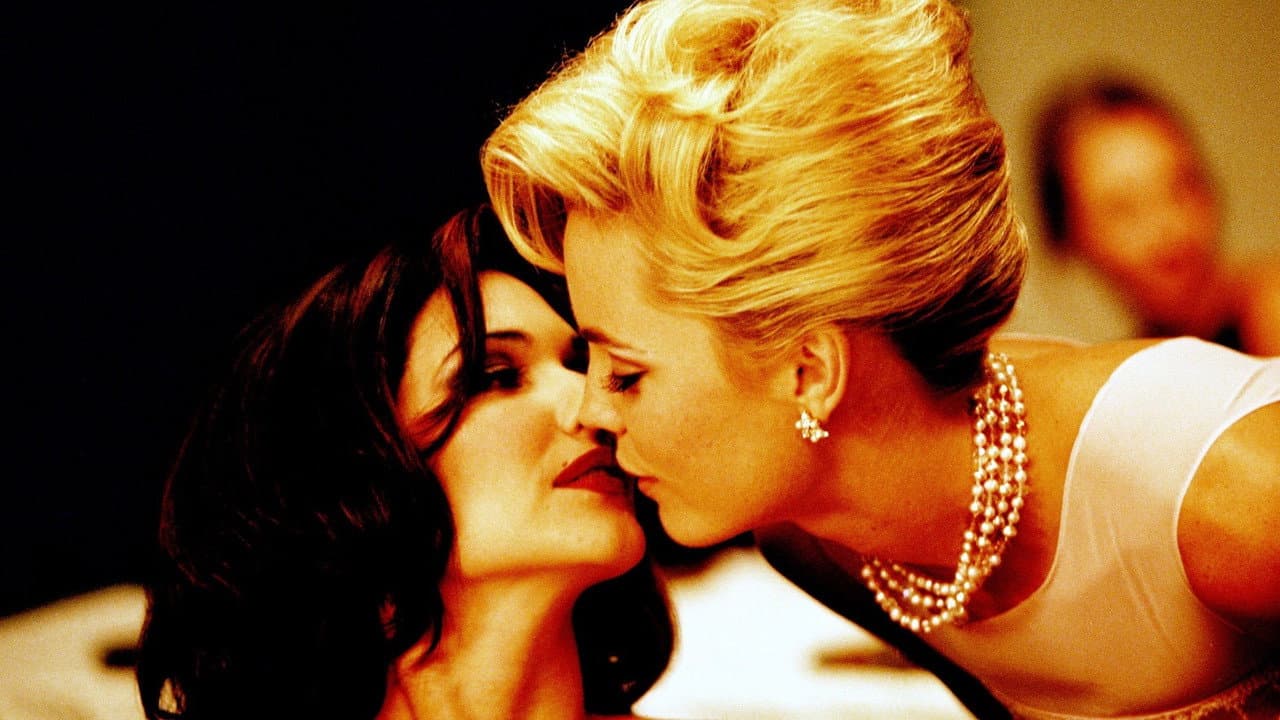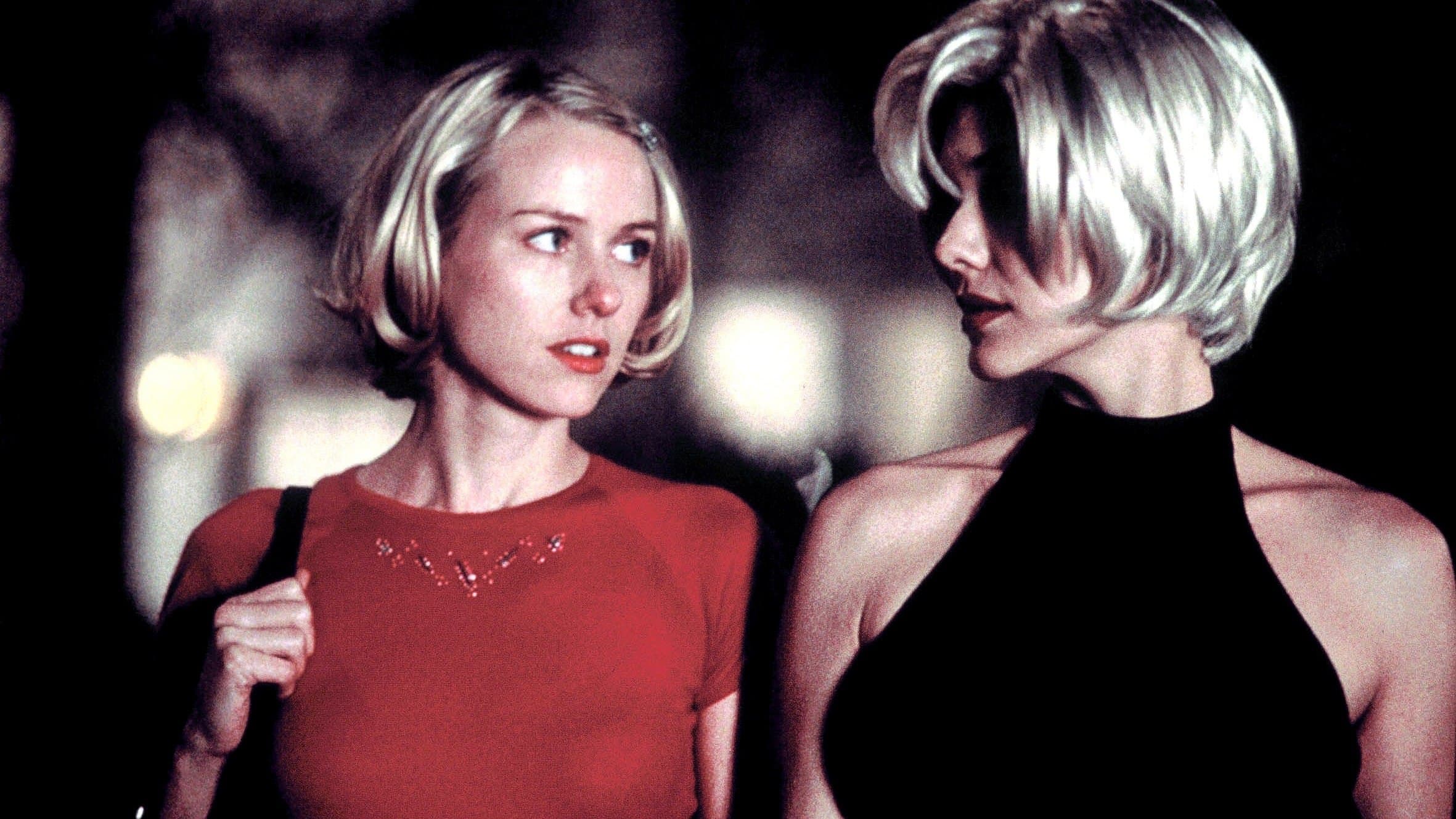
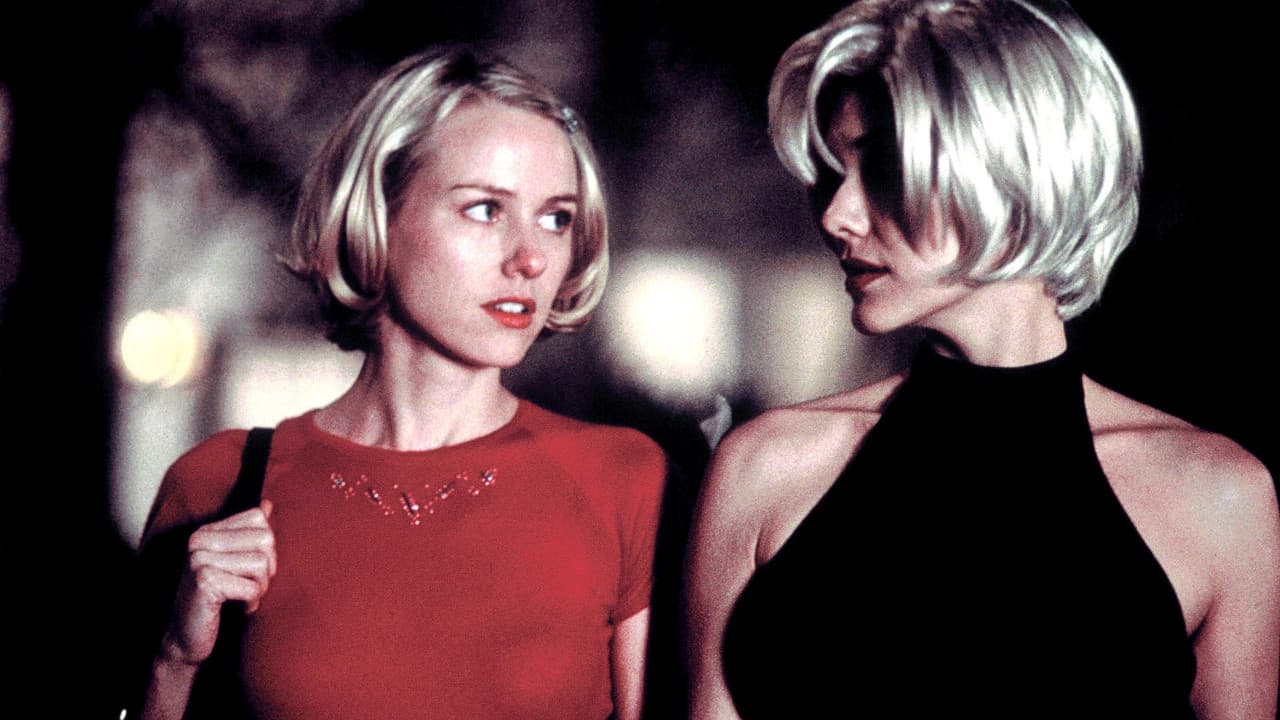
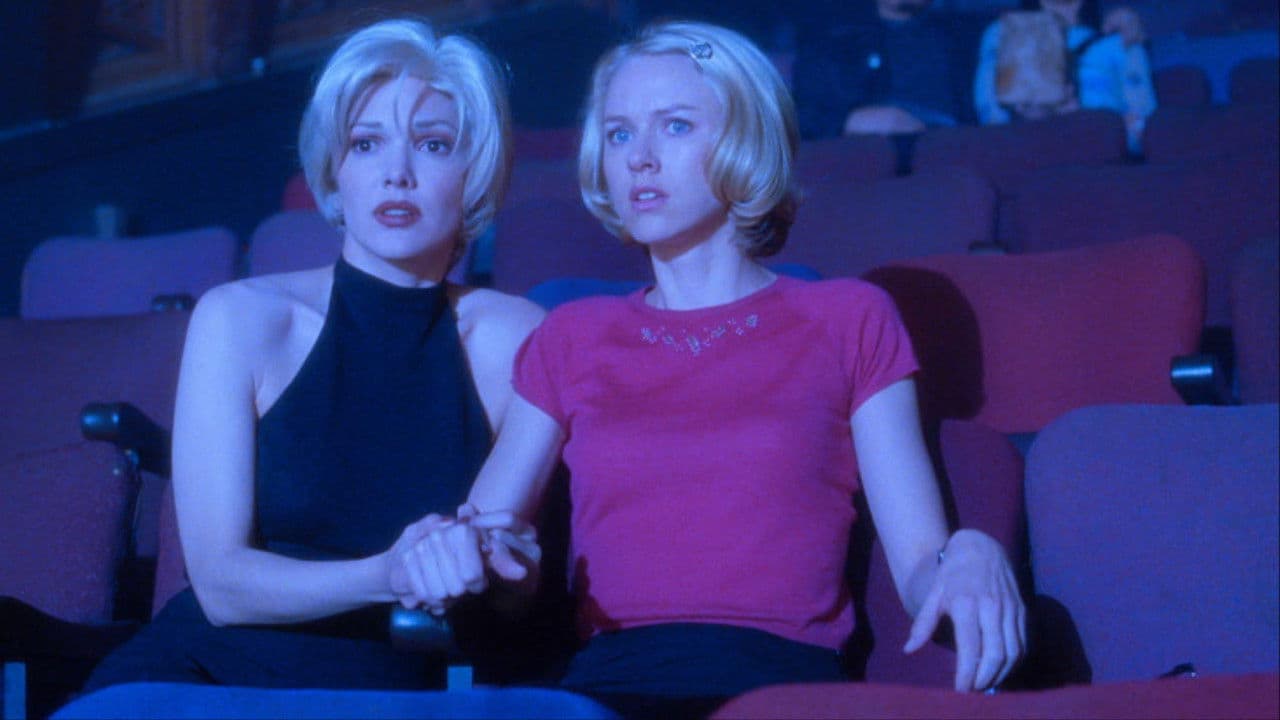
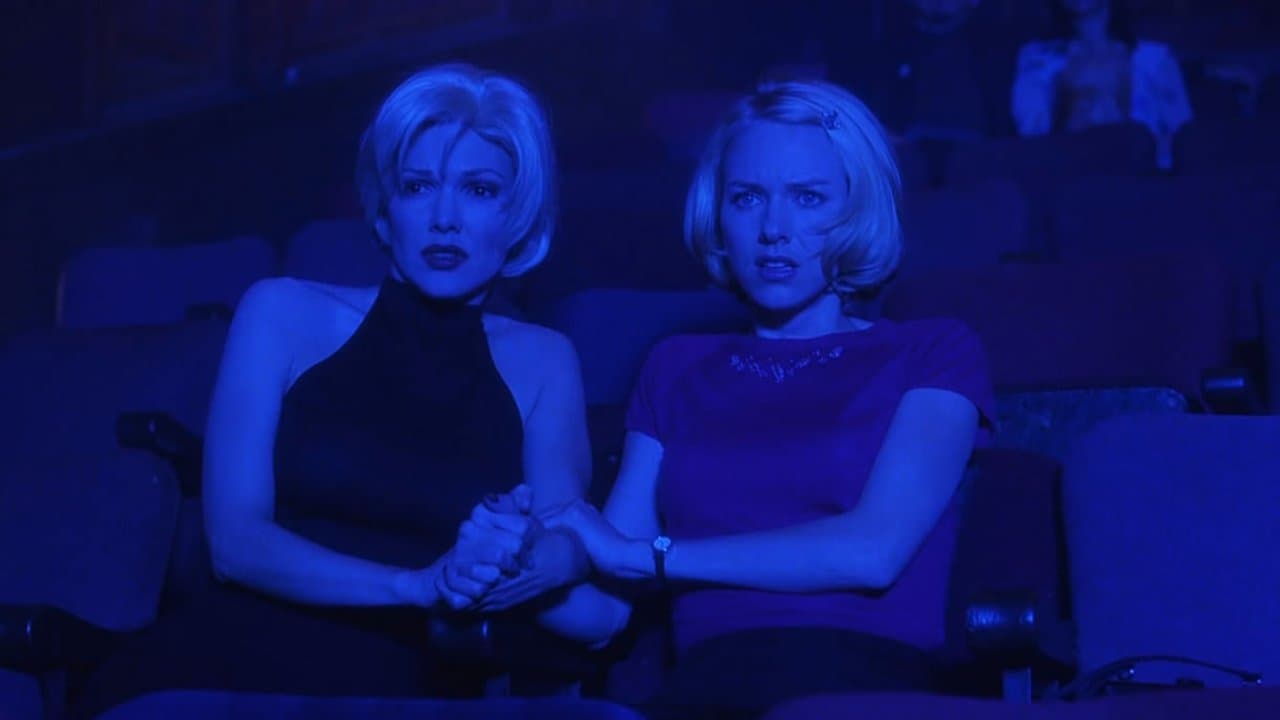
Twenty-five years after it premiered at the Cannes Film Festival, David Lynch's "Mulholland Drive" remains a touchstone for cinephiles, and the Toronto International Film Festival is set to honor its legacy with a special anniversary screening. The film, which first hit theaters on June 6, 2001, introduced audiences to Naomi Watts in a career-defining dual role and confounded viewers with its dreamlike narrative about Hollywood's dark underbelly. According to festival organizers, the TIFF event will include a restored print and a conversation with key cast members, though details are still being finalized.
The movie's official logline describes its central mystery: "Blonde Betty Elms has only just arrived in Hollywood to become a movie star when she meets an enigmatic brunette with amnesia. Meanwhile, as the two set off to solve the second woman's identity, filmmaker Adam Kesher runs into ominous trouble while casting his latest project." That deceptively simple premise unfolds into a labyrinthine thriller that blends drama and mystery across a 147-minute runtime. Watts stars as both Betty Elms and Diane Selwyn, while Laura Harring appears as Rita and Camilla Rhodes. The supporting cast includes Justin Theroux as Adam, Ann Miller as Coco, Mark Pellegrino as Joe, Robert Forster as Detective McKnight, Dan Hedaya as Vincenzo Castigliane, and Angelo Badalamenti as Luigi Castigliane.
A Quarter-Century of Influence
When "Mulholland Drive" arrived in 2001, it was neither a conventional studio release nor an easy sell. Lynch, already known for "Blue Velvet" and "Twin Peaks," had originally shot the material as a television pilot before reshaping it into a feature. The result earned him a Best Director prize at Cannes and an Academy Award nomination for Best Director. Watts, meanwhile, went from relative unknown to sought-after leading lady - a trajectory that the film itself seems to anticipate through Betty's wide-eyed arrival in Los Angeles. The TMDb rating of 7.799 out of 10, based on thousands of user votes, suggests that the film's reputation has only solidified with time. It is a Hollywood production, shot in English, and it remains firmly rooted in the industry it critiques.
Harring's performance as the amnesiac Rita provides the film's emotional anchor, while Theroux's frazzled director injects moments of absurdist humor. Scenes featuring Miller as Coco, the nosy landlady, and Badalamenti - Lynch's longtime composer - as a menacing casting executive have become fan favorites. The plot's pivot points, including a terrifying encounter behind a diner and a haunting club sequence, are frequently cited in critical discussions of Lynch's oeuvre. None of that would work without Watts, whose portrayal of both an aspiring ingenue and a woman undone by jealousy is often described as one of the finest performances of the 2000s.
Toronto's Tribute and the Film's Afterlife
TIFF's decision to spotlight "Mulholland Drive" fits a broader pattern of revisiting millennial cinema that has shaped the festival in recent years. Toronto has long served as a launchpad for awards-season contenders, but its retrospective programming has grown more ambitious, pairing restored classics with panels that examine their production histories. For a generation of viewers who discovered the film on home video or streaming, the chance to see it projected - with its unsettling sound design and shadowy cinematography intact - offers a different experience. The film's original Cannes premiere predated its North American rollout, and its initial box office was modest; however, its cultural footprint expanded through critical essays, film school syllabi, and endless online theorizing about what actually happens to Betty and Rita.
Lynch has consistently declined to explain the film's meaning, which has only fueled its mystique. In the years since, Watts has spoken warmly about the role, noting that it demanded she inhabit two very different women. Harring has similarly reflected on the physical and emotional demands of playing an amnesiac who slowly recovers fragments of a violent past. Theroux, for his part, has described the shoot as both chaotic and liberating. Those anecdotes will likely surface during the TIFF conversation, giving audiences a behind-the-scenes glimpse into a production that famously reshuffled its own plot during editing.
For USA Film News readers, the anniversary serves as a reminder that "Mulholland Drive" was never just a puzzle box. It is a drama about ambition, betrayal, and the reverberations of a city that sells dreams at a steep price. The film's genres - thriller, drama, mystery - only hint at its range. It can be funny, cruel, romantic, and nightmarish within the same reel. As TIFF prepares to welcome Watts and her collaborators back to a festival crowd, the enduring question is not whether the film still holds up, but whether any viewer can watch it the same way twice. The answer, as Lynch might say, is in the dream.
Source: The Hollywood Reporter