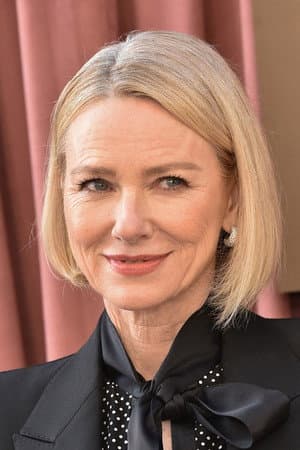
Naomi Watts is crediting her husband, Billy Crudup, with something she says goes well beyond the usual red-carpet support. The actor and menopause advocate said this week that Crudup has not merely tolerated her outspoken advocacy on women's midlife health - he has actively championed it, and she finds that combination both touching and attractive.
Watts described her husband's encouragement in warm terms, calling his backing "so sweet - and sexy," a remark that captures how she frames the issue: not as a private medical complaint but as a public cause worthy of a partner's full-throated support. The actress has spent years pushing menopause out of the shadows, arguing that the subject has been cloaked in silence and embarrassment for far too long, and she has repeatedly said that having a spouse who takes it seriously makes the work easier.
From Hollywood Role to Advocate Role
Watts, a two-time Academy Award nominee known for films including "Mulholland Drive" and "21 Grams," has become one of the most visible celebrity voices on menopause in recent years. She has spoken openly about her own experience of perimenopause, describing symptoms that arrived earlier than she expected and a medical establishment that she felt was not always prepared to help. That frustration helped push her toward advocacy rather than quiet endurance.
Her public work has included producing content intended to demystify the transition, lending her name to awareness campaigns, and pressing for better research and candor about treatments. She has also applied the same instinct to business, backing a menopause-focused wellness brand aimed at products and information for women navigating the change. The through-line in all of it, she has said, is refusing to treat a natural life stage as a source of shame.
Menopause typically arrives between the ages of 45 and 55, though perimenopause - the transitional phase - can begin years earlier. Symptoms range widely and can include hot flashes, sleep disruption, mood changes and brain fog. For decades, advocates argue, the topic was treated as taboo in workplaces, doctors' offices and even among friends, leaving many women to piece together information on their own.
Why a Spouse's Support Matters
Watts's comments about Crudup land in a broader conversation about how partners respond when menopause enters a household. Advocacy groups have long argued that spousal understanding - patience with symptoms, willingness to talk about them, and a refusal to treat the subject as off-limits - can meaningfully change a woman's experience of the transition.
By publicly praising her husband, Watts is making a subtler point as well. Crudup, an acclaimed stage and screen actor who won an Emmy for "The Morning Show," has not made menopause activism his own cause, but he has made clear that it is not something his wife has to carry alone. That distinction - support without co-opting - is one Watts appears to value, and her choice of words suggests she sees it as an expression of intimacy rather than mere allyship.
The couple married in 2023 after several years together, and both have spoken in interviews about the value of partnership later in life. Watts has two children from a previous relationship with actor Liev Schreiber. Her willingness to fold her marriage into her advocacy messaging reflects a broader strategy: normalizing menopause by talking about it in ordinary, domestic terms rather than clinical ones.
A Cultural Shift Still in Progress
Celebrity advocacy has helped move menopause toward the mainstream in recent years, with figures in film, television and business increasingly willing to discuss it on the record. That shift has coincided with growing investment in menopause-related products and services, along with renewed medical debate over hormone therapy and how best to treat symptoms.
Watts's approach has been notably consistent: she talks about her body, her confusion, her search for answers, and then she talks about what helped. Bringing her husband into that narrative is consistent with the same impulse - showing that menopause is not a solitary women's problem but something families and partners can address together.
Whether the remark about Crudup being "sexy" for his support will become a talking point in its own right seems likely. It is, after all, an unusually direct way to praise a partner - and one that doubles as a bit of consciousness-raising. For Watts, the personal and the political have rarely been far apart on this issue, and she seems content to keep it that way.
Source: The Hollywood Reporter