Greta Gerwig has never been one to keep her reference points hidden, and her upcoming take on C.S. Lewis's fantasy saga is no exception. The filmmaker says the world of "Narnia" she is constructing draws heavily on the shape-shifting spirit of David Bowie, and she has confirmed that Meryl Streep will provide the voice of Aslan - a casting decision she framed as a search for gravitas without grandiosity.
"I wanted someone profound but not pretentious," Gerwig said of bringing Streep into the fold. It is a line that doubles as a mission statement for the project: a big-budget fantasy that, in Gerwig's hands, appears determined to feel intimate even at its most mythic.
The Bowie connection, according to the director, is less about any literal plot point than about sensibility. She described the late musician's willingness to reinvent himself across decades - and his comfort with the strange, the theatrical, and the deeply felt - as a guiding influence on how she wants the film to move and look. That impulse places her adaptation in conversation with a long tradition of British fantasy that treats wonder and oddness as close cousins.
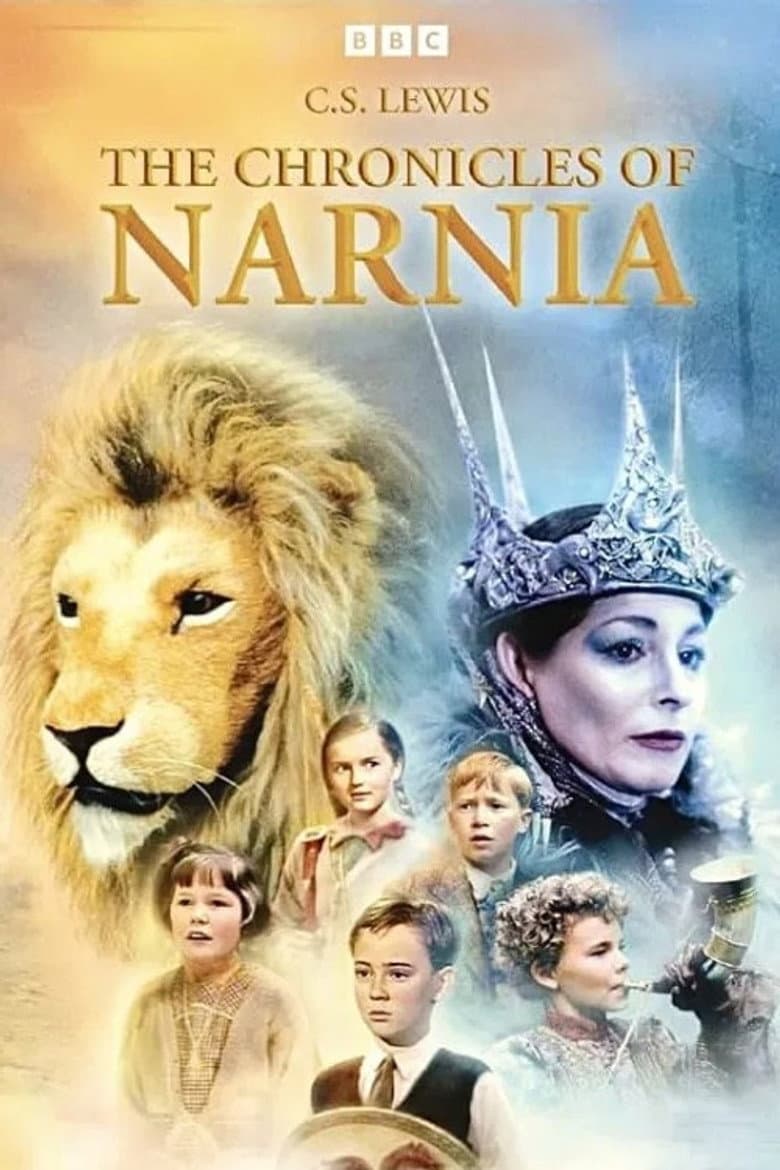
Gerwig's remarks arrive amid a broader resurgence of interest in Lewis's seven-book series, though the landscape looks notably different from the one she is navigating. A separate project, the documentary "Return to Narnia," has already found an audience by looking backward rather than forward. Directed by Chris Chapman and released on November 24, 2025, the film reunites the cast and crew of the BBC's classic Narnia adaptations nearly four decades after they first aired. It runs 130 minutes and carries a TMDb rating of 8 out of 10, a figure that suggests the nostalgia play has landed with viewers.
"Return to Narnia" assembles interviews with close to 30 contributors, among them all four of the Pevensie actors - Richard Dempsey, Sophie Wilcox, Jonathan R. Scott, and Sophie Cook - each appearing as themselves. Also on hand are Jean-Marc Perret, Samuel West, David Thwaites, and Camilla Power. The documentary revisits key filming locations, gathers childhood memories from the set, and traces how the beloved series was assembled through ingenuity rather than money.
That behind-the-scenes focus gives the documentary its emotional charge. Cast and crew speak candidly about the difficulties of translating Lewis's invented world to television, the production choices that defined the adaptations, and the way the series has echoed through their own lives and those of its fans. Archival material is woven together with warm reunion footage, positioning the film as a celebration of a legacy that still pulls audiences back through the wardrobe. It is a documentary in the truest sense - English-language, Hollywood-produced, and built on reflection rather than spectacle.
The two projects, one looking back and one looking forward, form an unusual pairing. Chapman's film argues that the BBC Narnia endures precisely because its makers had to improvise; Gerwig's film, by contrast, arrives with the resources of a major studio and a three-time Oscar winner in a lead voice role. Yet both seem animated by the same question: what makes an imaginary kingdom feel real?
For Gerwig, part of the answer appears to be tonal fearlessness. Bowie's career was defined by the refusal to repeat himself, and the director's comments suggest she sees in that restlessness a model for how to handle a property that many audiences already hold dear. Casting Streep as the great lion - the series' moral center and its most imposing presence - only reinforces the idea that she is chasing emotional weight over easy familiarity.
Whether audiences will accept a Bowie-inflected Narnia remains to be seen. But Gerwig has at least made her intentions plain: she wants a fantasy that is strange, sincere, and free of pretense - and she has enlisted one of the most acclaimed actors of her generation to help sell it.
Source: Variety